Last updated November 18, 2026
Free written scope consultation - allowances, timeline, and change-order rules on paper before a single trade is scheduled
Construction Cost Breakdown: The Enterprise Homeowner’s Reference for 2026
The national average cost per square foot for a room addition in 2025 was $150 – $200. In Enterprise, the same scope runs $195 – $265 per square foot once Clark County permit fees, desert-grade insulation requirements, and Southern Nevada labor rates are applied – a gap that catches homeowners off-guard mid-project. The number on the page you read last week was built from data that doesn’t reflect the labor pool here, the freight premiums on materials delivered into the valley, or the valuation-based permit math used by the county. This guide replaces averages with line-item ranges for seven common Enterprise residential scopes, in 2026 dollars, using the structures we build actual budgets from. You’ll get the permit mechanics, the material premiums, and the tracking tools that separate a fixed-price project from a cost-plus surprise.
Quick Answer
Most 2026 residential construction scopes in Enterprise fall into these line-item ranges: driveways $9 – $18 per square foot, patios $12 – $28, room additions $195 – $265 per square foot, kitchen remodels $42,000 – $95,000, bathroom remodels $16,000 – $48,000, exterior stucco repair $8 – $16 per square foot, and pool decks $11 – $22 per square foot. The driver of the gap between national averages and Enterprise reality isn’t labor alone – it’s Clark County permit fees calculated on project valuation, freight surcharges on concrete and insulation hauled into Southern Nevada, and desert-grade specifications the code won’t let you skip. A written, line-item budget before work starts is the only way to know what your number is before the first truck arrives.
Styles & brands we work with
- Kitchen remodeling
- Bathroom remodeling
- Home additions & ADU
- Roofing
- Windows & doors
- Driveway & pavers
- Fence
Table of Contents
- The Seven Enterprise Scopes and What They Cost in 2026
- How Clark County Permit Fees Are Calculated
- Southern Nevada Material Premiums Nobody Quotes You
- What Allowances Really Mean (and Why They Blow Up Budgets)
- Using a Schedule of Values to Track Drift
- Fixed Price vs. Cost-Plus: The Contract That Holds
- Common Mistakes to Avoid
- When to Call a Professional
The Seven Enterprise Scopes and What They Cost in 2026
Line-item pricing is the only kind that holds up when you compare bids. When a contractor gives you a single lump number, you can’t tell whether the stucco allowance is honest or whether the paver base depth was cut to make the number work. These are the ranges we budget Enterprise projects from in 2026, broken down by scope. Each is a range, not a quote – the actual number depends on square footage, site access, and the finish schedule you pick.
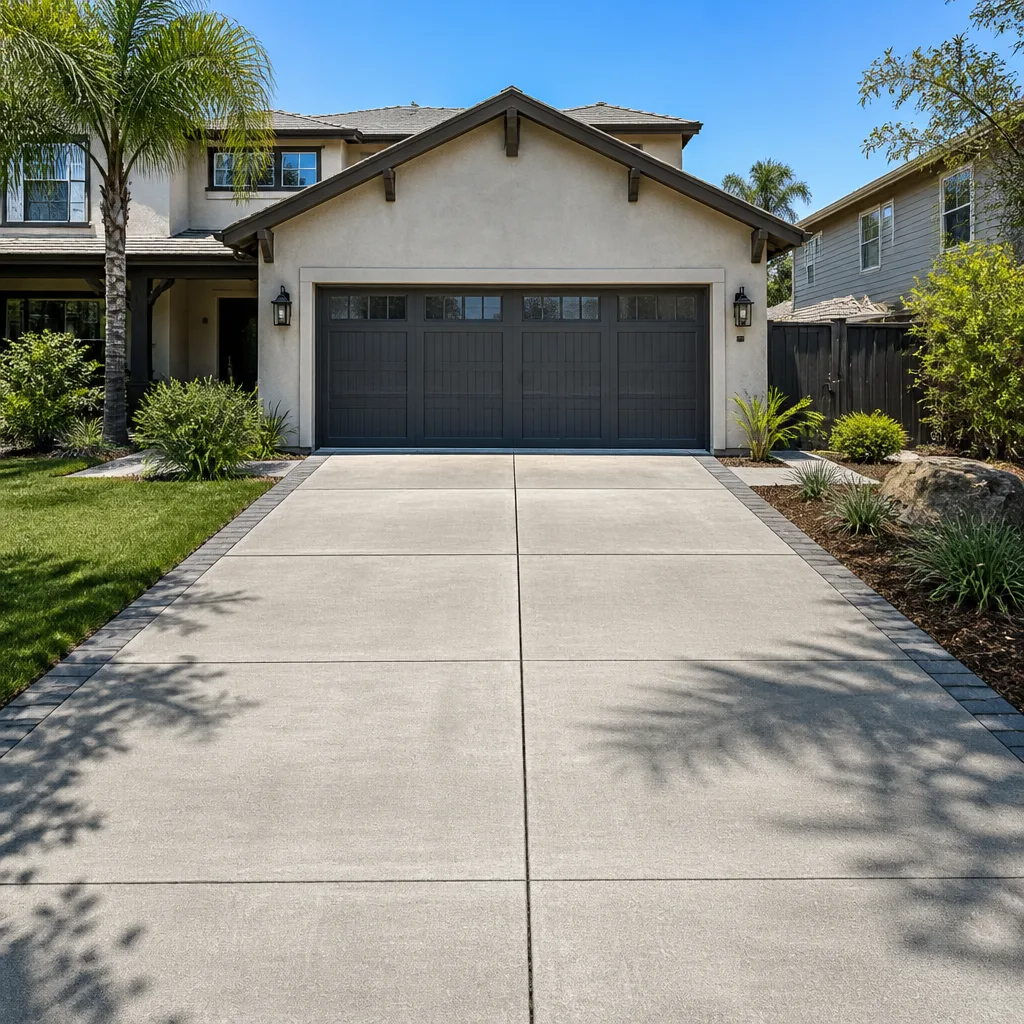
- Driveway replacement or new install: $9 – $18 per square foot for pavers, $7 – $14 for broom-finished concrete. Cambridge Pavers and Belgard both run at the top of the range; standard Oldcastle block sits lower. Base prep is 40% of the difference between a driveway that lasts fifteen years and one that cracks in three.
- Patio (covered or open): $12 – $28 per square foot. Covered patios push the number because the roof structure carries engineering requirements in Clark County’s wind-exposure zones.
- Room addition: $195 – $265 per square foot. This is where the national $150 – $200 average breaks. Framing labor in Southern Nevada, desert-grade insulation, and permit fees push the floor up before finish selections enter the conversation.
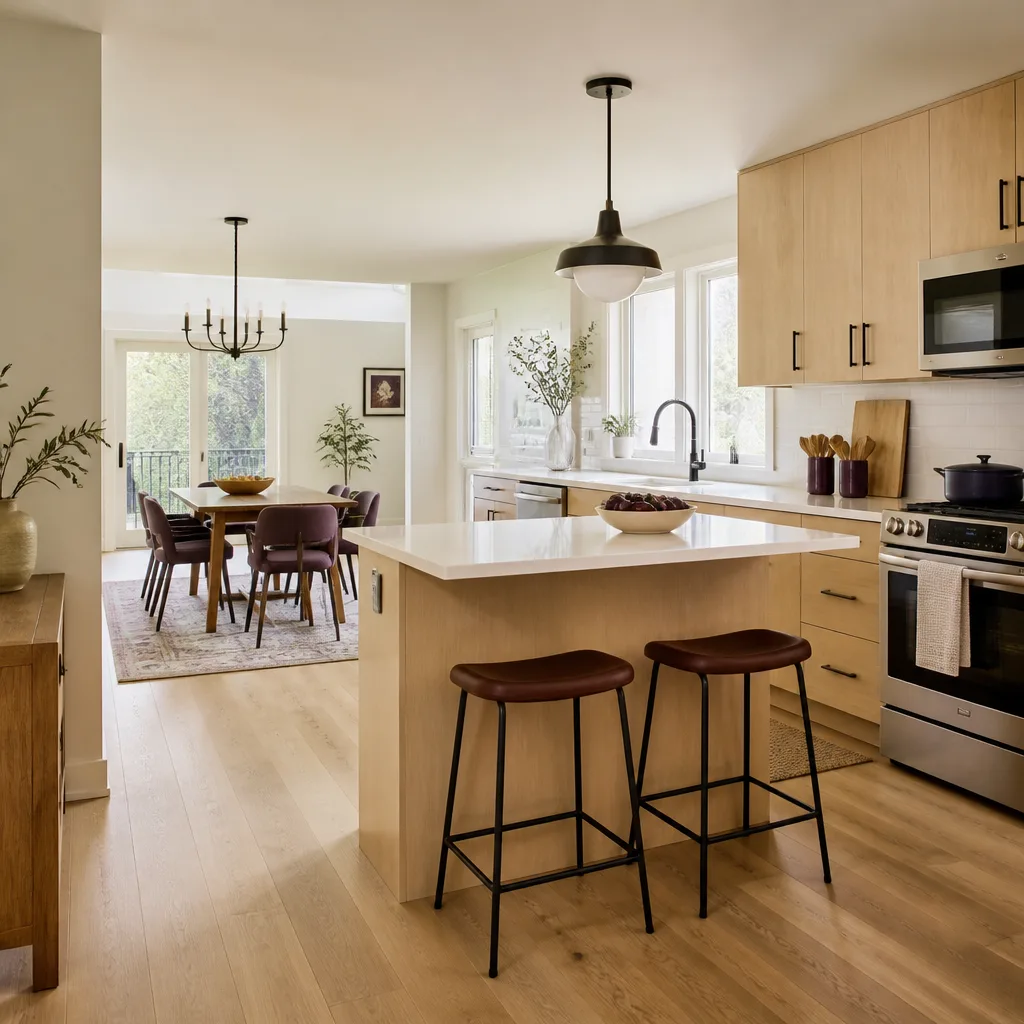
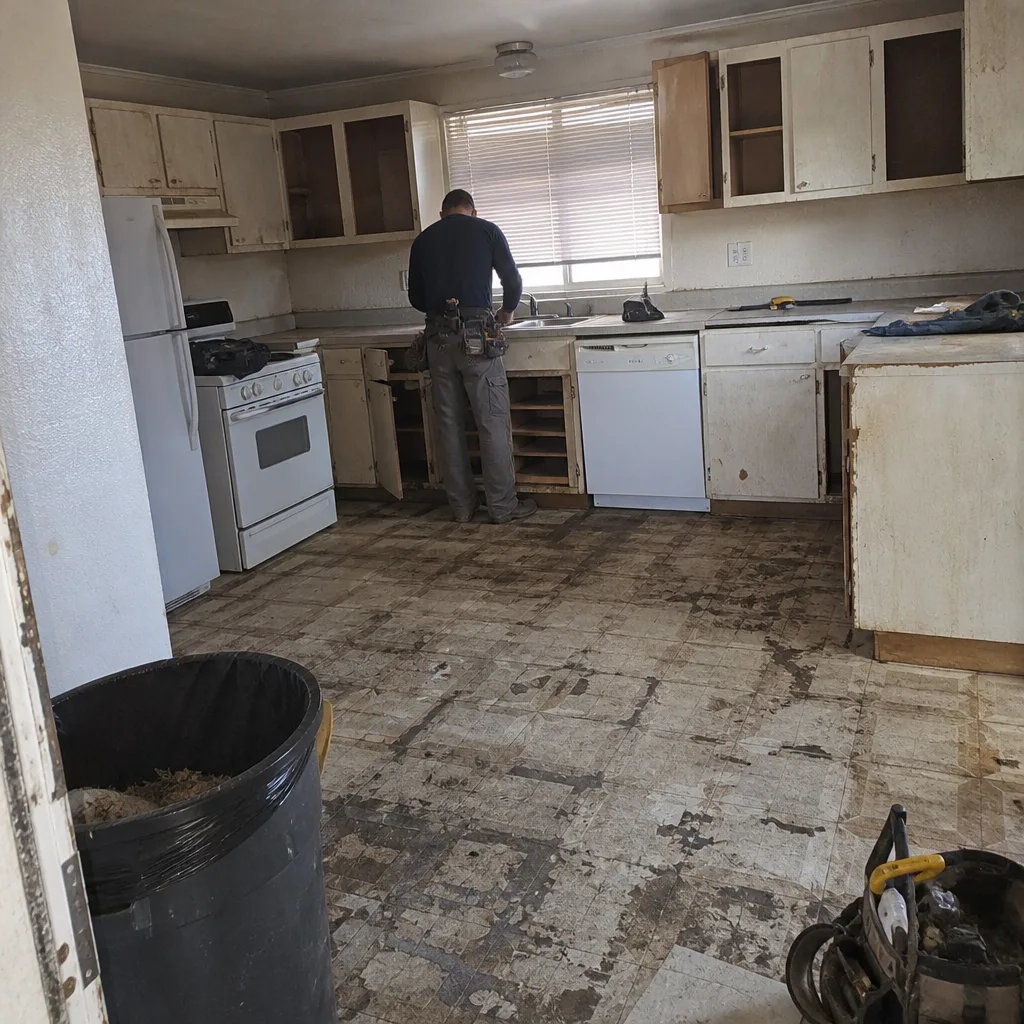
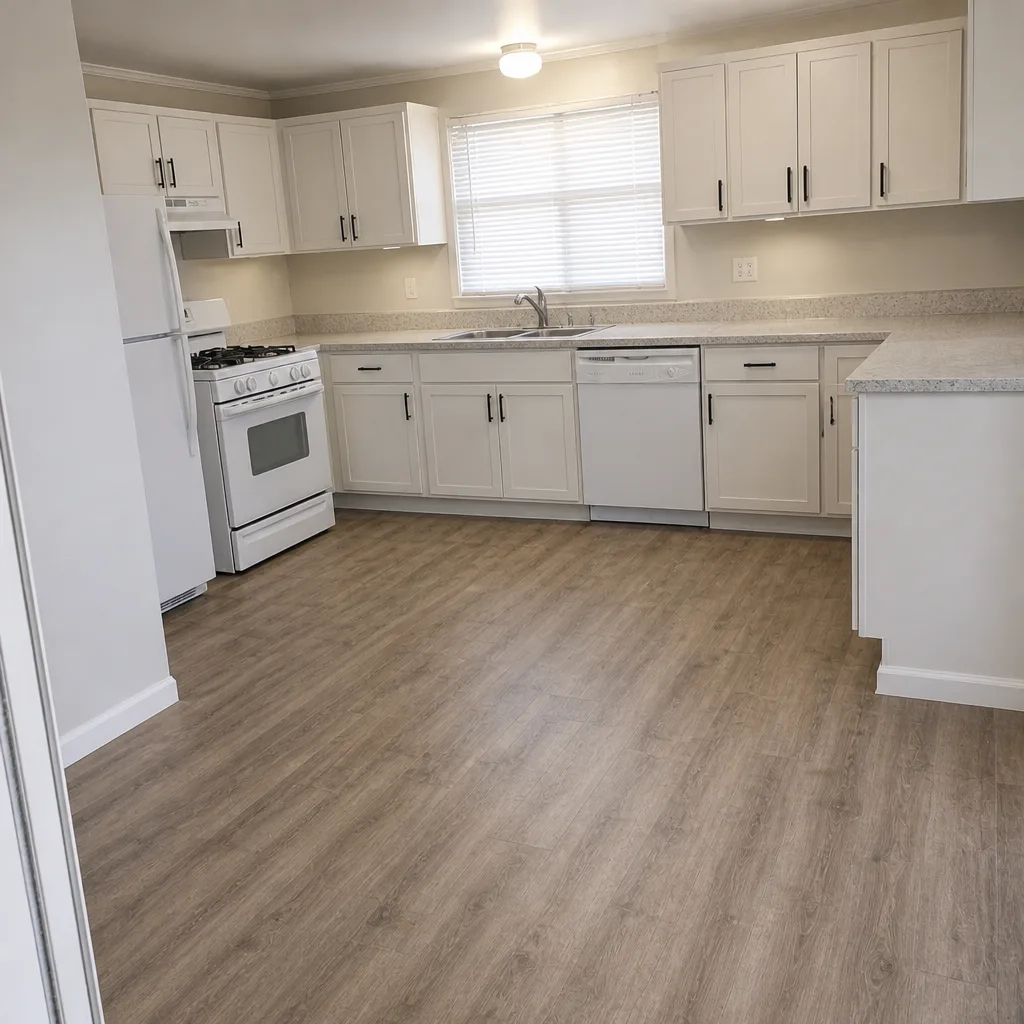
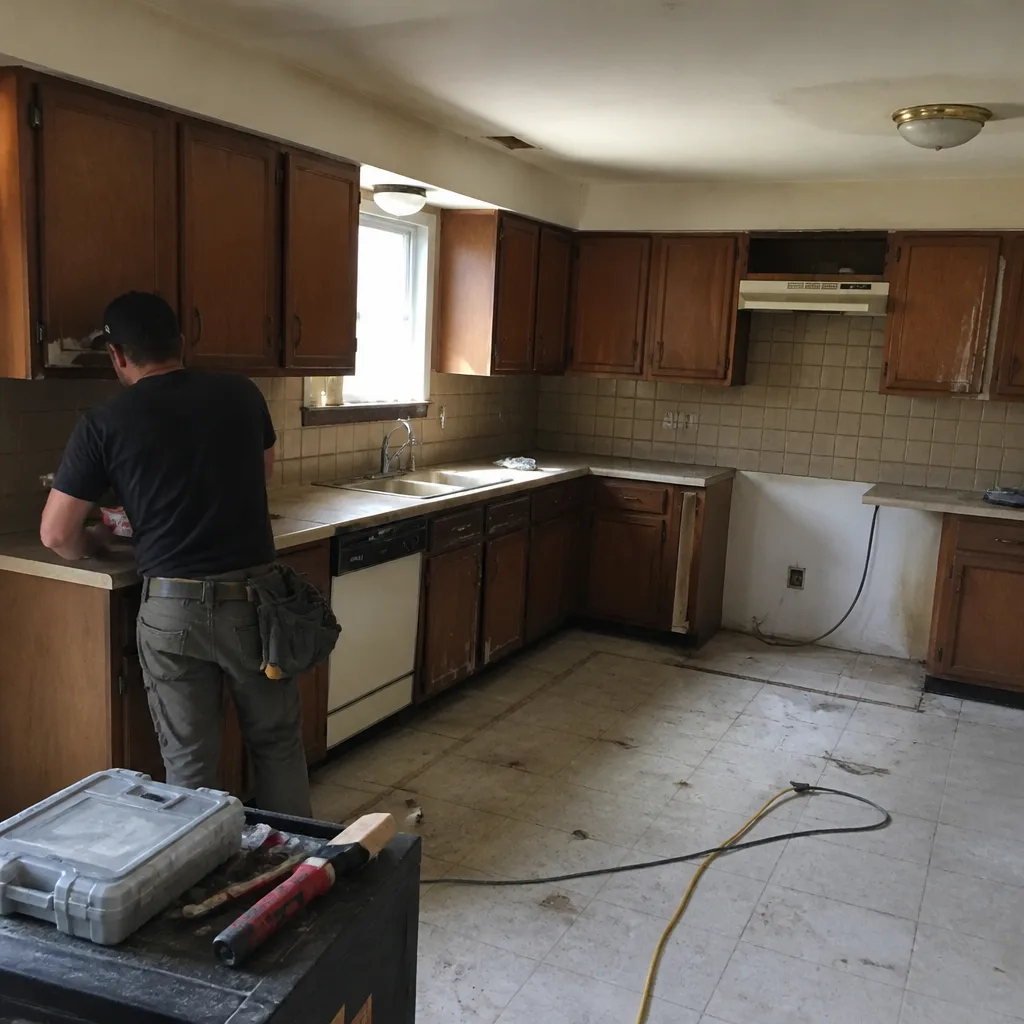
- Kitchen remodel: $42,000 – $95,000 for a full gut with new cabinets and counters. KraftMaid and Wellborn cabinet lines and Cambria countertops sit at the top; semi-custom stock lines land lower. Full-scope numbers like this live on our Rowan Construction Group Enterprise home page.
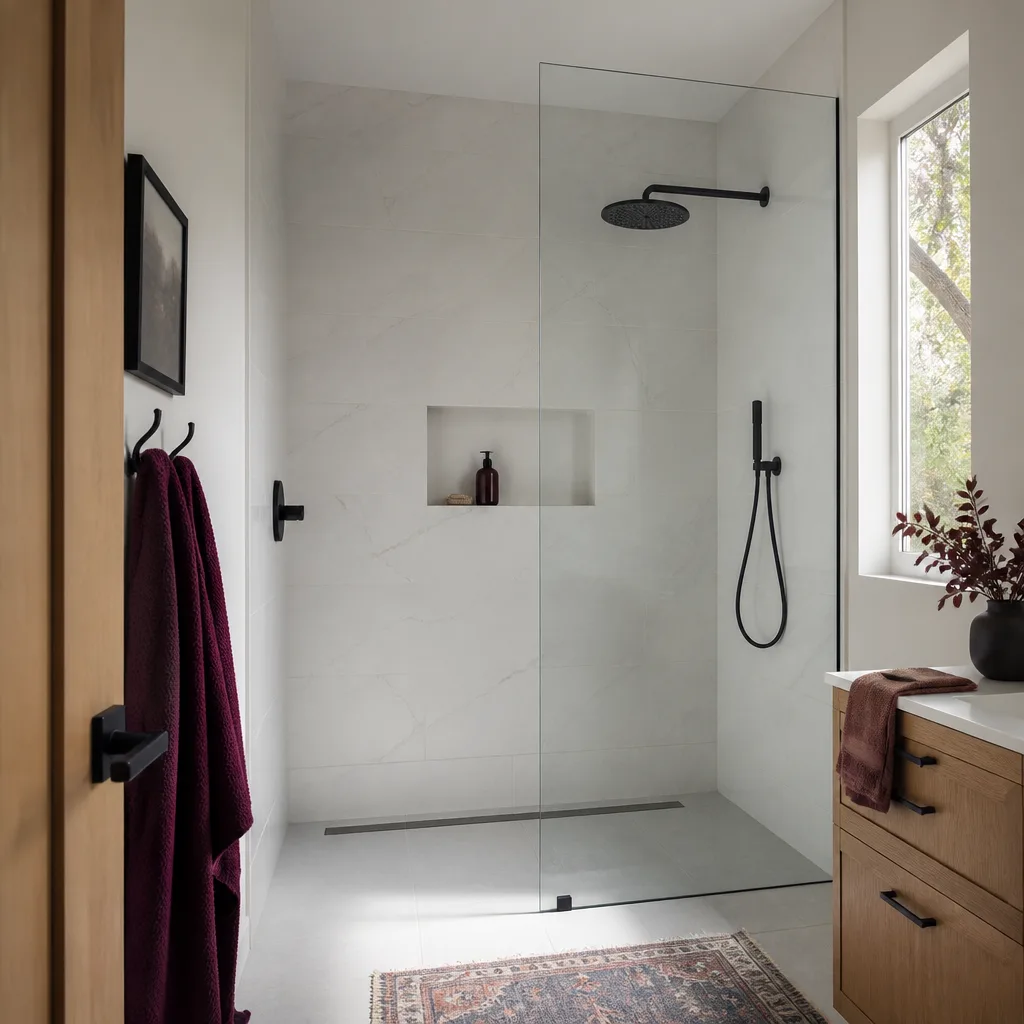
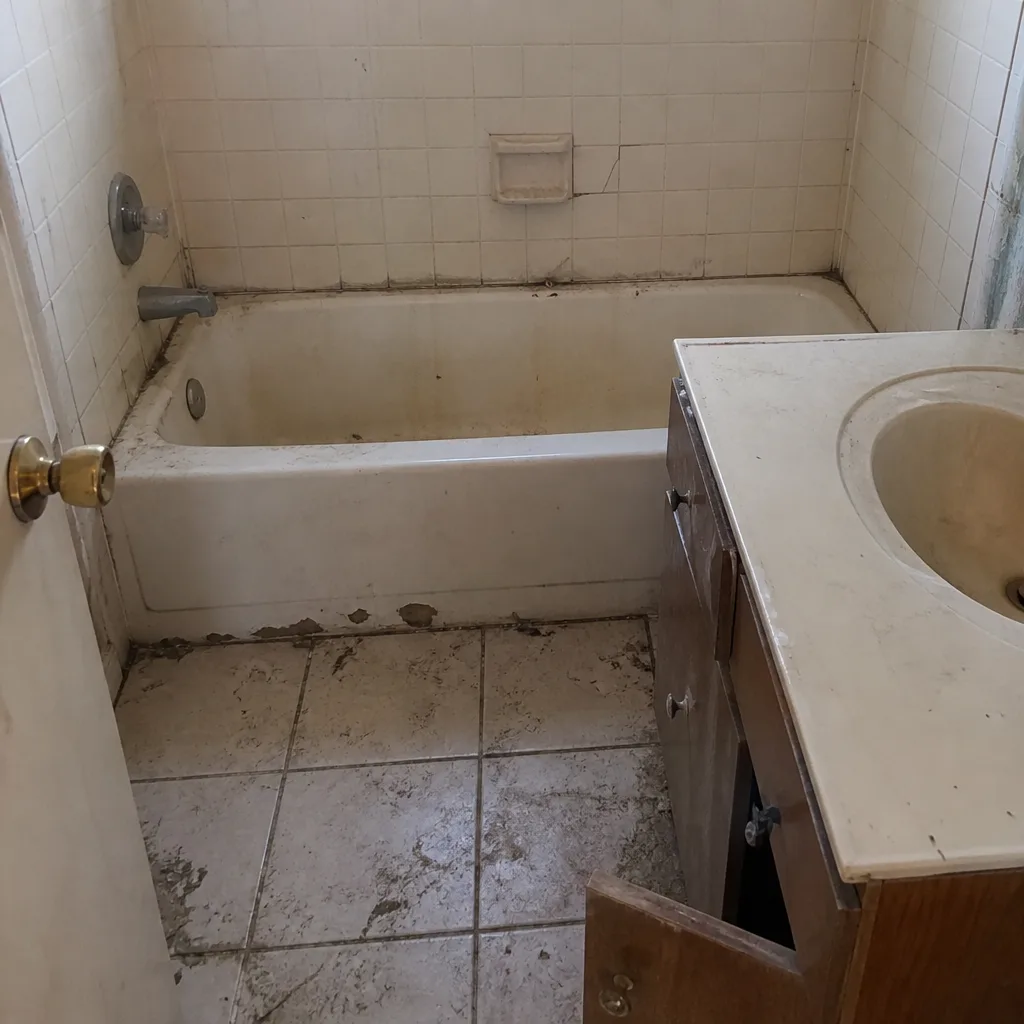
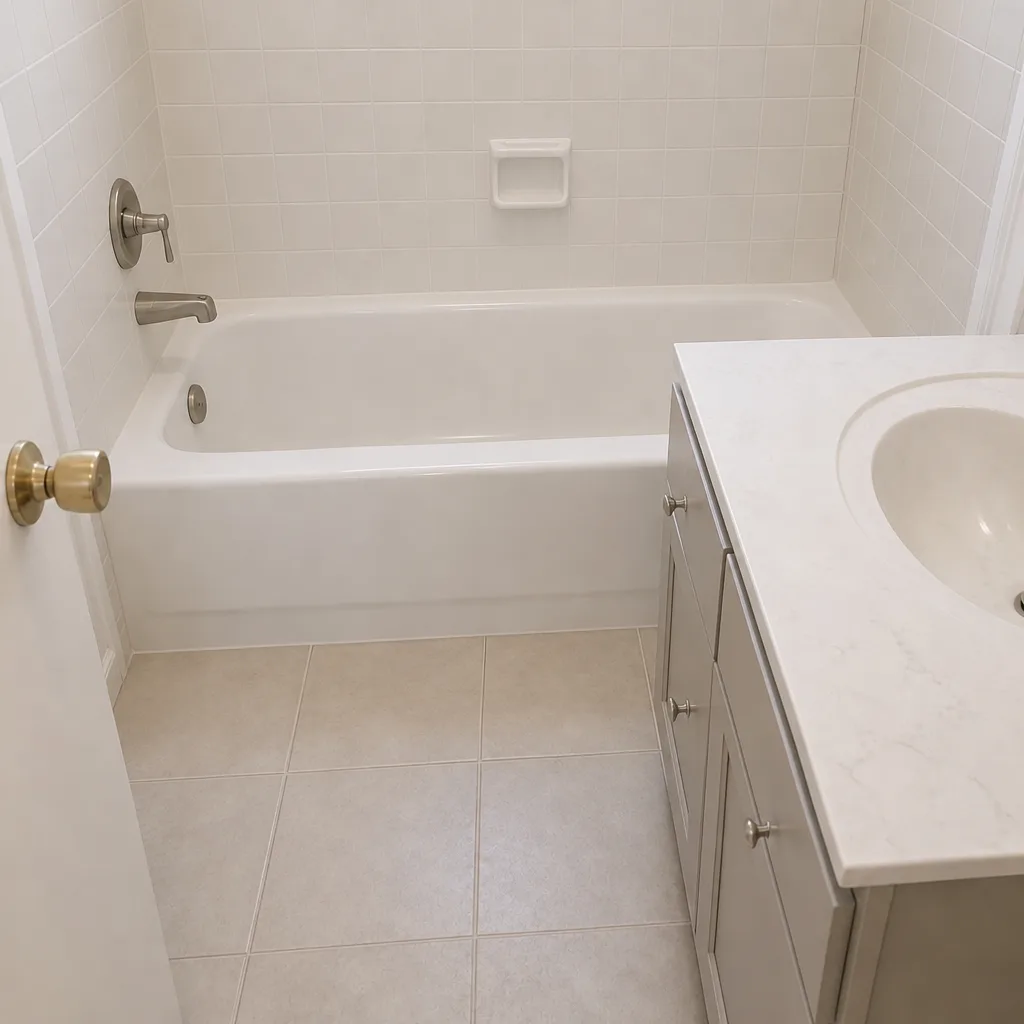
- Bathroom remodel: $16,000 – $48,000. Tile membrane spec, Kohler and Toto fixture selection, and whether the drain gets moved drive the spread more than square footage.
- Exterior stucco repair: $8 – $16 per square foot. Patch-and-match on a 1990s-era Enterprise residence often runs higher than new stucco because color matching on weathered three-coat systems is finicky work.
- Pool deck: $11 – $22 per square foot. Travertine and pavers top the range; concrete overlay sits lower. Heat retention and slip rating both matter in Southern Nevada.
Two of these scopes we build often enough to have a deeper reference: Driveway & Pavers in Enterprise and Home Additions & ADU in Enterprise.
How Clark County Permit Fees Are Calculated
Clark County calculates permit fees on project valuation, not on square footage. That single fact reshapes how a $60,000 project and a $200,000 project consume their budgets. The county sets a valuation figure from its own schedule – not the price on your contract – and charges a percentage of that valuation plus fixed inspection fees on top. The percentage bends upward at higher valuations once plan review complexity and inspection counts climb.
Here’s how it plays out at two Enterprise scopes:
- The $60,000 project. A bathroom gut or a driveway-and-patio package at this number typically carries $1,400 – $2,600 in combined permit and inspection fees. That’s roughly 2.5% – 4.5% of project cost. Plan review is usually one cycle, and inspections run three to five.
- The $200,000 project. A room addition or full-scope kitchen and bath at this number typically lands at $5,500 – $9,800 in permit and inspection fees, or 3% – 5% of cost. Multiple review cycles are more likely because structural, energy, and MEP (mechanical, electrical, plumbing) disciplines get reviewed separately.
Two things this means in practice. First, permits are not a flat fee you can shop around – the county sets the number. Second, when a bid comes in noticeably below the others with no obvious scope difference, ask for the permit line item. Gaps here are one of the oldest tells in the trade, and pulling the permits and passing the inspections is part of every Rowan written quote, not an optional add. Enterprise sits in unincorporated Clark County territory, so the county permit office – not the city of Henderson or Las Vegas – is the authority that matters.
Southern Nevada Material Premiums Nobody Quotes You
Enterprise is twenty-plus miles from the nearest major concrete batch plant that services the eastern valley, and the freight that gets material here is a real line item. Ready-mix concrete delivered to an Enterprise address carries a distance surcharge per cubic yard – small on a single pallet, meaningful on a 60-yard pour. A room addition foundation at 60 yards puts $180 – $450 of freight premium on your budget before anyone places a form. This is why a driveway quote from a contractor based in the western valley often balloons when work starts.
Insulation carries a second premium the national averages don’t see. Desert-grade specification – attic radiant barriers, R-values that meet Southern Nevada’s climate zone requirements, foil-faced products rated for high attic temperatures – pushes per-square-foot insulation cost 15% – 30% above the same product spec’d for a milder climate. Quikrete and Sakrete bagged products you’d pick up yourself at a big-box store are easier to price; the premiums bite hardest on ready-mix, specialty insulation, and anything with a lead time because it doesn’t stock locally.
- Ready-mix concrete: $35 – $65 per yard distance surcharge into Enterprise.
- Desert-grade insulation: 15% – 30% above national per-square-foot averages.
- Imported stone and tile: freight and lead time drive 8% – 20% swings depending on origin.
- Specialty pavers (Cambridge, Belgard, Techo-Bloc): 10% – 18% premium over standard concrete products, partly brand, partly freight.
A contractor who quotes Enterprise work honestly names these premiums. One who doesn’t is either absorbing them (and will find the money later) or doesn’t know them yet.
What Allowances Really Mean (and Why They Blow Up Budgets)
An allowance is a placeholder dollar figure in a fixed-price contract for a selection not yet made – “cabinet allowance $18,000” is the classic. It exists because you can’t price a cabinet you haven’t picked. Allowances are honest when they’re set from real current pricing and dishonest when they’re set low to make the headline bid number look competitive. The second kind is the single most common reason a fixed-price bid becomes cost-plus halfway through a project.
Here’s how it happens. The contractor sets the cabinet allowance at $14,000 to hold the total bid down. You walk into the showroom, fall in love with a KraftMaid line that runs $22,000, and the $8,000 difference comes to you as a change order. Multiply that across cabinets, fixtures, tile, appliances, and lighting, and a bid that looked $12,000 cheaper than the next one can end up $30,000 over the final number. In our experience the allowance line and the actual selection line diverge by 20% – 40% on kitchen and bath projects when allowances are set optimistically.
The fix is structural, not vigilance. Ask for two things in the bid:
- A written allowance figure per line item, with a spec sheet or product family named – “Cambria countertops, Level 2 granite alternative” beats “countertop allowance.”
- A written change order process, signed before work proceeds on any change. Under Clause 1 of The Haven Standard, no work moves forward on a change until the change order is signed. That discipline is why our projects finish within a few percent of the agreed number – it’s a documented record, not a promise.
Using a Schedule of Values to Track Drift
A schedule of values is the single best tool a homeowner has for spotting budget drift before it compounds. It’s a line-item table that breaks the total project cost into phases – demo, foundation, framing, rough MEP, insulation and drywall, finishes, punch – and assigns each line a percentage of total cost. Every draw request is measured against the percentage complete on each line. Drift shows up as a phase that’s 40% drawn but only 25% complete.
Most Enterprise homeowners never see one because most contractors don’t build them. Ask for it in the bid package. Then when the monthly draw request comes in, don’t just pay the percentage – read the numbers against completion. A framing phase that’s over budget by $3,000 at 30% complete is a warning. By the time that same overage is discovered at 90% complete, it’s $18,000 and already spent.
Alongside the schedule of values, ask for the documented photo record on every visit. Knowing what was found in a wall cavity, in a roof deck, or under a slab before it’s covered is the difference between catching a change early and absorbing it silently. When you’re ready to shop a project, the parallel reference material for outdoor scopes is on our Fence Installation in Enterprise page.
Fixed Price vs. Cost-Plus: The Contract That Holds
Two contract shapes dominate residential construction. Fixed price means the number is the number, with a written scope, and changes only come through a signed change order. Cost-plus means you pay the contractor’s actual materials and labor plus a markup percentage – the final number isn’t knowable when you sign. Cost-plus is fine for genuinely unpredictable work: full-historical restorations, foundations on unknown soil, projects with hidden conditions throughout. For a kitchen, a bathroom, a patio, a driveway, a fence, a room addition – the scope is documented before work starts, and a fixed price is the honest shape.
If you already have a written estimate from a contractor, we’ll review it line by line at no charge. That’s the Free Second Opinion on any written estimate – a standing offer, not a sales hook. The three most useful things you’ll get from the review: whether allowances are set from current Clark County pricing, whether the permit and inspection line is present and correctly sized, and whether the change-order process is documented or handshake. A written price before any work starts, on every trade, is the whole point – a written price with a name on it that you can compare.
Common Mistakes to Avoid
- Budgeting from a national average. That $150 per square foot number for a room addition doesn’t survive Clark County permits, desert-grade insulation, and Southern Nevada labor. Budget from Enterprise-specific line items or you’ll be under water by month two.
- Choosing the lowest bid. A bid that’s $15,000 below the pack is either cutting scope, hiding an allowance problem, or planning to make it up on change orders. Compare scopes, not numbers.
- Accepting an allowance without a named spec. An allowance figure without a product family is a placeholder for a surprise. Ask for the product line, not just the dollar figure.
- Skipping the schedule of values. Paying draw requests without tracking percentage complete means drift goes undetected until it’s irreversible. Ask for the schedule before you sign.
- Forgetting the freight premium. Concrete delivered into Enterprise carries a distance surcharge. Insist the quote names it, or the number will be “adjusted” once the pour is scheduled.
- Signing work authorizations without a change-order process. A handshake change is a cost-plus change in disguise. No change proceeds without a signed change order – insist on it in writing.
When to Call a Professional
Call a professional when the scope involves structural framing, electrical panels, gas lines, or roof-height work. These are the areas where DIY instructions from a video produce callbacks that cost more than the original job. Call a professional when permits are required – which for Enterprise work almost always means Clark County permit and inspection. Call a professional when the scope crosses multiple trades in one project, because coordinating framing, MEP, and finish schedules without a written sequence is where timelines collapse. And call a professional before signing any bid that carries a lump number without a written scope, a schedule of values, or a documented change-order process. Rowan Construction Group Enterprise offers free estimates in Enterprise – call (833) 630-4077 to schedule yours.
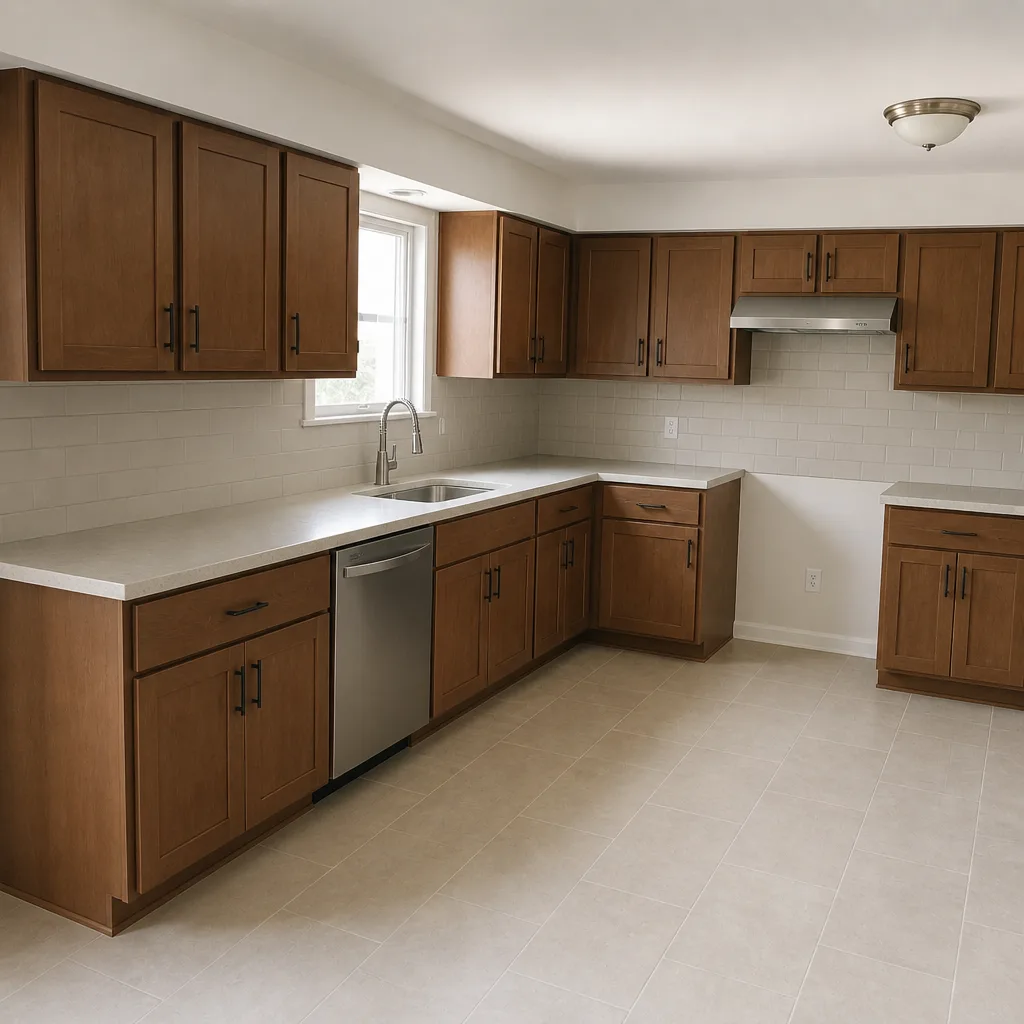
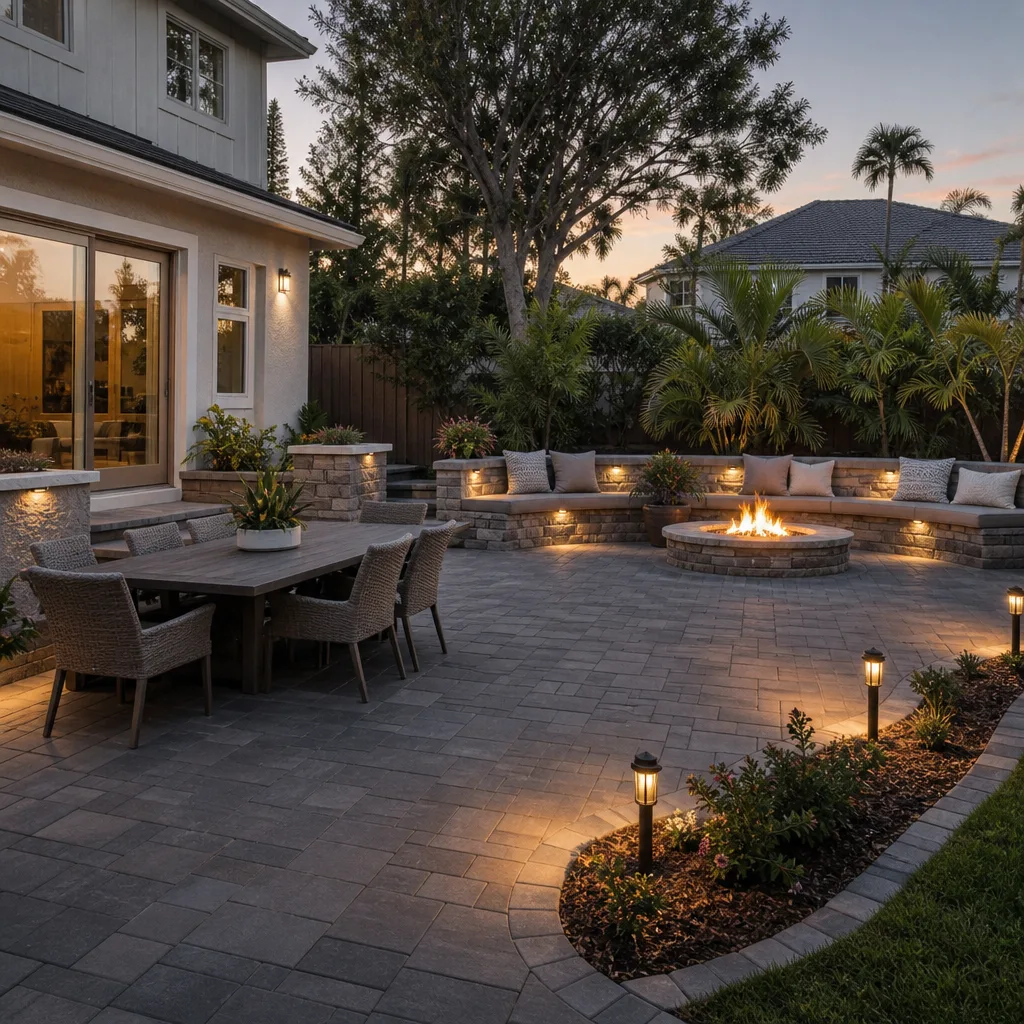
See the difference
 Before
 After
 Before
 After
 Before
 After
Frequently Asked Questions
A room addition in Enterprise runs $195 – $265 per square foot in 2026, compared to the national average of $150 – $200. The gap comes from Clark County permit fees calculated on valuation, desert-grade insulation specs, and Southern Nevada labor rates. Call (833) 630-4077 for a written line-item estimate – the process is free.
Yes. Every Rowan written quote includes permit and inspection line items, and permits are pulled and inspections passed as standard scope. Projects in unincorporated Enterprise fall under Clark County jurisdiction, so the county – not the city – issues the permits. Permit fees on a $60,000 project typically run $1,400 – $2,600; on a $200,000 project, $5,500 – $9,800.
No, unless you authorize a signed change order. Under Clause 1 of The Haven Standard, no work proceeds on any change until the change order is signed. This is the discipline that keeps projects within a few percent of the agreed number. Get the exact number from a written quote before signing – call (833) 630-4077 for a free estimate.
Ready-mix concrete delivered to Enterprise carries a distance freight surcharge because the nearest batch plants are west and south of the valley core. Expect $35 – $65 per yard above the base delivered price, plus a lead time that occasionally pushes a pour schedule. Any honest Enterprise quote names the surcharge separately; a bid that buries it will pull it out later.
A full-gut kitchen remodel in Enterprise typically runs 7 – 11 weeks from permit issuance to final inspection, depending on cabinet and countertop lead times. KraftMaid and Wellborn cabinet lead times and Cambria countertop templating add 2 – 4 weeks to the finish phase. Call (833) 630-4077 for a written schedule alongside your written price.
If it isn’t done right, we make it right – for 365 days after substantial completion. The promise is backed by The Haven Standard and a terms page, not an asterisk. If something in the scope isn’t working as specified, that’s our problem to resolve. Call (833) 630-4077 to talk through a specific scope.
The Bottom Line
The gap between the national average and your actual Enterprise number is real, and it’s driven by factors a national dataset can’t see: Clark County permit fees on valuation, desert-grade insulation specs, freight surcharges on ready-mix concrete, and Southern Nevada labor rates. The way to protect yourself is structural, not vigilant. Demand a written line-item price before work starts. Demand the schedule of values. Demand a signed change order process. And when the allowances are set, make sure each one carries a named product line rather than a dollar figure alone. A written price with a documented record is the only kind of bid that holds on a 2026 Enterprise project.
To get started, call (833) 630-4077 for a free estimate. Written price, written scope, written warranty – before anyone picks up a tool.
Written by the team at Rowan Construction Group Enterprise.