Last updated November 18, 2026







Free written scope consultation - allowances, timeline, and change-order rules on paper before a single trade is scheduled
Construction Emergency Preparedness Guide for Enterprise Homes
Most homeowners in Enterprise think emergency preparedness means a fire extinguisher under the sink and a case of water in the garage. That’s not where the real damage comes from. The expensive failures we see across the valley almost never arrive as a tidy disaster. They start as a slow plumbing leak behind a wall, a shingle lost in a wind gust, a hairline crack that widens through one long summer. By the time they’re visible, the repair has tripled. This guide covers how to prepare your Enterprise home for the construction emergencies that actually happen here, how to recognize them early, and what to have on hand when something fails.
Quick Answer
A construction emergency in Enterprise is any sudden failure in your home’s structure or systems that gets worse and more expensive by the day: water intrusion, storm damage, a failed roof, a burst pipe, or a compromised wall. The single most effective preparation is a documented baseline of your home’s condition, so you can tell what changed and respond before the damage spreads. Enterprise’s high heat, monsoon wind, and intense UV exposure make these failures more likely than in milder climates, so the preparation is not optional.
Styles & brands we work with
- Kitchen remodeling
- Bathroom remodeling
- Home additions & ADU
- Roofing
- Windows & doors
- Driveway & pavers
- Fence
Table of Contents
- What Counts as a Construction Emergency in Enterprise
- How Enterprise’s Climate Drives These Problems
- Step 1: Build a Documented Baseline
- Step 2: Your Emergency Supply and Records Kit
- Water Intrusion and Plumbing Failures
- Storm, Roof, and Window Damage
- Step 3: What to Do in the First 24 Hours
- The Six Trades Most Likely to Be Called First
What Counts as a Construction Emergency in Enterprise
A construction emergency has two markers: it’s actively getting worse, and the cost of waiting is larger than the cost of acting. A dripping faucet is a repair. A water stain spreading across a ceiling in a matter of hours is an emergency. The distinction keeps you from calling on a Sunday for something that can wait until Tuesday, and from dismissing a small leak that will rot a wall within a week.
In our experience across Enterprise, a handful of failures account for nearly all of the urgent calls we get:
- Active water intrusion into living space through a roof, window, or wall.
- Burst or leaking pipes where water is reaching drywall, flooring, or cabinetry.
- Roof damage from wind that lifts shingles or opens a seam, exposing the deck.
- Broken or cracked window glass from impact or thermal stress, which also opens the house to weather and security concerns.
- Structural concern where a wall, ceiling, or eave begins to sag or crack suddenly.
The key insight most homeowners miss: an emergency is defined by the rate of change, not the size of the problem. A quarter-inch of standing water moving toward a wall is worse than a bucket-sized drip into a tiled shower. Keep that distinction in mind as you read the rest of this guide.
How Enterprise’s Climate Drives These Problems
Enterprise sits in the Las Vegas Valley, and the environment does much of the damage before a storm ever arrives. Summer temperatures regularly climb past 110 degrees, and the ultraviolet load on roofing, sealants, and window glazing is punishing. Materials that would last twenty years in a mild climate age twice as fast here. Roofing membranes dry out and crack. Caulk and window seals pull away from the frame. Wood trim checks and splits. That constant degrading is the setup for the emergency that follows.
Then there’s the monsoon season, roughly July through September, when short, intense storms push wind and sudden rain across the valley. Wind is the bigger threat to a roof, since a gust can lift a shingle edge a sealant has already weakened. And the rain that comes fast does not infiltrate slowly. It finds the cracks the heat opened and comes in all at once. Enterprise homes at higher elevations and on exposed lots get more wind than lower neighborhoods, which is worth remembering when you inspect your roof.
Because the damage is gradual for months and sudden in hours, the best defense is not a panic response. It’s knowing the condition of your roof, windows, and plumbing so you can catch the degradation before the storm finishes the job.
Step 1: Build a Documented Baseline
You can’t tell what changed if you never recorded what was. A documented baseline is a set of dated photos and notes on the condition of your home’s key systems, so that when something fails, you know exactly how much of the failure is new. It’s also what an insurance adjuster asks for, and what a contractor needs to quote a repair honestly rather than guessing.
- Photograph the roof from the ground on a clear day, capturing all elevations. Note the approximate age if you know it, and the general condition of shingles and flashing.
- Photograph every window frame and seal, inside and out, with attention to caulking and any gaps.
- Record your plumbing: water heater location and age, the main shut-off valve, and any visible pipe runs.
- Note the electrical panel location and the main breaker, but don’t open the panel yourself. Photograph the cover and label only.
- Photograph your exterior walls, soffits, and foundation line showing the grade (the slope of the ground away from the house).
- Store it in the cloud and a second physical place, dated.
Do this once a year. Update photos after any repair, since the record of what was fixed and when becomes the baseline for the next problem. When we quote work under our Rowan Construction Group Enterprise home service pages, the documented photo record we deliver on every visit serves the same purpose: evidence of what was found and what was done, dated.
Step 2: Your Emergency Supply and Records Kit
Most emergency kits are built for evacuation. This one is built for the twelve to forty-eight hours after a construction failure, when you’re protecting the house while you arrange a repair. Keep it in one labeled bin, and nothing in it needs to be expensive.
- Water shut-off tool. Know where the main valve is and keep a tool that turns it. This single item prevents more water damage than anything else.
- Tarps and plastic sheeting, heavy enough to cover a damaged roof section or a broken window.
- Roofing nails and a hammer for temporary patches, only if you can reach the area safely from the ground or a ladder you trust.
- Flashlight and spare batteries, since a power interruption often accompanies a storm.
- Your photo baseline and insurance documents, printed and stored in the bin.
- A contractor contact list with a phone number for each trade you might need.
- Absorbent towels and a wet/dry vacuum to slow water spread.
One caution that matters in Enterprise: do not attempt to get on your roof during or right after a storm. Heat, wind, and wet surfaces combine to make roof access the leading cause of serious injury in these events. Tarp from the ground if you can, and call a professional for anything above standing height.
Water Intrusion and Plumbing Failures
Water is the most common construction emergency in any home, and Enterprise’s combination of aged plumbing and hard water raises the odds. Hard water accelerates scale buildup, which narrows pipes and stresses joints. When a connection fails, the water doesn’t always show up where it started. A slow leak under a slab or behind a wall can run for weeks before a ceiling stain appears.
The immediate priority in any water event is to stop the source, not to mop. Turn off the main valve, then move to containment. If a pipe has burst, the water heater, or a supply line under a sink, the shut-off is the whole game. A plumber, not a general contractor, handles the cause; a construction contractor handles the cleanup and the rebuild once the leak is contained. Recognizing which trade you need first saves hours.
Watch for these warning signs before a failure becomes a flood:
- Water stains or rings on ceilings and walls, especially where they grow.
- A musty smell in a room with no obvious source, which often indicates hidden moisture.
- Discolored or swollen baseboards and flooring at the edges of rooms.
- The sound of running water when every fixture is off.
- Unexplained jumps in your water bill.
If you see any of these, treat it as urgent and get a professional eyes on it within a day or two. The difference between a small drywall repair and a full wall-and-floor rebuild is almost always measured in how fast the leak was found.
Storm, Roof, and Window Damage
Monsoon storms test the two parts of your home most exposed to the sky: the roof and the windows. A single high-wind event can strip shingles from a weakened ridge, and the rain that follows enters through the gap. Windows take a different kind of abuse. Years of sun make the sealant and glazing brittle, so a gust or a piece of flying debris cracks glass that was already stressed. Impact cracks often start at the corner of a pane and spread.
After a storm, do a ground-level inspection before anything else. Look for shingles in the yard, which tells you the roof lost material. Check the windows for cracks or gaps in the seal. Look at the roof line for lifted or missing pieces and at the flashing around chimneys and vents, the most common leak points. Photograph everything, and note the time. If your home has older windows, the glazing and sealant are likely the weak point, and replacing them with a modern impact-rated product such as those from PGT or CGI can turn a recurring problem into a one-time upgrade. The quality of the frame and the installation matters more than the brand name alone, which is why a written scope for the window work should list the exact product and the sealing method.
One rule worth repeating: roof access after a storm is a professional’s job. A temporary tarp from the ground buys time; a climb onto a wet, hot roof does not.
Step 3: What to Do in the First 24 Hours
The first day after a failure determines the size of the bill. These steps apply to almost any construction emergency, and doing them in order protects both the house and your insurance claim.
- Make it safe. For water, shut the supply off. For a broken window, keep people away from the glass. For electrical concerns, trip the relevant breaker only if you can do it dry and safely.
- Stop the source and contain the damage. Turn the valve, tarp the roof, board the window. Do not start repairs that hide the problem.
- Photograph everything before you clean or move anything. This is your claim evidence and your record for the contractor.
- Call your insurance company and report it, even if you’re unsure you’ll file. Most policies require prompt notice.
- Call a licensed professional for a written scope and price. Ask for a written price before any work starts. A contractor who won’t put the number on paper before picking up a tool is the one to avoid.
- Document what was done. Keep the written scope, the price, and the receipts together with your photos.
We built our process around these steps because documentation is what separates a fast, clean recovery from a months-long dispute. Every Rowan project is quoted with a flat written price and written scope before work begins, and no change proceeds without a signed change order. When you’re choosing who to call after an emergency, ask for that same discipline: a written number, a written scope, and a documented record when the crew leaves.
The Six Trades Most Likely to Be Called First
Knowing which trade to call first gets the house dried, sealed, or secured faster. Most construction emergencies resolve into one of these categories.
- Roofing. Storm damage, lifted shingles, and leaks at flashing are the most common emergency. A leak gets a temporary seal, then a permanent repair.
- Windows and doors. Cracked glass, failed seals, and impact damage. Modern impact-rated products from brands like CWS or ES Windows are worth discussing with a professional when a window fails.
- Plumbing (coordinated by the contractor). A burst pipe or failed connection is contained first, then the wall and floor are rebuilt.
- Fence. High wind takes down fence panels and posts. A quick repair keeps pets in and the property secure, and our Fence Installation in Enterprise page covers the anchoring that holds up against valley wind.
- Driveway and pavers. Flash flooding and runoff can undercut pavers and wash out a driveway edge. See the Driveway & Pavers in Enterprise guide for how base preparation prevents it.
- Additions and structural repair. Sagging, cracking, or a wall that moved needs a structural assessment. Our Home Additions & ADU in Enterprise page explains how structural work is scoped and priced.
For anything beyond a single trade, having one contractor coordinate the sequence saves the back-and-forth of arranging a plumber, a roofer, and a drywall crew separately. That coordination is what a construction contractor is for.
Common Mistakes to Avoid
- Ignoring a small water stain. A stain that grows is an active leak. Waiting a week is how a drywall patch turns into a wall rebuild, and in Enterprise’s heat, hidden moisture grows mold quickly.
- Climbing on the roof after a storm. The single most dangerous thing a homeowner does in a storm emergency. Tarp from the ground and let a professional handle the roof.
- Starting a repair to hide the damage. Painting over a crack or drywalling over a leak destroys your claim evidence and hides a problem that will return.
- Hiring the first contractor who shows up without a written price. An emergency is exactly when someone will quote a number verbally and change it later. Ask for a flat written price and a written scope.
- Skipping the photo baseline. Without it, you can’t tell how much of the damage is new, which weakens your claim and slows the contractor’s assessment.
- Forgetting the shut-off location. In a burst-pipe emergency, the minutes it takes to find the valve are the most expensive minutes in the whole event.
- Assuming the window seal is fine because the glass is intact. UV in Enterprise degrades sealant long before glass fails. A gap in the seal lets in water and heat with no visible crack.
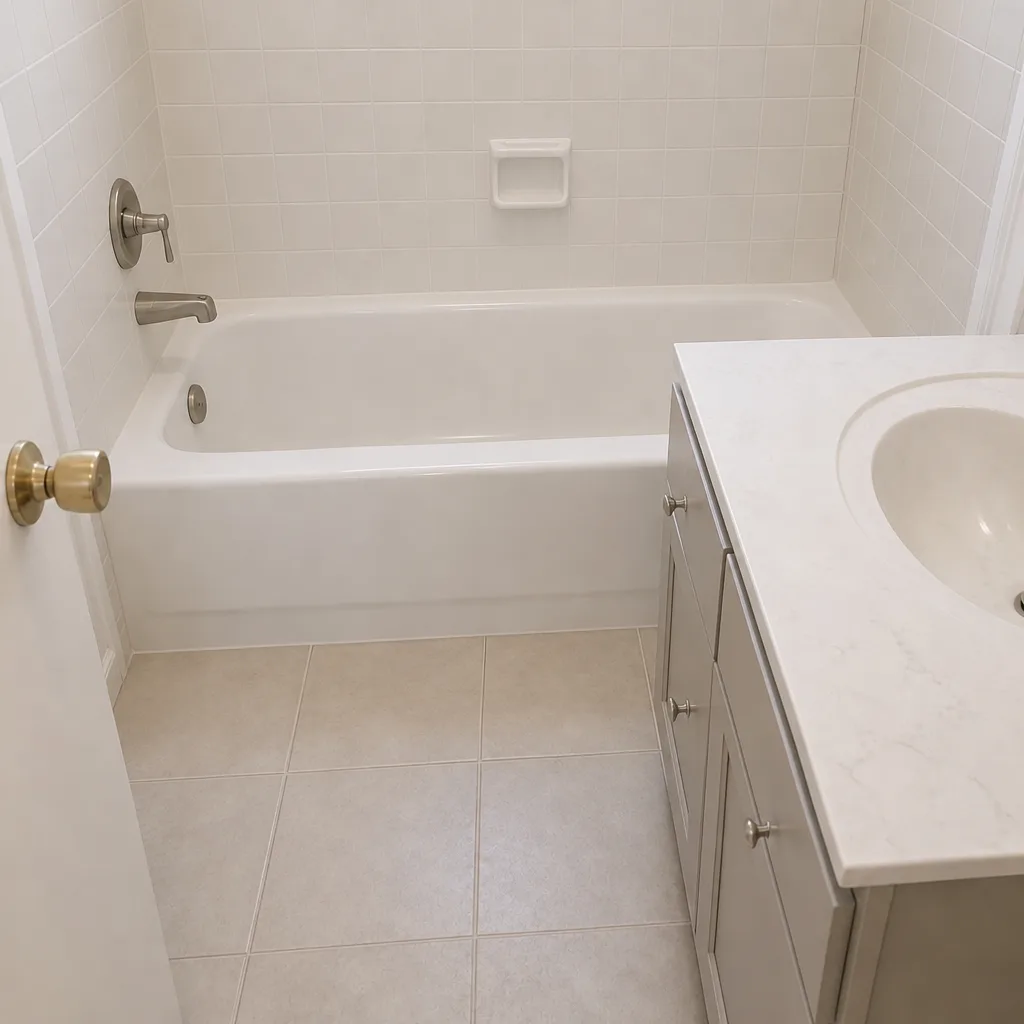
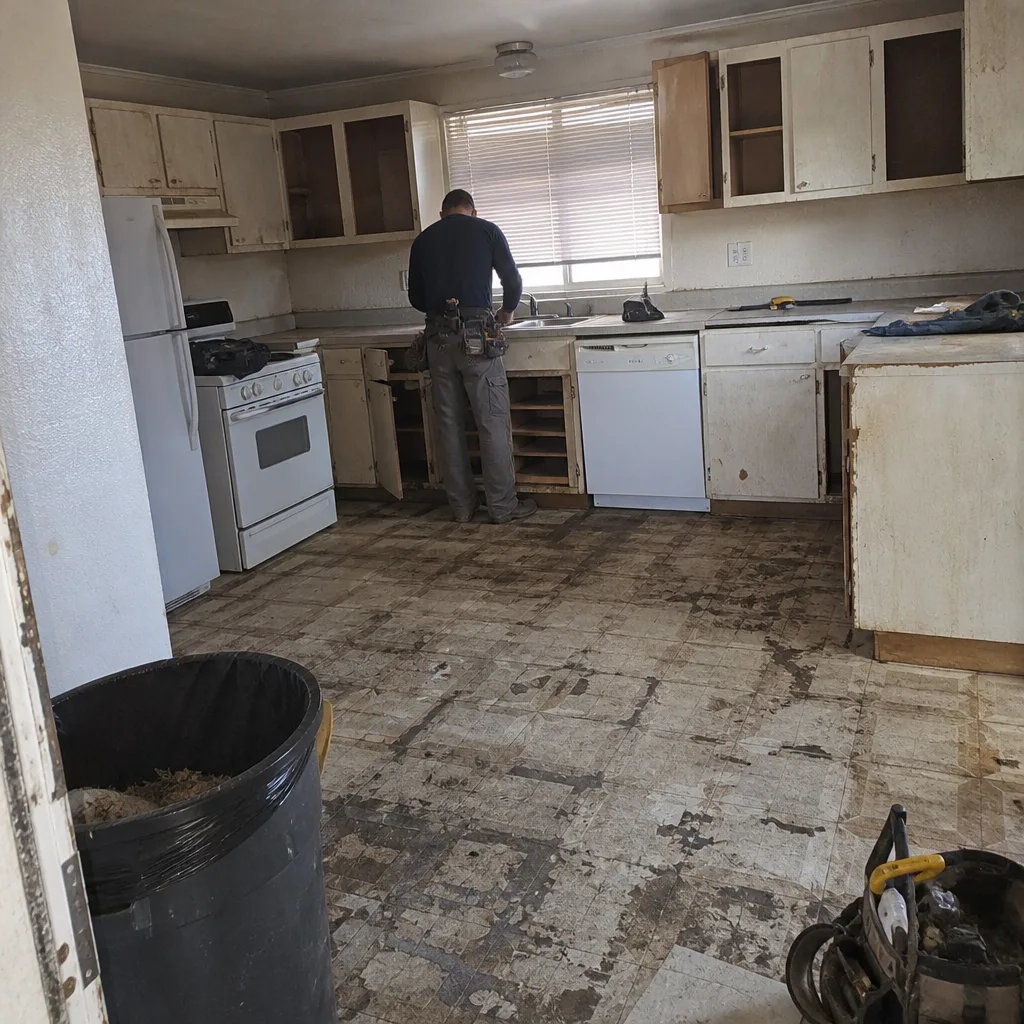
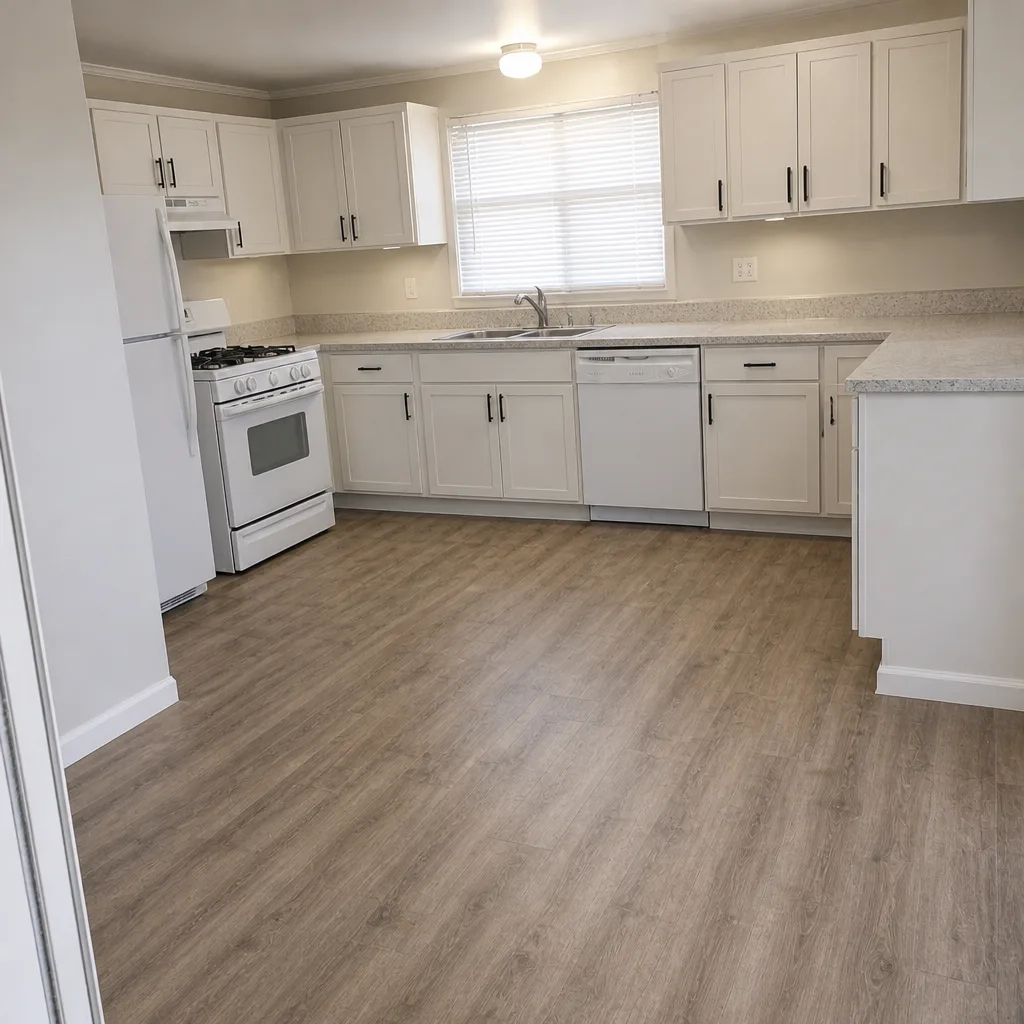
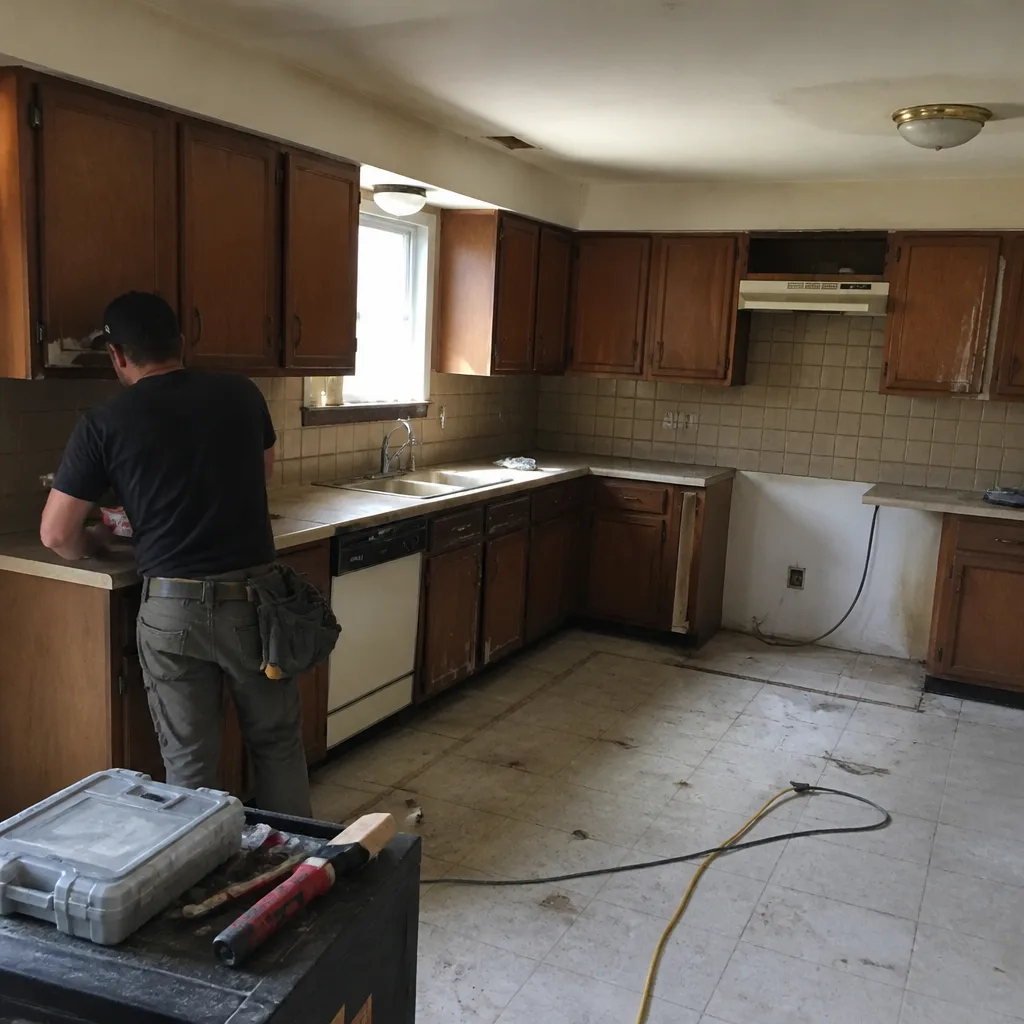
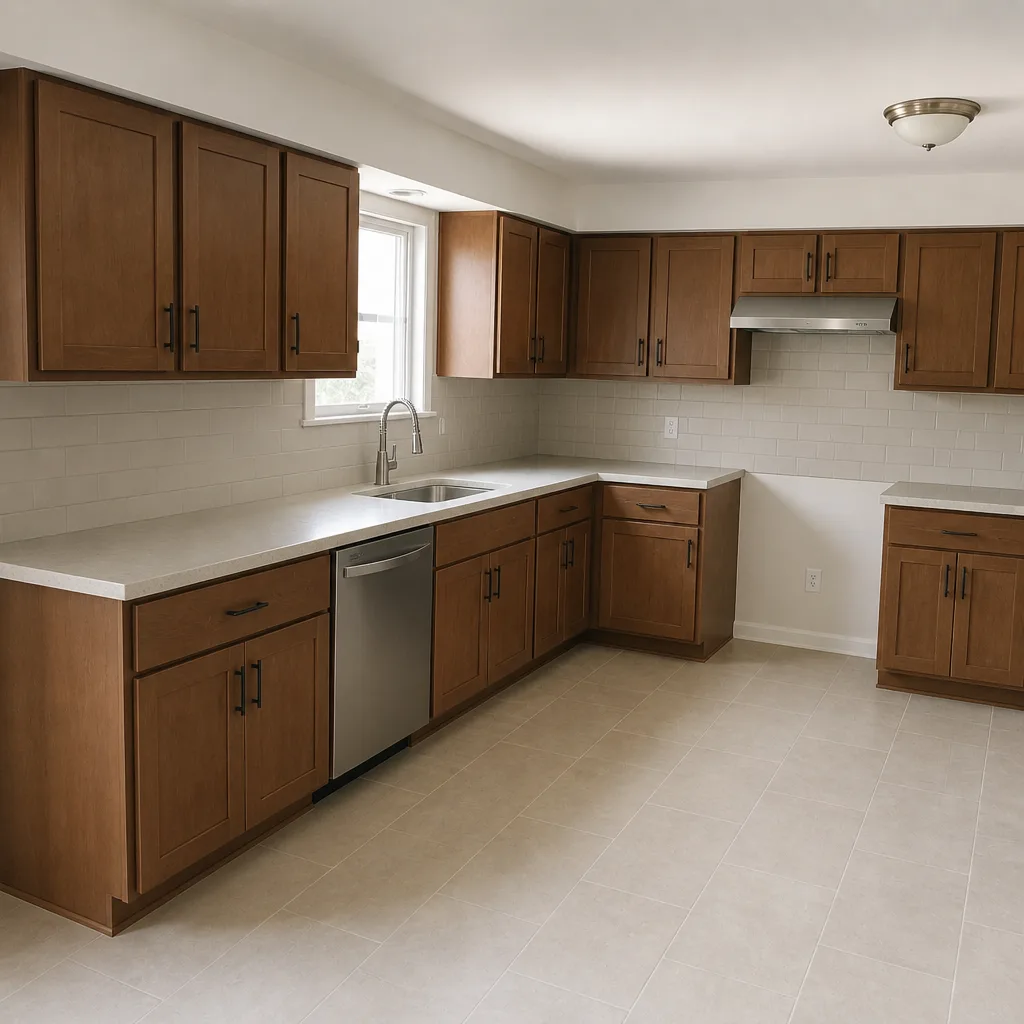
See the difference
 Before
 After
 Before
 After
 Before
 After
When to Call a Professional
Call a professional when the problem is actively getting worse, when it involves a system you’re not trained to touch, or when it’s above ground level. That means any active water intrusion into living space, a roof leak or missing shingles, cracked window glass, a burst pipe, or a wall or ceiling that has suddenly sagged or cracked. Electrical panel work and gas lines are not homeowner jobs at all, and neither is roof access. A licensed contractor will scope and price the work in writing before starting, so you know the number up front. Rowan Construction Group Enterprise offers free estimates in Enterprise. Call (833) 630-4077 to schedule yours, and bring any competitor’s quote for a free line-by-line second opinion.
Frequently Asked Questions
An active failure that is worsening and that will cost more if you wait: water intrusion into living space, a burst pipe, storm damage to a roof or window, or a suddenly sagging wall or ceiling. A dripping faucet or a cracked tile is a repair, not an emergency. The test is the rate of change, not the size of the problem. If you’re unsure, call (833) 630-4077 and we’ll tell you honestly whether it can wait.
Before July, inspect your roof from the ground for lifted or missing shingles, check window seals for gaps, clear debris from the roof and gutters, and photograph everything as a baseline. Keep tarps, a water shut-off tool, and your insurance documents in one bin. Because Enterprise’s UV exposure weakens roofing and sealant faster than in milder climates, an annual pre-season inspection catches the degradation before the storm finishes the job.
Usually, yes, if the damage is from a sudden event like wind or hail rather than long-term neglect. Insurers may deny a claim they can trace to deferred maintenance, which is another reason the photo baseline and the annual inspection matter. Report any damage promptly, photograph before you clean, and get a written contractor scope to support the claim. Call (833) 630-4077 for a free estimate on the repair.
It depends on the trade and the extent of damage, which is why we put a written flat price and scope before any work starts rather than a verbal guess. A temporary roof tarp is small; a full shingle section replacement is more; a wall-and-floor rebuild after a burst pipe is the largest. The written quote is the protection, because no change proceeds without a signed change order. Call (833) 630-4077 for an exact quote, and estimates are free.
A window can often be secured the same day with a temporary board or tarp, but the permanent glass or product replacement is a planned job that depends on what’s in stock and the exact product. The surest way to keep the weather and security risk down is to secure it first, then schedule the replacement with a written price. Call (833) 630-4077 to start that process.
No. Roof work is dangerous, and in Enterprise’s heat, wind, and wet conditions, roof access is the leading cause of serious injury during a storm. You can tarp from the ground if you can reach safely, but the repair belongs to a trained professional. Call (833) 630-4077 and we’ll scope it, price it in writing, and get it done right.
The Bottom Line
Construction emergencies in Enterprise follow a pattern: months of climate-driven wear, then a sudden event that finishes the job. The homeowners who come out ahead are the ones who built a documented baseline, knew where their shut-off was, and had a contractor number ready before they needed it. Preparation is not a product you buy; it’s a set of records and a written-price habit. When something does fail, stop the source, photograph everything, and call a professional who puts the number on paper before picking up a tool.
When a construction emergency hits your Enterprise home, the last thing you need is a contractor who guesses at the price and changes it later. Rowan Construction Group Enterprise gives you a written flat price and written scope before any work starts, no change without a signed change order, and a documented photo record on every visit. The 365-Day Done Right Promise means if it isn’t done right, we make it right. Call (833) 630-4077 to schedule your free estimate, or bring a competitor’s written quote for a free second opinion reviewed line by line.
Written by the team at Rowan Construction Group Enterprise.