
Last updated November 18, 2026
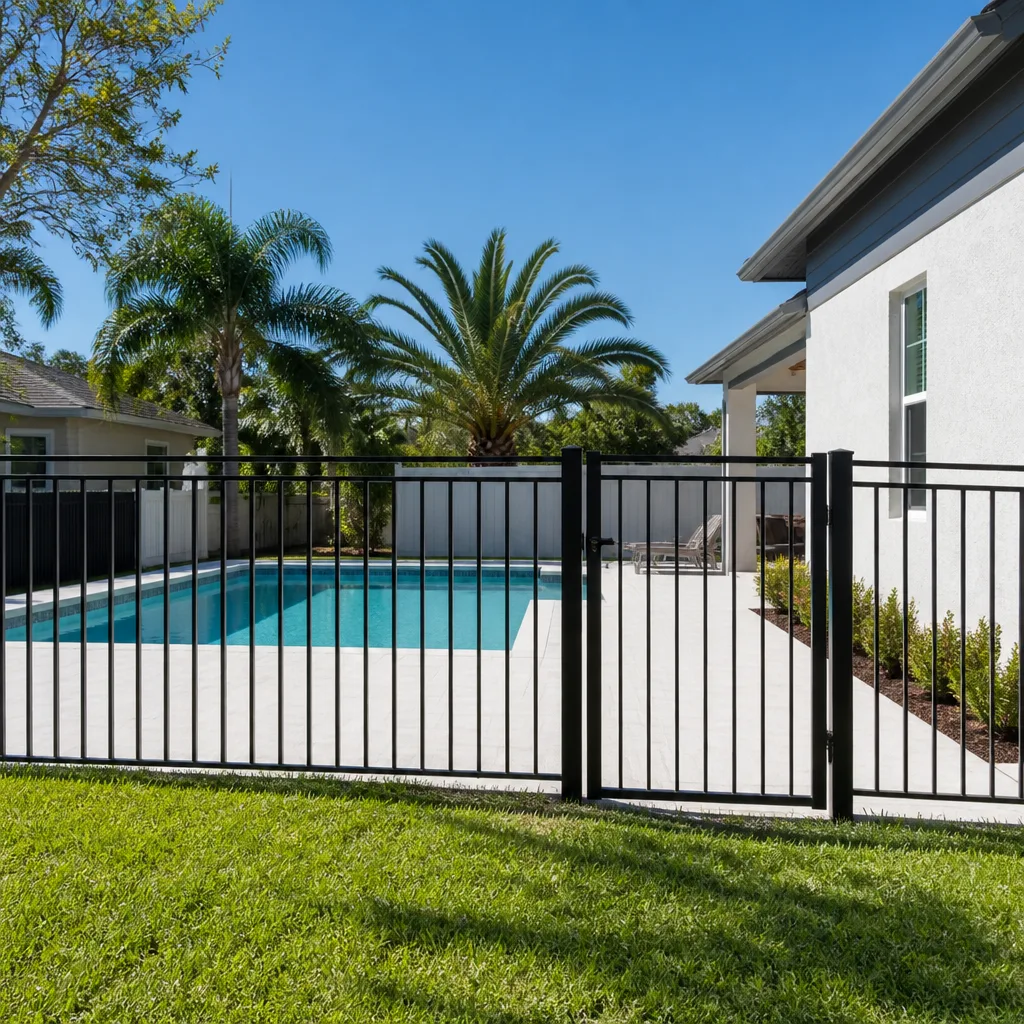







Free written scope consultation - allowances, timeline, and change-order rules on paper before a single trade is scheduled
Fence Installation Warning Signs Every Homeowner Should Know
A fence bid with no permit line item isn’t a bargain. It’s a contractor planning to skip the permit, and in Clark County that decision comes back to you as a stop-work order, a fine, and a mandatory tear-down at the homeowner’s expense. The pattern repeats across Enterprise: the cheapest number on bid day is the most expensive number eighteen months later. This guide teaches you to read a fence proposal the way an inspector reads a structure: for what isn’t there. You’ll learn which line items must appear in writing, how to verify a Nevada license in about ninety seconds, and which physical signs during install tell you the job is already going wrong.
Quick Answer
The clearest warning signs of a bad fence installation are silent omissions in the written contract: no permit fee line, no utility locate date, no post depth specification, no concrete PSI, no material brand or SKU, and no enforceable warranty terms. A contractor who won’t put those six items in writing before you sign is telling you exactly how the job will go. In Enterprise, the second layer of risk is physical: posts set before concrete cures, shallow holes, and no gravel drainage layer in clay-heavy soil.
Styles & brands we work with
- Kitchen remodeling
- Bathroom remodeling
- Home additions & ADU
- Roofing
- Windows & doors
- Driveway & pavers
- Fence
Table of Contents
- The Six Line Items a Legitimate Fence Contract Must Contain
- How to Verify a Nevada Fence Contractor’s License Before You Sign
- Physical Warning Signs During Installation
- The Cheap Material Swap: Cedar to SPF, Schedule-40 to Schedule-20
- The Verbal Warranty Trap
- Why Enterprise Soil and Wind Punish Shortcuts
- Change Orders: Where Budgets Die
- Common Mistakes to Avoid
The Six Line Items a Legitimate Fence Contract Must Contain
Read a fence proposal line by line and ask one question of each entry: can I hold this contractor to this sentence in six months? If the answer is no, the line is decoration. We’ve reviewed hundreds of competitor estimates through our free second-opinion offer, and the same gaps show up in Enterprise again and again. Here is what has to be there, in writing, before anyone breaks ground.
- Permit fee, as a dollar line item. Clark County requires a permit for most residential fence work over six feet, and the fee should appear as its own number. A bid with no permit line is a bid planning to skip it.
- Utility locate confirmation date. The 811 locate must be requested and confirmed before digging. The contract should name the date, not promise the process.
- Post depth specification. Not “posts set deep.” A number, in inches, tied to the frost line and wind load for the site.
- Concrete mix specification. Minimum PSI stated for Nevada soil conditions. A bagged mix without a stated strength is a guess.
- Material brand and SKU. “Cedar fence” is not a specification. A brand, a grade, and a product code are. This is where fence installation in Enterprise quotes separate the real from the vague.
- Change-order clause. A sentence stating that no additional work proceeds without a signed change order and a written price for that change.
If the proposal includes a written warranty, cross-reference it against our Rowan Construction Group Enterprise home page to see what a full-scope written guarantee looks like. Under Clause 1 of The Haven Standard, the price is written before anyone starts – that’s the baseline, not the upgrade.
How to Verify a Nevada Fence Contractor’s License Before You Sign
Nevada Revised Statutes Chapter 624 requires anyone contracting for construction work to hold a valid state license, and the license number must appear on the written contract. That includes fence installation in most cases, since fencing is treated as a construction improvement when it involves posts, footings, and permanent attachment. The problem is that a number on a business card proves nothing. Verification is the only proof, and it takes about ninety seconds.
- Ask for the license number in writing, on the contract, not just on the truck.
- Go to the Nevada State Contractors Board website (nscb.nv.gov) and open the license search.
- Enter the number and confirm the license is active, not expired or suspended.
- Confirm the license classification covers fencing work – a general engineering or general building license may be required depending on scope.
- Check for any disciplinary actions or complaints on the record.
- Confirm the business name on the license matches the business name on the contract.
We’ve seen homeowners in Enterprise sign six-figure contracts with contractors whose license had been suspended months earlier. The board’s search is free and public. Use it before the deposit leaves your account, and keep a screenshot of the result with your signed paperwork.
Physical Warning Signs During Installation
Contract terms protect you on paper. What happens on the ground is the second test, and it happens while you’re still able to stop the work. In our experience, most fence failures in Enterprise were predictable on day one – the crew just didn’t give the homeowner any reason to look.
- Posts set in concrete that hasn’t cured. Concrete needs 24 to 48 hours to reach usable strength. If the crew is hanging panels the same day they poured footings, those posts will shift, and the fence line will wave by fall.
- Post depth less than one-third of above-ground height. A six-foot fence needs posts buried at least two feet, and often more in wind-exposed sites. Shallow posts pull loose in a monsoon gust.
- No gravel drainage layer at the post base. In clay-heavy soil, water pools around the concrete collar and heaves the post over the seasons. A handful of gravel at the base costs pennies and prevents it.
- Panels screwed to posts with no fasteners or with undersized fasteners. Look at the hardware. It should match the material grade.
- No string line visible. A fence line that isn’t run with a string is a fence line that isn’t straight.
- No photo record. On a covered job, the crew photographs footings before pour. If nobody’s taking pictures, ask why.
Under The Haven Standard, every visit includes a documented photo record as a standard deliverable – not an add-on. That’s how a homeowner can verify the footing depth and gravel layer after the crew has gone home.
The Cheap Material Swap: Cedar to SPF, Schedule-40 to Schedule-20
The single most common pattern we see on competitor bids that “seem cheap” is a material swap. The proposal names a premium product, the crew arrives with a lesser one, and the homeowner can’t tell the difference until the fence has weathered two summers. By then the contract is closed.
The swap takes predictable forms. A bid that names cedar arrives as SPF pine – same look on install day, half the lifespan outdoors in Nevada sun. A bid that names schedule-40 galvanized steel posts installs schedule-20, which has a thinner wall and fails at the footing first. A bid that names a specific composite brand arrives with an unbranded board of visibly different weight and finish.
Material brand and SKU in the signed contract are the only defense. If the proposal says “cedar,” hand it back and ask for a brand, a grade, and a product code. Brands like Boral, PGT, CGI, and CWS make distinguishable products – a real contractor names the one they’re installing. A vague contractor isn’t protecting you from sticker shock; they’re protecting themselves from being held to what they promised.
The Verbal Warranty Trap
“We stand behind our work” is not a warranty. It’s a feeling. A contractor who will not put a specific year count and a written definition of “defect” into the contract has handed you nothing enforceable, and in Nevada that means a complaint to the board or a court case you have no documentation for.
A real warranty states four things: the length in years, the specific defects covered, the remedy (repair, replace, or refund), and the exclusions. A workmanship warranty of one year is the floor on a fence in Clark County; two to five is not unusual for a post-and-panel install with a proper footing detail. Anything labeled “lifetime” needs the definition of whose lifetime and what a “lifetime” fence actually means.
Compare against the 365-Day Done Right Promise we hold ourselves to: if it is not done right, we make it right, and the terms are printed on every page, not left to a verbal handshake. Ask your contractor for the equivalent in writing. If it doesn’t exist on paper, it doesn’t exist.
Why Enterprise Soil and Wind Punish Shortcuts
Enterprise sits on a mix of clay-heavy and caliche-prone soils that behave very differently from other parts of Clark County. Clay expands when wet and contracts when dry, which means a footing that was tight on install day will have space around it within a season. Caliche is a cemented layer that drains poorly and refuses to absorb water, so a post hole that hits caliche without a gravel drainage layer at the base will hold water against the concrete and shorten post life dramatically.
Wind is the second factor. Enterprise’s open-desert edges and two-story homes create local wind loading that a fence panel with shallow posts can’t hold. The rule of thumb in our trade is that post depth should be at least one-third the above-ground height, and often more where the fence runs long and unsheltered along a perimeter. A six-foot panel on an unsheltered line wants posts set at 30 inches minimum, not 18.
This is why the concrete mix spec matters too. A bagged mix that reaches 2,500 PSI is not the same as a 4,000 PSI mix at the footing. On a wind-loaded fence, the number under the ground is the number that counts. When we install fence in Enterprise, the proposal states the PSI, the depth, and the gravel layer – because those three numbers are what the homeowner is actually paying for.
The same discipline applies across our other trades – driveway and pavers in Enterprise face the same soil challenges, and home additions and ADU work in Enterprise depend on the same footing detail.
Change Orders: Where Budgets Die
A fence project is quiet until the crew hits something unexpected – an irrigation line, a root system, a buried utility. That’s when the honest contractor writes a change order and the other contractor writes an invoice. The difference between the two is roughly a few thousand dollars and a working relationship.
The pattern to watch for: the bid price is a round number with no detail, the contract has no change-order clause, and the crew arrives ready to bill extras verbally. Under Clause 1 of The Haven Standard, no work proceeds on a change until the change order is signed. That discipline is why our projects finish within a few percent of the number the customer agreed to, across 4,000-plus jobs. A competitor without that clause can move the goalposts after the hole is dug, because you have no written defense.
Ask the contractor for a specific sentence: “No additional work will proceed without a signed change order and a written price for the change.” If they hesitate, the fence is telling you something before the first shovel.
Common Mistakes to Avoid
- Hiring the lowest bid without comparing line items. A low bid usually means delete the permit line and the utility locate. That deletion is not a discount – it’s a bill that arrives later, in Enterprise building department fees and a tear-down.
- Skipping the NSCB license search. The license number on the contract must match the business name, and the license must be active. A 90-second search prevents months of dispute.
- Accepting a brand-less specification. “Cedar” or “composite” is not a spec. Ask for the brand, grade, and product code, then confirm it against the delivered material.
- Letting concrete cure overnight and calling it done. In Enterprise’s heat, concrete needs a full 24 to 48 hours before post load. A crew hanging panels the same day is a crew that plans the callback.
- Signing a “lifetime” warranty with no defect definition. Lifetime warranties on fence posts can be real, but only if the contract states which defects are covered, the remedy, and what a “lifetime” means.
- Paying a large deposit with no written scope. The written scope is the contract. No scope, no deposit – the two go together, always.
- Ignoring the drainage layer. In clay-heavy Enterprise soil, the gravel at the base of each post is what keeps the concrete from moving every wet season. Skip it and the fence pays for it later.
Need a second look at a bid you’re holding? We offer a free second opinion on any written estimate – bring it in and we’ll review it line by line at no charge.
See the difference
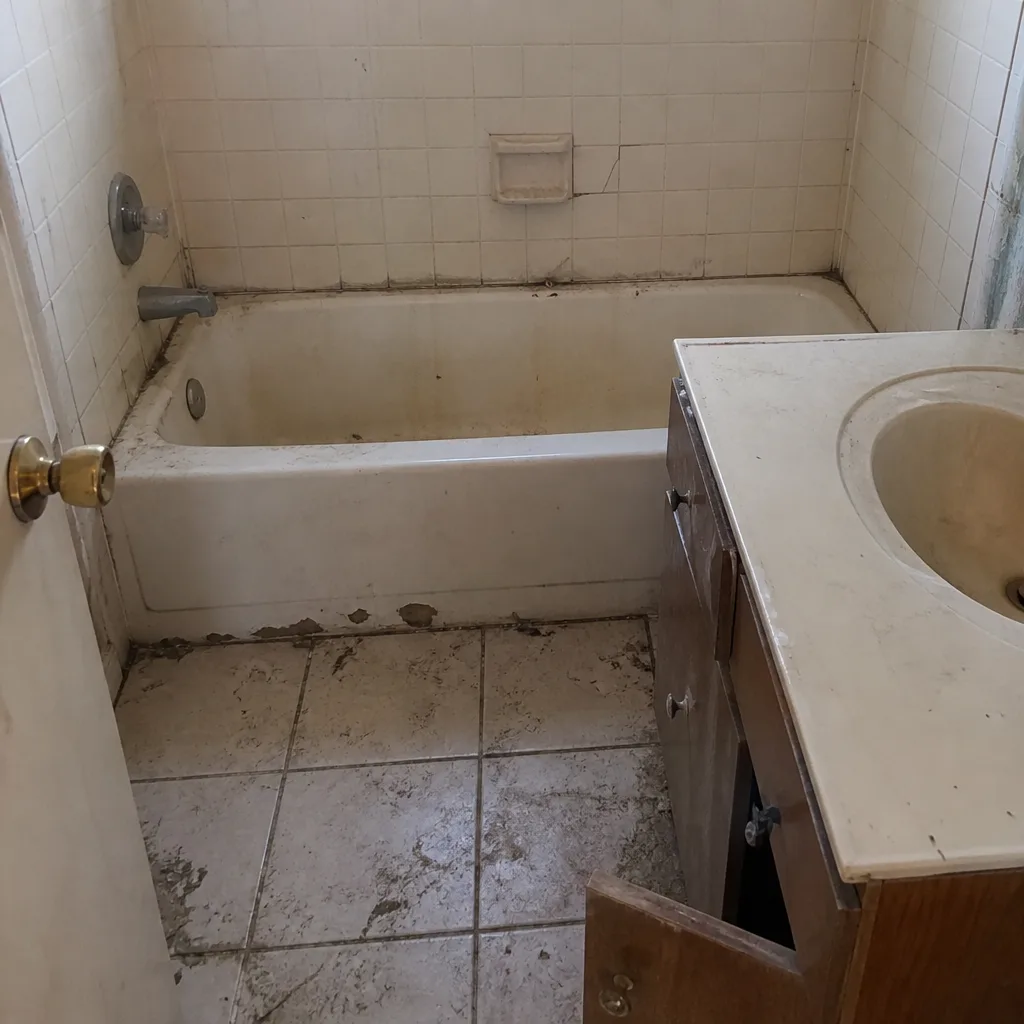 Before
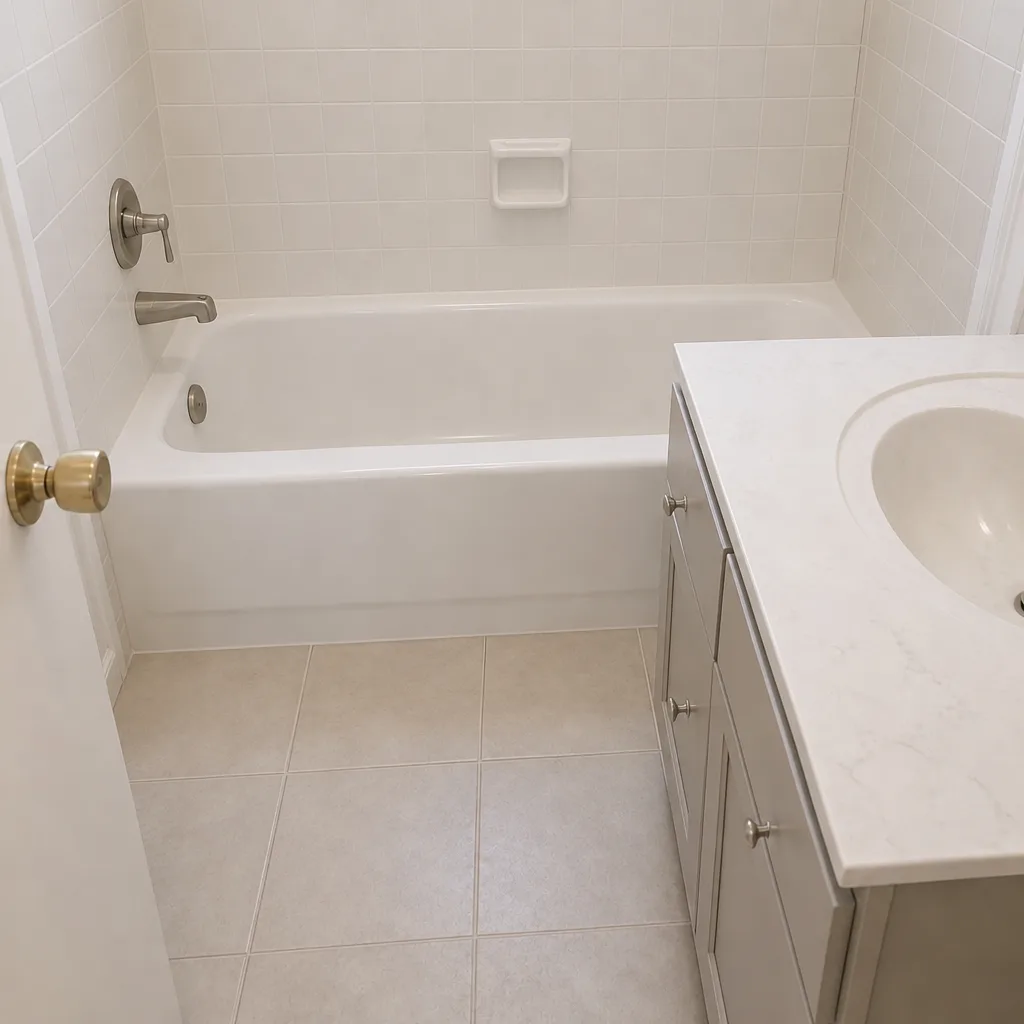 After
 Before
 After
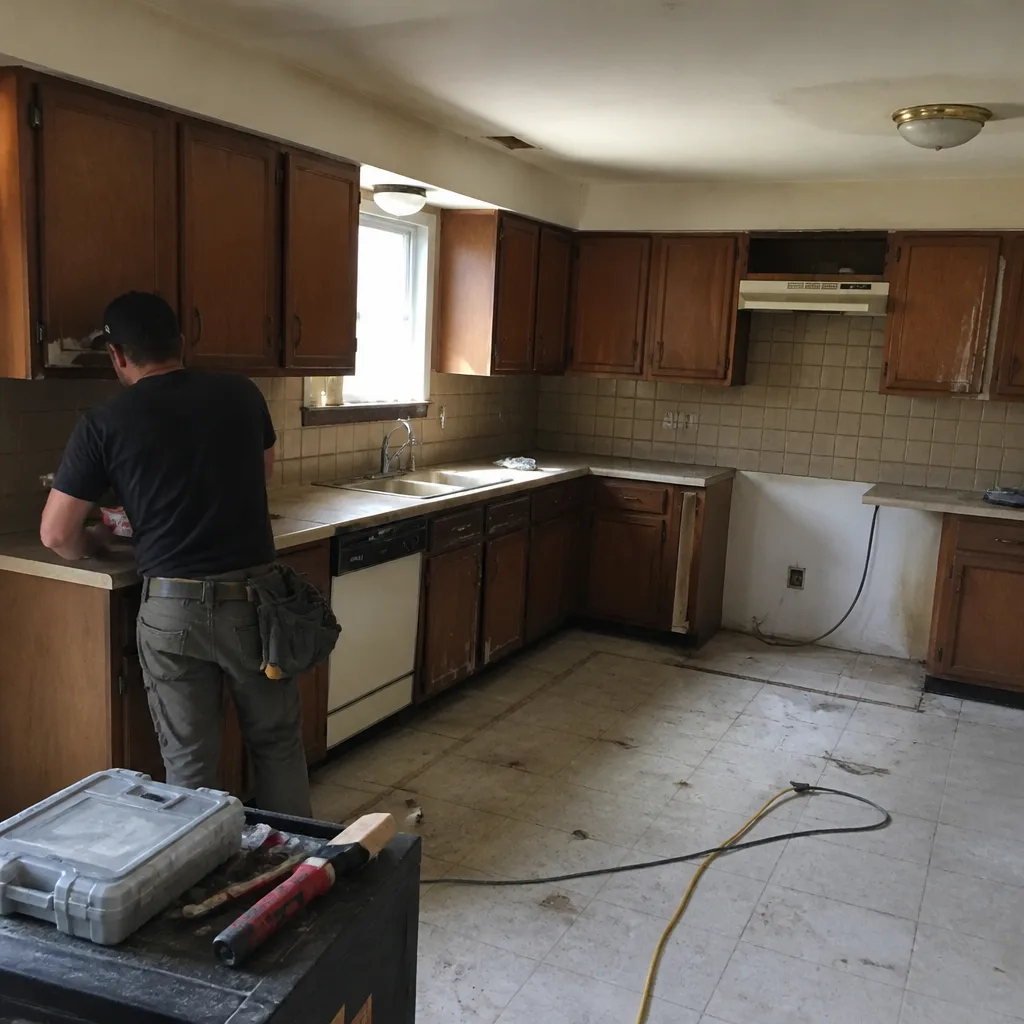 Before
 After
When to Call a Professional

Call a professional contractor for any fence project that involves a permit, a property-line dispute, a footing in caliche or clay, or a post hauling more wind load than a single panel should carry. That’s most fences in Enterprise. Call before the project begins if the bid you’re holding has no permit line, no utility locate date, no concrete spec, or no written warranty – those are the signs that will cost you the most money later.
Rowan Construction Group Enterprise offers free estimates in Enterprise – call (833) 630-4077. Background-checked, uniformed technicians arrive with a written price before any work starts, and every visit comes with a documented photo record. Our technicians have up to 19 years of experience, and our crews work under a written guarantee rather than a handshake.
Frequently Asked Questions
Confirm a valid Nevada State Contractors Board license number on the written contract and search that number on nscb.nv.gov before you pay any deposit. The search results show whether the license is active, what classifications it covers, and any disciplinary history. Match the business name on the contract to the name on the license – a mismatch is a red flag. If the contractor refuses to put the license number in writing, that’s your answer.
A missing permit line is the biggest warning sign, because it signals the contractor plans to skip the permit – which in Clark County leads to a stop-work order, fines, and a mandatory removal at the homeowner’s expense. The second is a vague material spec: “cedar” without a brand or SKU is a placeholder for whatever arrives on the truck. Both omissions are silent, and both cost real money. Call (833) 630-4077 if you want a written quote with every line item visible.
Post depth should be at least one-third the above-ground height – roughly 24 inches minimum on a six-foot fence, and closer to 30 inches on unsheltered runs with wind exposure. Clay-heavy soil and caliche in Enterprise make the footing detail matter even more, because the material around the concrete shifts with the seasons. The signed contract should state the depth in inches, not just “deep enough.”
Only if a change occurs, and only if the change order is signed before the work proceeds. A contractor who lacks a written change-order clause can add charges after the fact with no paper trail to stop them. Under Clause 1 of The Haven Standard, no work proceeds on a change until the change order is signed – the reason our projects finish within a few percent of the agreed price across 4,000-plus jobs. Call (833) 630-4077 for a written quote with the change-order clause already included.
Yes. Permit fees appear as a line item on the written quote, and the permit is pulled before any digging begins. Utility locate dates are confirmed against 811 records and documented in the proposal. That’s the difference between a fence that closes cleanly at resale and a fence that becomes a disclosure item.
It means nothing unless the contract states a specific year count, a definition of what counts as a defect, and the remedy you’ll receive. Ask for the warranty language in writing before you sign. Our equivalent is the 365-Day Done Right Promise: if it is not done right, we make it right, with terms printed on every page rather than left to a verbal handshake.
The Bottom Line

The most expensive fence mistakes in Enterprise are invisible on bid day. They live in the silences of a contract – no permit line, no concrete PSI, no material SKU, no enforceable warranty, no change-order clause. Read every proposal with the same discipline: what’s missing is what you’ll pay for later. Verify the license on the NSCB site, ask for the depth and the PSI in writing, and require a specific year count on the warranty. When you’re ready to compare numbers, we’ll put ours in writing before anyone picks up a shovel.
Call (833) 630-4077 for a free estimate on fence installation in Enterprise. Written price, written scope, and a documented photo record on every visit – the same standard across all seven of our trades.
Written by the team at Rowan Construction Group Enterprise.