Last updated November 18, 2026

Free written scope consultation - allowances, timeline, and change-order rules on paper before a single trade is scheduled
Home Additions & ADU Maintenance Schedule: What to Do and When
An addition or ADU doesn’t fall apart in a random pattern. It degrades in a predictable sequence, and that sequence is tied to material lifespans, sun exposure, and mechanical cycles you can actually plan around. The clearest example sits on the roof: a detached ADU with a low-slope or flat roof carries a membrane that holds 15 to 20 years only if it’s inspected and recoated roughly every five. Skip a single cycle and you can cut that lifespan in half and void the manufacturer’s warranty on the same day. This guide lays out a calendar-based maintenance schedule tuned to the Las Vegas Valley, with a dollar figure attached to every task so you can budget in Enterprise instead of guessing.
Quick Answer
Build your ADU or home addition maintenance around a fixed annual calendar: HVAC filter and coil service before summer (April), roof recoating and exterior seal checks before the monsoon (June – July), a post-monsoon envelope inspection in October, and weatherstripping and expansion-joint review each fall. Budget roughly $85 – $150 for the HVAC tune-up, $75 – $150 for the annual termite inspection Clark County’s risk zone makes non-negotiable, and $200 – $1,500 a year for elastomeric roof coating depending on whether you touch it up or have it done professionally. The point of the schedule isn’t busywork. It’s catching a $300 problem before it becomes a $6,000 one.
Styles & brands we work with
- Kitchen remodeling
- Bathroom remodeling
- Home additions & ADU
- Roofing
- Windows & doors
- Driveway & pavers
- Fence
Table of Contents
- Why an addition or ADU needs its own maintenance schedule
- The month-by-month maintenance calendar
- Roof membranes and recoating: the five-year cycle
- Mechanical systems inside the ADU: what wears and when
- Stucco, expansion joints, and monsoon damage
- Termite and pest inspection in Clark County’s risk zone
- The maintenance log that protects your warranty
- What the annual maintenance budget actually looks like
Why an addition or ADU needs its own maintenance schedule
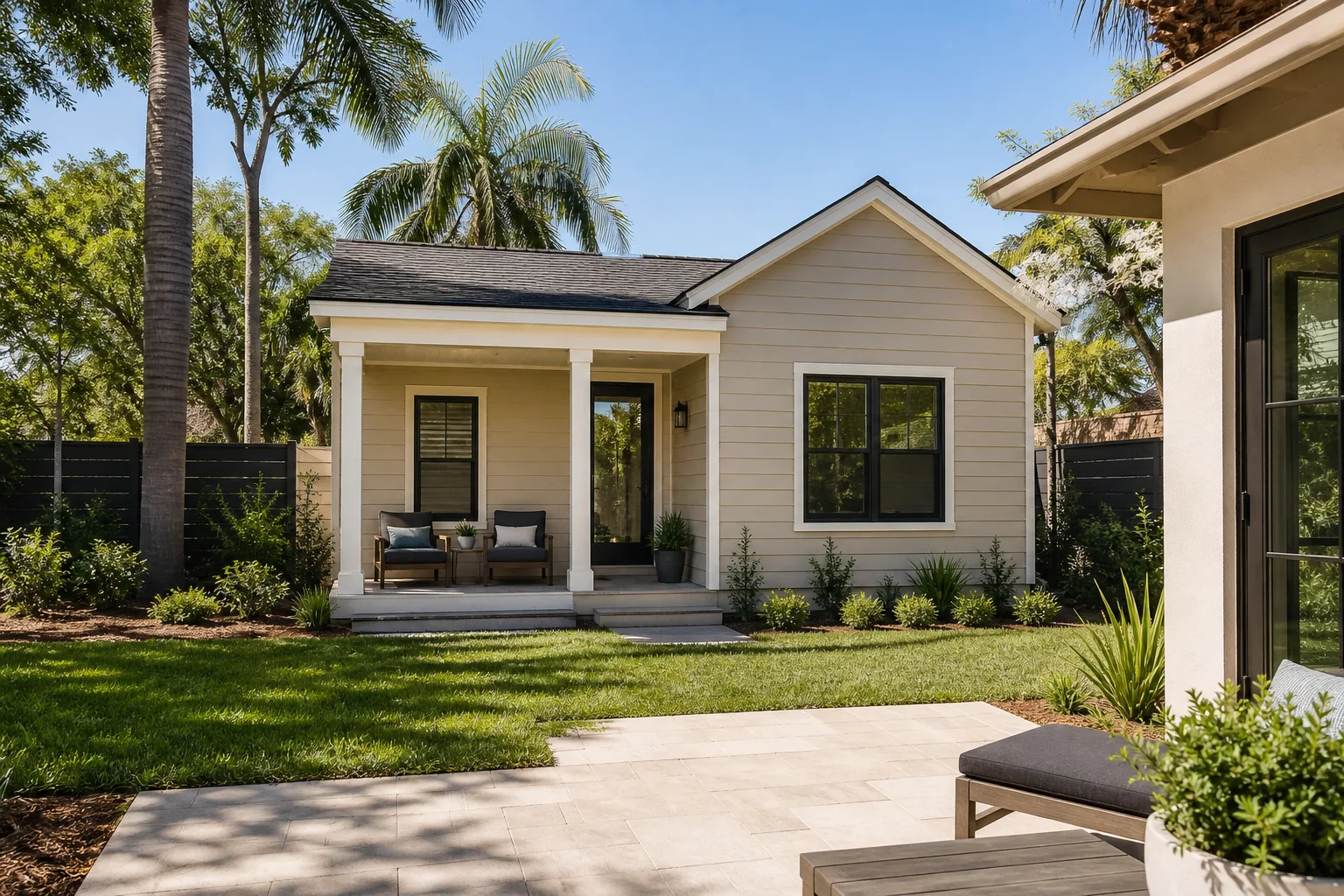
Your primary house and your detached ADU are the same building in name only. The house has a slope roof, deep eaves, and a slab that’s been settled for years. An ADU built out back in Enterprise often has a low-slope membrane roof, walls that take direct sun on three sides, a dedicated mini-split system nobody thinks to service, and a newer slab with a different thermal profile. Those differences mean the ADU hits its maintenance checkpoints on a shorter cycle than the main house.
Think of it as two buildings that age at different rates. The ADU’s lower slope lets water and debris linger longer. Its compact wall area means a single failed bit of sealant exposes more of the interior. Its mechanical system, sized for a small footprint, runs a higher load relative to its capacity, so a filter that’s fine in the main house can be choked by month eight in the ADU. If you schedule them as one, the ADU always lags, and it always costs more when you finally catch it.
We see this constantly in Enterprise. An ADU gets built to a high standard, the family moves a tenant in, and eighteen months later we’re looking at a stucco crack at an expansion joint that should have been checked at the twelve-month mark. The fix is small. The water damage behind it isn’t. For a fuller picture of how these structures are built and why they behave differently in the valley, our Home Additions & ADU in Enterprise page walks through the construction side.
The month-by-month maintenance calendar
This calendar is built for the Las Vegas Valley climate specifically. Desert heat and monsoon season dictate the timing, which is why April and October carry most of the weight. Copy this into your calendar and set a reminder for each block.
- April: HVAC pre-summer service. Replace or clean filters, have the mini-split’s coil inspected and cleaned, check refrigerant pressure. Cost: $85 – $150 professional, $20 – $40 for filters yourself. Doing this in April, before the first 100°F afternoon, means the system is running clean when it matters most.
- May: Roof and flashing walk. Look for membrane blisters, separated flashing, and cracks around penetrations. This is the dry-season inspection that sets up the recoating work.
- June – July: Elastomeric roof coating touch-up before monsoon. Coat any cracks or exposed membrane. DIY touch-up: $200 – $600. Full professional re-coat: $800 – $1,500.
- July – September: Monsoon season – monitor during storms. Watch for water staining at the ceiling perimeter, water pooling on the roof, or drips at the base of walls after a storm.
- October: Post-monsoon exterior envelope check. This is the big one. Walk the stucco for cracks, check every expansion joint, inspect flashing where the roof meets the walls, and look for ponding water. Document findings in writing and photograph them.
- October – November: Weatherstripping and door seal audit. High-UV desert environment destroys weatherstripping on a shorter cycle. Check every exterior door and window seal for cracking, compressibility, and gaps. Replace as needed.
- November: Annual termite inspection. Required by every lender and smart for any owner in Clark County’s termite risk zone. Cost: $75 – $150.
- January: Mechanical systems review. Tankless water heater descale (recommended annually by manufacturers), sub-panel breaker inspection, mini-split deep clean.
That’s the whole year. Eight checkpoints, each with a dollar figure, each a couple of hours at most. The discipline is showing up on the calendar rather than waiting for a problem to announce itself.
Roof membranes and recoating: the five-year cycle
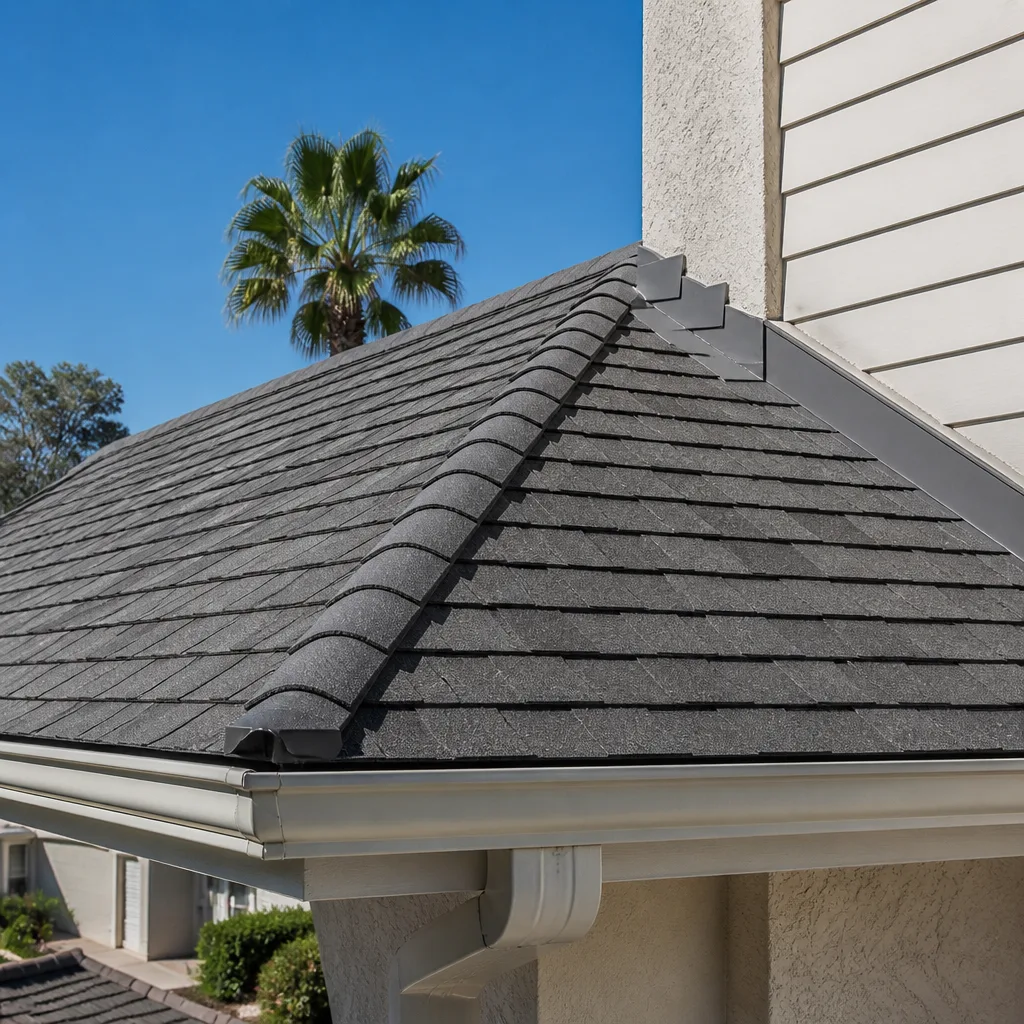
A detached ADU with a low-slope or flat roof almost always uses a rolled or spray-applied membrane system – TPO, EPDM, or modified bitumen are the common choices. Those membranes are rated for 15 to 20 years of service in a desert climate, but the rating assumes inspection and recoating on the manufacturer’s recommended interval. For most systems that interval is five years. Miss it once and you’re gambling with the warranty.
Here’s the counterintuitive part: skipping a recoating cycle doesn’t just add a year of wear. It accelerates failure. A membrane with a thin UV barrier gets micro-cracking, and once the barrier fails, the sun reaches the reinforcement scrim and the whole membrane layer goes faster. We’ve seen ADU roofs in Enterprise cut their service life in half from a single missed cycle.
What the five-year recoating cycle costs
- DIY touch-up (small cracks, exposed seams): $200 – $600 per cycle.
- Professional full recoating: $800 – $1,500 per cycle.
- Replacement after warranty void: $4,000 – $9,000 depending on square footage and membrane type, and every dollar of that is a failure of maintenance, not bad luck.
One piece of advice from anyone who’s spent time on these roofs: don’t try to patch a large membrane failure yourself. The repair has to bond to a clean substrate with correct primer and cure time, and a badly bonded patch lifts in the first monsoon and takes the surrounding material with it. Small cracks and seam checks you can handle. Actual membrane repair and full recoating are worth the professional dollars. For context on how roof work pairs with other exterior trades on a property, our Driveway & Pavers in Enterprise page covers the ground-level side.
Mechanical systems inside the ADU: what wears and when
The mechanical systems in an ADU are smaller than the main house’s but they run harder. Investigate each one on its own interval. Deferred service on any of them shortens life and, in the case of the tankless heater, can void the manufacturer warranty outright.
Dedicated mini-split units
Most ADUs use a mini-split for heating and cooling because ducted systems are hard to fit and wasteful for a small footprint. Manufacturers recommend a filter clean every four to six weeks during heavy use, a coil inspection annually, and a full professional service every two years. A clogged filter is the single most common failure cause, and it’s also the cheapest fix. Clean them in April and again mid-summer.
Tankless water heaters
Tankless units require annual descaling, particularly in our water, which runs hard. Manufacturers list this as a condition of warranty. Skip two years of descaling and you’ll see reduced flow and short-cycling; skip three and the heat exchanger is at risk. Annual descale runs $150 – $250 professionally or about $30 in supplies if you’re comfortable with the process. If you ever chose a Rowan Construction Group Enterprise home addition, the mechanical spec will tell you exactly which unit you have and what the manufacturer recommends.
Sub-panel breakers
An ADU has its own sub-panel. Have an electrician walk it annually as part of the service visit, check for heat discoloration at the breakers, and torque connections. Breakers that trip repeatedly are telling you something is wrong. Don’t reset and forget.
Stucco, expansion joints, and monsoon damage
Stucco-clad additions in extreme heat require expansion joint inspection, full stop. Clark County’s summers routinely push past 110°F, and masonry-adjacent structures move measurably with thermal expansion and contraction. Inside those joints is a sealant designed to absorb the movement. When the sealant fails, the joint opens, water gets behind the stucco, and you have the leading cause of interior water intrusion on additions in this valley.
The October post-monsoon check is where you catch this. Look for:
- Visible cracking along the sealant line at each expansion joint
- Sealant that has pulled away from one or both sides of the joint
- Dark staining or efflorescence near joints and around window frames
- Interior staining at the ceiling perimeter or above windows
- Flashing separated from the wall where the roof meets it (common after a fast monsoon wind event)
Failed joints are a maintenance issue, not a construction defect, which is why no warranty covers them forever. The 365-Day Done Right Promise covers the work itself, so if a joint fails within that year due to installation, we make it right under the Haven Standard. After that, the sealant is yours to inspect and replace on schedule. A proactive joint reseal runs $200 – $500 for a typical ADU. Ignoring it for a few seasons can mean $3,000+ in stucco and interior repairs.
Termite and pest inspection in Clark County’s risk zone
Clark County is a termite risk zone, which is why virtually every mortgage lender requires a termite inspection at purchase. The requirement should extend to annual maintenance too. Subterranean termites in this region are active year-round, and an ADU sits on a separate slab with its own vulnerable entry points – the framing around door openings, any wood-to-ground contact, and the base of stucco walls.
Annual inspection costs $75 – $150. A termite treatment after a found infestation runs $1,200 – $3,000 or more, and the damage repair is on top of that. There’s no question which number belongs in any sensible maintenance budget.
Pair the termite inspection with a broader pest review. Rodents and roof rats get into ADU attic spaces through surprisingly small gaps, and a slipped roof vent screen is all it takes. A weatherstripping audit in October catches many of those entry points before you have a problem. For fence lines that often serve as termite highways, our Fence Installation in Enterprise page has useful detail on materials and detection points.
The maintenance log that protects your warranty
Almost every warranty claim – roof membrane, tankless heater, mini-split – hinges on documented service. Without a log, you’re arguing your case with your memory. With a log, you’re handing over a dated sheet that says exactly what was done and when. That’s the difference between a paid claim and a denied one.
Keep the log simple. It doesn’t need an app. A notebook or a shared spreadsheet with these columns is enough:
- Date of service. Exact date, not “spring.”
- Task performed. Filter change, coil clean, roof recoating, termite inspection, joint reseal, etc.
- Findings in plain language. “Membrane blister at NE corner, approx 4 inches” reads better than “roof ok” when a warranty claim arises three years later.
- Photographs. Before and after for anything repaired. Every visit from a Rowan crew includes a documented photo record as a standard deliverable, so you’ll have this material to file.
- Contractor name and invoice number. Full name, so a future claim can trace the service trail.
- Parts and brand names. “Cambria” or “GAF” or “PGT window” on the sheet tells a warranty administrator which system was affected. Brands like Boral, PGT, CGI, and CWS come with service requirements that vary – documenting which you have is essential.
- Next service due date. Write it on the line so the cycle schedules itself.
The log is also the thing that makes your ADU more sellable. When a buyer’s inspector sees ten years of dated maintenance, the report reads very differently than one where the last owner shrugs.
What the annual maintenance budget actually looks like
Here’s the total. This is roughly what a well-maintained ADU in Enterprise should cost to keep on schedule year after year:
| Task | Frequency | Annual cost |
|---|---|---|
| HVAC filter and coil service | Twice a year | $85 – $150 |
| Termite inspection | Annual | $75 – $150 |
| Tankless water heater descale | Annual | $150 – $250 |
| Weatherstripping audit and replacement | Annual | $50 – $150 |
| Expansion joint and stucco inspection | Annual (walk), reseal as needed | $200 – $500 every 2 – 3 years |
| Roof membrane recoating | Every 5 years | $800 – $1,500 each cycle |
| Sub-panel electrical walk | Annual (bundled) | $100 – $200 |
The steady-state annual budget lands somewhere around $600 – $1,000, with the roof cycle averaging another $200 – $300 per year. Call it $800 – $1,300 a year for a well-maintained ADU. The catastrophic alternative – roof replacement, water intrusion repair, termite damage, HVAC replacement all in one year – runs $15,000 – $30,000. The schedule pays for itself multiple times over.
Common Mistakes to Avoid
- Skipping the roof recoating cycle by one year. One missed cycle can void the manufacturer warranty and halve the membrane’s service life. The dollar math never works in your favor, and we see it happen repeatedly on detached ADUs in Enterprise.
- Cleaning the mini-split filter once a year. In our climate, a filter that’s cleaned once will be fully clogged by late summer. Clean it in April and again mid-summer at minimum, and the equipment will last its rated life instead of failing early.
- Treating the post-monsoon inspection as optional. Monsoon wind and rain expose every flashing weakness and joint failure on the property. The October inspection is the single most valuable check in the year, and skipping it because nothing “looked wrong” is exactly when the water gets behind the stucco.
- Assuming the ADU maintenance calendar matches the main house. The two structures carry different roofs, different mechanical systems, and different exposure. Give the ADU its own schedule or it will always lag behind.
- Not descaling the tankless water heater annually. Manufacturers list it as a warranty condition. Skip two years and you may find yourself paying for a heat exchanger out of pocket with no recourse.
- Keeping no written record. A warranty claim without a maintenance log is a negotiation you’ll lose. The log costs nothing and saves thousands.
- Ignoring a small termite sign because it “looked old.” Subterranean termites in Clark County are active year-round. An annual inspection is required at purchase and useful at every point in between.
See the difference
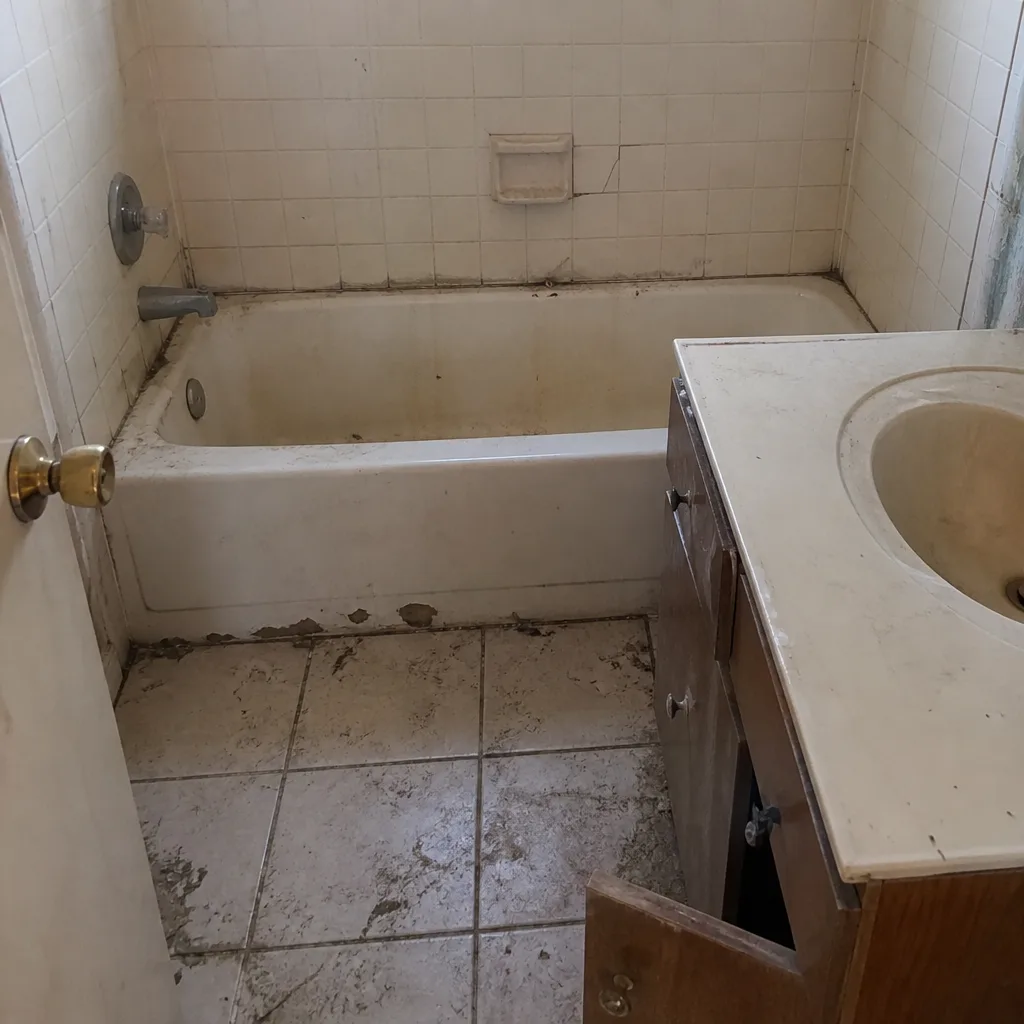 Before
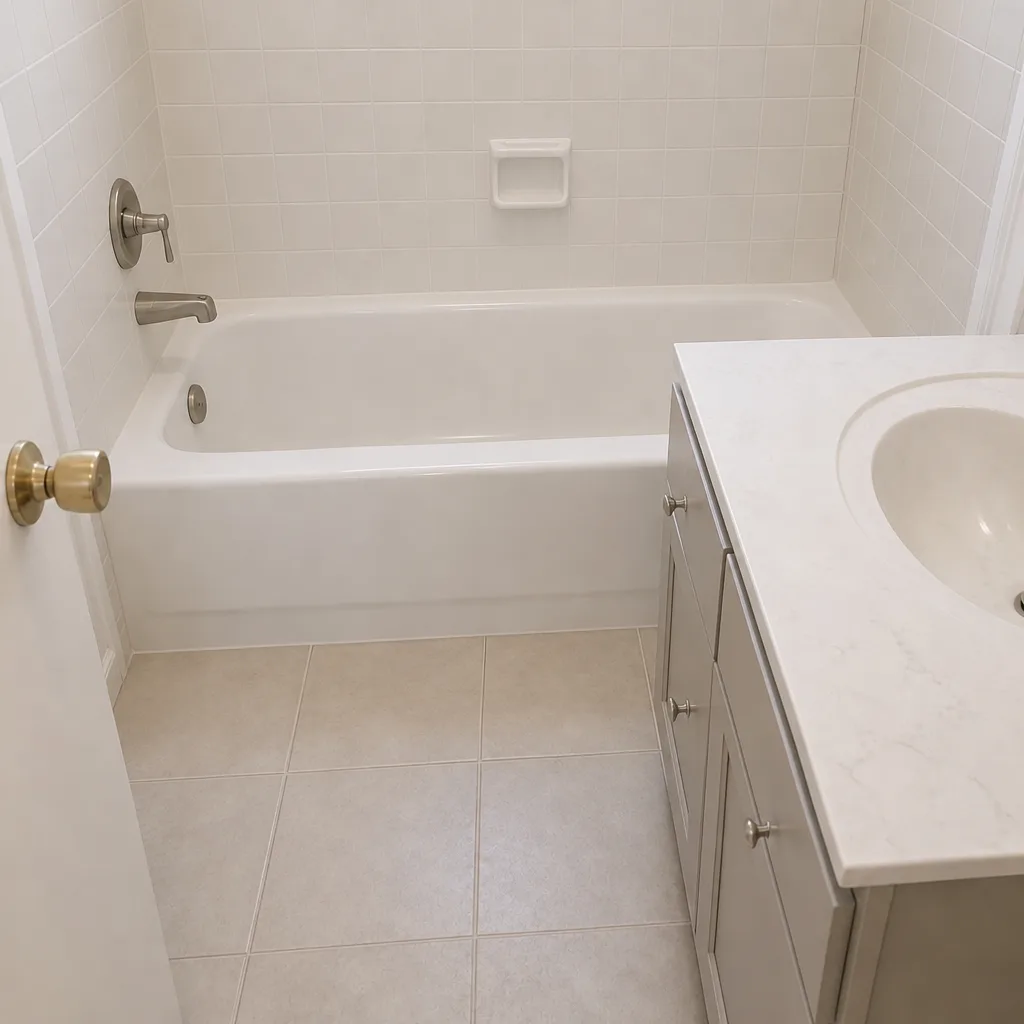 After
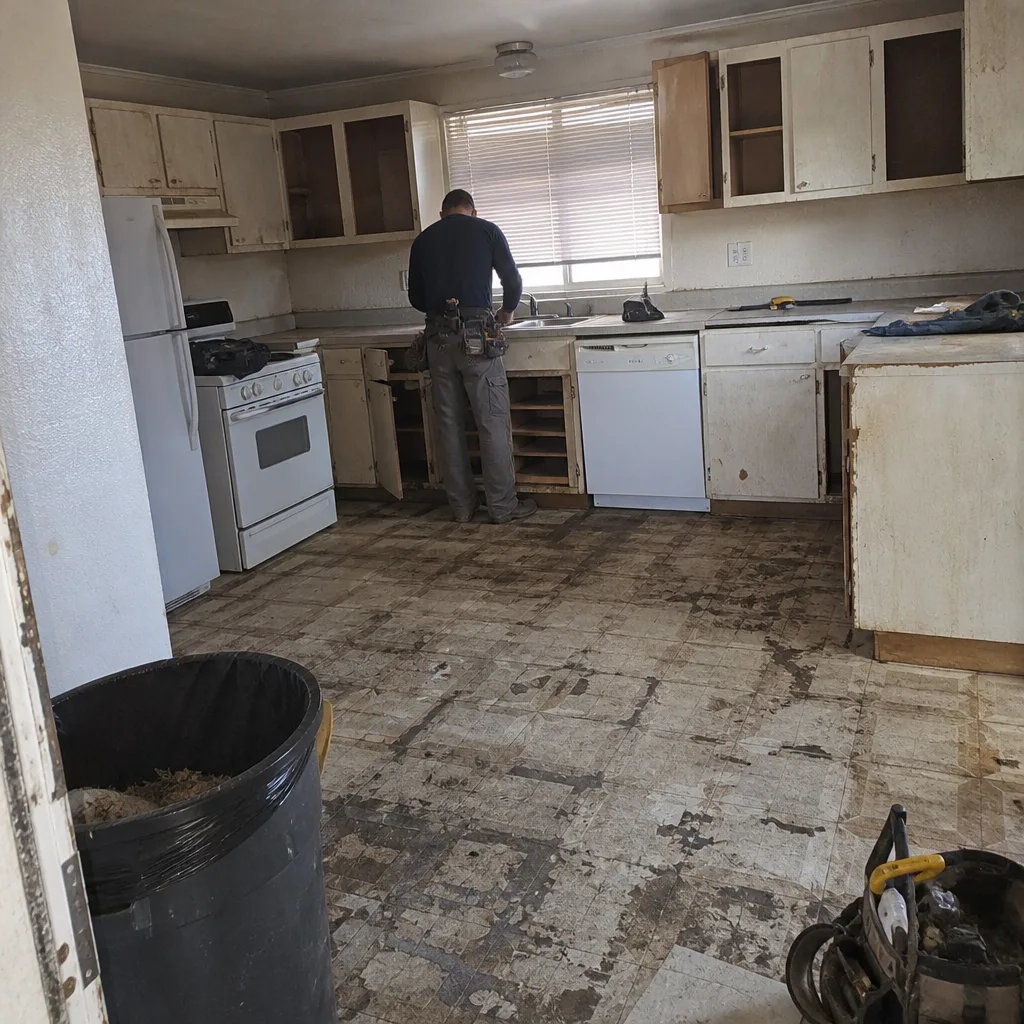 Before
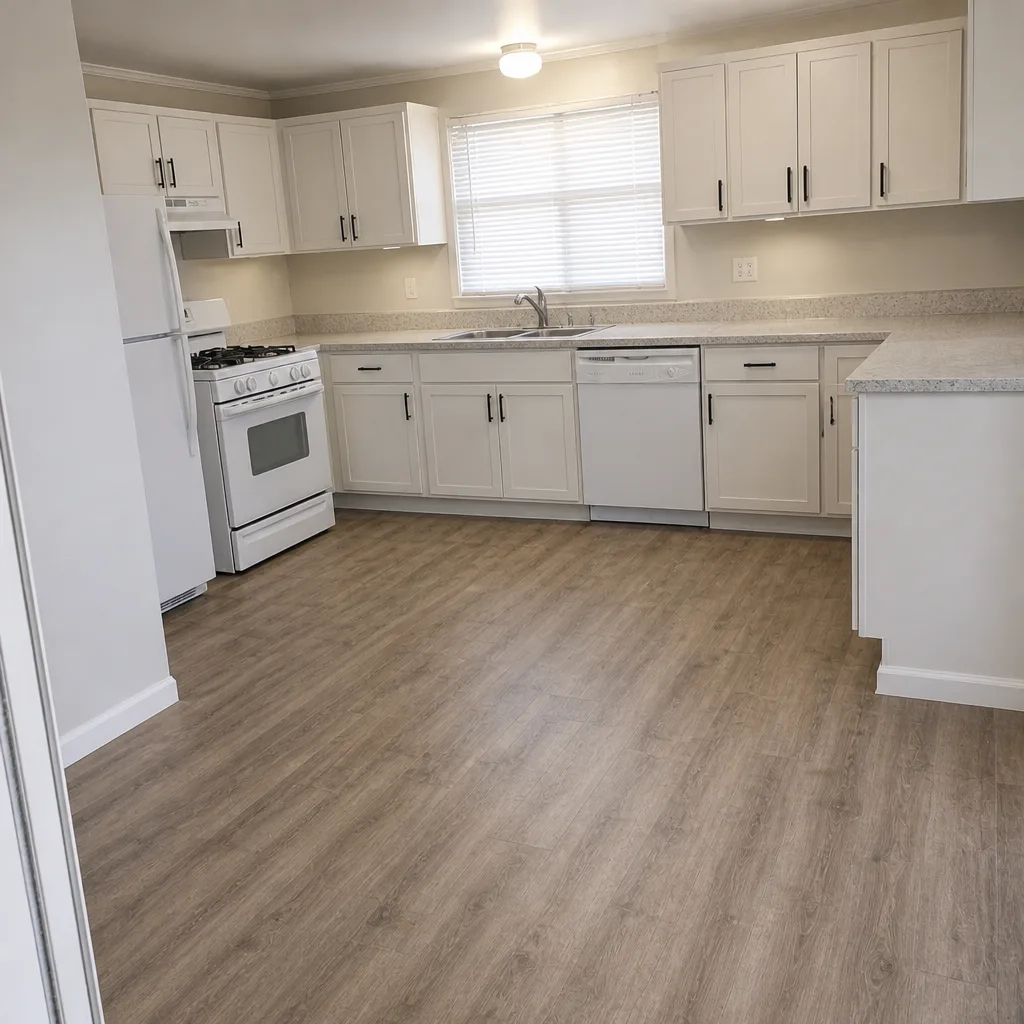 After
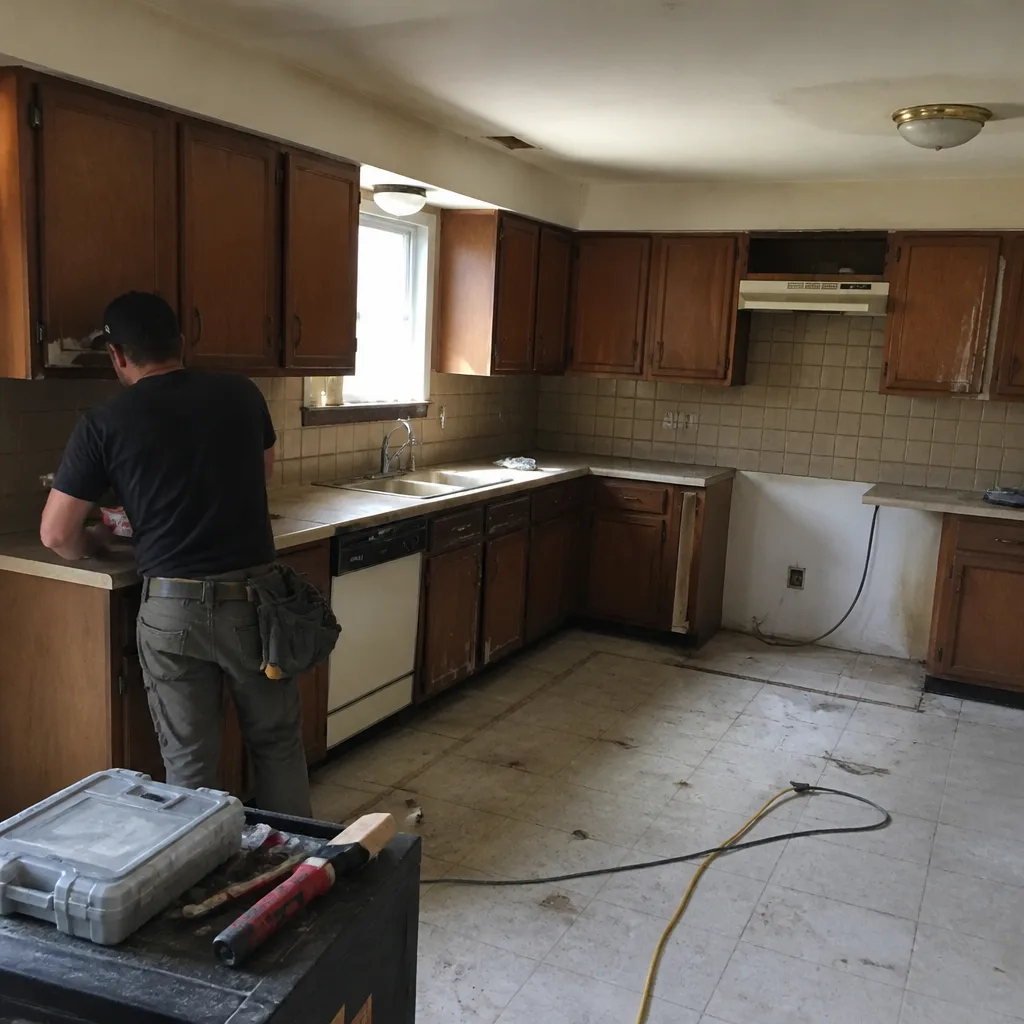 Before
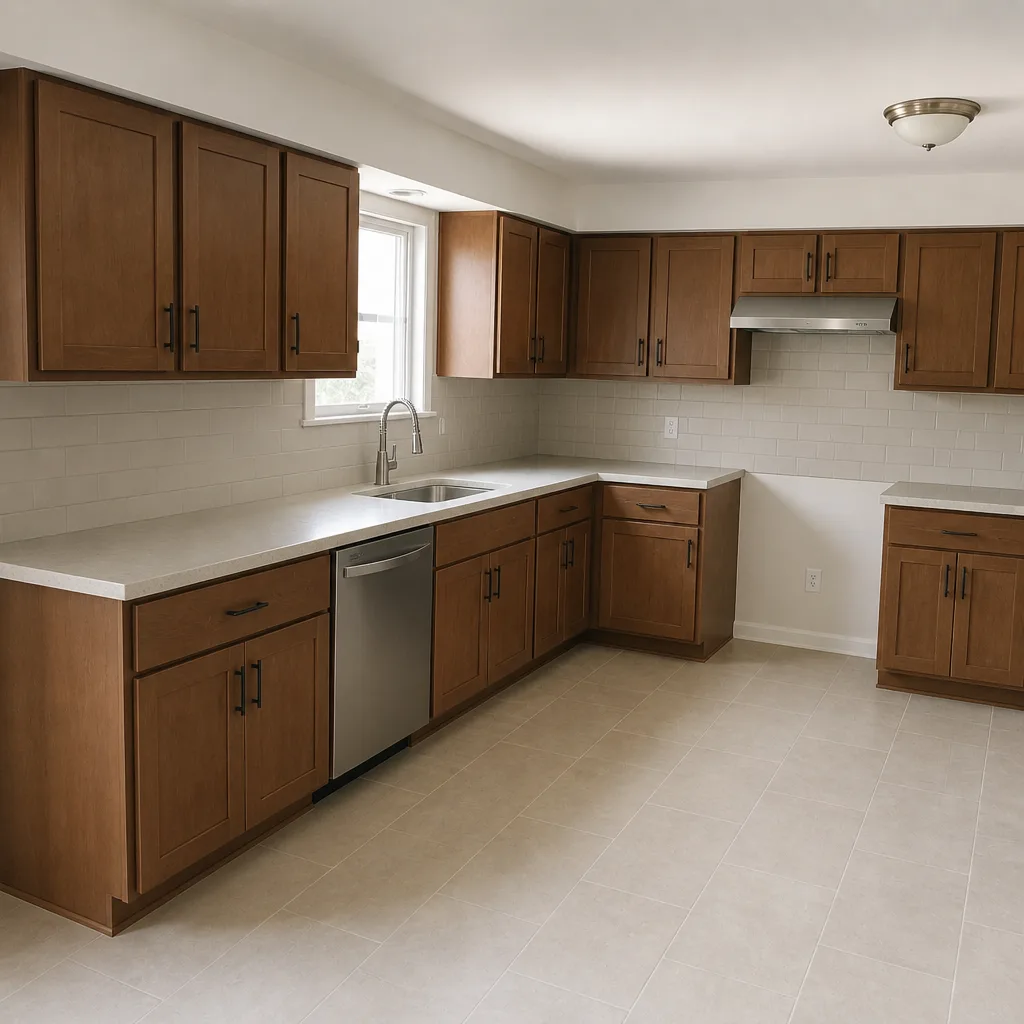 After
When to Call a Professional
Some tasks belong on your own calendar. Others belong to a licensed professional, and the risk of doing them yourself runs from expensive to dangerous. Call a professional for any full roof membrane recoating or repair, any work at the electrical sub-panel, any tankless water heater descale you’re not completely comfortable with, and any stucco or expansion joint repair where water has already gotten behind the wall. Same goes for anything involving the roof at height during summer heat. We’re experienced on these systems – our technicians have up to 19 years of experience – but even experienced homeowners shouldn’t be on an ADU roof in July.
Rowan Construction Group Enterprise offers free estimates in Enterprise and the surrounding valley. Call (833) 630-4077. We’ll deliver a written price before any work starts, walking you through every line item, and you keep the photo record of the visit as a standard deliverable – the documentation your own maintenance log has been waiting for.
Frequently Asked Questions
Plan on $800 – $1,300 per year for a well-maintained detached ADU in Enterprise, covering HVAC service, termite inspection, tankless descale, weatherstripping, and the amortized roof recoating cycle. The figure excludes one-off repairs; add a reserve of $1,000 – $2,000 for unplanned items every few years. Call (833) 630-4077 for a free estimate on any specific task.
Every five years, without exception, for most low-slope membrane systems. Skipping a cycle can void the manufacturer warranty and halve the membrane’s 15-to-20-year lifespan. Professional recoating runs $800 – $1,500; DIY touch-up runs $200 – $600. Call (833) 630-4077 for a written quote before your next cycle comes due.
Annual descaling, per the manufacturer’s warranty terms, because our water is hard enough to shorten the heat exchanger’s life noticeably. Professional descale runs $150 – $250; DIY supplies run about $30. Call for a written quote if you’d like a step-by-step breakdown of what’s involved.
Yes. Clark County is a termite risk zone, termites are active year-round here, and an annual inspection costs only $75 – $150. A treatment after an infestation runs $1,200 – $3,000 before damage repair. Schedule it and keep the report in your maintenance log.
Failed expansion joints in stucco walls, every time. Clark County’s 110°F-plus summers move masonry-adjacent structures measurably, and the joint sealant is the component that gives first. A proactive reseal runs $200 – $500; ignored joint failure means $3,000-plus in stucco and interior repair. Call (833) 630-4077 if you suspect a failure.
Yes. Any repair that triggers a permit, Rowan pulls it and passes inspection before closeout. You’ll get the written scope and a written warranty. Call for a free second opinion on any written estimate you already have – we review it line by line at no charge.
The Bottom Line
An ADU or home addition in Enterprise doesn’t need heroic maintenance. It needs a calendar. Eight checkpoints a year, $800 – $1,300 in steady-state cost, and a written log that protects every warranty you’ve paid for. The roof membrane cycle, the April HVAC service, the October envelope inspection, and the annual termite check carry most of the weight. Catch those and the cost stays in the hundreds. Miss them and the costs jump to the tens of thousands. Every visit Rowan Construction Group Enterprise makes includes the photo record you need to keep the log current, and every project starts with a written price. Call (833) 630-4077 to schedule a free estimate and walk through your schedule with us.
Written by the team at Rowan Construction Group Enterprise.