Last updated November 18, 2026


Free written scope consultation - allowances, timeline, and change-order rules on paper before a single trade is scheduled
Home Additions & ADU Warning Signs Every Homeowner Should Know
The most common ADU cost overrun in Clark County isn’t a surprise. It’s a permit fee, an NV Energy service upgrade, or a soils report the contractor knew about and didn’t include in the number they put in front of you. We’ve reviewed enough written estimates from Enterprise homeowners to see the pattern repeat: the bid looks complete, the price looks reasonable, and then $30,000 to $60,000 appears mid-project as “unforeseen.” This guide shows you exactly which line items a complete addition or ADU bid must contain, how to spot an allowance trap, and what Nevada-specific license and insurance checks to run before anyone picks up a shovel. Read it before you sign anything.
Quick Answer
A complete home addition or ADU bid in Enterprise must itemize design and engineering fees, permit and plan-check fees broken out by trade, impact and utility connection fees, geotechnical testing, site work, foundation type and depth, framing grade, insulation R-value, window brand and U-factor, roofing manufacturer, MEP rough-in and finish, drywall, interior allowances, and landscaping restoration. A bid that skips any of these, or replaces hard scope with vague dollar allowances, transfers the budget risk to you. The fastest red flag to catch is the missing soils report on a site with known expansive clay soil, which is common across much of the Enterprise area.
Styles & brands we work with
- Kitchen remodeling
- Bathroom remodeling
- Home additions & ADU
- Roofing
- Windows & doors
- Driveway & pavers
- Fence
Table of Contents
- The Complete Line-Item Checklist for an ADU or Addition Bid
- The Allowance Trap: How Budget Risk Gets Handed to You
- Nevada License and Insurance Checks Before You Sign
- The Unsigned Change Order Pattern
- Physical Red Flags During Early Construction
- Comparing Bids Side by Side: A Method
- Common Mistakes to Avoid
- When to Call a Professional
The Complete Line-Item Checklist for an ADU or Addition Bid
A bid that can’t be read line by line can’t be compared, and it can’t be enforced. We ask Enterprise homeowners to hold every estimate against the same master list. If a line is missing, that cost still exists, it just isn’t in the number you’re about to sign. These are the items that should appear in writing before work starts.
- Design and engineering fees. Architectural drawings, structural calcs, and title-24 energy compliance documentation. A separate line, not bundled into “design-build.”
- Permit fees, broken out by trade. Building, electrical, plumbing, and mechanical permits can carry different fees and different inspection schedules. A single lump “permits” line hides which trades were actually pulled.
- Plan check fees. Clark County charges plan review separately from the permit issuance. This should be its own line.
- Impact fees and utility connection fees. Sewer, water, and NV Energy connection charges for a new dwelling unit. These often aren’t cheap and they aren’t optional.
- Geotechnical report. If the site has expansive soils, the report is a hard requirement, not a maybe.
- Temporary power and site utilities. Temporary pole, site water, and port-a-john costs for the duration of the build.
- Site work and grading. Demolition, clearing, grading, and any retaining that the grading plan requires.
- Foundation type and depth. Slab-on-grade, stem wall, or post-tensioned. The depth matters on expansive soil.
- Framing, specified to species and grade. “Lumber” is not a spec. “Douglas fir, #2 grade, 2×6 studs at 16 inches on center” is.
- Insulation R-value. Wall, ceiling, and floor values stated numerically.
- Window brand and U-factor. A brand name and a U-factor number, not “energy-efficient windows.”
- Exterior finish system. Stucco, siding, or panel with brand named, plus the weep screed at the base of the wall.
- Roofing material with manufacturer name. A GAF, CertainTeed, Owens Corning, or IKO system, named, with underlayment spec.
- MEP rough-in and finish. Electrical rough-in, plumbing rough-in, and HVAC, each broken out for rough and finish.
- Drywall and interior finish. Hang, tape, texture, prime, and paint as separate items.
- Interior allowances. Tile, fixtures, cabinetry, and flooring, each with a clearly stated dollar amount and a stated assumption about what that buys.
- Landscaping restoration. What’s torn out and what’s put back.
If your estimate is short on these, the gap isn’t a rounding error. It’s the overrun you’ll be paying for later. Our Home Additions & ADU in Enterprise page lists each of these as separate lines, with the price attached before the contract is signed.
The Allowance Trap: How Budget Risk Gets Handed to You
An allowance is a placeholder dollar amount in a bid for a material the homeowner hasn’t chosen yet. It sounds reasonable. It’s how contractors push the cost of your choices back onto you after the price is agreed. A $2,000 tile allowance on a 200-square-foot bathroom floor will be short by $500 to $1,500 for any mid-grade porcelain once you include thin-set, grout, and waste factor. That shortfall is a change order waiting to happen.
Allowances aren’t automatically dishonest. The problem is the size of the number and whether the bid tells you what it buys. A $2,000 tile allowance that assumes $2 per square foot is a real number. A $2,000 tile allowance that doesn’t say what it buys is a lever.
What to look for:
- Every allowance has a stated square footage or unit count. “$3,500 for 120 sq ft of cabinetry” is checkable. “$3,500 for cabinets” is not.
- The bid names a brand or a grade. KraftMaid and Wellborn cabinets are a different freight than “cabinets.” Cambria and Caesarstone countertops are a different number than “quartz.”
- There’s a written rule for overages. If the allowance runs over, does the contractor mark up the difference? By how much? That should be in writing.
- Fixture allowances list the actual brands being sized for. Kohler and Toto fixtures carry different numbers than “standard fixtures.”
When we write estimates, the allowance is a number with a scope, so the homeowner can see exactly what that dollar buys and decide if they want to raise it before the contract, not after. Under Clause 1 of The Haven Standard, the price is written before anyone starts, and that includes allowance assumptions.
Nevada License and Insurance Checks Before You Sign
Three documents to verify before you sign an ADU or addition contract in Nevada. None of them take more than ten minutes.
- Nevada State Contractors Board license lookup. The NSCB maintains a searchable license record at nscb.nv.gov. Search the contractor by name or license number. Check the license classification, the status, and whether there’s a disciplinary history. A license that’s suspended or expired shows up in that lookup, and any contractor who can’t or won’t provide the number is telling you something.
- Workers’ compensation certificate. Under NRS 616B, any contractor with one or more employees is required to carry workers’ compensation coverage. Ask for the certificate. If the contractor operates as a sole proprietor with no employees, the rule is different, but the conversation should still happen. If a crew member is injured on your property with no coverage in place, that claim can land on your homeowner’s policy.
- General liability certificate naming you as additional insured. The certificate is a one-page document from the contractor’s insurer. Getting added as an additional insured on the project means if there’s damage to your home or a claim arising from the work, your homeowner’s policy isn’t the first responder.
We supply all three documents before any crew arrives in Enterprise, and the background check and uniform standard applies to every member of the crew, not just the lead. For an addition or ADU, the crew size is larger than a repair job, so verify every person who’ll be on-site, not just the one who shook your hand.
The Unsigned Change Order Pattern
A contractor who starts work on verbal approvals for scope changes is building a dispute. It’s not a small administrative shortcut, it’s a decision to operate without a written record of what was agreed. Nevada’s contractor regulations expect written change orders for additions and scope changes, and any builder who resists that discipline is telling you how the project will end: with a list of line items you don’t recognize, priced without you, and collected after the fact.
What that looks like in practice:
- The homeowner asks for an extra window or a different countertop. The contractor says “no problem, we’ll square up at the end.” Work proceeds. No document exists.
- Two months later, the invoice arrives with a change line item that’s larger than the homeowner expected, and there’s no agreed price to compare it against.
- The homeowner objects. The contractor points to the completed work. The homeowner points to a verbal conversation. The dispute has no referee.
Our Rowan Construction Group Enterprise home page describes the discipline the other way around: no work proceeds on a change until the change order is signed. That single habit is the reason we can say that projects finish within a few percent of the number the customer agreed to. Not because we’re better estimators than anyone else. Because the changes are on paper before the tools come out.
If you’re reviewing a competitor’s estimate and want a second set of eyes on the change-order language, we’ll go through it line by line at no charge. That’s a standing offer, not a sales pitch.
Physical Red Flags During Early Construction
You’re not the inspector. But you are the person most often on-site, and a few physical red flags are visible from the sidewalk or through a window in the first three weeks of construction. Call them out early. They’re easier to fix before the concrete sets and the drywall goes up.
- Foundation forms set without a licensed engineer’s review on expansive soil. Much of the Enterprise area sits on soils with shrink-swell behavior. A form-and-pour foundation on those soils without a geotechnical report and an engineer’s foundation design is a settlement problem waiting to happen. Ask to see both documents.
- Rough framing without blocking at shear wall locations. Shear walls are the walls that resist lateral loads from wind and earthquake, and they only work if the framing is correctly blocked and nailed per the structural plans. Blocks in the wrong place, or missing, means the shear wall doesn’t perform. Look at the wall before drywall goes on, and ask to see the nailing schedule.
- Plumbing rough-in with non-schedule-40 PVC on a buried drain, waste, and vent (DWV) line. Schedule 40 is the minimum wall thickness for DWV in most buried applications. Thinner Schedule 20 or a non-approved pipe under a slab is a future leak, and it’s a re-pipe, not a repair. Look at the pipe markings before the slab is poured.
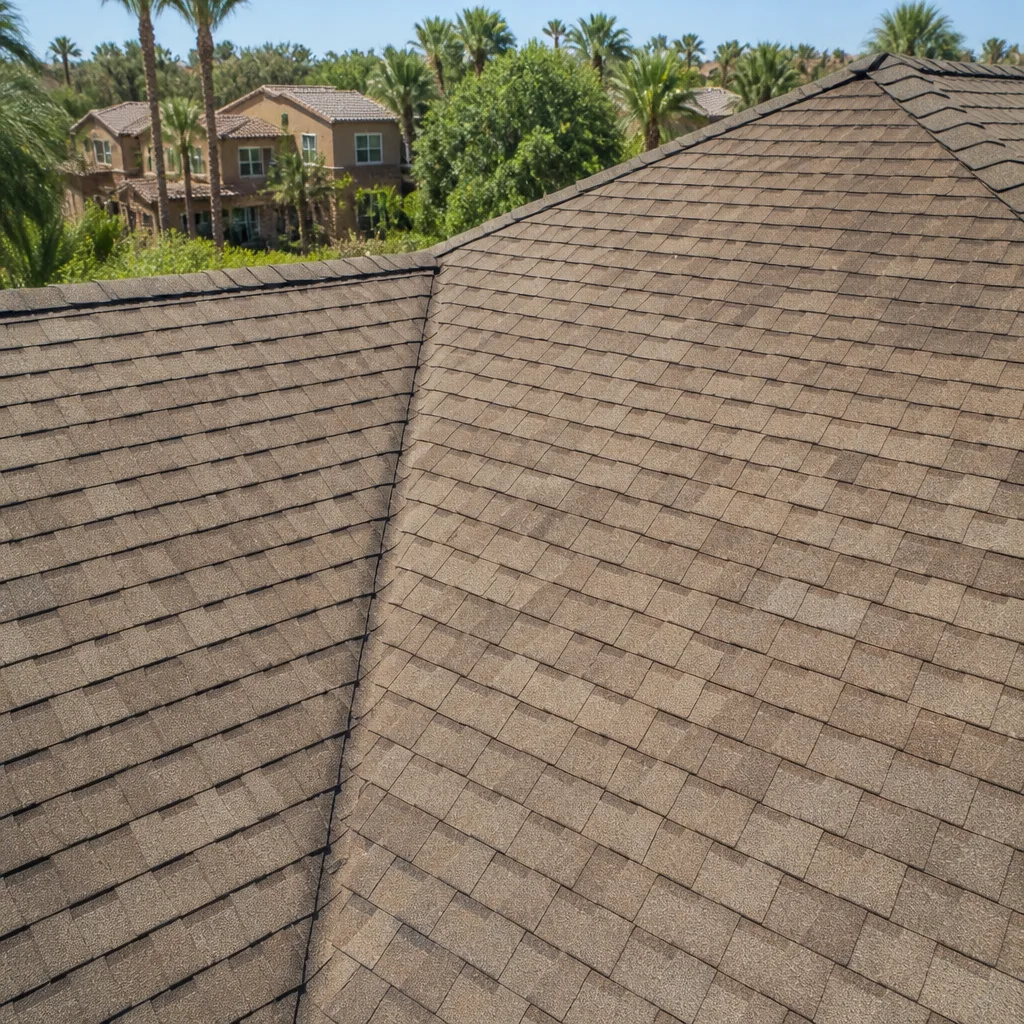
- Roof underlayment not installed before the roofing material. It’s a detail that governs how the roof performs in the intense UV and monsoon rain in Enterprise. If the roofers are laying shingles before the underlayment is fully rolled out, call it out. A GAF, CertainTeed, Owens Corning, or IKO system has a manufacturer-specified underlayment, and skipping it can void the warranty.
If you want another set of eyes, we’ll walk the site with you. The photo record is a standard deliverable on every visit: you leave with evidence of what was found, not just a handshake.
Comparing Bids Side by Side: A Method
The problem with comparing two ADU bids side by side is that they rarely contain the same items. The lower bid often looks lower because it’s missing scope, not because it’s cheaper. Here’s the method we suggest:
- Print both bids. Real paper. Side by side, on a table.
- Lay the line-item checklist from earlier in this guide on top. Check off every line each bid contains.
- Count the missing lines on the cheaper bid. Those costs still exist. Add a reasonable estimate for each, based on what the more complete bid shows for the same item.
- Recalculate the total. The number that started lower is frequently higher once the missing items are added back.
- Check the allowance language in both. Whose allowances are scoped and whose are blank checks?
- Check the change-order language in both. Whose contract requires a signed change order before any change proceeds?
- Check the license and insurance documents in both. Whose packet contains the NSCB license, the workers’ comp certificate, and the general liability certificate naming you as additional insured?
This is the review we perform on a competitor’s quote through the free second-opinion offer. Bring both bids, and we’ll go through the checklist with you in the Enterprise area and let the numbers speak.
Common Mistakes to Avoid
- Signing a bid that doesn’t break permit fees out by trade. Electrical, plumbing, and mechanical permits carry different fees and inspections, and a single “permits” line hides which trades were pulled. In Enterprise, electrical permit fees for a new ADU often differ substantially from the plumbing line.
- Accepting an oversized allowance without a scope. A $5,000 allowance for tile may sound generous until you price 200 sq ft of mid-grade porcelain with Schluter trim and see the shortfall. Size the allowance to the actual room, not to a round number.
- Skipping the workers’ comp verification because the crew size looks small. NRS 616B requires the certificate for any crew of one or more employees, and the size of the crew on a given day doesn’t tell you whether the contractor carries it. Ask for the document.
- Starting work on a verbal change order. Every scope change is a written change order, priced and signed before work proceeds. Any contractor who resists this discipline is telling you how the project will end.
- Ignoring the lot’s soils history. If a neighbor’s addition cracked or a retaining wall settled, ask the engineer on your project to look at the same soils report. In Enterprise, the expansive clay isn’t uniform, but it’s common enough that a soils report isn’t optional.
- Letting the geothermal conversation end with “the engineer will handle it.” A geotechnical report has to be in hand before the foundation design is finalized, not after. If the bid doesn’t show the line, ask.
- Choosing a contractor without a written warranty. A warranty that isn’t written is a promise that isn’t real. Ours is the 365-Day Done Right Promise, printed on every page and backed by a terms page, not an asterisk.
When to Call a Professional
Call a licensed contractor when the scope crosses any of these lines: the project involves a new dwelling unit (ADU) or addition to the footprint, the foundation is on expansive soil, the electrical service needs an upgrade, the work touches a shear wall, or any permit is required. In Enterprise, all of the above apply to most additions. If you’re already holding a bid and you’re not sure whether it’s complete, that’s the moment to bring a second set of eyes. Rowan Construction Group Enterprise offers free estimates in Enterprise, and the free second opinion on any written estimate is a standing offer, not a one-time promotion. Call (833) 630-4077 and we’ll walk through the line items with you, or if you’re still planning the project, the Driveway & Pavers in Enterprise and Fence Installation in Enterprise pages show how we quote the exterior trades in the same written-price discipline.
See the difference
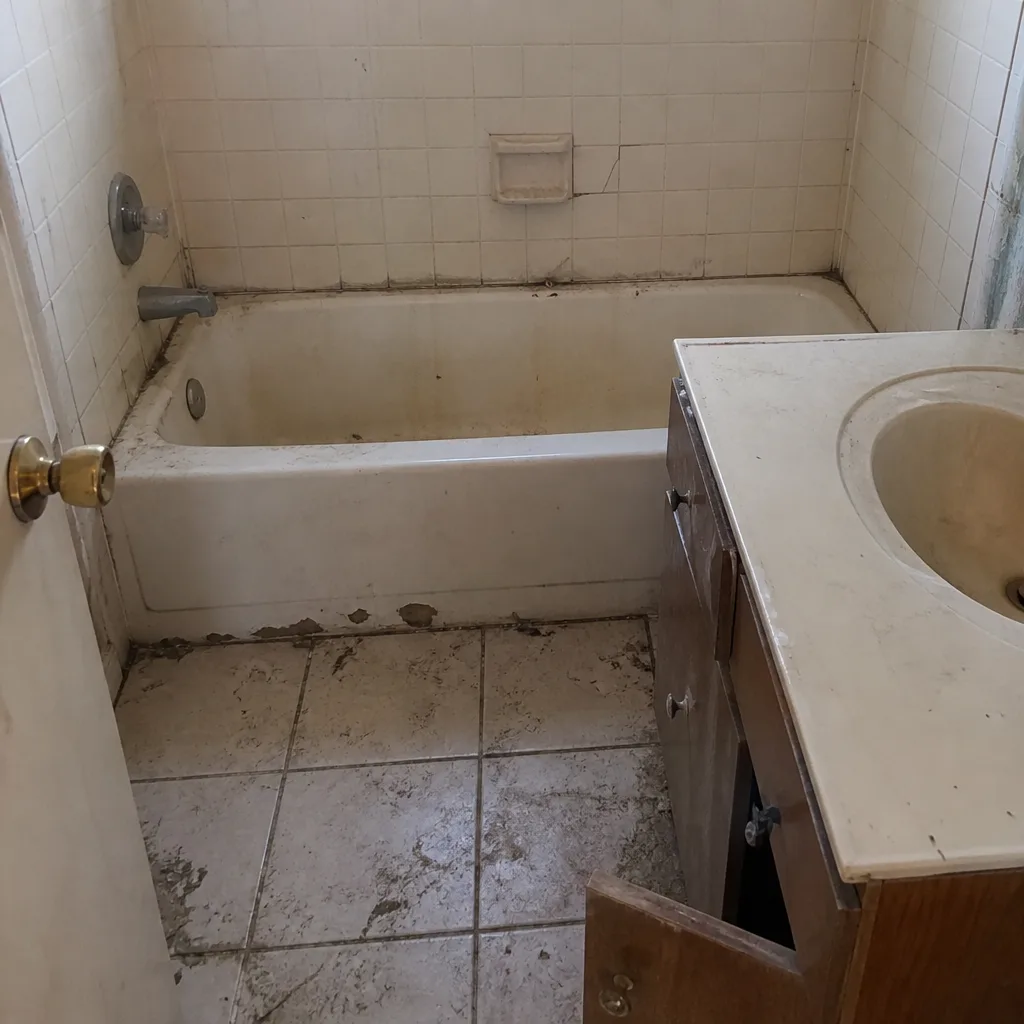 Before
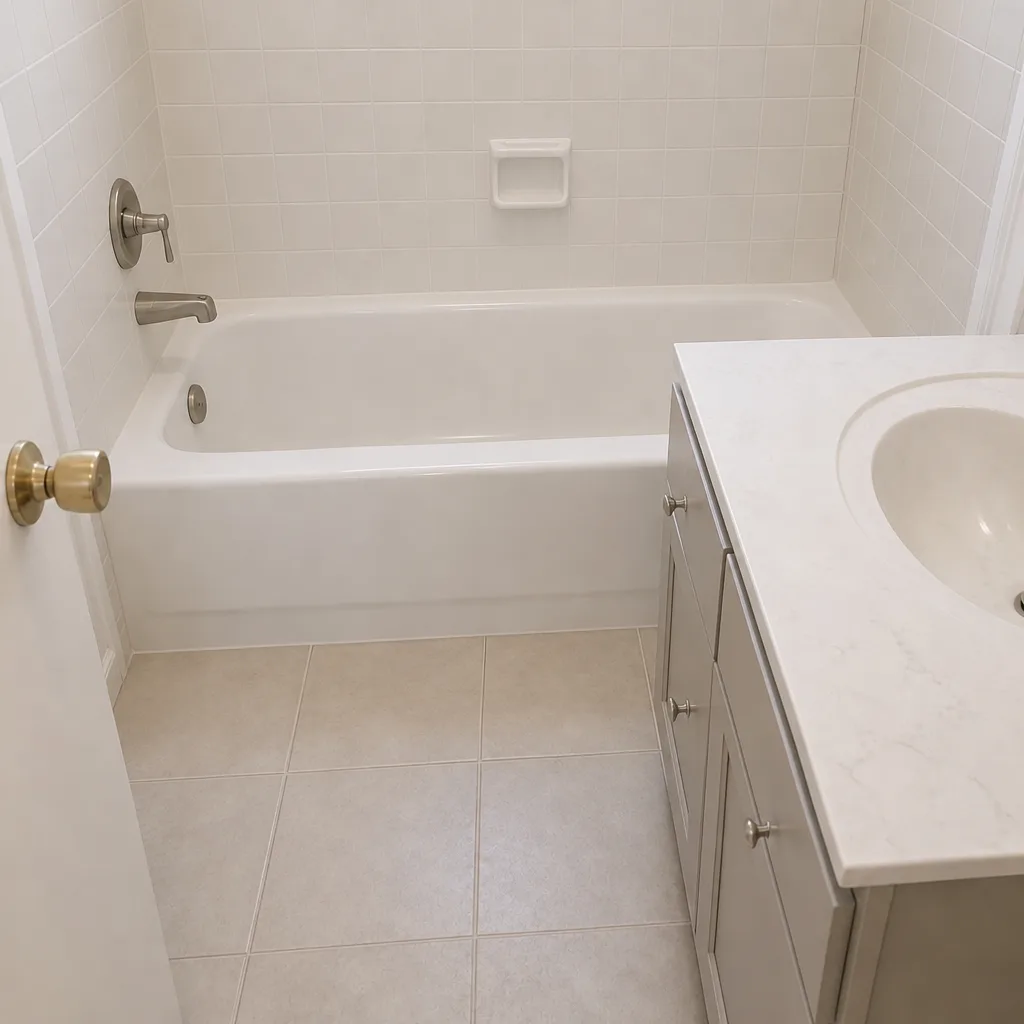 After
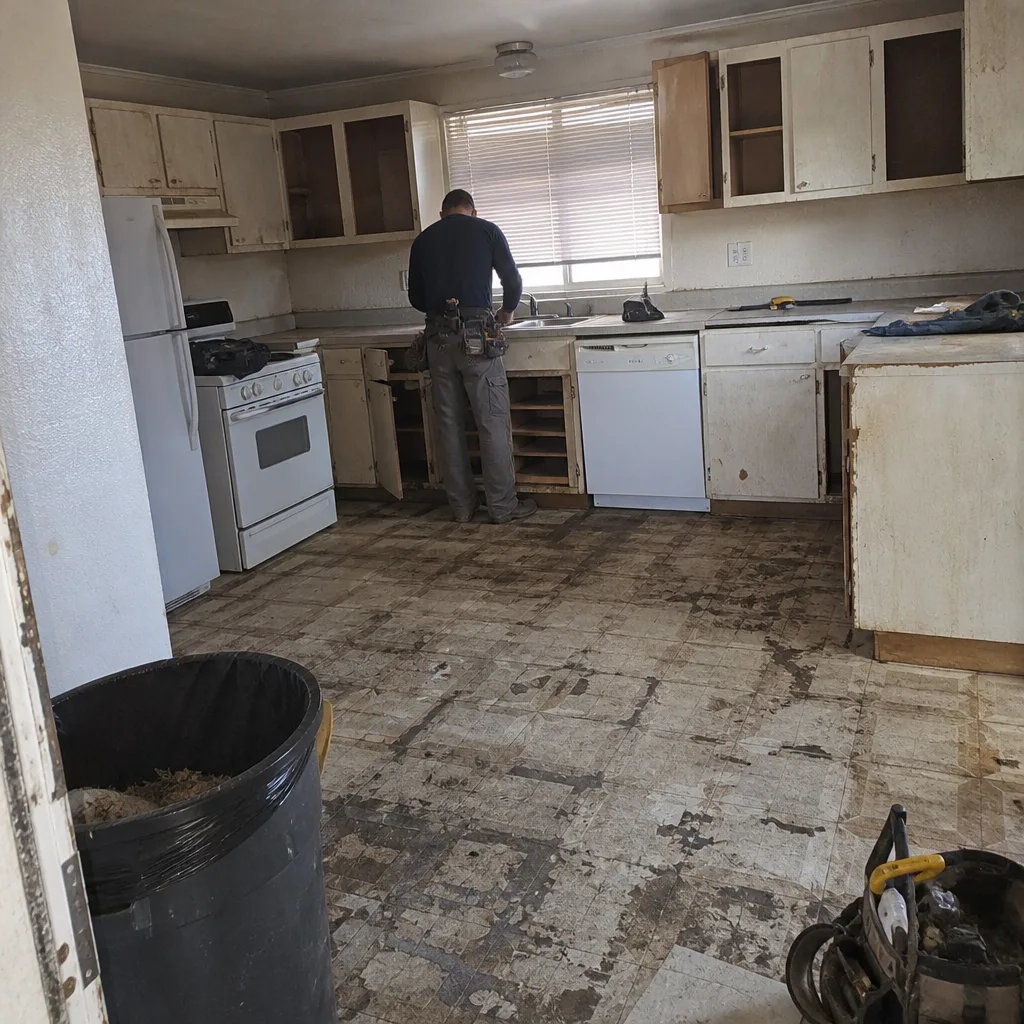 Before
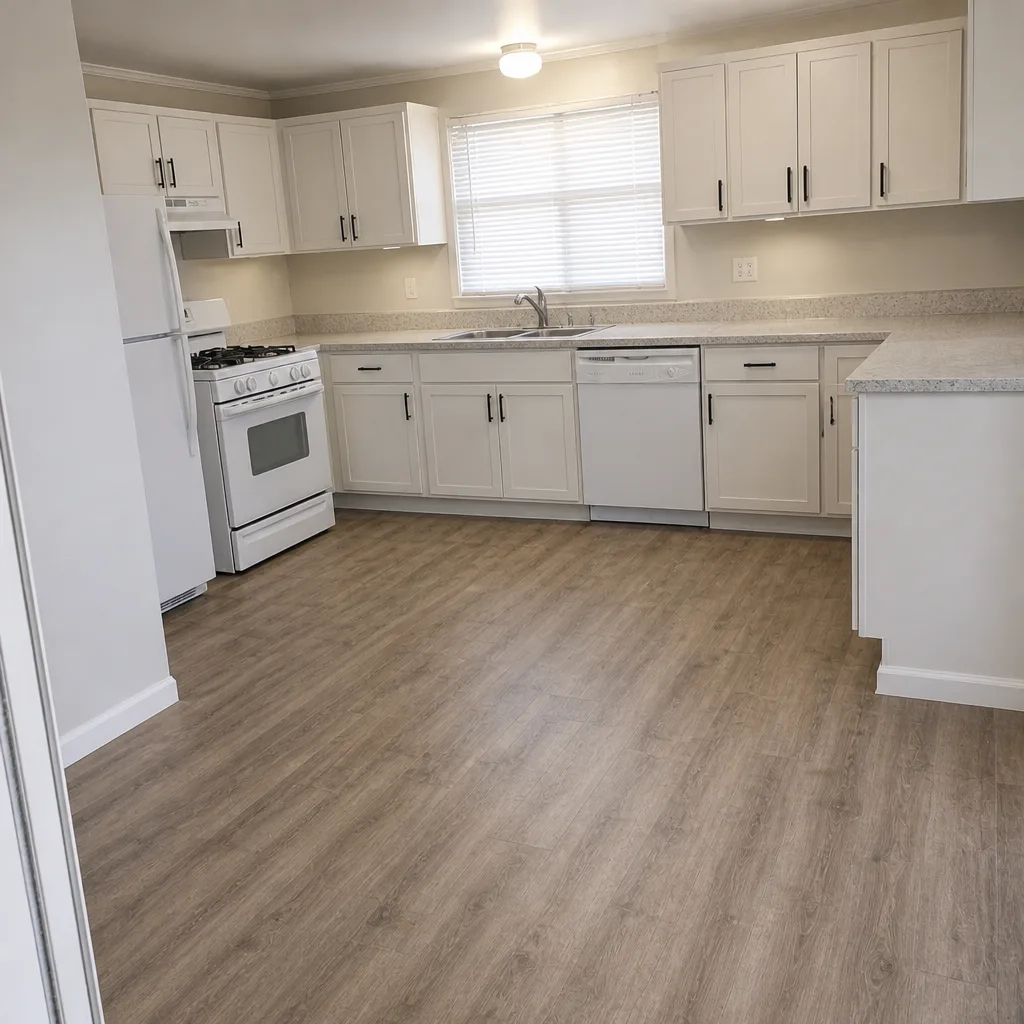 After
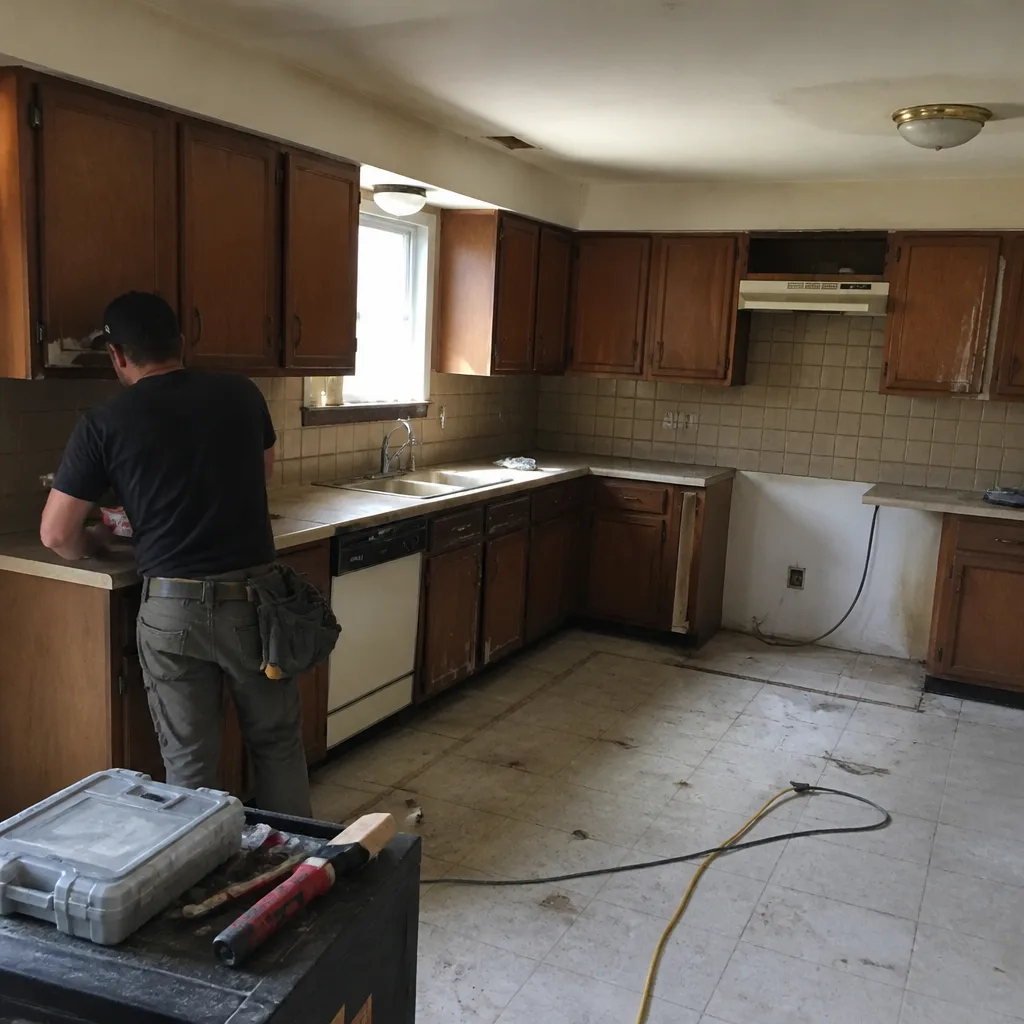 Before
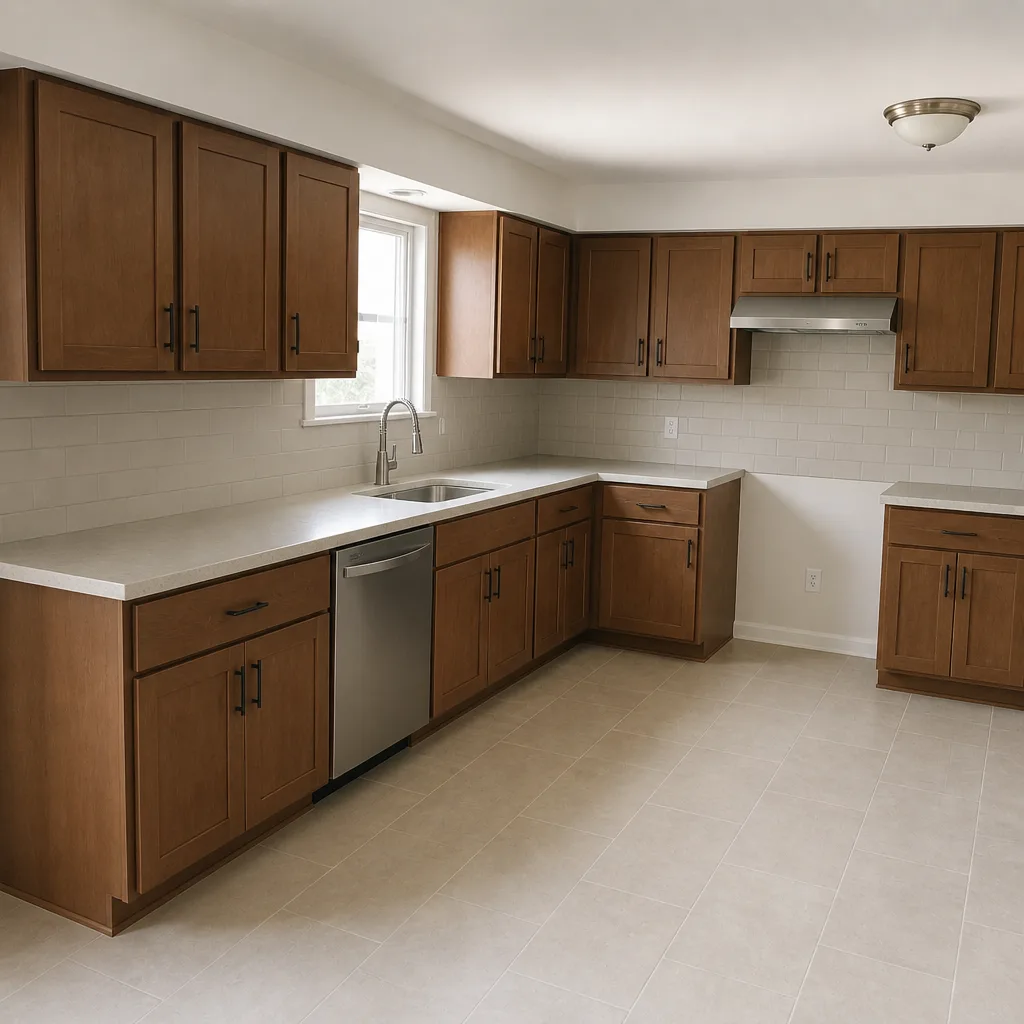 After
Frequently Asked Questions
The geotechnical report and the NV Energy service upgrade. On a lot with expansive clay, the soils report drives the foundation design, and it has to be in hand before the foundation is priced. On a lot that needs a larger electrical service to support the new dwelling, the NV Energy connection fee is a real cost that isn’t in the number that looks lowest. Call (833) 630-4077 for an exact quote, and we’ll show you both as separate lines. Estimates are free.
With a complete bid and a signed-change-order discipline, expect a few percent. With an incomplete bid, factor in that the missing line items are the overrun. The gap isn’t distributed randomly. It’s concentrated in the permit, utility, geotechnical, and allowance categories. We can go line by line on any written estimate you’ve got and tell you which gaps we see. Call (833) 630-4077 to schedule that review at no charge.
It’s acceptable if the allowance states the square footage or unit count and names a brand or grade. It’s not acceptable if it’s a round number with no scope. A $2,000 tile allowance on a 200-square-foot bathroom floor is a placeholder, not a price, and the shortfall for mid-grade material is typically $500 to $1,500. Call (833) 630-4077 and we’ll show you how our estimates scope the allowances and what the number buys.
Don’t proceed. Under the discipline we follow, no work proceeds on a change until the change order is signed and priced. A contractor who operates on verbal approvals is building a dispute, and Nevada’s regulations expect the written record. If a competitor’s quote doesn’t include change-order language, that’s the gap to ask about before you sign. Call (833) 630-4077 for a free second opinion on the contract language.
No. The contractor pulls the permits, and the bid should break out the permit and plan-check fees by trade so you can see what was pulled and what’s still open. If a bid doesn’t have that breakdown, ask for it before you sign. We pull and close out permits on every project, and the inspection record is part of the paperwork you receive. Call (833) 630-4077.
If the work isn’t done right within 365 days, we make it right. It’s printed on every page and backed by a terms page, not an asterisk, and it applies to every trade we run, kitchen through additions. If you’re comparing a competitor’s warranty language against ours, the free second opinion is where that comparison happens. Call (833) 630-4077 to schedule it.
The Bottom Line
The overrun on an Enterprise ADU or home addition is rarely a surprise. It’s a missing line item the contractor knew about, or an allowance sized to look generous, or a change order nobody signed. The defense is the same in every case: a written bid you can read line by line, a written scope with allowance numbers that match the room, and a signed change order before any change proceeds. The 365-Day Done Right Promise and the free second opinion exist for the moment when the numbers don’t quite line up, and moving forward means getting another set of eyes on the estimate before the tools come out. Call (833) 630-4077 for a free estimate.
Written by the team at Rowan Construction Group Enterprise.