

Free written scope consultation - allowances, timeline, and change-order rules on paper before a single trade is scheduled
Styles & brands we work with
- Kitchen remodeling
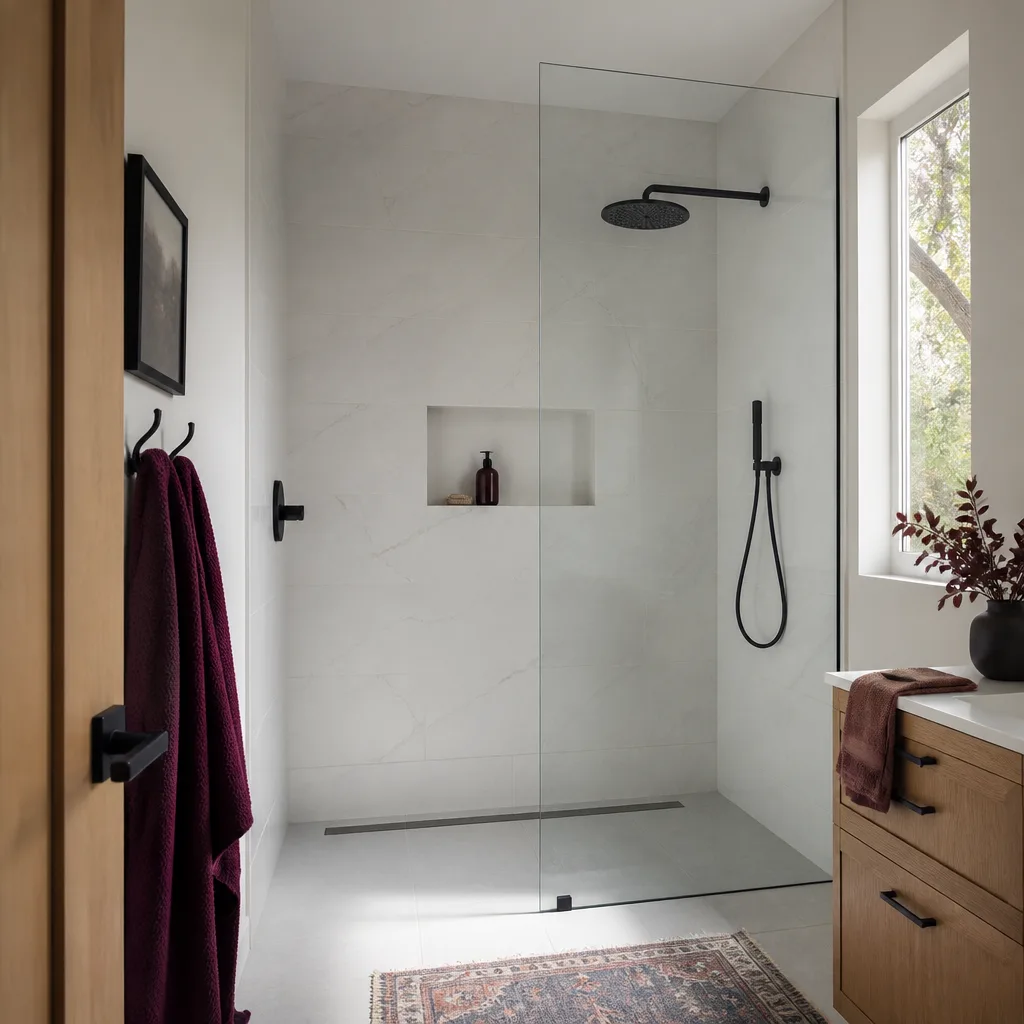
- Bathroom remodeling
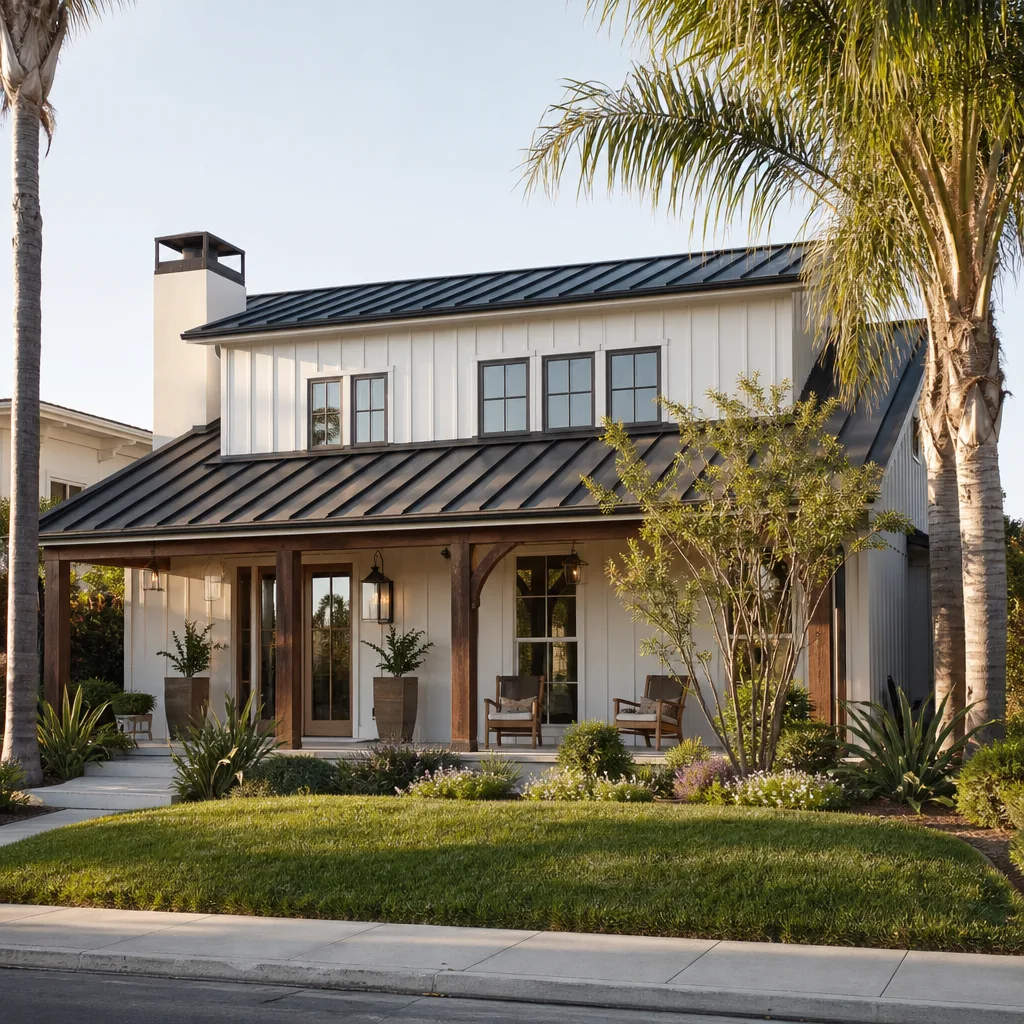
- Home additions & ADU
- Roofing
- Windows & doors
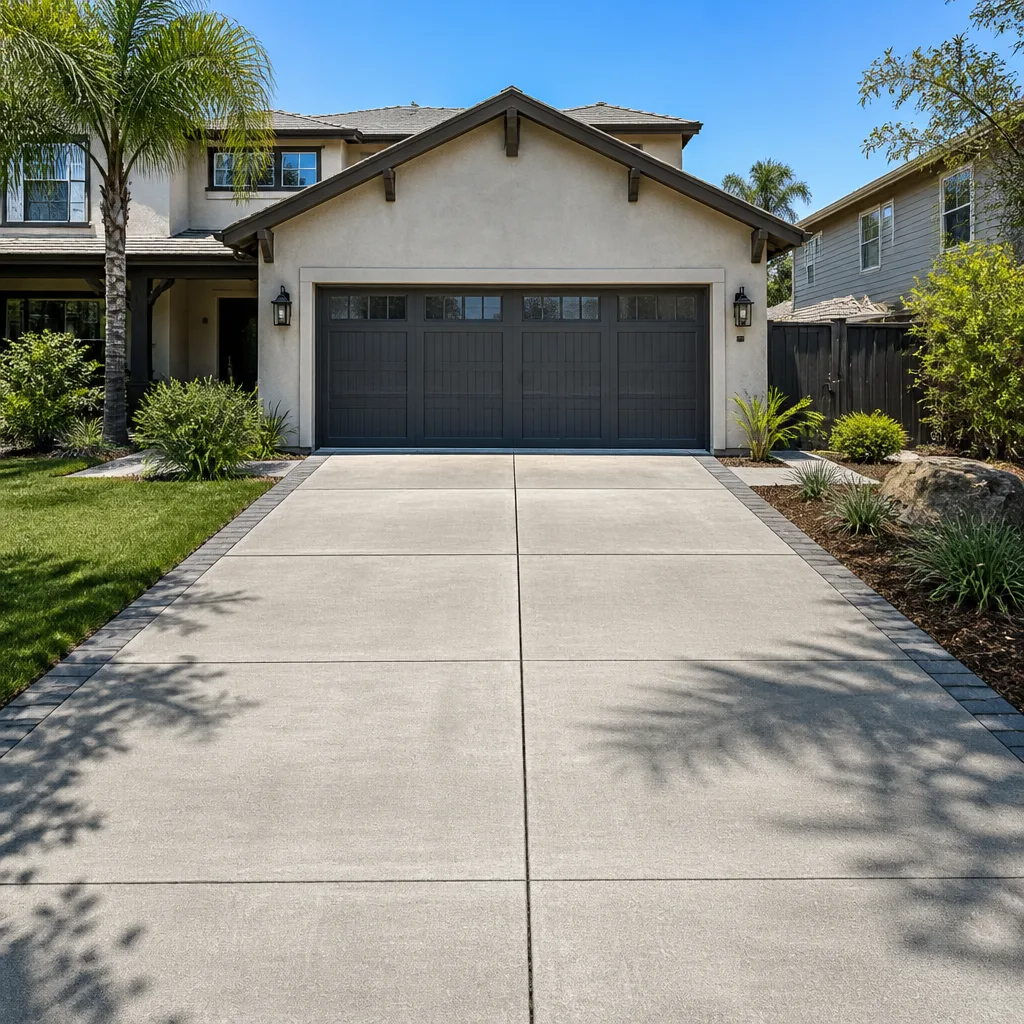
- Driveway & pavers
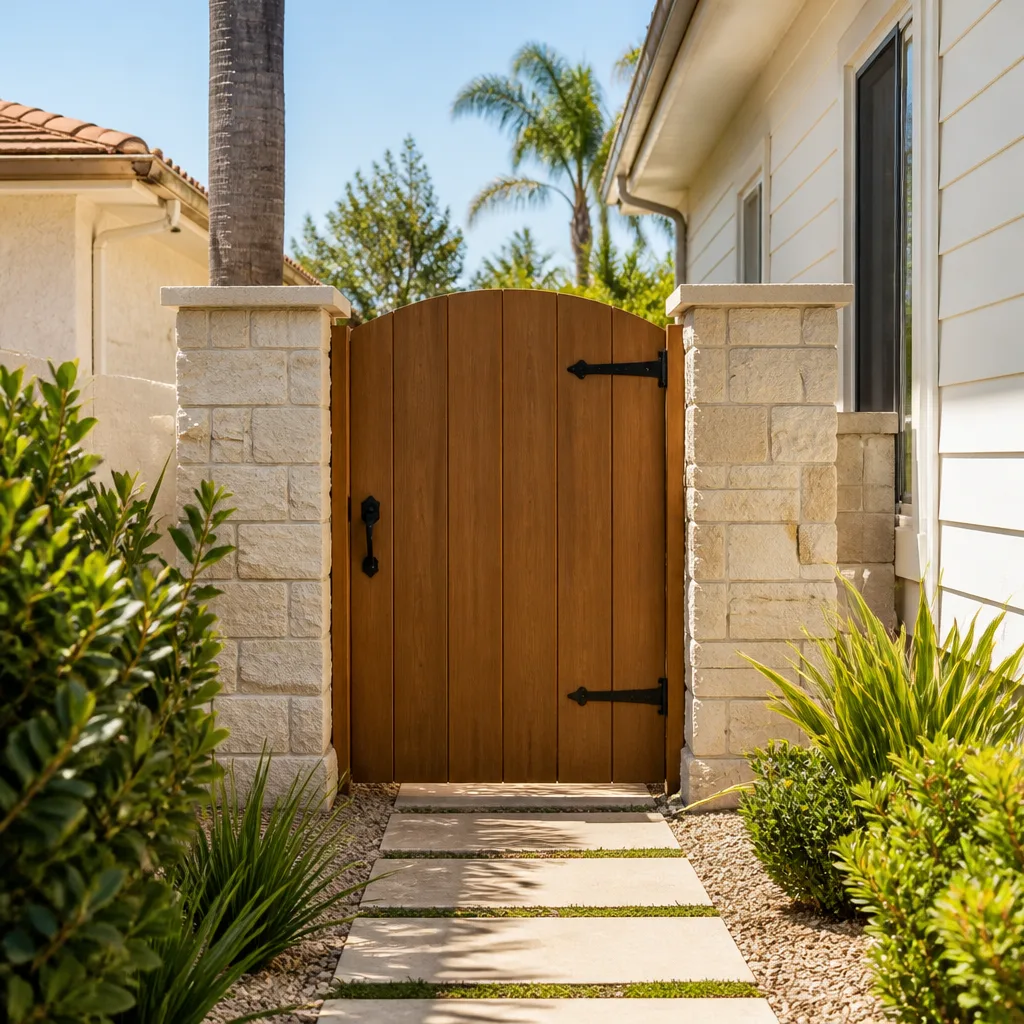
- Fence
See the difference
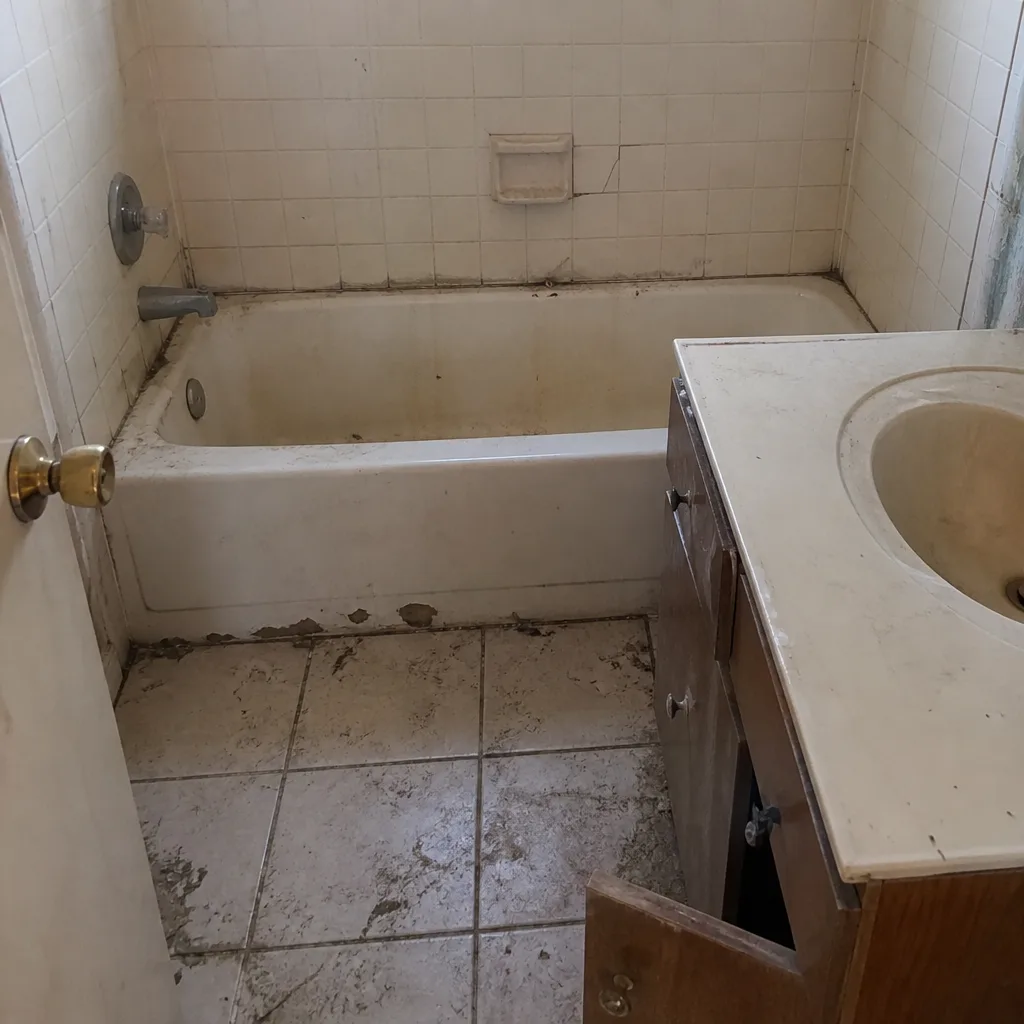 Before
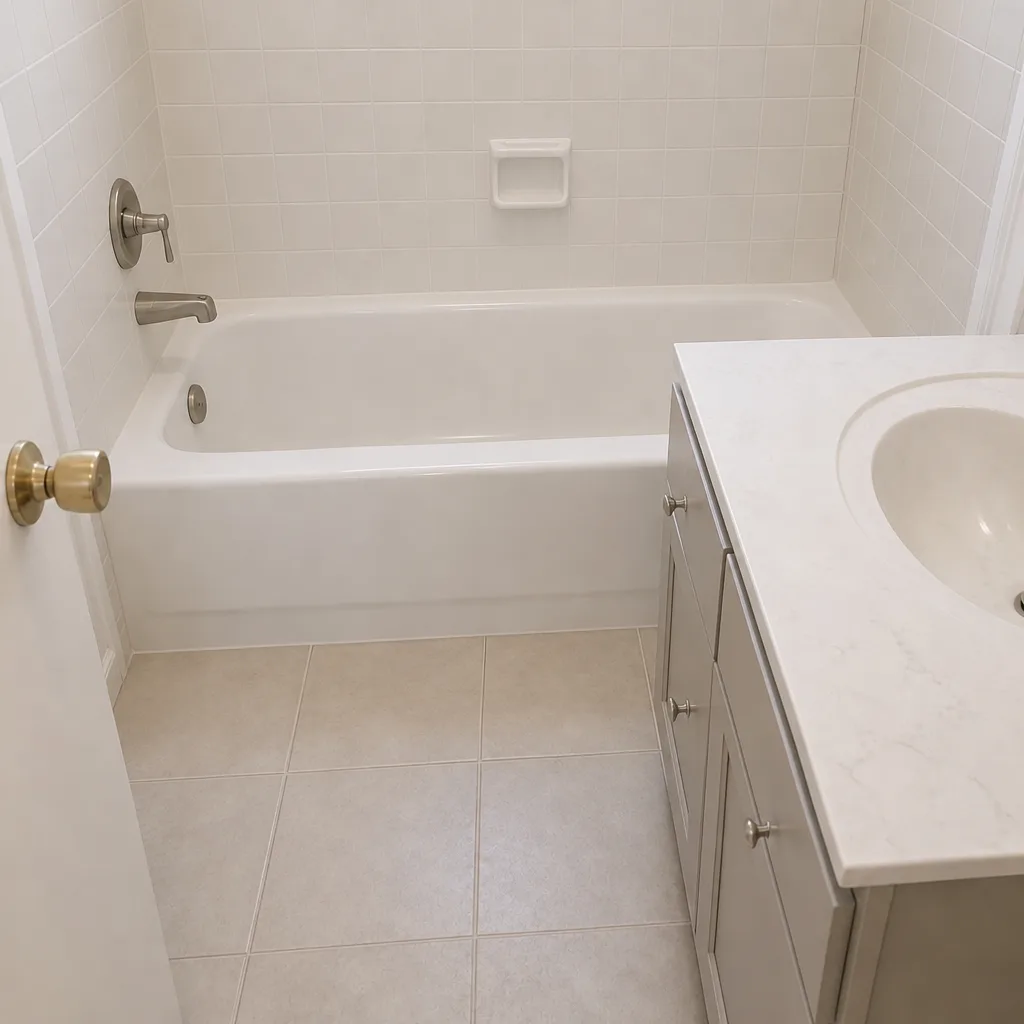 After
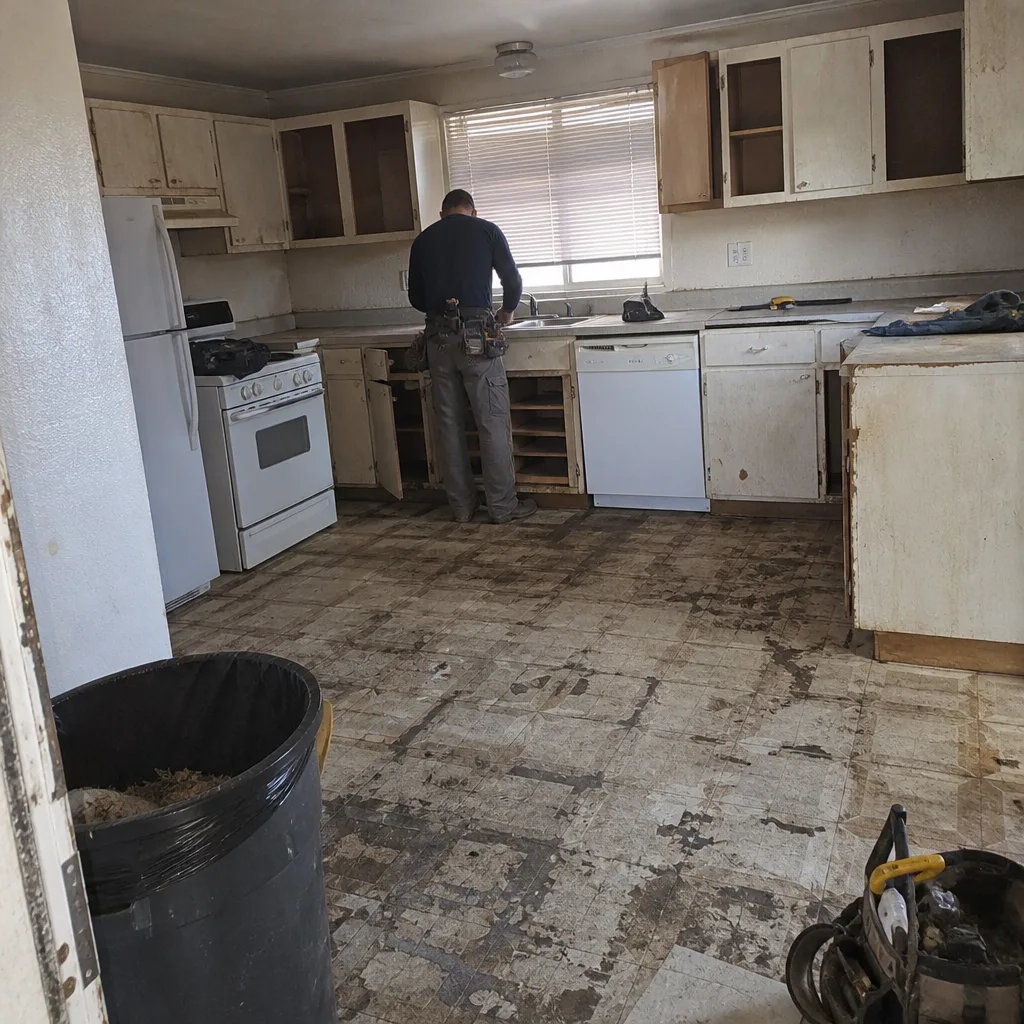 Before
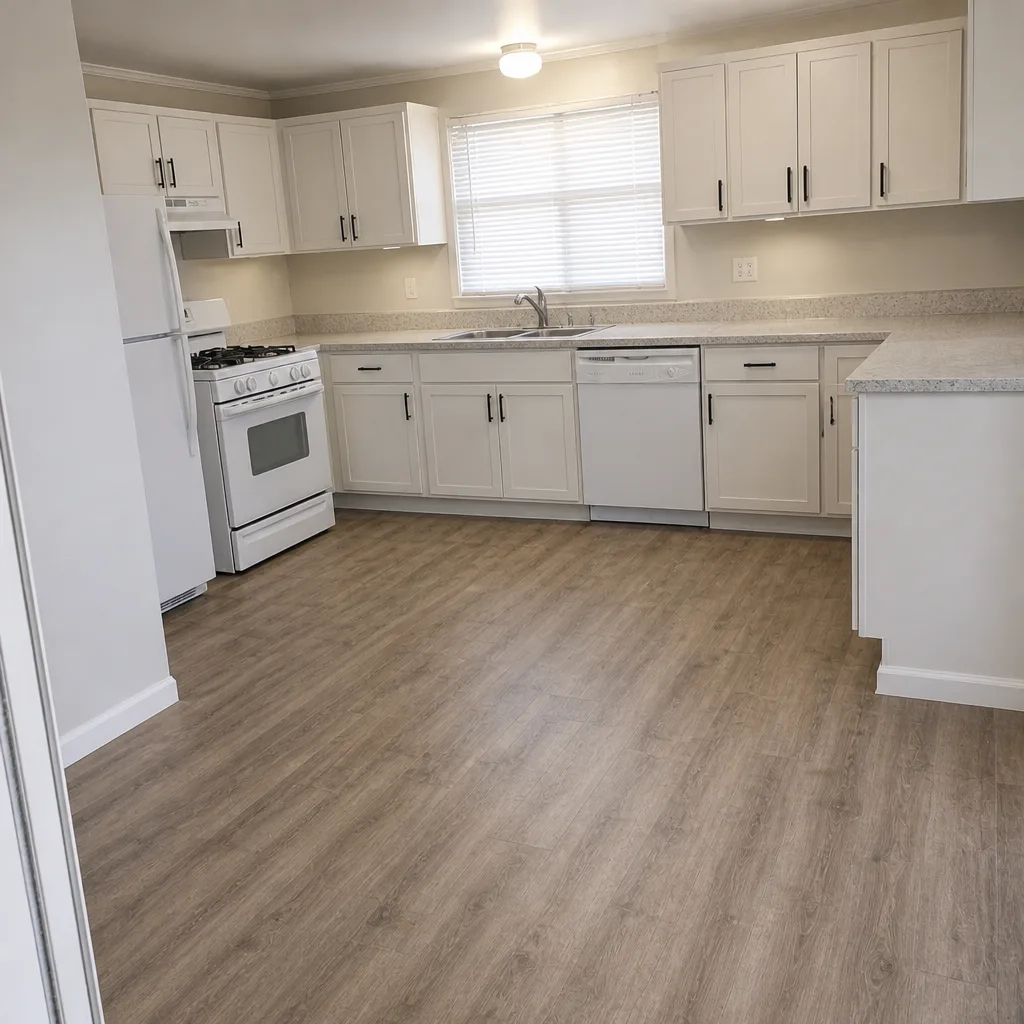 After
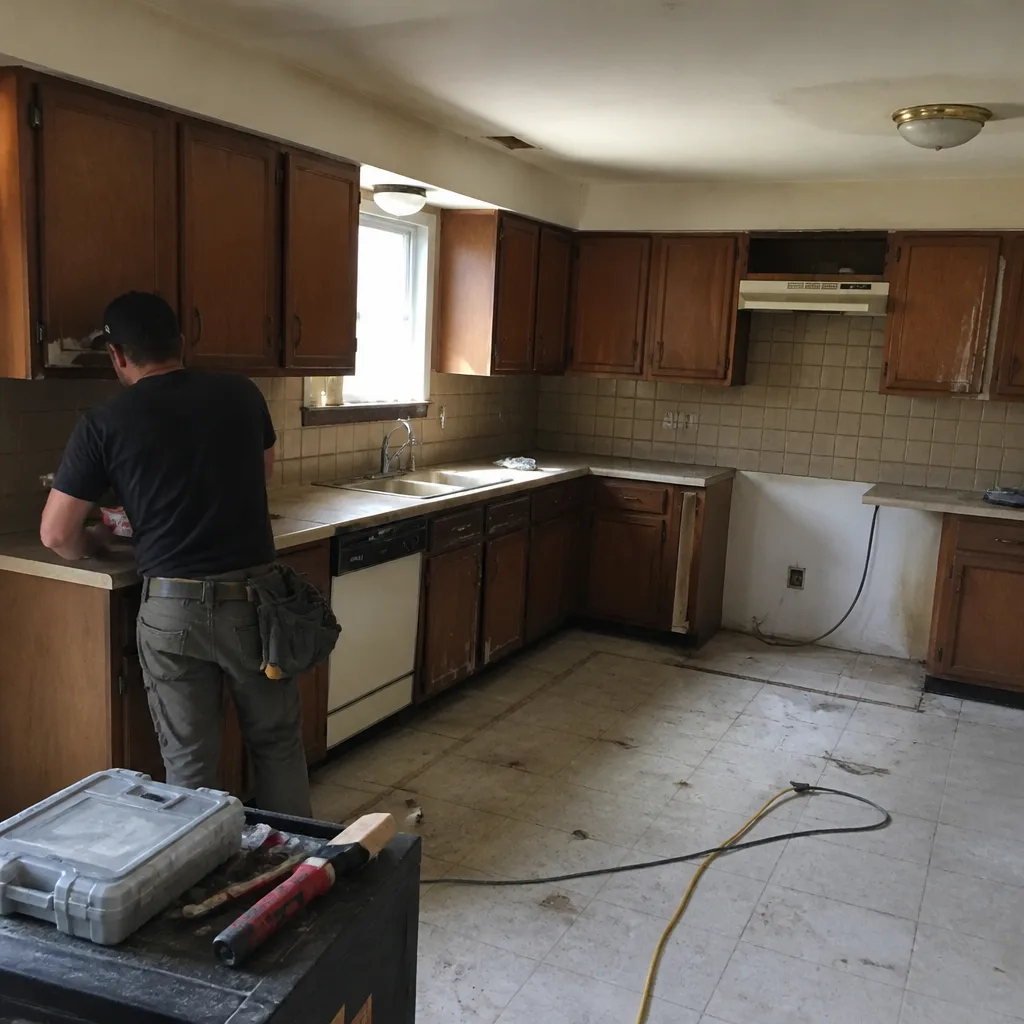 Before
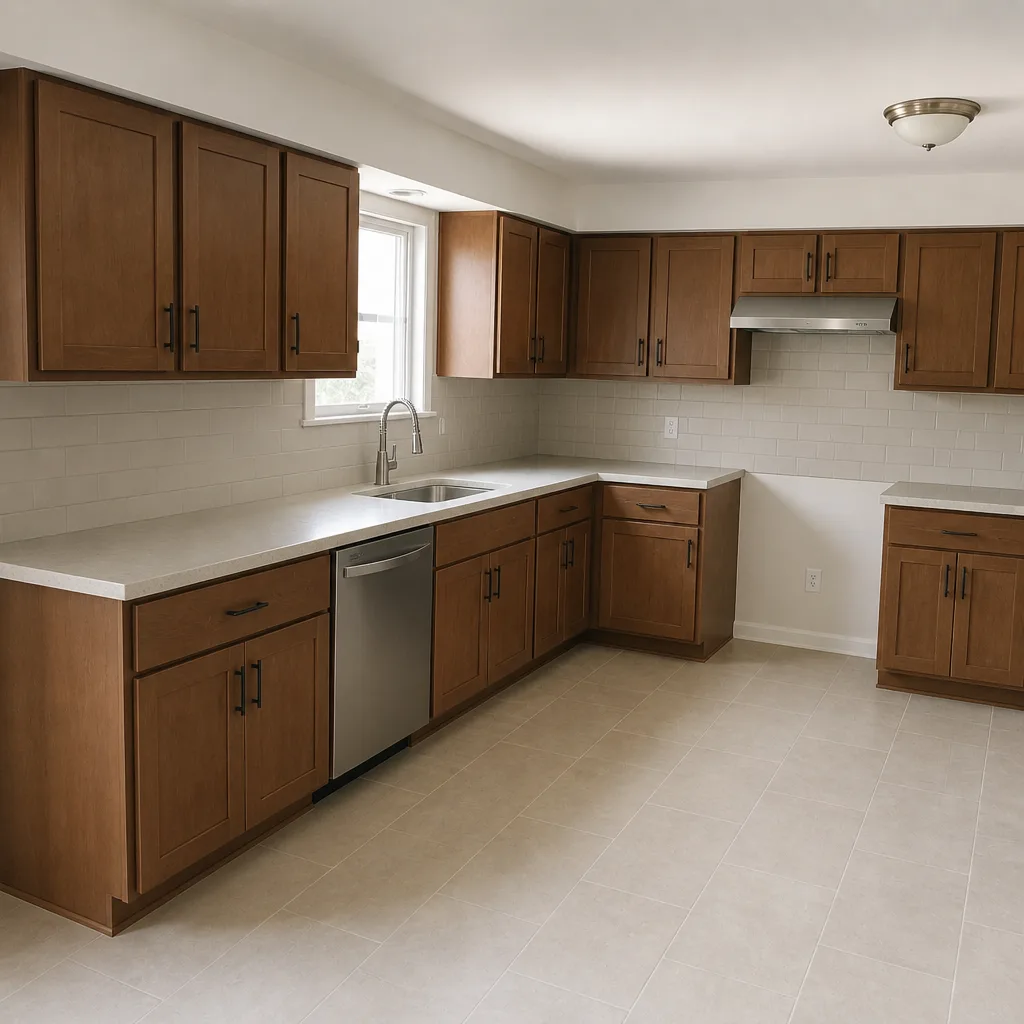 After
What Does a General Contractor Do in Enterprise, NV? Two Jobs, One Contract
A general contractor does two jobs at once. The visible one is scheduling subcontractors, ordering materials, and managing inspections. The invisible one is documenting every cost decision in writing so the final bill matches the price you agreed to. In Enterprise, homeowners usually don’t notice the second job until it fails, which is the day the final invoice arrives 25% higher than the contract. Call Rowan Construction Group Enterprise at (833) 630-4077 for a written price before anything starts.
Enterprise is a still-filling-in, master-planned community in the southern Las Vegas Valley, so almost every project here is new-build or renovation of 1990s-to-2020s tract housing under Clark County permitting rather than city permitting. That matters more than it sounds. The housing stock is two-story Mediterranean and Southwestern stucco with concrete tile roofs, built fast, on small lots. Contractors here spend their days correcting builder-grade work instead of restoring century-old structures, and the correction is where a general contractor’s administrative discipline earns its keep.
Key takeaways:
- The visible job coordinates trades. The invisible job controls cost through signed change orders.
- In unincorporated Enterprise, the GC is the licensed responsible party on the Clark County permit. Inspectors talk to the GC, not you.
- Material lead times drive schedules: KraftMaid cabinets run 8-10 weeks, concrete pavers 2-4 weeks, GAF roofing systems 1-2 weeks.
- A flat written price before work starts is the whole point of hiring a GC, not a courtesy.
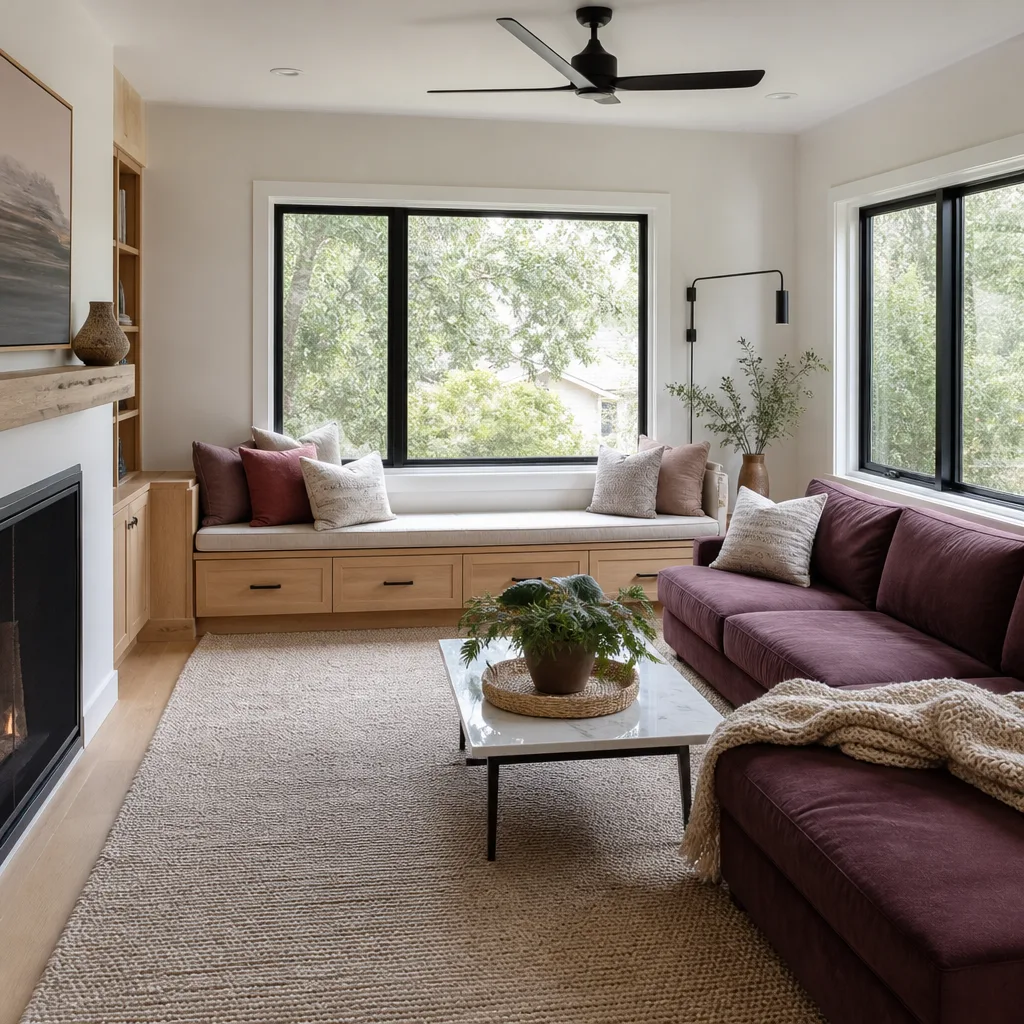
The Invisible Job: How a General Contractor Actually Controls Cost
Here’s the workflow from signed contract to final inspection, and where the budget either holds or drifts.
Scope documentation. The contract names the materials, the brands, and the line items. Not “new cabinets” but KraftMaid with the door style specified. Not “roof replacement” but a GAF system with the number of shingle layers documented. You can screenshot a written scope and compare it against a competitor’s.
Permit application. In unincorporated Enterprise, the Clark County permit lists the GC as the responsible party. When an inspector flags a deficiency on a structural, mechanical, electrical, or plumbing element, that deficiency goes to the GC. A GC who knows county inspection protocols for the specific trade resolves it in days. One who doesn’t can hold your project for weeks.
Subcontractor scheduling and material procurement. The long-lead items decide the calendar. Cabinets first, because 8-10 weeks doesn’t compress. Countertops get templated after cabinets land, and Cambria and Caesarstone slabs need lead time of their own. Pavers and roofing come in tighter windows. A realistic schedule starts from the lead times and works backward, not from a promised finish date.
Inspection scheduling and closeout. Each trade inspection gets scheduled as its phase finishes. Closeout produces the documentation you keep: the signed change orders, the written warranty, and the photo record of what was found and what was done.
Rowan Construction Group Enterprise runs this whole sequence across seven trades under one contract, which means one accountability line instead of five. If you’re weighing whether to hire a GC or self-manage the subs, the home page lays out how the trades fit together.
The Change-Order Function, Explained Plainly
You open a wall in a 2001 Enterprise tract home and find out-of-code wiring. This happens here more than in older markets, because the subdivisions went up fast and the original electrical work reflects what passed in 2001, not what passes now.
A general contractor’s job at that moment is not to fix it quietly and bill you later. It’s to stop, photograph the condition, write a change order with a price and a timeline, and get your signature before anyone proceeds. That is an administrative discipline, not a personality trait. It’s also the reason Rowan’s projects finish within a few percent of the agreed number across 4,000-plus jobs: no work moves on a change until the change order is signed.
Picture the difference in practice. A GC without that discipline discovers the wiring, fixes it the same afternoon because the electrician is already there, and settles up at the end. By then you’ve lost the ability to compare the fix against another quote, and the invoice reflects whatever the GC decides the work was worth. A GC with the discipline stops the job for half a day, sends you a photo and a written price, and moves when you sign. The half-day costs less than the surprise.
This is Clause 1 of The Haven Standard in action: the price is written before anyone starts. It’s also why a free second opinion on any written estimate is worth taking. Bring a competitor’s quote to Rowan Construction Group Enterprise and the team will review it line by line at no charge, including whether the allowances are realistic or inflated to protect margin.
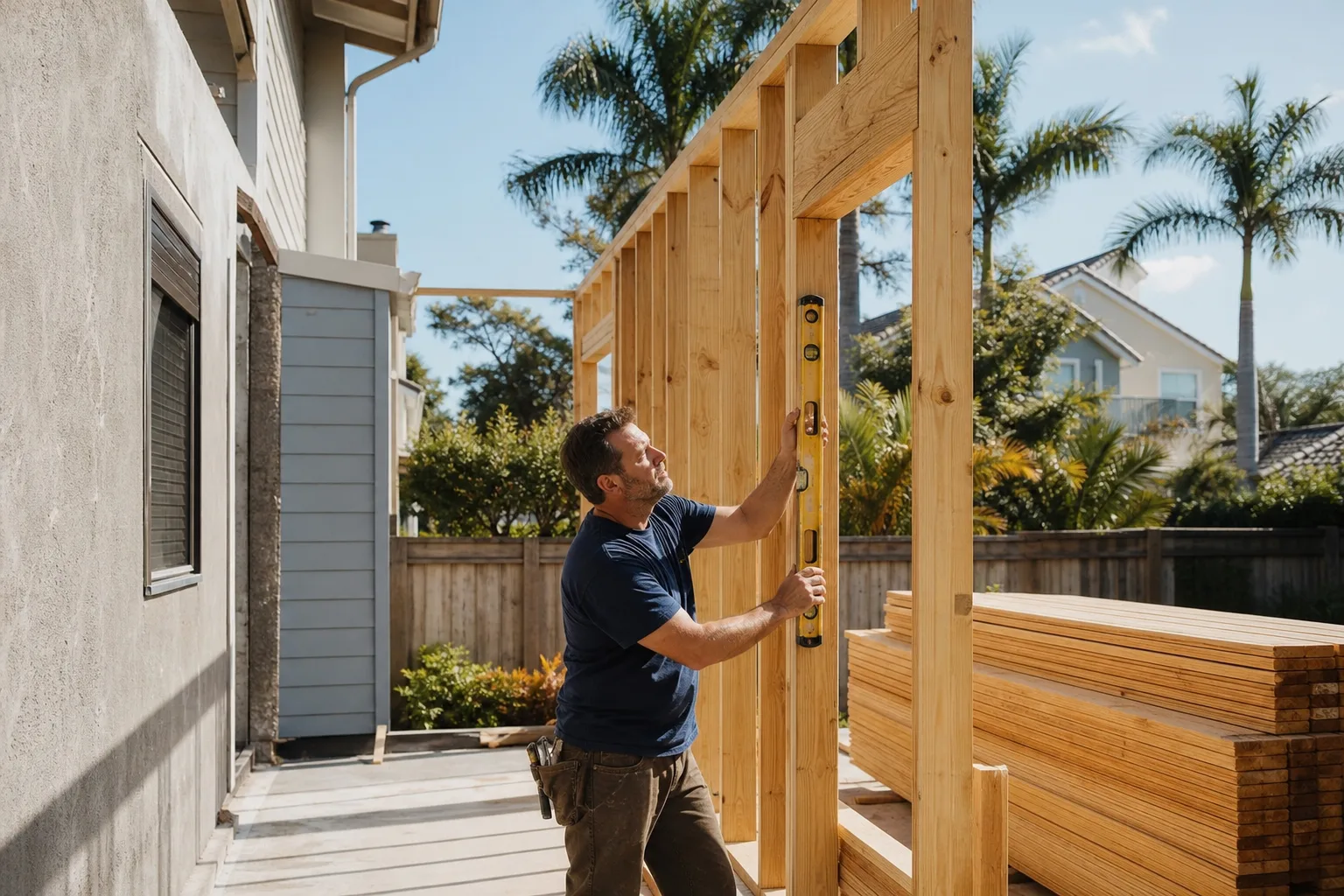
What to Look For When You Compare General Contractors in Enterprise
Most homeowners compare GCs on personality and price. Compare them on process instead. Ask each one the same four questions and watch which ones answer in specifics.
- Do you deliver a flat written price before work begins? “Call for a quote” means the number isn’t firm yet.
- How do you handle a change? The right answer describes a signed change order with a price and a timeline. The wrong answer is “we’ll work it out.”
- Are you the licensed responsible party on the Clark County permit? In unincorporated Enterprise, this determines who the inspector calls.
- What documentation do I get when the crew leaves? A photo record and a written warranty should be standard, not an upgrade.
On sourcing, the difference shows up in the numbers. A GC with relationships across fifty-plus vetted brands knows current material cost and can quote honestly. A GC buying at retail marks up, inflates allowances to protect margin, then “finds” the overage after you’ve committed. Rowan works with KraftMaid and Wellborn cabinets, Cambria and Caesarstone countertops, GAF and Owens Corning roofing, Kohler and Toto fixtures, and Belgard and Techo-Bloc pavers. Fixtures in the bathroom trades come in from Delta and Moen just as often.
And because Enterprise’s stucco-and-tile tract homes are hitting the 20-to-30-year replacement window on original builder-grade windows and roofs at the same time, whole-block re-roof and window waves run through these neighborhoods. If your block is due, the roof replacement and window and door replacement pages carry the current Enterprise ranges.
What Does the Work Cost in Enterprise?
These are the ranges you should see in a written quote for this market. Any GC quoting far below the low end is either scoping less than you think or planning to make it up on a change order.
| Project | Enterprise Price Range |
|---|---|
| Full kitchen remodel | $14,000-$45,000 |
| Small kitchen remodel | $9,000-$20,000 |
| Cabinet installation | $4,000-$13,000 |
| Countertop installation | $2,000-$6,500 |
| Full bathroom remodel | $9,000-$28,000 |
| Walk-in shower installation | $4,500-$12,000 |
| Roof replacement | $8,000-$20,000 |
| Impact window installation | $8,000-$25,000 |
| Paver driveway installation | $7,000-$18,000 |
| Home addition | $45,000-$130,000 |
| ADU construction | $90,000-$220,000 |
| Garage conversion | $30,000-$80,000 |
Those numbers don’t come from a regional average. The Mojave climate sets some of them: summer highs above 105°F and heavy UV mean cool-roof and insulation upgrades earn their cost back faster here, and monsoon-season runoff makes drainage and grading part of any addition or ADU scope rather than an afterthought. Heat-rated materials cost more up front and last longer than the builder-grade versions they replace. For the trade-by-trade detail, the kitchen remodeling and bathroom remodeling pages break out line items, and home additions and ADUs covers the permit-heavy end of the range.
If you’re planning an ADU or a garage conversion, the ADU construction and garage conversion pages walk through the Clark County process. Driveway and paver work runs through driveway and pavers, and fence installation covers the vinyl and aluminum options common in the master-planned subdivisions. Homeowners further out in Summerlin or Henderson can compare the same ranges against their own permit jurisdictions.
FAQs
A general contractor holds the contract, pulls the permit, sequences the trades, and documents every cost decision. A subcontractor performs one trade and answers to the GC. In Enterprise, that means the GC is the licensed responsible party on the Clark County permit, so the inspector’s deficiency notices go to the GC, not to you or to the roofer. Call (833) 630-4077 if you want to talk through who handles what on your project.
Yes, if the work touches plumbing, electrical, or structural elements, which most kitchen and bathroom remodels in Enterprise’s older tract homes do. A full kitchen remodel runs $14,000-$45,000 and a full bathroom $9,000-$28,000 in this market, and both involve multiple trades that need sequencing and inspection sign-off. A single-trade job like a backsplash can go to one sub. Call (833) 630-4077 for a written price on the whole scope.
Plan on the permit review plus the material lead times, because those run longer than the paperwork. The Clark County permit review itself is measured in weeks for most residential scopes, but KraftMaid cabinets sit at 8-10 weeks and that’s the real driver of your finish date. A GC who quotes a schedule without naming lead times is guessing. Call (833) 630-4077 for a realistic timeline on your project.
A home addition in Enterprise runs $45,000-$130,000, ADU construction $90,000-$220,000, and a garage conversion $30,000-$80,000. Those ranges reflect the Mojave conditions specific to this valley, including insulation and cool-roof requirements, drainage and grading for monsoon runoff, and impact-rated glazing where it applies. Call (833) 630-4077 for a flat written price before any work starts.
Repair wins when the damage is isolated and the shingle layer count leaves room for another one; replace wins once the roof hits that 20-to-30-year window most of these tract homes are now crossing. Roof repair here runs $400-$1,800 versus $8,000-$20,000 for a full replacement. Tile roof repair comes in at $600-$2,500. Call (833) 630-4077 and we’ll tell you what we found in plain terms.
Getting the Number in Writing
If you’d rather have it looked at, Rowan Construction Group Enterprise offers a no-pressure assessment in Enterprise. Every job comes with a flat written price before work starts, a signed change order on any change, a documented photo record on every visit, and the 365-Day Done Right Promise behind it. Our technicians have up to 19 years of experience, and crews are background-checked and uniformed. Call (833) 630-4077 for a free estimate.
Written by the team at Rowan Construction Group Enterprise, serving Enterprise, NV.