

Free written scope consultation - allowances, timeline, and change-order rules on paper before a single trade is scheduled
Styles & brands we work with
- Kitchen remodeling
- Bathroom remodeling
- Home additions & ADU
- Roofing
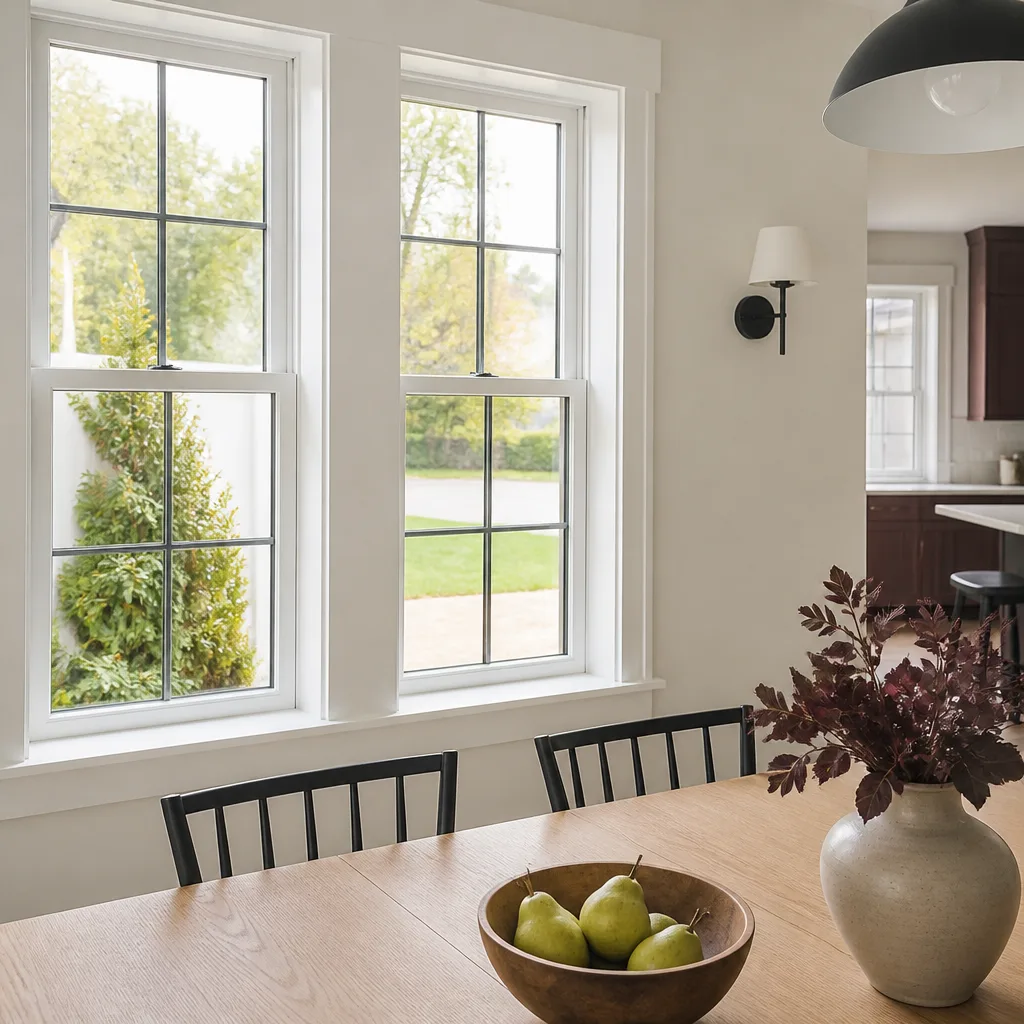
- Windows & doors
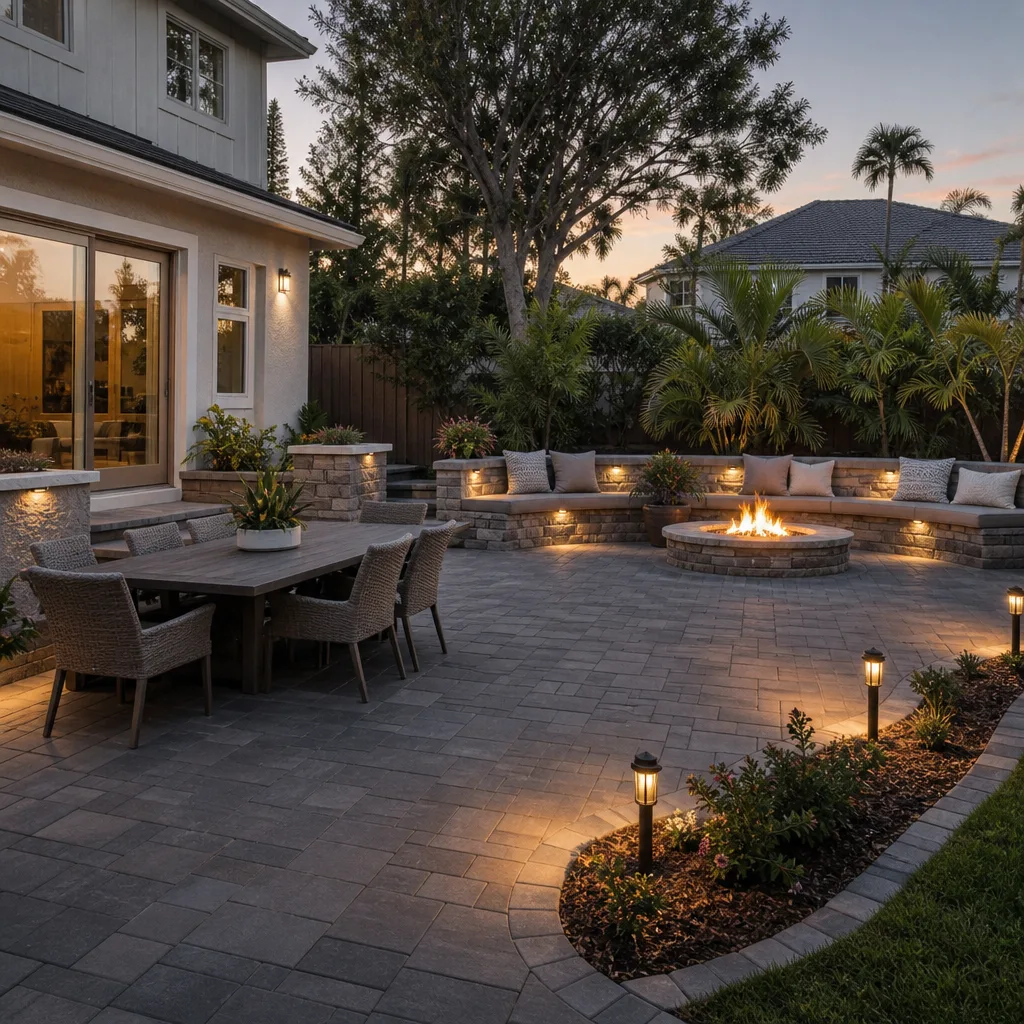
- Driveway & pavers
- Fence
See the difference
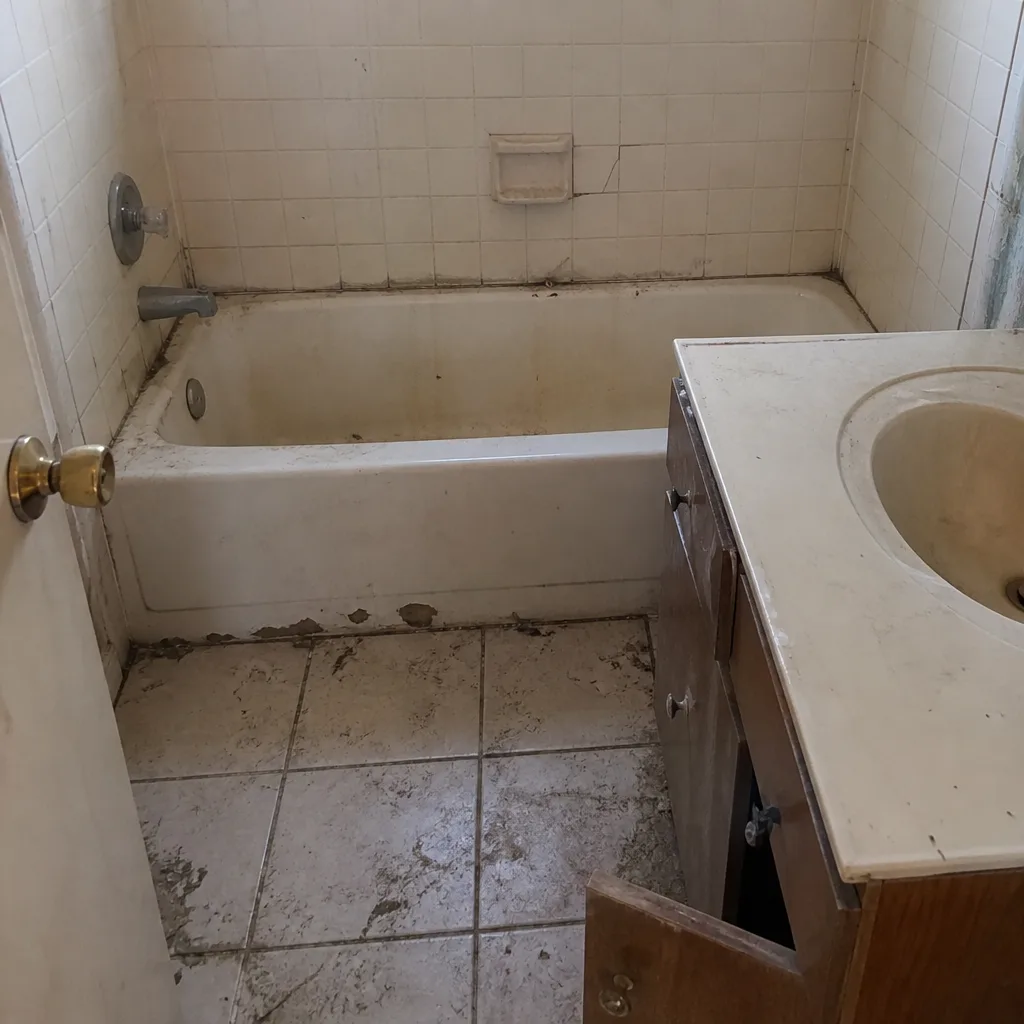 Before
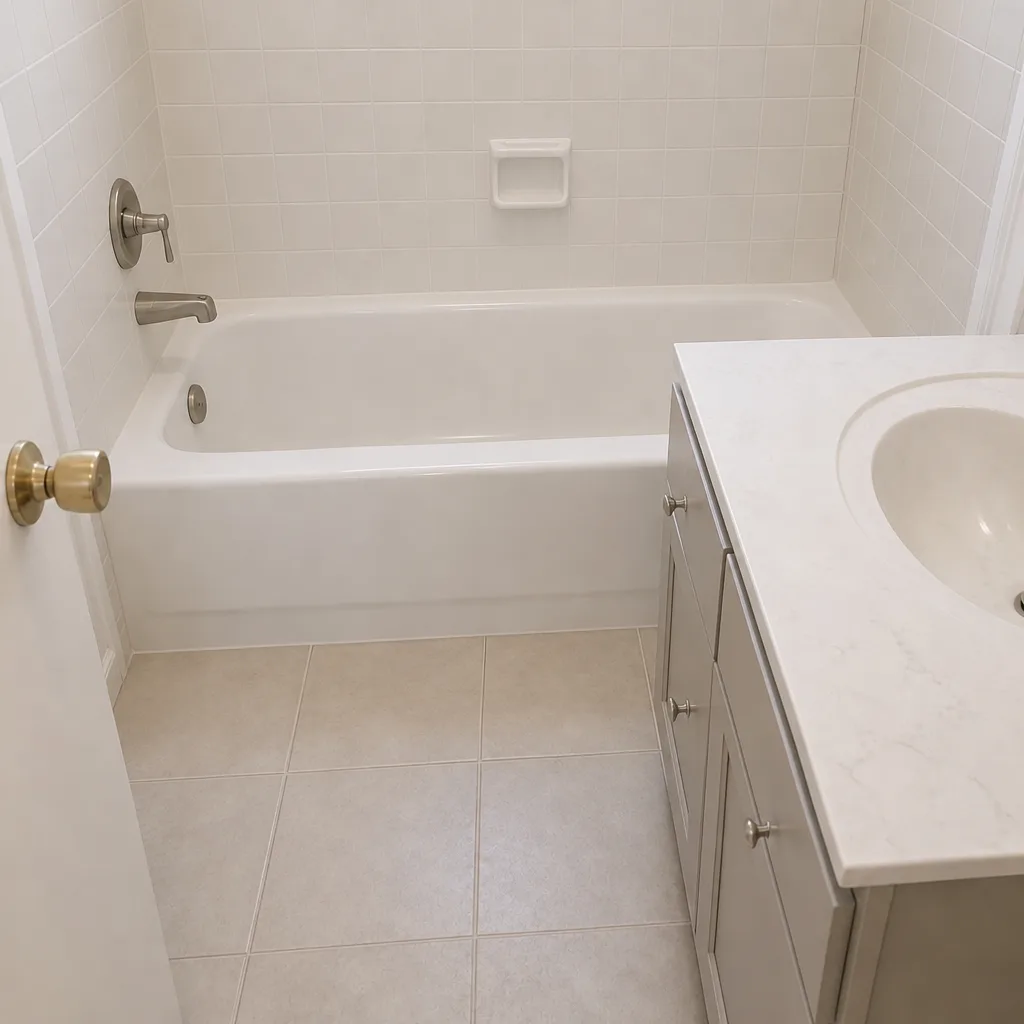 After
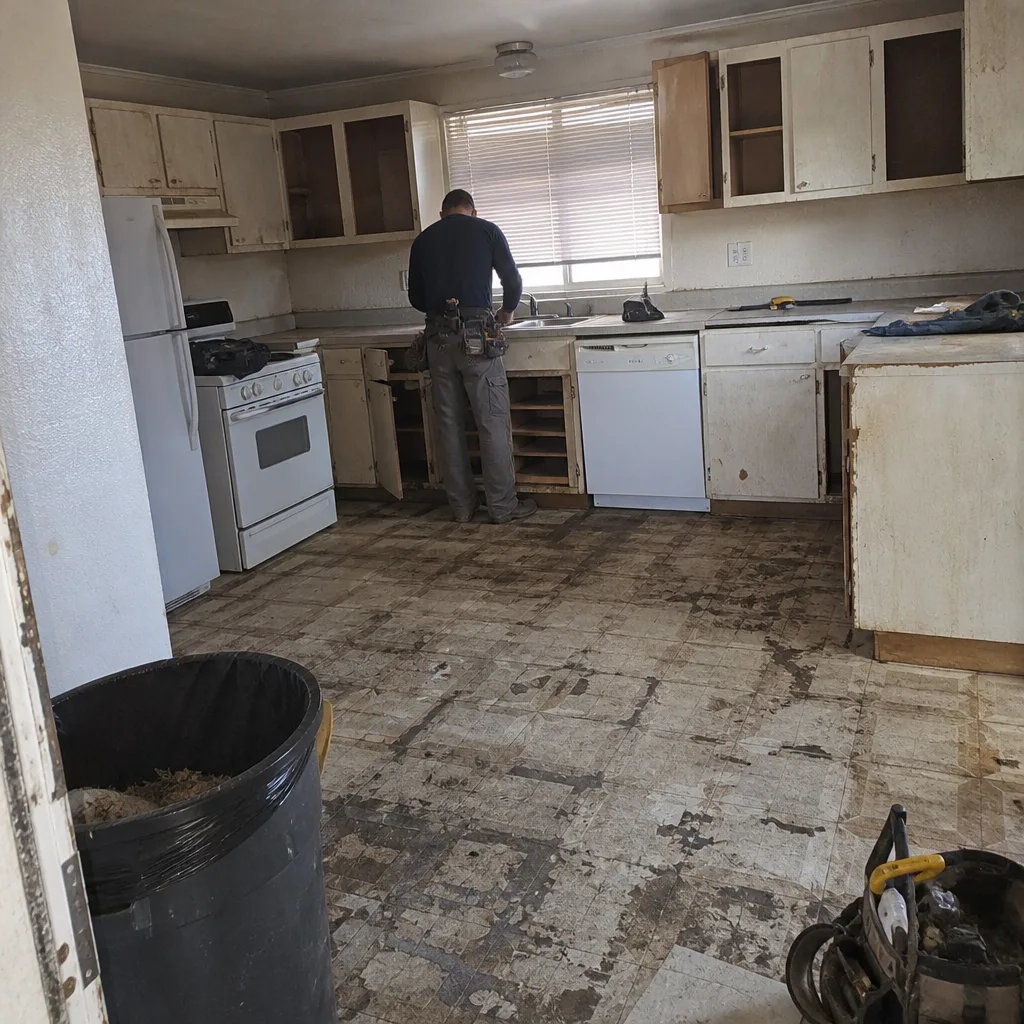 Before
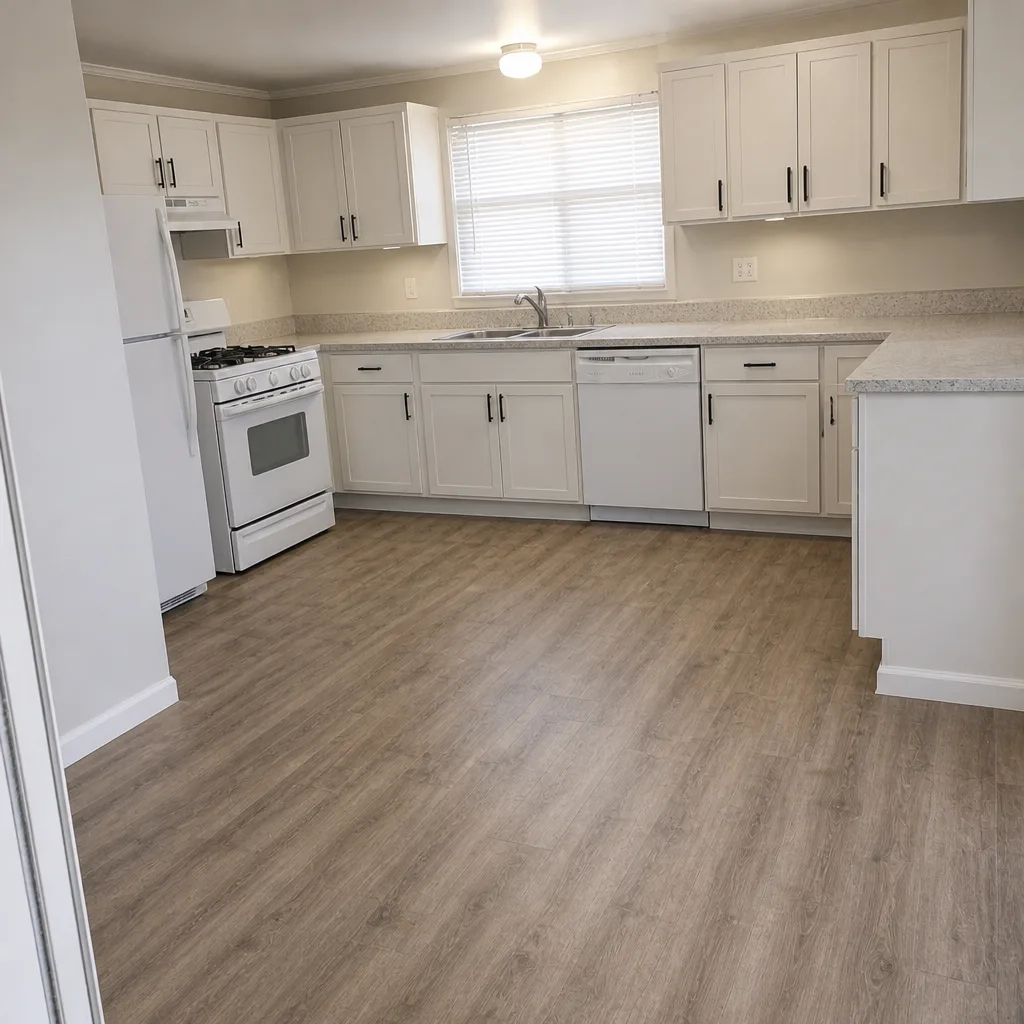 After
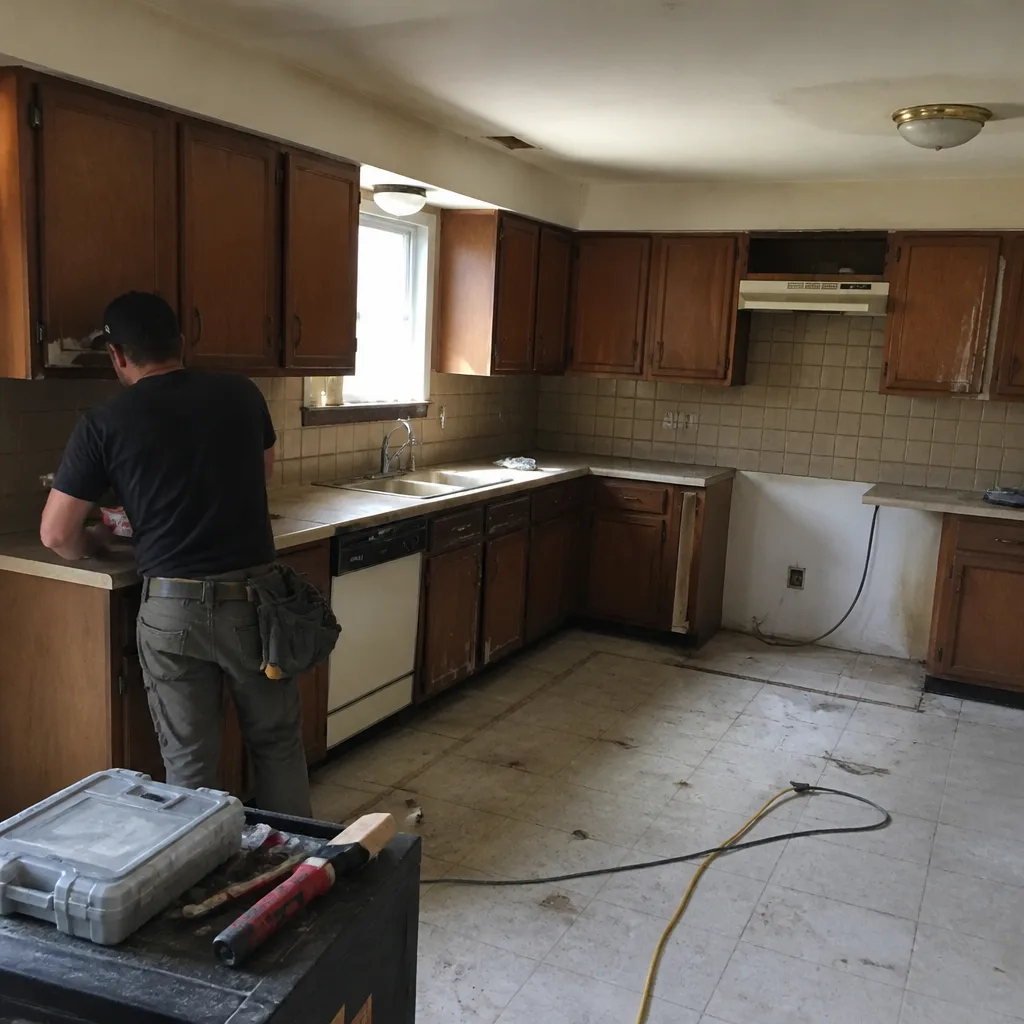 Before
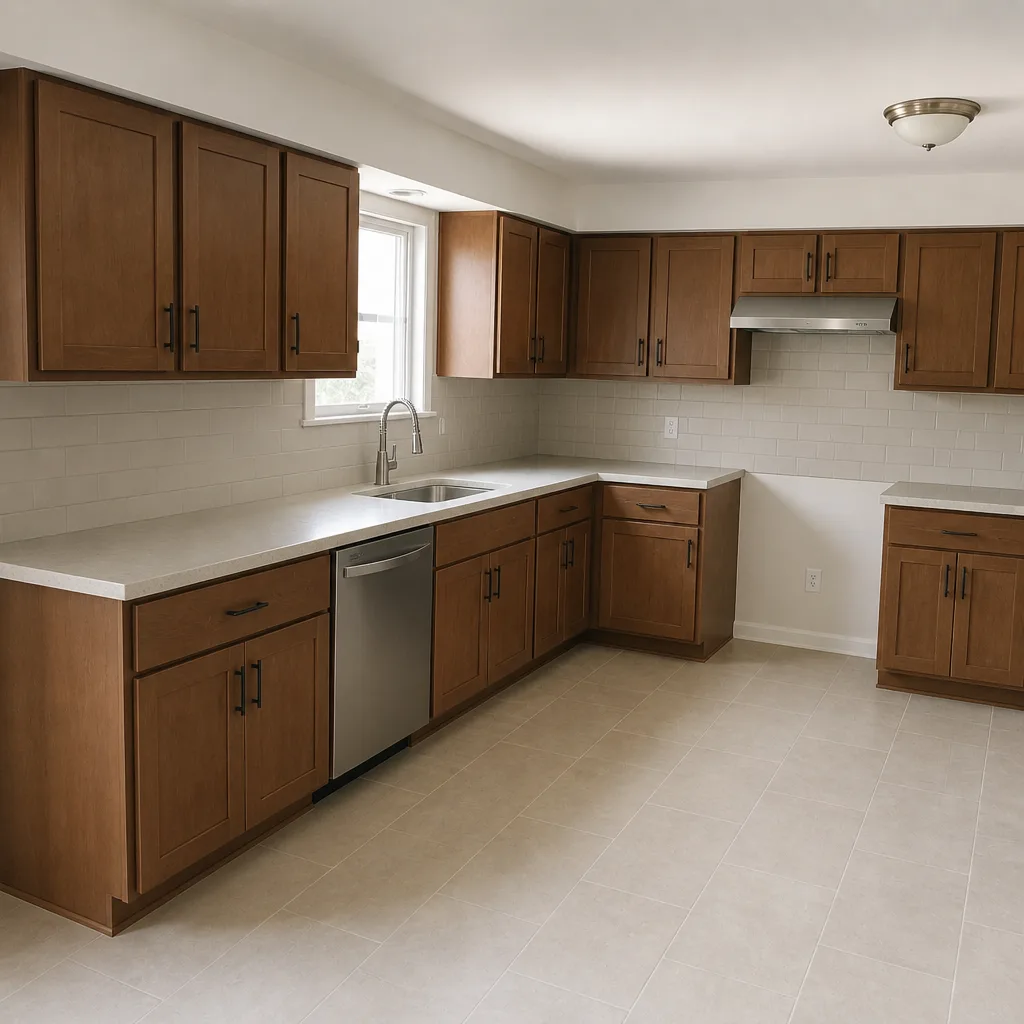 After
General Contractor vs Handyman in Enterprise, NV: Where the Line Actually Sits
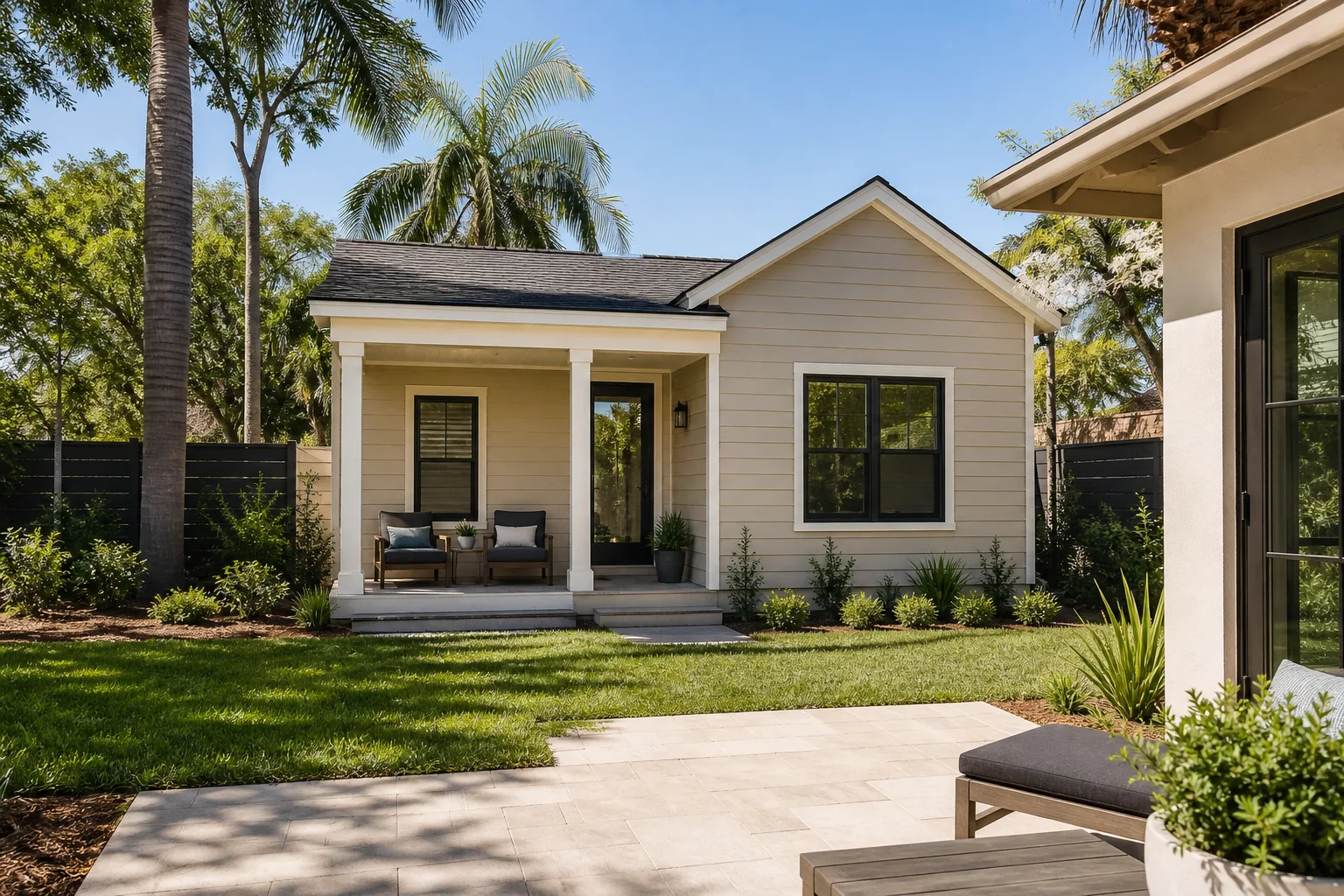
Choose a licensed general contractor when the job requires a Clark County permit, crosses $1,000 in combined labor and materials, or touches structure, electrical, plumbing, or mechanical systems. Choose a handyman for surface repairs that stay well under that threshold. In Nevada, the difference isn’t a matter of skill preference – it’s a legal line drawn by Nevada Revised Statutes 624, and in Enterprise’s tract housing, the work that most often crosses it is exactly the work homeowners assume a skilled handyman can handle. If you’re unsure which side of the line your project sits on, call Rowan Construction Group Enterprise at (833) 630-4077 for a free second opinion before anyone picks up a tool.
Why the License Class Matters More Than the Hourly Rate
Three facts separate a general contractor from a handyman in Nevada, and all three matter most precisely when the job goes wrong inside a wall.
- The $1,000 threshold. NRS 624 sets the contractor license threshold at $1,000 in combined labor and materials. Above that number, unlicensed work can void most homeowner insurance claims for resulting damage. That’s the legal consequence the generic comparison articles skip – your policy may simply not respond.
- Permit authority. A handyman cannot pull a building permit in Clark County. Structural, electrical, plumbing, and mechanical work all require a licensed general contractor to initiate the permit. A handyman can’t legally start that process.
- Performance bonding. Licensed contractors carry bonding requirements a handyman doesn’t. When something fails, there’s a mechanism to recover. With a handyman, there often isn’t.
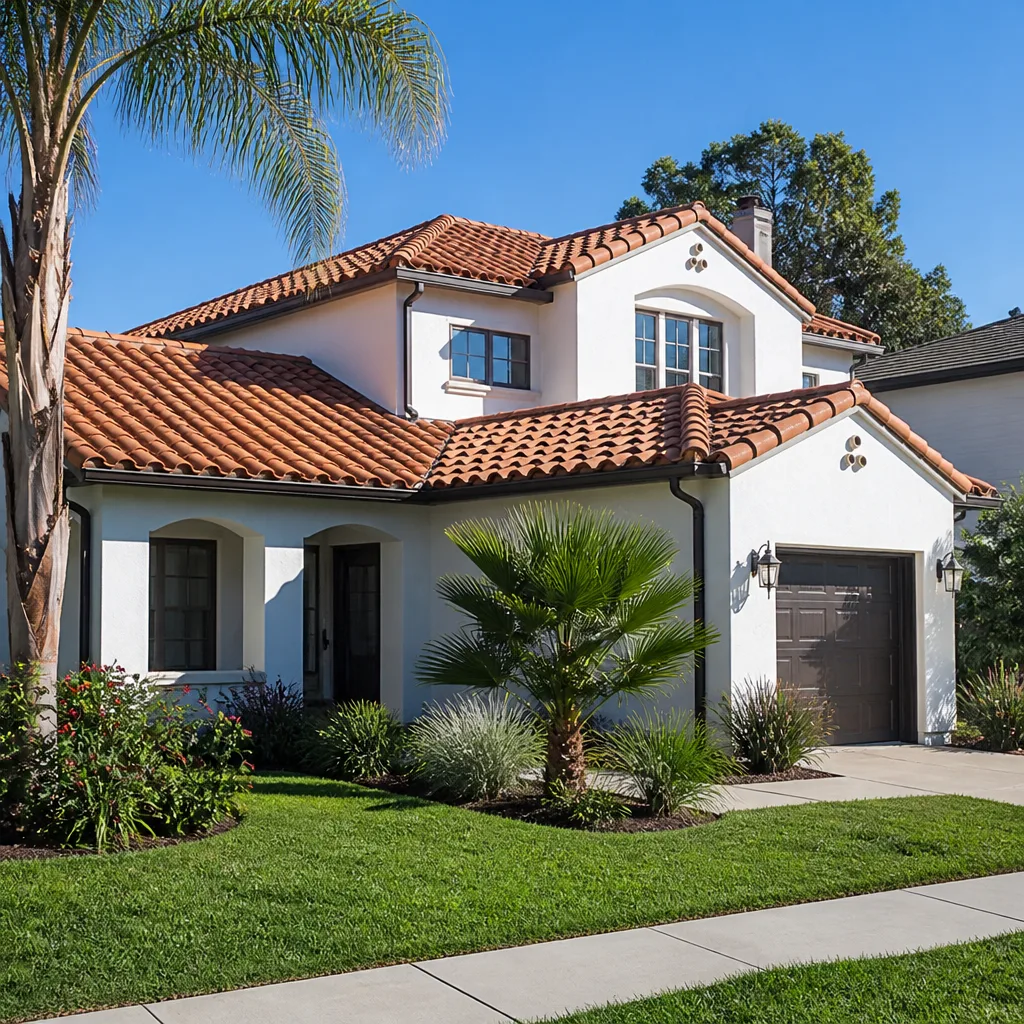
Here’s where this lands in Enterprise specifically. The community is unincorporated, so permitting runs through Clark County rather than a city building department. The housing stock is overwhelmingly tract housing built from the 1990s through the 2020s – two-story stucco homes with concrete tile roofs on small master-planned lots. Almost everything here is newer than the trade expects, which means contractors working in Enterprise are correcting builder-grade original finishes, not restoring century-old structures. And builder-grade work is exactly what looks like a simple repair on the surface and opens into a permitted scope underneath.
The Three Jobs That Most Often Cross the Line
In Enterprise, three categories of work get misclassified as handyman jobs more than any others. Each one carries permit requirements a handyman can’t satisfy.
Electrical panel upgrades
A 1998 panel in a tract home doesn’t have the capacity for a modern addition, an EV charger, or a converted garage. When a ceiling fan installation exposes undersized wiring, the job has already become an electrical scope. A handyman who wires a fan into an undersized panel has added load to a circuit that was never rated for it.
Structural wall removal
An open-concept remodel means removing a wall – and confirming whether it’s load-bearing. That’s a structural determination requiring an engineer’s input and a county permit. A handyman who cuts a header into a bearing wall creates a problem that surfaces during a resale inspection, not during the demolition.
Adding square footage
Home additions and garage-to-ADU conversions dominate Enterprise’s current renovation market. Both are permit-pulling, inspection-scheduled projects from foundation to final. A handyman cannot initiate that permit, so the work either proceeds unpermitted – a future title problem – or a GC steps in mid-project at higher total cost. ADU construction in Enterprise runs $90,000-$220,000 and garage conversions run $30,000-$80,000. At those numbers, the permitting question isn’t administrative overhead. It’s the whole basis for whether the square footage counts.
One more pattern worth naming: a leaking shower in a 2003 tract home can reveal a rotted subfloor that requires structural repair and inspection. A $400 repair becomes a $4,000 scope. The difference between a handyman and a general contractor in that moment isn’t the hourly rate – it’s whether the person who opened the wall was licensed to close it correctly and permitted to have the inspection signed off.
Side-by-Side: What You Actually Get
| What matters | Licensed general contractor | Handyman |
|---|---|---|
| Can pull a Clark County permit | Yes | No |
| Work over $1,000 combined labor and materials | Legal | Unlicensed |
| Insurance claim coverage for resulting damage | Generally preserved | May be voided |
| Performance bond | Required | Not required |
| Written price before work starts | Standard practice | Rarely |
| Signed change order for scope additions | Standard practice | Not offered |
That last row matters more than it looks. A handyman’s handshake may be sincere, but it isn’t a document. When a $400 repair creates a $4,000 insurance dispute, the question is whether there’s a written record of what was found, what was authorized, and what was done.
What Rowan Delivers That a Handyman Can’t Replicate
Rowan Construction Group Enterprise operates under The Haven Standard, a documented warranty and pricing framework. Clause 1 is the founding discipline: the price is written before anyone starts. Every project gets a flat written price and written scope before work begins, and no change proceeds until the change order is signed. Across 4,000-plus projects, that discipline keeps final costs within a few percent of the number the customer agreed to.
Every visit includes a documented photo record as a standard deliverable, not an add-on – so you have evidence of what was found and what was done. Our technicians have up to 19 years of experience and are background-checked and uniformed. Calls are answered by a live person 24/7. And the 365-Day Done Right Promise means if it isn’t done right, Rowan makes it right – backed by The Haven Standard, not a handshake. That warranty matters in Clark County, where unpermitted repairs surface during resale inspections.
For projects that fall within specific trades, the same discipline applies. Roof replacement runs $8,000-$20,000 and roof repair $400-$1,800, using IKO and Atlas shingles quoted honestly rather than inflated. Kitchen remodeling runs $14,000-$45,000 with KraftMaid or Wellborn cabinets and Cambria countertops named on the quote. Bathroom remodeling runs $9,000-$28,000. Window replacement runs $4,500-$15,000 – and in Enterprise’s master-planned subdivisions, original builder-grade windows and roofs often hit their 20-30 year replacement window at the same time, which is why whole-block re-roof and window waves roll through these neighborhoods under the Mojave sun. Fence installation runs $3,500-$10,000, paver driveways $7,000-$18,000, and drainage grading for monsoon runoff is scoped as part of the work rather than discovered after the first storm.
Bring a competitor’s written estimate and Rowan will review it line by line at no charge – a free second opinion, no pressure either direction.
Frequently Asked Questions
No. A handyman cannot pull a building permit in Clark County – only a licensed general contractor can initiate permits for structural, electrical, plumbing, or mechanical work. That restriction is the practical dividing line, and it’s why room additions and ADU conversions in Enterprise require a GC from the first day.
Above $1,000 in combined labor and materials, unlicensed work can void most homeowner insurance claims for resulting damage. Nevada Revised Statutes 624 sets that threshold, and the consequence shows up at claim time or resale inspection, not at the moment of the job. Call (833) 630-4077 for a free second opinion on any written estimate before you commit.
Usually yes, for surface work that stays well under $1,000 and involves no permit – a door adjustment, a patch, a fixture swap on a circuit already rated for it. The math changes the moment the repair opens into a structural or electrical scope, because a $400 handyman repair that creates a $4,000 insurance dispute wasn’t cheaper. Estimates are free if you want the scope checked first.
Ask whether it needs a permit. Structural changes, electrical panel work, plumbing, mechanical, and any addition of square footage all require one. If the answer is yes, or if the total crosses $1,000, you need a licensed GC. Rowan provides a written price and written scope before any work starts, so the decision is made on paper rather than guesswork.
If you’d rather have it looked at, Rowan Construction Group Enterprise offers a no-pressure assessment in Enterprise – call (833) 630-4077.
Written by the team at Rowan Construction Group Enterprise, serving Enterprise, NV.