
How to Choose the Right Construction Company in Enterprise
Pick a construction company in Enterprise by asking one question first: does this firm have a documented system for controlling scope, or does it want you to trust a verbal promise? Everything else – star ratings, pretty portfolio shots, how long they’ve been around – comes second to whether the price and the scope land in writing before anyone lifts a tool. The Nevada State Contractors Board logged more than 1,100 consumer complaints in fiscal 2023, and the leading category wasn’t sloppy workmanship. It was contract disputes. The fight was about what was agreed to, not about how the work turned out. That tells you where the risk actually lives.
If you’d rather not sort through licensing records and insurance certificates on your own, call (833) 630-4077 and we’ll walk you through what a clean quote package looks like.
Key Takeaways
- Verify the license on the NSCB website before anything else – it takes under three minutes.
- Ask for five documents before work begins: signed contract, material spec list with brand names, milestone payment schedule, written change order policy, and a certificate of insurance naming you.
- A detailed written quote protects you more than a low price ever will.
- How a contractor handles a scope change is where most Enterprise construction relationships succeed or break.
- Read a contractor’s permit and inspection records, not just their testimonials.
How do I verify a construction contractor’s license in Enterprise, NV?
Go to the Nevada State Contractors Board site and search the license number or the company name. You’ll see the license classification, the status, and any disciplinary history in one screen. It takes about three minutes. Do it before the first phone call, not after the deposit.
The status field is where people get tripped up. “Active” means the license is in good standing and the contractor can legally contract work in Enterprise right now. “Pending renewal” is a different animal – it usually means the renewal paperwork or fee hasn’t cleared, and while the contractor is likely still operating, you want to understand why it’s mid-cycle before you sign. A license that shows a lapsed or suspended status is a hard stop, no matter how good the referral was.
Two more things to check while you’re on that page:
- Classification. Nevada issues licenses by trade category. A residential remodeling classification isn’t the same as one that covers structural additions. If your Enterprise project is a home addition or an ADU, confirm the classification actually covers that scope.
- Disciplinary actions. Past complaints that were resolved aren’t disqualifying. A pattern of unresolved ones is.
A license number on a business card means nothing until you’ve matched it to the board record yourself. The number is a claim; the record is proof. Our technicians have up to 19 years of experience, and the first thing a careful one will do on an Enterprise job is ask to see the permit – because the paper trail starts before the first nail.
What five documents should a contractor produce before work starts in Enterprise?

Ask for these five before anyone swings a hammer. A company with a real system hands them over without friction. A company that stalls on any of them is telling you something.
- A signed contract. Not an estimate, not a proposal – a contract with the scope of work, the completion terms, and the warranty spelled out in plain language. Read the warranty section twice.
- A material spec list with brand names. “Premium shingles” is not a spec. GAF Timberline or Owens Corning Duration is a spec. When the brand is named in writing, you can price-shop it yourself and you know exactly what’s landing on your roof. The same goes for fixtures – a Grohe shower valve in a bathroom remodel is a line item, not an assumption.
- A payment schedule tied to milestones. Money should follow completed work, not a calendar. A large deposit up front with no milestone structure is the single most common complaint pattern we see.
- A written change order policy. This is the big one. The policy should say, in writing, that no change proceeds until the change order is signed. Under Clause 1 of The Haven Standard, that discipline is the whole point – it’s why projects finish within a few percent of the number the homeowner agreed to.
- A certificate of insurance naming you as additional insured. General liability coverage that names the homeowner protects you if something goes wrong on your property. Ask to be listed, and get the certificate before work starts.
If you bring a competitor’s quote to us, we’ll review it line by line at no charge as a free second opinion – not to sell you, but because half the quotes we see in Enterprise are missing two or three of those five documents entirely.
Why does a detailed written quote protect you more than a low price?
A low price with a vague scope is a down payment on a dispute. A detailed written quote is a vetting tool – it tells you whether the contractor has thought through your project, and it gives you something to compare apples to apples when the next bid comes in.
Here’s what a quote that’s actually useful looks like. The scope is broken out by room or by elevation, materials are named by brand and product line, labor and material are separated, and every allowance has a dollar figure attached. If a contractor bids “$18,000 for the kitchen” with no breakdown, you can’t tell whether they priced KraftMaid or Wellborn cabinets, and that $6,000 gap between two bids might be the cabinet line alone.
A flat written price before any work starts isn’t a process step – it’s the thing that makes the rest of the relationship work. The quote becomes the reference document. When a wall opens up and the substrate isn’t what anyone expected, you’re not negotiating from memory; you’re comparing against a written scope and a signed change order.
When you compare bids in Enterprise, line them up side by side:
- Does each quote name the same materials, brand for brand?
- Are the allowances realistic, or set low to make the bid look cheaper?
- Is the payment schedule tied to milestones or to dates?
- Is the change order policy attached?
The bid that answers all four is the one worth a second conversation, even if it isn’t the lowest number on the page.
What questions reveal how a contractor handles scope changes?

Scope changes are where most Enterprise construction relationships break down. The wall opens up, the plumbing isn’t where the drawings said, the homeowner wants a different tile – and suddenly the price is moving and nobody’s sure who agreed to what. The good contractors have a routine answer for this. The others get vague.
Ask these five questions before you sign:
- “If we find rot behind the siding, what happens to the price?” You want a process: a written change order, a price before work continues, and your signature before anything proceeds.
- “Who signs the change order, and does work ever start before I’ve signed?” The answer should be no, every time, without exception.
- “How do you document what you found?” You’re listening for a photo record – pictures of what was behind the wall, what the substrate looked like, what the old shingle layer count was. Our crews leave a documented photo record on every visit as standard, and it’s the single best defense against a dispute later.
- “Can I see a change order from a past project?” A contractor with a real system can produce one. If they can’t, the policy is a slogan.
- “How do you handle an allowance overrun – is it a change order or does it just show up on the final invoice?” It should be a signed change order, priced before the work, not a line item you discover at the end.
We’ve seen the alternative up close. A homeowner in Enterprise had a bathroom remodel where the tile was swapped mid-job and the price crept up by a few thousand dollars with no paperwork. The work was fine. The relationship wasn’t – and the final invoice was a debate, not a bill. The written change order is unglamorous, and it’s the thing that keeps projects boring, in the best sense.
That’s the moment to call a pro if you’re mid-project with a contractor who won’t put changes in writing. Call (833) 630-4077 and we’ll look at what you have.
How do you read a contractor’s past project records in Enterprise?
Testimonials tell you how a customer felt. Permits and inspection records tell you what actually happened. Ask for the permit history on past Enterprise projects – a contractor who pulls permits has nothing to hide and will produce them willingly.
What to look for:
- Permits pulled on jobs that needed them. Roofing, additions, ADUs, structural changes – most Enterprise work requires a permit and an inspection. A contractor who routinely works without one is leaving you holding the risk.
- Inspection records. A passed framing, electrical, or final inspection is a documented, third-party seal. Ask to see the record on a recent comparable job.
- Project photos with dates. A portfolio should show progress, not just the finished product. Before-during-after tells you whether the crew documented the work or just staged the reveal.
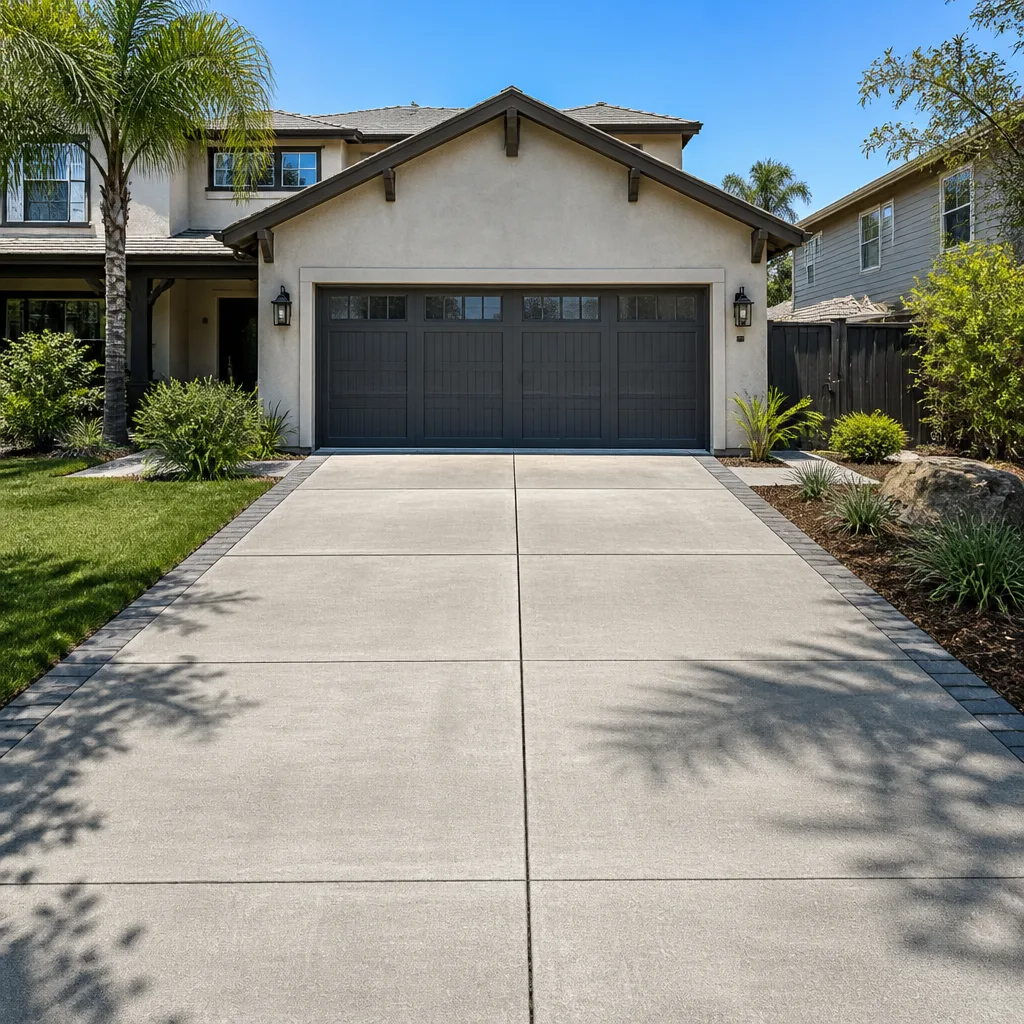
We’ve delivered more than 4,000 projects, and the one thing every one of them has in common is a documented record when the crew left – the written price, the signed change orders, and the photo record. That’s the standard we can show you, not just describe. If your Enterprise project involves a home addition or ADU, or new pavers on the driveway, the same documentation discipline applies across every trade, because the paper trail is what holds the project together.
When to call a pro
Some work is worth doing yourself. Some isn’t. If your project touches structural framing, electrical, gas, or roofing at height, hire a licensed Enterprise contractor – the risk of a botched job isn’t the cost of a redo, it’s what happens to the rest of the house. High-tension garage springs, panel work, and steep-roof shingle replacement are the classic examples: the wrong move causes serious injury or a flooding claim, and a trained pro earns their price in a single afternoon.
Related services in Enterprise: if you’re comparing contractors for exterior work, start with Driveway & Pavers in Enterprise and Fence Installation in Enterprise. For structural or square-footage changes, see Home Additions & ADU in Enterprise. You can also start with our Rowan Construction Group Enterprise home page and work from there.
The Bottom Line
Choosing a construction company in Enterprise comes down to the documentation. Verify the license on the NSCB site in under three minutes, check the status and the classification, and ask for the five documents before work starts. Use the quote itself as a vetting tool – a written price with named brands, milestone payments, and a written change order policy tells you more than any portfolio photo. Read the permit and inspection records. Look for a photo record. And ask how scope changes get handled, because that’s where projects in Enterprise actually earn or lose trust.
A written price before any work starts, a signed change order before any change proceeds, a background-checked and uniformed crew, and a live person answering the phone 24/7 – that’s the system. The 365-Day Done Right Promise backs it up. If you’re in Enterprise and need help, Rowan Construction Group Enterprise offers free estimates – call (833) 630-4077.
Frequently Asked Questions
Costs depend entirely on the trade and scope, which is why a written, line-item quote matters more than any advertised range. A kitchen remodel, a roof replacement, and a paver driveway sit in completely different price bands, and an honest contractor prices your specific project before quoting a number. Call (833) 630-4077 for a free estimate – you’ll get the price in writing before any work starts.
For most structural, electrical, plumbing, and addition work, yes. Clark County and Enterprise-area requirements mean a permit and an inspection on anything that changes structure or systems. A contractor who pulls the permit is documented and covered; one who works without it passes the risk to you. Ask to see the permit record on a recent comparable job.
A quote is suspiciously low when it’s vague – a single lump sum with no material brand names, no line-item breakdown, and no allowance figures. The shortcut is usually cheaper materials, skipped permits, or a change order surprise later. Compare quotes line by line, not at the bottom. Call (833) 630-4077 and we’ll review a competitor’s quote with you at no charge.
A change should get a written change order with a price before any work continues, signed by you first. That’s the discipline that keeps a project within a few percent of the agreed number. If a contractor wants to start a change before you’ve signed, that’s the moment to pause. Call (833) 630-4077 if you need a second opinion on a project that’s already underway.
Written by the team at Rowan Construction Group Enterprise.
Need Construction Help?
Call Rowan Construction Group Enterprise - licensed & insured, here with fast after-hours help in Enterprise.
(833) 630-4077