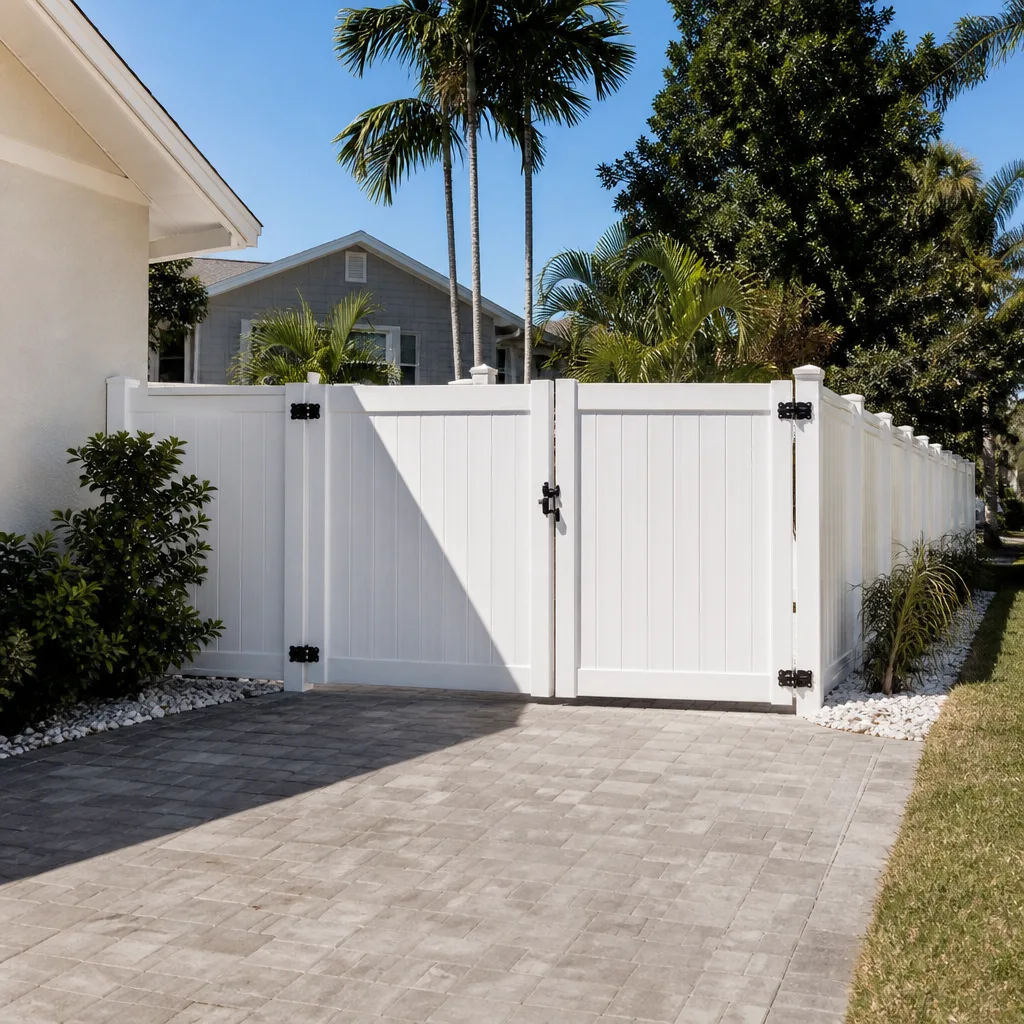
Free written scope consultation - allowances, timeline, and change-order rules on paper before a single trade is scheduled
Styles & brands we work with
- Kitchen remodeling
- Bathroom remodeling
- Home additions & ADU
- Roofing
- Windows & doors
- Driveway & pavers
- Fence
See the difference
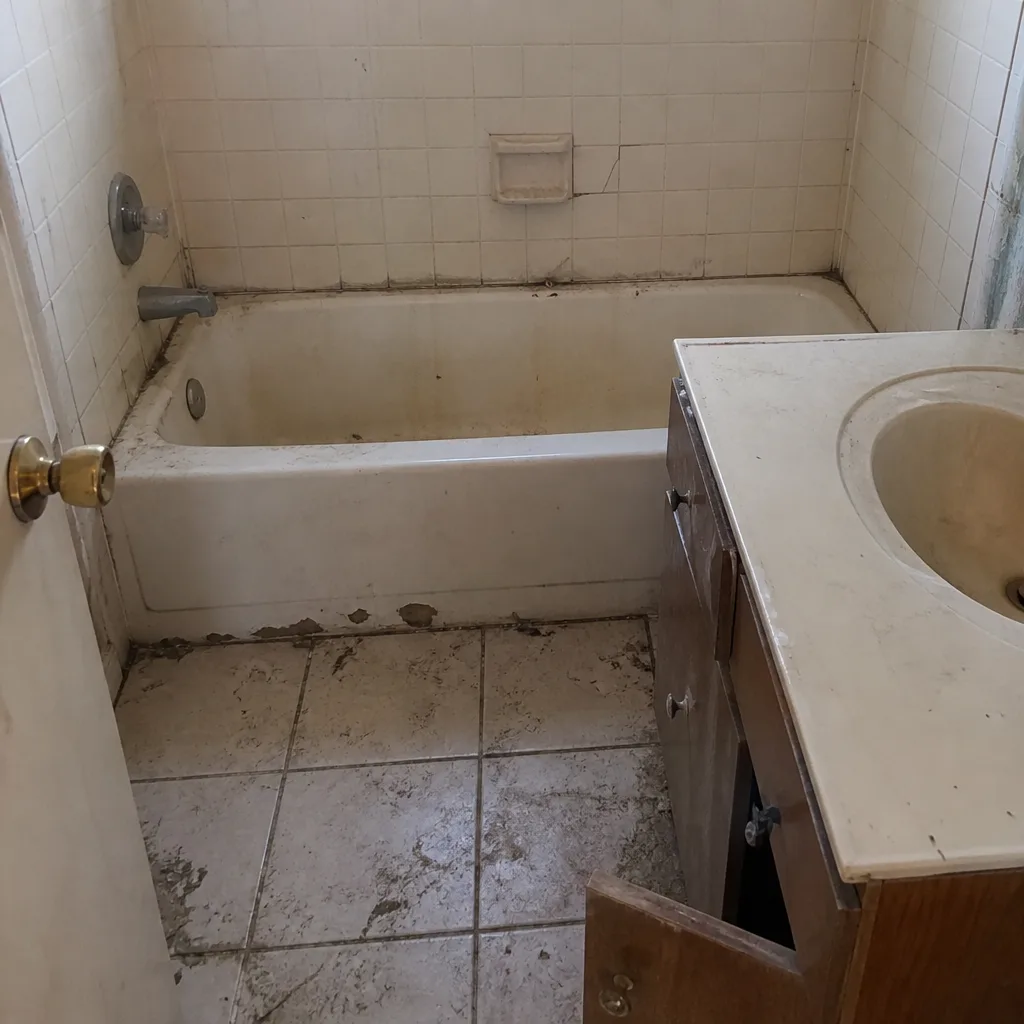 Before
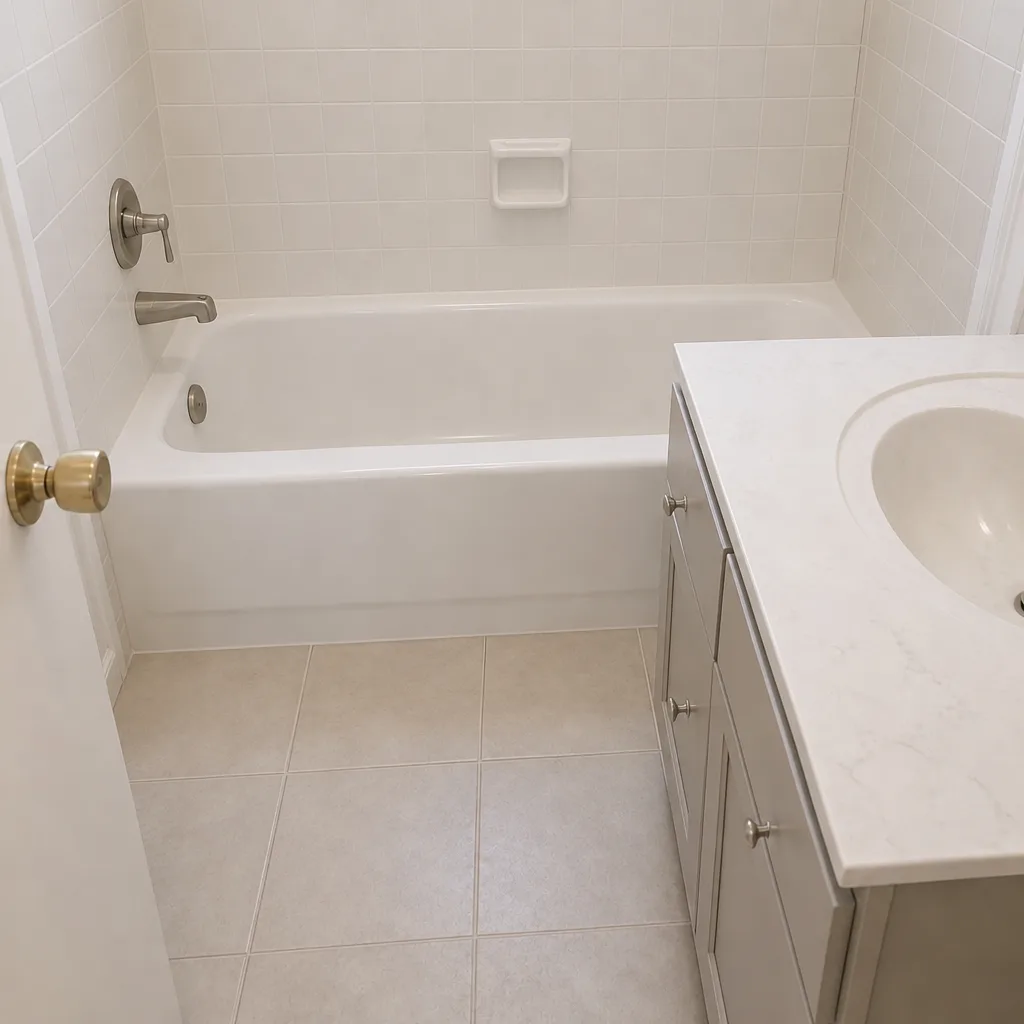 After
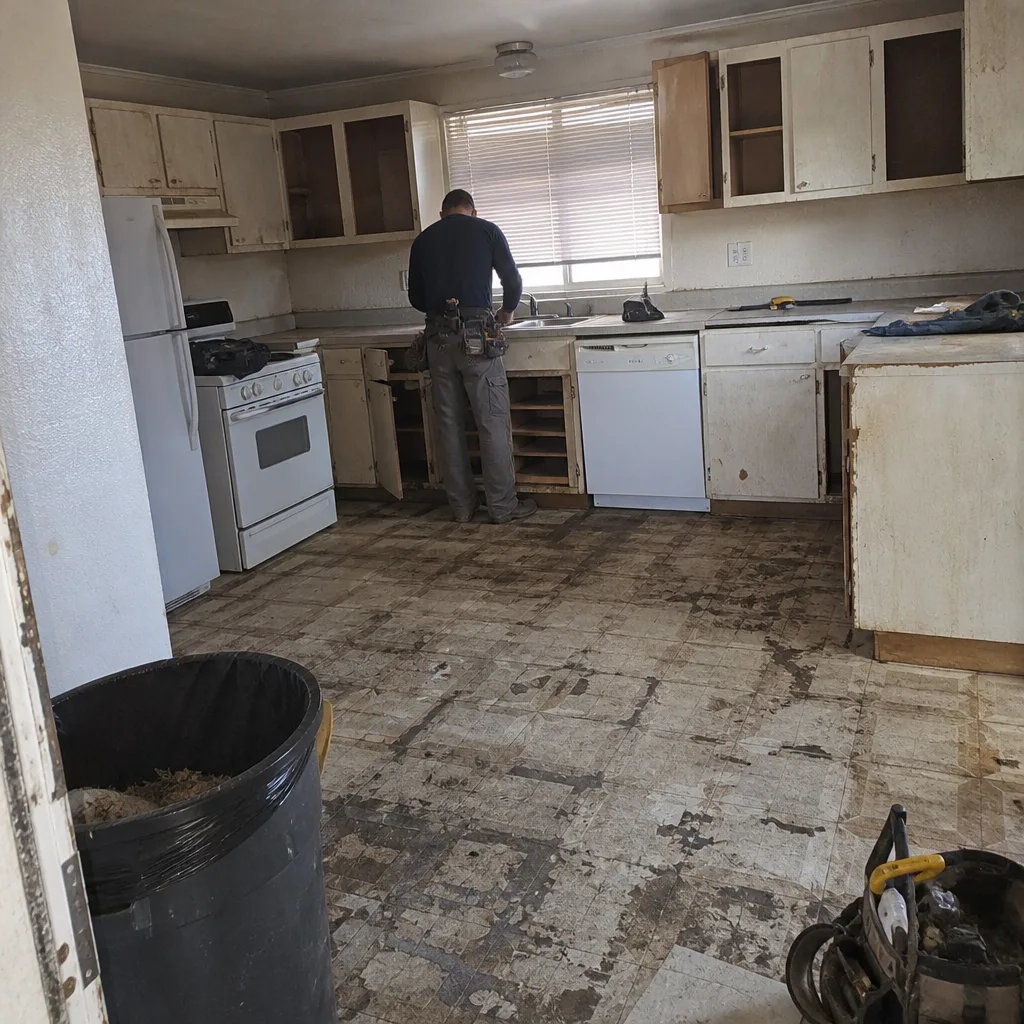 Before
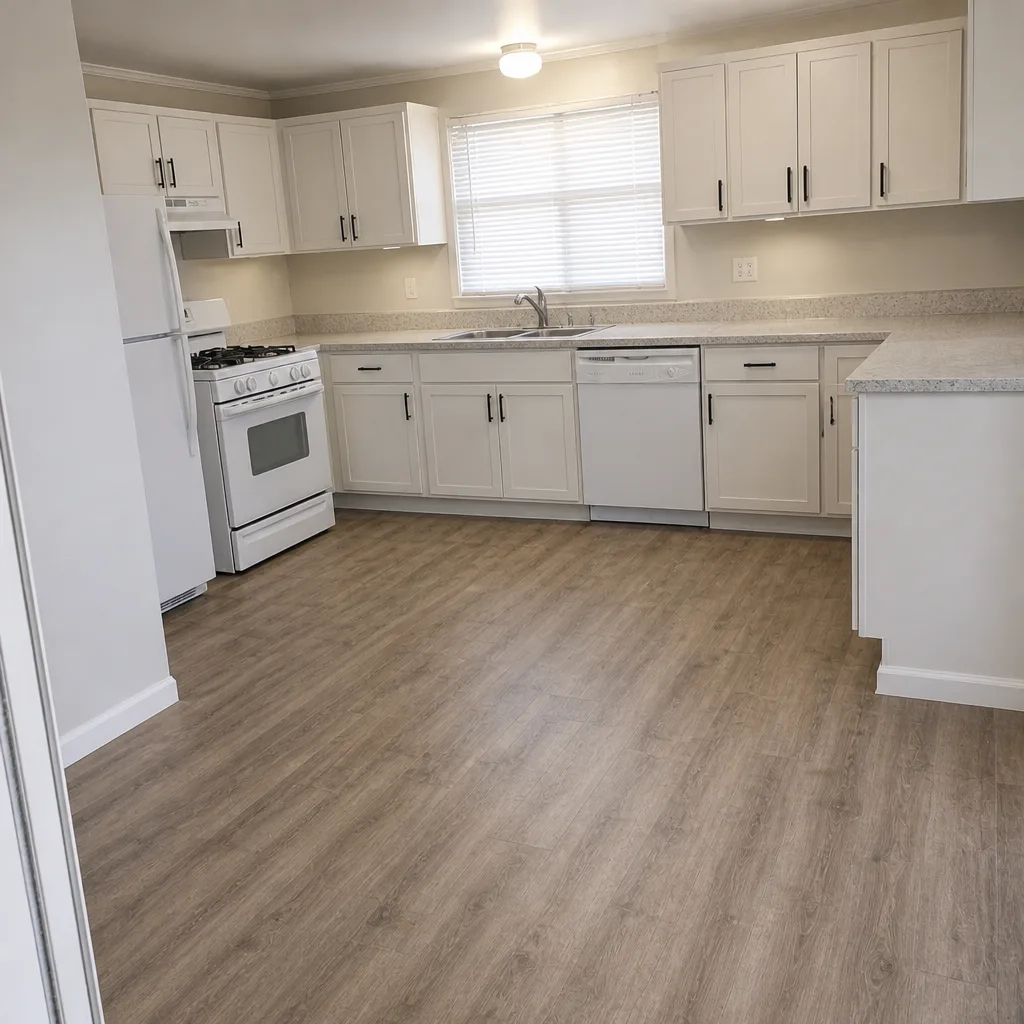 After
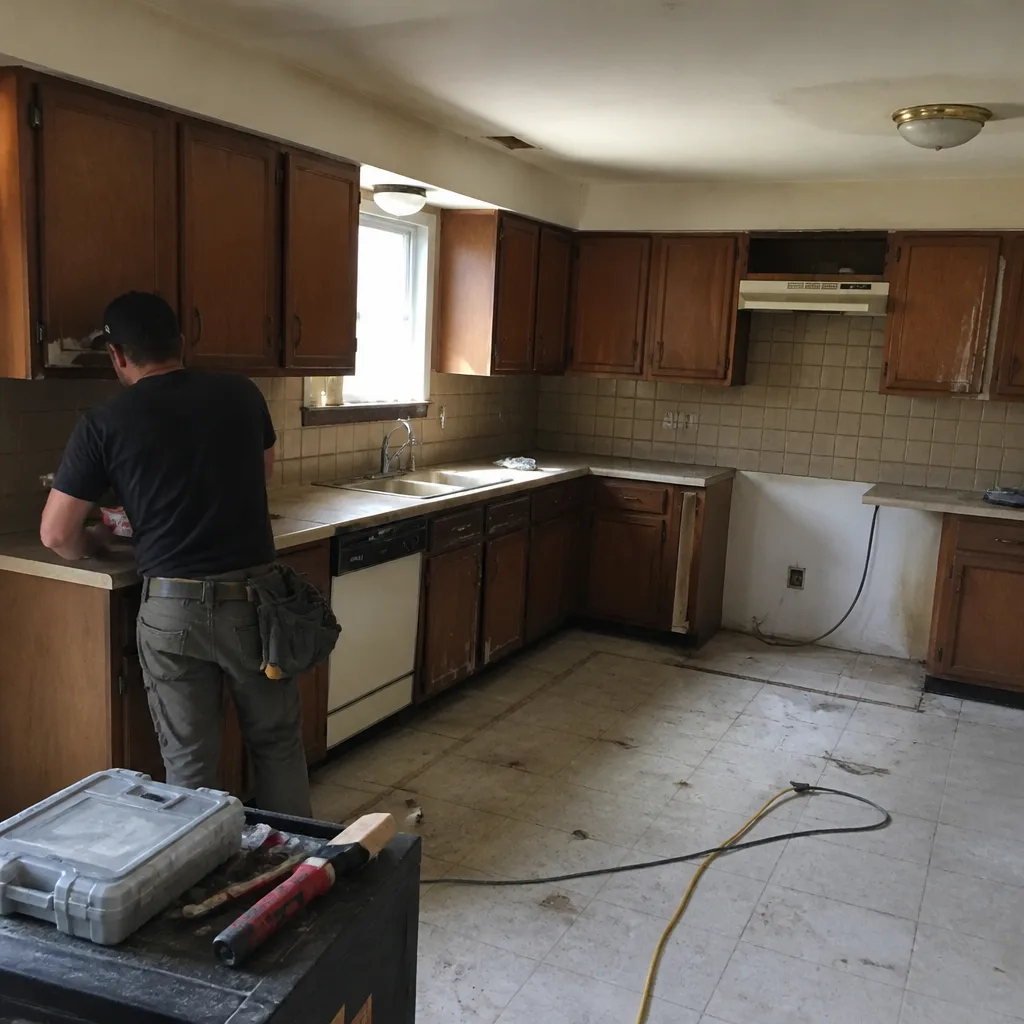 Before
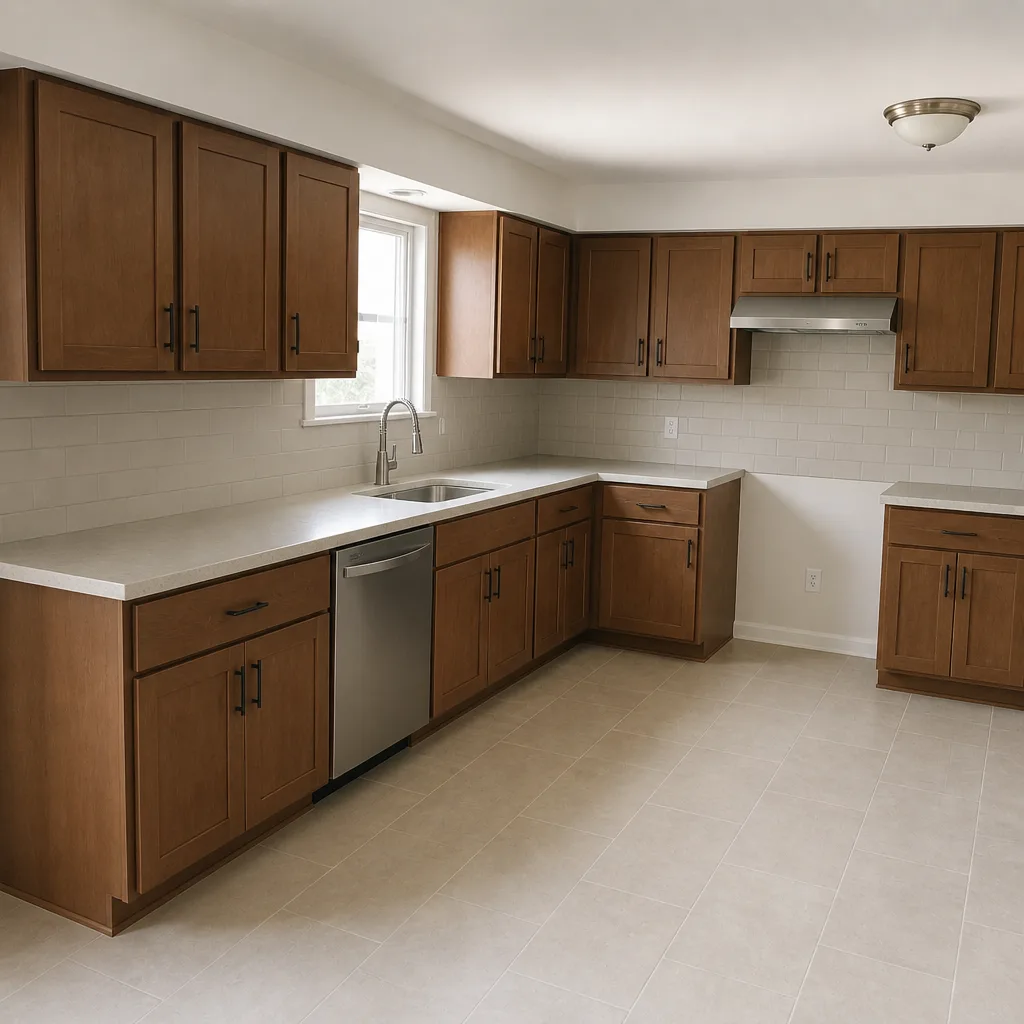 After
What an ADU Costs in Enterprise, NV – and Why the County Number Is Higher Than the Online Calculator
An ADU in Enterprise, NV typically runs $90,000-$220,000 for construction, and most homeowners land in the $45,000-$130,000 band once they’re converting an existing garage rather than building detached. But here’s what the calculators miss: because Enterprise is unincorporated Clark County, not the city of Las Vegas, your ADU is governed by county setbacks, lot-coverage limits, and utility hookup fees that add $6,500-$18,000 to the budget before a single wall goes up. Call (833) 630-4077 for a written price that itemizes every one of those fees – not a vague “permit allowance.”
The Clark County Add-Ons That Blow Up a Generic ADU Budget
Nevada’s state ADU law preempted local bans, so you can build. What the state law did not do is make the county’s fee schedule disappear. In unincorporated Enterprise, three line items consistently appear on ADU projects and almost never appear on the internet calculators:
- Plan check and permit fees. Clark County Building reviews ADU plans as a separate submittal, and the fee scales with valuation. Budget accordingly, not as a rounding error.
- Separate utility connections. If the ADU gets its own meter, NV Energy charges a connection fee, and parcels that need new sewer or water stubs also carry Clark County Public Works connection charges. On some Enterprise lots the sewer stub is already there; on others it isn’t, and that alone swings the number by thousands.
- Owner-occupancy covenant recording. Clark County requires the owner-occupancy stipulation to be recorded against the deed in many ADU approvals. That’s a title recording fee and a step in the process, not a formality you can skip.
Together those add-ons run $6,500-$18,000 depending on the parcel. They are knowable before construction starts, which is exactly why our written quote lists each one as its own line under the Haven Standard’s Clause 1 – the price is written before anyone picks up a tool. You should be able to screenshot the number and compare it, not guess at what “permit allowance” means.
Garage Conversion vs. Detached New Build: Two Very Different Numbers
The single biggest fork in an Enterprise ADU budget is whether you’re converting the existing garage or building new in the backyard. They are not close in cost, and they are not close in how the county treats them.
| ADU Type | Typical Cost Range | What Drives the Number |
|---|---|---|
| Garage conversion | $85,000-$135,000 | Existing slab and walls, new insulation, kitchenette, bath, egress, HVAC |
| Detached new build | $140,000-$210,000 | Full foundation, framing, roof, utilities trenching, setbacks on small lots |
| Full ADU construction (broader) | $90,000-$220,000 | Scope, finishes, and whether utilities are new |
| County add-ons (plan check, utility, covenant) | $6,500-$18,000 | Parcel-specific; itemized in our quote |
Enterprise’s housing stock is dominated by two-story stucco tract homes on small master-planned lots, most built from the 1990s through the 2020s. A detached ADU on a small lot runs straight into rear and side setback minimums under county rules, and lot-coverage limits can push the footprint smaller than you planned. A garage conversion sidesteps most of that because the structure already sits where it sits. If you’re weighing the two, the Home Additions & ADU in Enterprise page walks through the local constraints in more detail, and our broader Home Additions & ADU page covers the full scope of what we build.
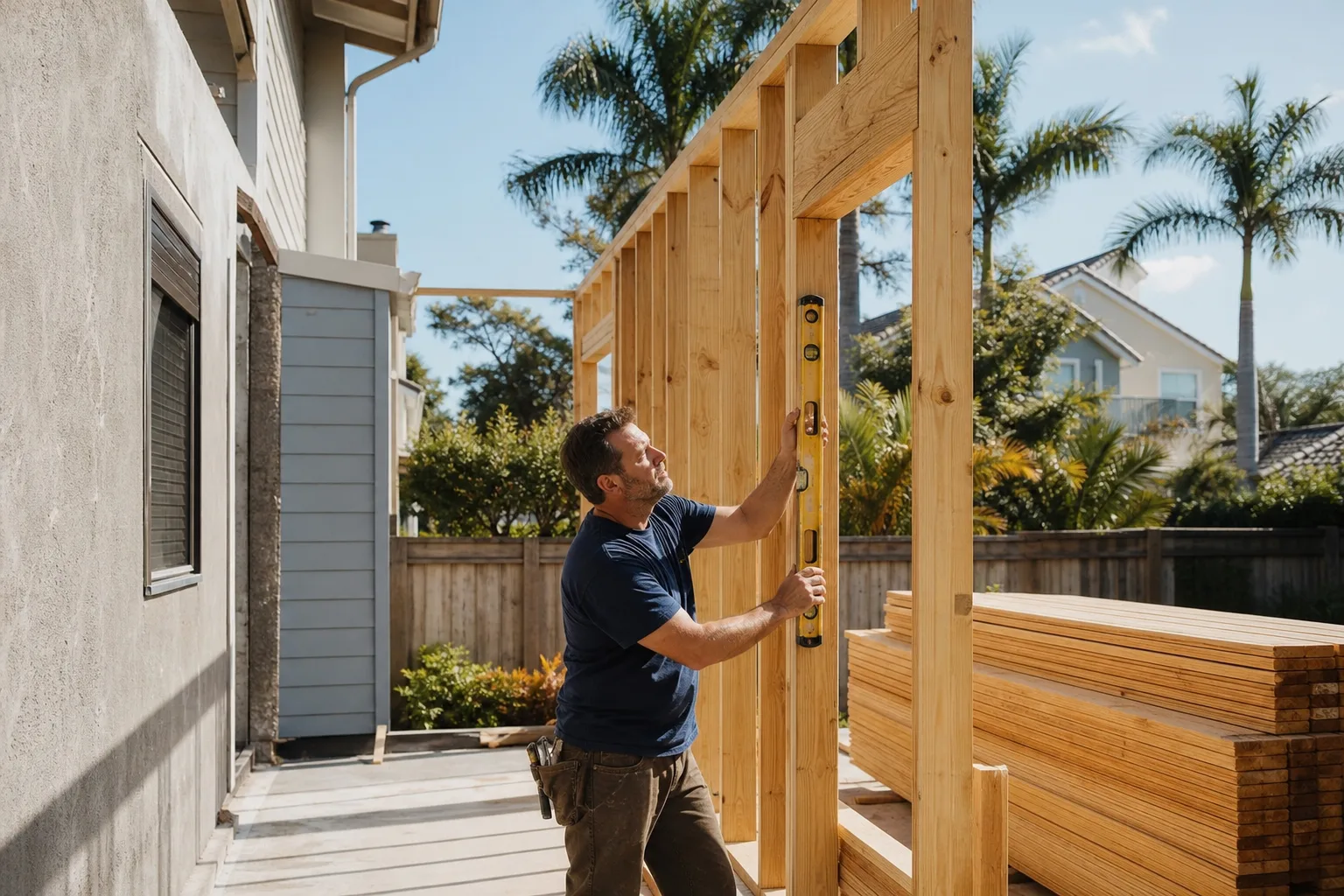
Why Your ADU Needs Its Own HVAC in Enterprise’s Heat
This is the cost line every generic ADU guide skips. Enterprise sits in the Mojave Desert, with summer highs routinely above 105°F and stretches that hit 108°F. A 500 sq ft ADU under a concrete tile roof with no attic buffer between the tile and the ceiling is a heat box, and sharing the main house’s HVAC consistently fails to hold a livable temperature.
The practical answer is a dedicated mini-split – a Mitsubishi or Daikin system sized at a minimum 1.5 tons for that square footage, running $3,800-$5,400 installed. It’s not an upgrade to skip and catch later; it’s a design decision that has to be in the plan. And because the stucco-and-tile tract homes across Enterprise frequently have original builder-grade roofs and windows now hitting their 20-30 year replacement window at the same time, we often find an ADU project is the moment to address a failing roof deck or single-pane windows on the main house too. That’s a conversation worth having early, not mid-build.
How Rowan Construction Group Enterprise Prices ADU Work
Every ADU project gets a flat written price and a written scope before work begins – permit fees, utility connection charges, and the covenant recording included as identified line items, because those numbers are knowable up front. No work proceeds on a change until the change order is signed, the discipline that has kept our projects within a few percent of the agreed cost across 4,000-plus jobs since 2007. Our technicians have up to 19 years of experience, crews are background-checked and uniformed, and every visit includes a documented photo record as a standard deliverable.
The 365-Day Done Right Promise covers ADU work specifically: if a county inspection turns up a deficiency after the certificate of occupancy is issued, we correct it at no additional charge. We also offer a Free Second Opinion on any written estimate – bring a competitor’s quote and we’ll review it line by line at no cost. And if the project scope grows into roofing or window work, we source across vetted brands like Owens Corning and IKO so the quote carries honest material numbers rather than padded ones.
FAQs
An ADU in Enterprise runs $90,000-$220,000 for construction, or $45,000-$130,000 for a more modest conversion, plus $6,500-$18,000 in Clark County plan check, utility connection, and covenant recording fees. Call (833) 630-4077 for an exact written quote – estimates are free.
A garage conversion is typically cheaper, at $85,000-$135,000 versus $140,000-$210,000 for a detached new build. The gap comes from reusing the existing slab and walls and avoiding the setback and lot-coverage squeeze on small master-planned lots. Call us and we’ll price both scenarios for your specific parcel.
Yes, in nearly every case. A 500 sq ft ADU under a concrete tile roof with no attic buffer needs a dedicated 1.5-ton mini-split (Mitsubishi or Daikin, $3,800-$5,400 installed) to hold temperature through 108°F summer days – shared HVAC from the main house won’t keep up. Call (833) 630-4077 to size it correctly from the start.
Yes – permit fees, NV Energy connection charges, and the owner-occupancy covenant recording are itemized in our written price before work starts, not buried in a permit allowance. Under the Haven Standard, no change proceeds without a signed change order. Call (833) 630-4077 for a free estimate with every county fee listed out.
Get Your ADU Number in Writing
Before you commit a dollar to an ADU in Enterprise, get the county fees, the HVAC sizing, and the construction cost in one written price you can hold. Rowan Construction Group Enterprise puts the number on paper first – call (833) 630-4077 for a free estimate, or bring a competitor’s quote for a free second opinion. No urgency theatre, no guesswork. Just the number.
Written by the team at Rowan Construction Group Enterprise, serving Enterprise, NV.
What Our Customers Say
"Fence and retaining wall along a sloped boundary. They photographed the footing depth at each post, which mattered when the county inspector came."
- Iona F."Final invoice was within two percent of the contract. Every change was priced and signed before anyone picked up a tool."
- Malcolm T."Driveway replaced properly with a base that will actually last. They explained why the cheaper quote was cheaper."
- Reggie O.