Last updated November 18, 2026
Free written scope consultation - allowances, timeline, and change-order rules on paper before a single trade is scheduled
The Complete Windows & Doors Guide for Enterprise Homeowners
A window rated with a Solar Heat Gain Coefficient of 0.40 lets in roughly twice the solar heat of one rated 0.22. In a Las Vegas valley home, that gap can add $200 to $400 a year to cooling costs, depending on which way the glass faces. In Enterprise, NV, where we average 294 sunny days and push past 105°F most summers, that number on the NFRC label matters more than the frame color, the showroom display, or the sales pitch. This guide covers what those numbers mean, how the four common frame materials hold up under desert UV, what Clark County requires before you pull a permit, and how Andersen, Pella, Marvin, and Jeld-Wen compare on price, warranty, and lead time in the Enterprise market.
Quick Answer
For Enterprise homeowners, window and door selection is a thermal performance decision first and an aesthetic one second. Aim for a U-factor below 0.30 and a Solar Heat Gain Coefficient below 0.25 on south- and west-facing openings, and compare every product by its NFRC label rather than by brand reputation. Frame material, glass package, and installation quality together determine whether the replacement actually lowers your summer cooling load or just looks newer.
Styles & brands we work with
- Kitchen remodeling
- Bathroom remodeling
- Home additions & ADU
- Roofing
- Windows & doors
- Driveway & pavers
- Fence
Table of Contents
- What NFRC Labels Mean and Which Numbers Matter Most
- Frame Materials Compared for Desert Conditions
- Nevada Energy Code and Clark County Permit Rules
- Glass Packages: Low-E, SHGC, and Visible Transmittance
- Choosing Exterior Doors for a High-UV Climate
- Brand Comparison: Andersen, Pella, Marvin, and Jeld-Wen
- What a Correct Installation Actually Involves
- Lead Times and Planning for the Enterprise Market
What NFRC Labels Mean and Which Numbers Matter Most
Every window sold in the United States carries a label from the National Fenestration Rating Council (NFRC), a third-party certification body. That label reports four numbers, and each one answers a different question. Learning to read them lets you compare a $400 vinyl slider and a $1,400 fiberglass casement on the same terms.
- U-factor measures how fast heat escapes the home. Lower is better. In Enterprise, we target U-factor below 0.30 for all conditioned spaces, and below 0.28 for north-facing windows that lose heat on winter nights.
- Solar Heat Gain Coefficient (SHGC) measures how much solar heat passes through the glass. Lower is better on sun-facing openings. South- and west-facing windows in Enterprise should sit at 0.25 or below to control afternoon cooling load.
- Visible Transmittance (VT) measures how much daylight passes through. Higher is better for brightness, but it trades off against SHGC. A SHGC of 0.22 usually means a VT around 0.35 to 0.45.
- Air Leakage (AL) measures how much air slips past the frame and seals. Lower is better, and 0.3 cfm/ft² or less is the standard we look for.
The trap is comparing across brands without the label. A Pella window with an SHGC of 0.30 and an Andersen window with an SHGC of 0.24 look identical in a brochure, but they perform differently on a west wall in Enterprise. The NFRC number is the only honest comparison.
Frame Materials Compared for Desert Conditions
Frame material drives lifespan, maintenance, and how well the window handles 105°F heat and single-digit winter nights. The four options below cover most of the residential market, and each has a clear trade-off in Enterprise’s climate.
- Vinyl: Low maintenance, mid-range price, and it holds up well for the first decade. The concern in Enterprise is UV degradation. After about 15 years, cheaper vinyl formulations can chalk, yellow, or develop hairline cracks at the corners. Stick with premium vinyl with a UV-stabilized capstock if you go this route.
- Fiberglass: The longest lifespan of the four, and the only one with a thermal expansion rate close to glass, which matters during Enterprise’s 40-plus-degree daily temperature swings. Highest upfront cost, usually 20 to 40 percent more than comparable vinyl. A fiberglass frame can hold for 30 years or more in desert conditions.
- Aluminum: Lightweight, strong, and the cheapest to fabricate, but aluminum is a thermal bridge. Without a thermal break (an internal polyamide or resin barrier), an aluminum frame will conduct heat straight through the assembly and the U-factor advantage of your glass package disappears. Specify thermally broken aluminum or skip it.
- Composite: A wood-flour and polymer blend that lands mid-range on price, lifespan, and maintenance. It resists rot better than wood and expansion better than vinyl, but it’s a smaller share of the market, so getting replacement parts in Enterprise for an installed composite frame can mean longer waits.
Our experience across thousands of desert installations is that vinyl and fiberglass cover the widest range of Enterprise homes: vinyl for cost-sensitive replacements, fiberglass for openings that see full west sun and will be in place for 25 years.
Nevada Energy Code and Clark County Permit Rules
Nevada follows the International Energy Conservation Code (IECC) with state amendments, and Clark County enforces it for both new construction and replacement windows. The rules differ depending on whether you’re replacing a window “like-for-like” or changing the opening. Getting the classification right saves weeks of permit time and avoids a failed inspection.
Like-for-like replacement means swapping a window of the same size and operation into the same rough opening with no structural change. In Clark County, this usually qualifies as an over-the-counter or simple residential permit rather than a full design review. New openings, enlarged windows, added doors, or any change to the framing or header require a full permit with drawings, and that process takes longer.
- Confirm the scope with your contractor in writing: like-for-like, or new opening.
- Have the contractor pull the permit before any window is ordered, since some products require spec sheets on the application.
- Schedule the inspection after installation but before final payment. Inspection confirms the flashing, the NFRC label, and the U-factor/SHGC meet the energy code.
- Keep the signed-off permit and the NFRC labels. They matter at resale.
We pull permits on every job that needs one, and we leave the customer with the signed inspection card. Replacing a window without a permit can complicate a home sale, and in Enterprise’s 2015-to-2025 housing stock, buyers are checking.
Glass Packages: Low-E, SHGC, and Visible Transmittance
The glass package does more of the thermal work than the frame. Low-emissivity (low-E) coatings reflect specific wavelengths: some reflect the long-wave heat your home radiates back inward, others reflect the short-wave solar heat that enters from outside. Which coating you choose depends on orientation.
For Enterprise’s climate, the sensible default is a low-E coating with an SHGC of 0.20 to 0.25 on west and south elevations, paired with a slightly higher SHGC (0.30 to 0.35) on north and east, where the goal is capturing winter solar gain rather than excluding it. Argon or krypton gas between the panes raises the internal R-value and slows convective heat transfer. A triple-pane assembly pushes the U-factor below 0.20, but in Enterprise the incremental cost (often $80 to $150 per opening) rarely pays back against the cooling savings, given our heating load is modest compared to Phoenix or Reno.
The visible transmittance of a lower-SHGC glass drops, which means a room facing the western sun can feel dimmer in the late afternoon. In our experience, Enterprise homeowners are happier with an SHGC of 0.24 and a VT of 0.42 than with an SHGC of 0.18 and a VT of 0.30. The daylight figure is a comfort decision, and it’s worth seeing a physical sample in your own room before signing.
Choosing Exterior Doors for a High-UV Climate
Exterior doors face the same solar load as windows, but with an added concern: the door slab is a large flat surface with few ways to shed heat. Steel and fiberglass are the two dominant slab materials, and both work in Enterprise as long as the finish system holds up.
Steel doors offer a higher strength-to-weight ratio and cost less at the low end, but in a high-UV climate steel expands and contracts more than fiberglass. A dark-colored steel door on a west-facing elevation can reach surface temperatures above 150°F on a summer afternoon, and thermal cycling stresses the paint film and the weatherstripping. Fiberglass slabs expand less and resist denting and rust, and the mid-range cost difference (roughly $150 to $300 per door) is usually worth it in Clark County.
Threshold sealing is the second consideration specific to Enterprise. Dust infiltration during spring windstorms and monsoon gusts comes in past a poorly fitted threshold, not the door slab itself. Specify a door with an adjustable threshold and a multi-point lock if you have flex in the budget, and check the primary seal at the sweep. For doors with glazing, sidelites and transoms need low-e glass with the same SHGC standards as the windows, or the entry becomes a heat trap in the front hall. We routinely see sidelites installed with clear glass and a 0.60 SHGC in this market, and that turns the foyer into a hot box on a July afternoon.
Brand Comparison: Andersen, Pella, Marvin, and Jeld-Wen
The four brands below account for the majority of replacement windows in the Enterprise market. Price tier and warranty coverage vary by product line within each brand, so comparing a premium Andersen to an entry-level Jeld-Wen isn’t apples to apples. The table reflects what we see in the field, not marketing materials.
- Andersen: Mid-to-premium price tier, strongest in the $600 to $900 per opening range for a 400 Series double-hung in a standard size. Warranty on the 400 Series is a 20-year limited warranty on the frame and glass. Lead time in the Enterprise market runs six to ten weeks on standard sizes.
- Pella: Similar price tier to Andersen, with a slight premium on the wood-interior and architectural lines that runs $900 to $1,400 per opening. Pella’s warranty terms vary by line, with 10-year to lifetime limited warranties on select products. Lead time runs eight to twelve weeks for most standard sizes ordered into Southern Nevada.
- Marvin: Premium tier, typically $1,100 to $1,800 per opening for standard product and higher on the custom lines. Marvin’s warranty is 10 to 20 years depending on the product family. Lead times commonly run ten to fourteen weeks, which makes Marvin a longer planning cycle for a whole-house replacement in Enterprise.
- Jeld-Wen: Entry-to-mid tier, generally $350 to $650 per opening. Warranty coverage on the builder-grade vinyl lines is shorter than the premium lines, and we recommend the premium vinyl series if you’re planning to stay in the home more than 15 years. Lead time is typically four to eight weeks, the fastest of the four in the Enterprise market.
None of these brands should be promoted over the others without data. What matters is whether the product meets the U-factor and SHGC targets for your specific elevations, whether the warranty covers the frame and glass separately, and whether the lead time fits your project window.
What a Correct Installation Actually Involves
The best window in the wrong rough opening is a problem, not an improvement. Installation details determine whether the NFRC numbers reflect real-world performance.
- Measure and confirm the rough opening. Out-of-square openings are common in Enterprise’s 2000-to-2020 housing stock, and a window shimmed to fit without flashing and backer rod will leak air and water.
- Remove the old unit and inspect the framing. Water damage and deteriorated flashing from previous installs are frequent. Wood rot at the sill has to be addressed before the new window goes in.
- Install a properly integrated flashing system. Self-adhesive flashing tape on the sill and jambs, lapped in shingle fashion, prevents wind-driven rain from reaching the rough opening. Skip this and the window will leak in the first monsoon.
- Insulate the gap and set the window plumb and square. Low-expansion spray foam around the frame, then a careful shim to keep the frame from racking, which binds the operation and shortens the hardware life.
- Seal and trim. Interior trim against the drywall, exterior caulk against the sheathing and siding, and a threshold sweep on doors. Leave a small drain gap at the sill so water that reaches the frame has somewhere to go.
Every window replacement should include a documented photo record of the flashing, the shimmed frame, and the sealed exterior. We provide that as a standard deliverable, not an add-on.
Lead Times and Planning for the Enterprise Market
Order-to-installation lead time in Enterprise runs four to fourteen weeks depending on the brand and the number of custom sizes. The planning calendar looks like this:
- Weeks 1 to 2: Measure and inspection. Contract and pricing confirmed before any order is placed, with the written scope and warranty stated on paper.
- Weeks 2 to 3: Permit application and any structural review required for new openings.
- Weeks 3 to 14: Order and manufacturing lead time, varying by brand as noted above.
- Weeks 10 to 16: Installation of most openings, typically two to four days for a whole-house replacement, followed by the inspection and the final walkthrough.
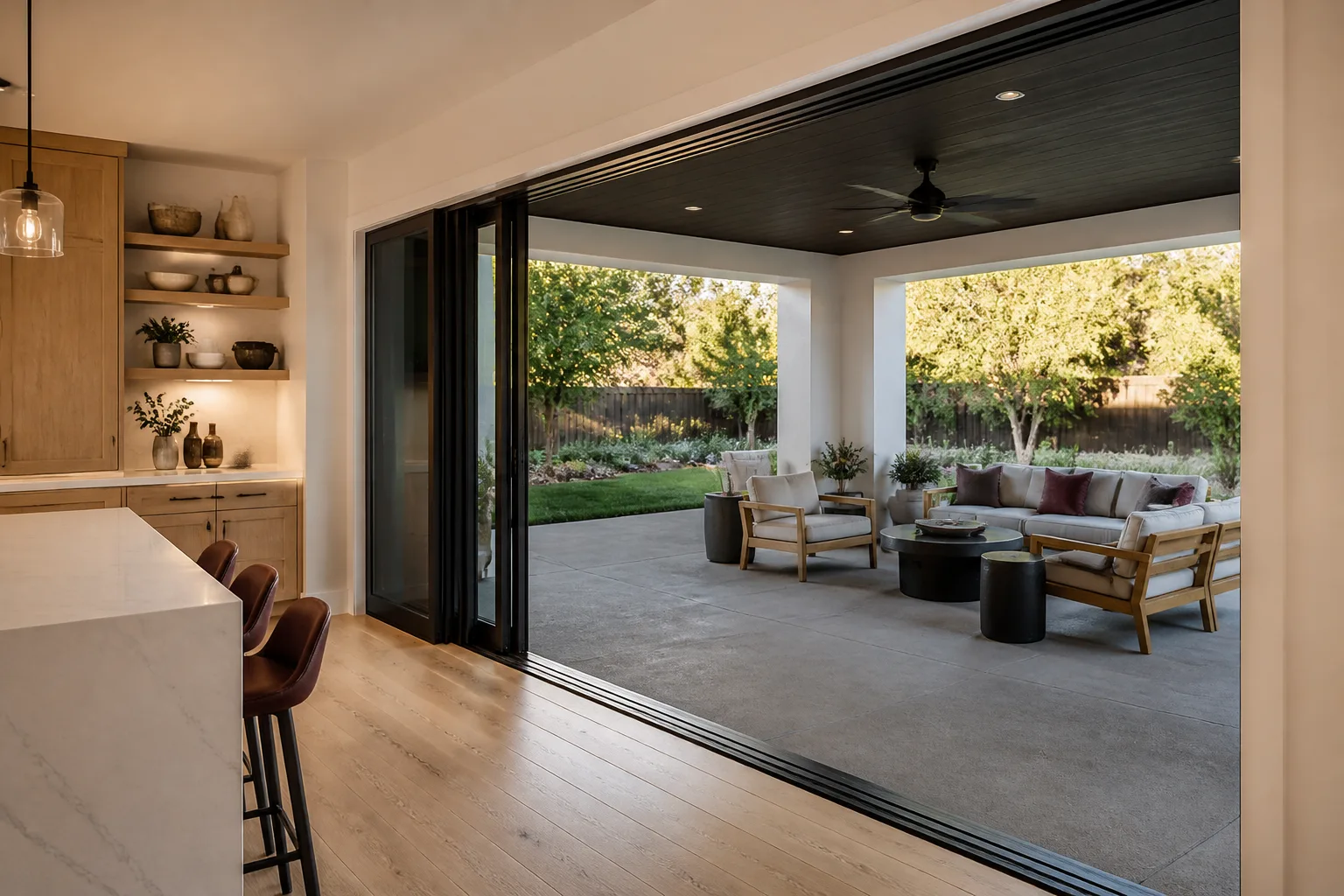
Ordering in winter and installing in spring is a common pattern in Las Vegas valley homes, since lead times shorten on the slower side of the year and the exterior crew works comfortably. If you’re also planning exterior work that affects wall opening, such as a home addition, coordinate trades so the flashings and finishes don’t conflict.
Common Mistakes to Avoid
- Comparing across brands without the NFRC label. Two windows with identical frame color and glass can differ by 0.15 in SHGC. Ask for the label before comparing price.
- Installing clear sidelites on west-facing doors. A clear sidelite with SHGC above 0.50 turns the foyer into a heat trap. Specify low-e glass with a matching SHGC standard.
- Skipping the permit on like-for-like replacement. Some homeowners assume a like-for-like swap doesn’t need a permit, but Clark County requires inspection on energy-code compliance, and a skipped permit can slow a future home sale.
- Choosing a frame material by price alone. The cheapest vinyl in Enterprise can yellow and crack at 15 years, while fiberglass at twice the upfront cost may last 30. Compare the total cost of ownership, not the sale price.
- Ignoring threshold and sweep sealing on exterior doors. Dust infiltration during spring windstorms in Enterprise isn’t a window problem; it’s a door threshold problem. Specify adjustable thresholds and verify the sweep at the walkthrough.
- Ordering windows before the permit is pulled. Some products require spec sheets on the permit application. Order first and you may find yourself returning product.
- Assuming argon fill alone solves the desert. Argon slows convective heat transfer, but without a low-e coating and the right SHGC, the numbers won’t hit the target.
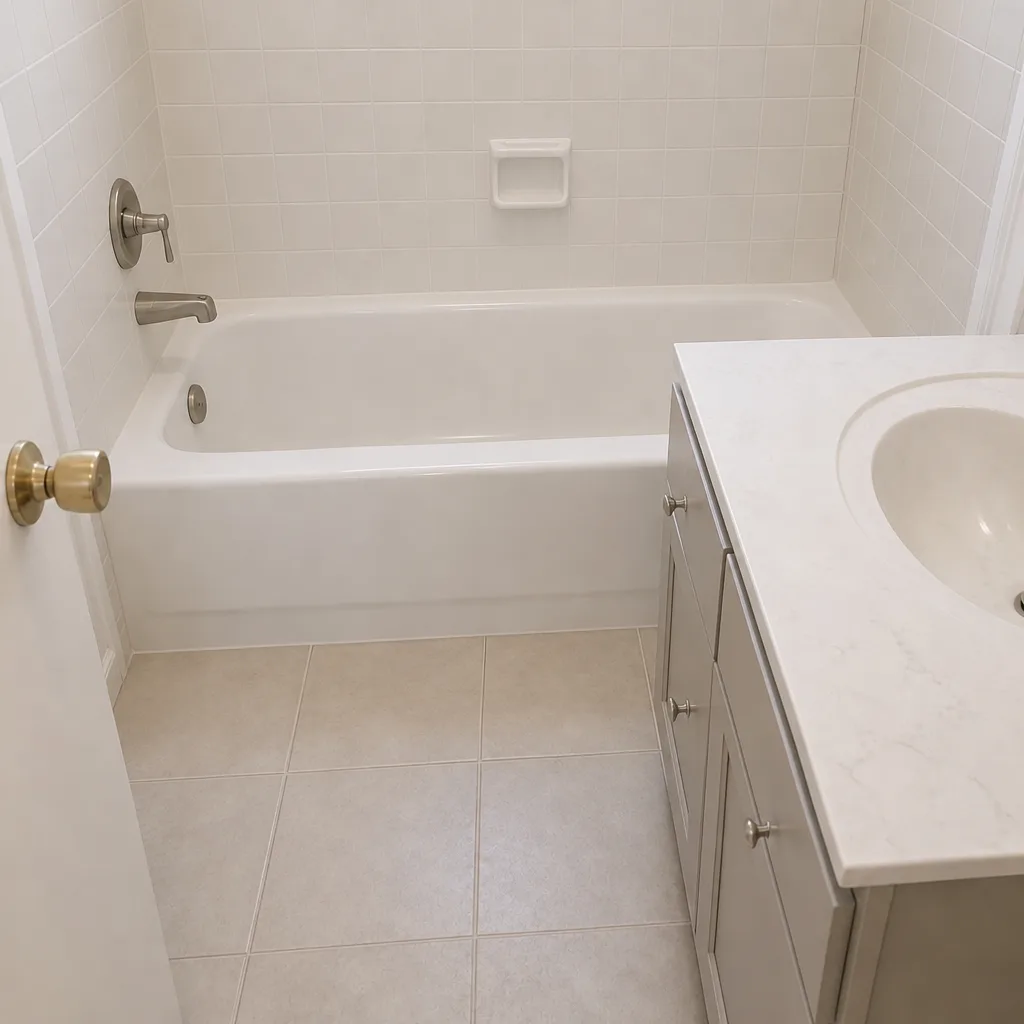
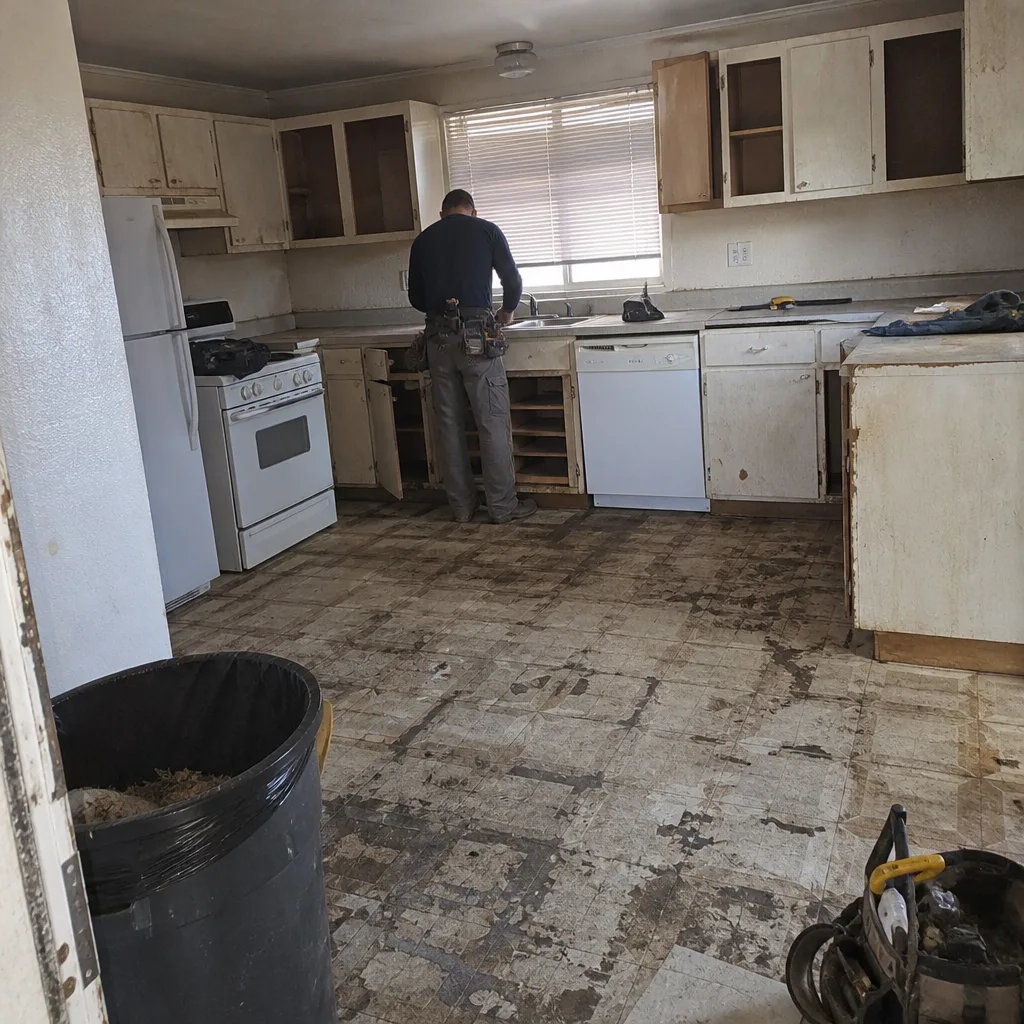
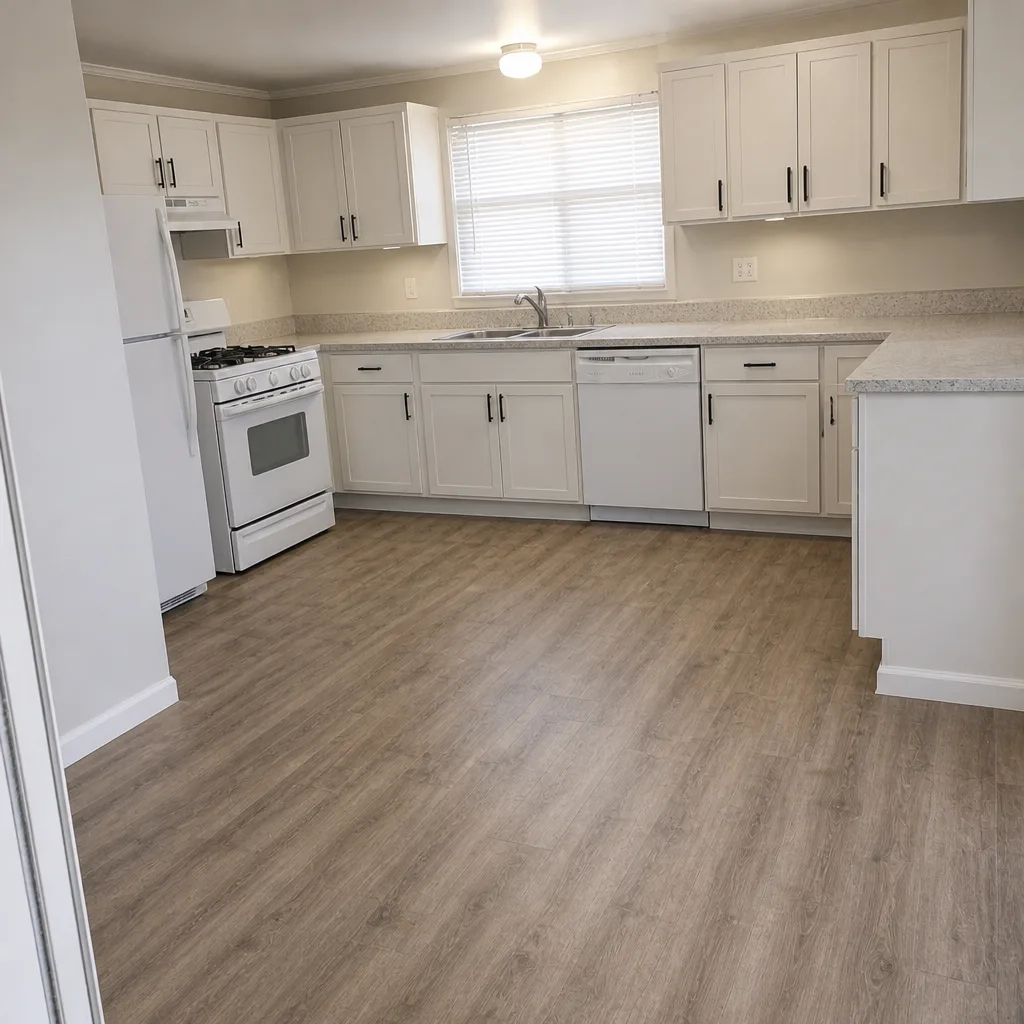
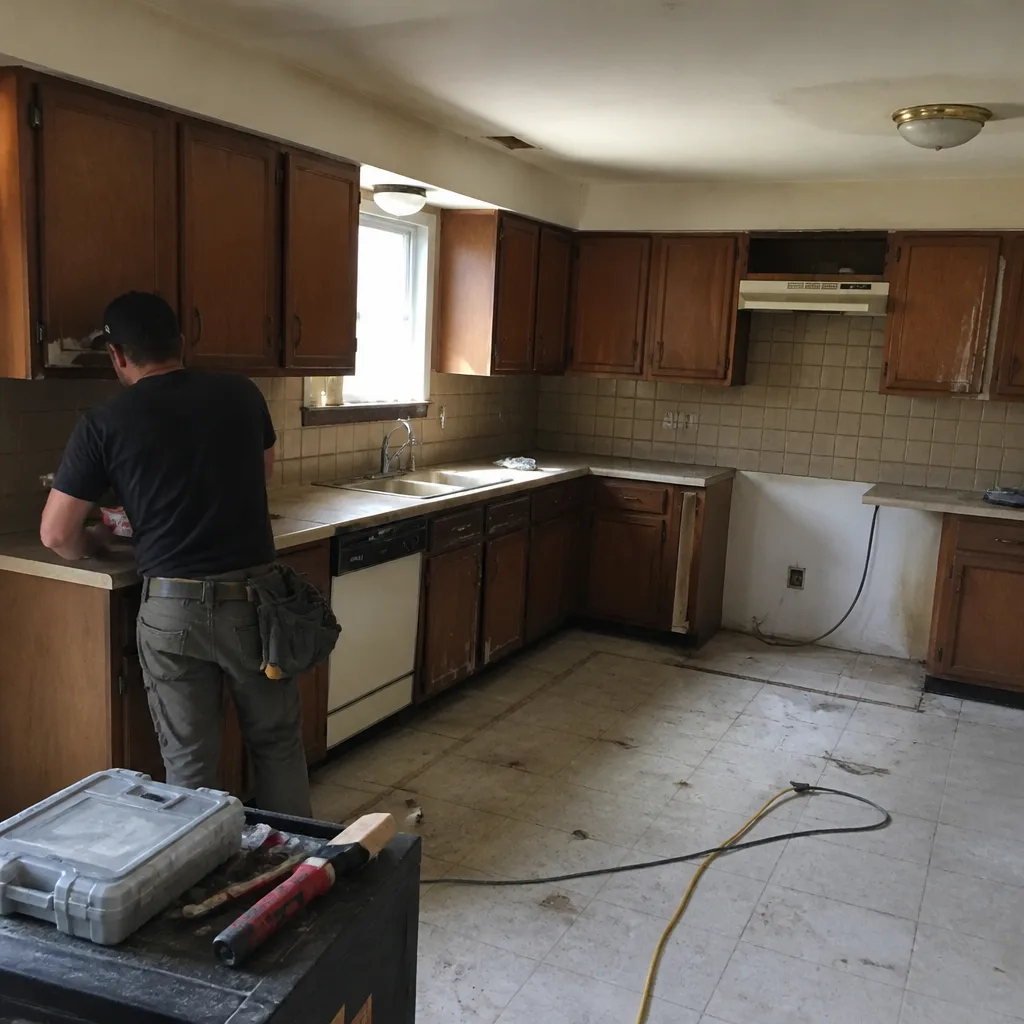
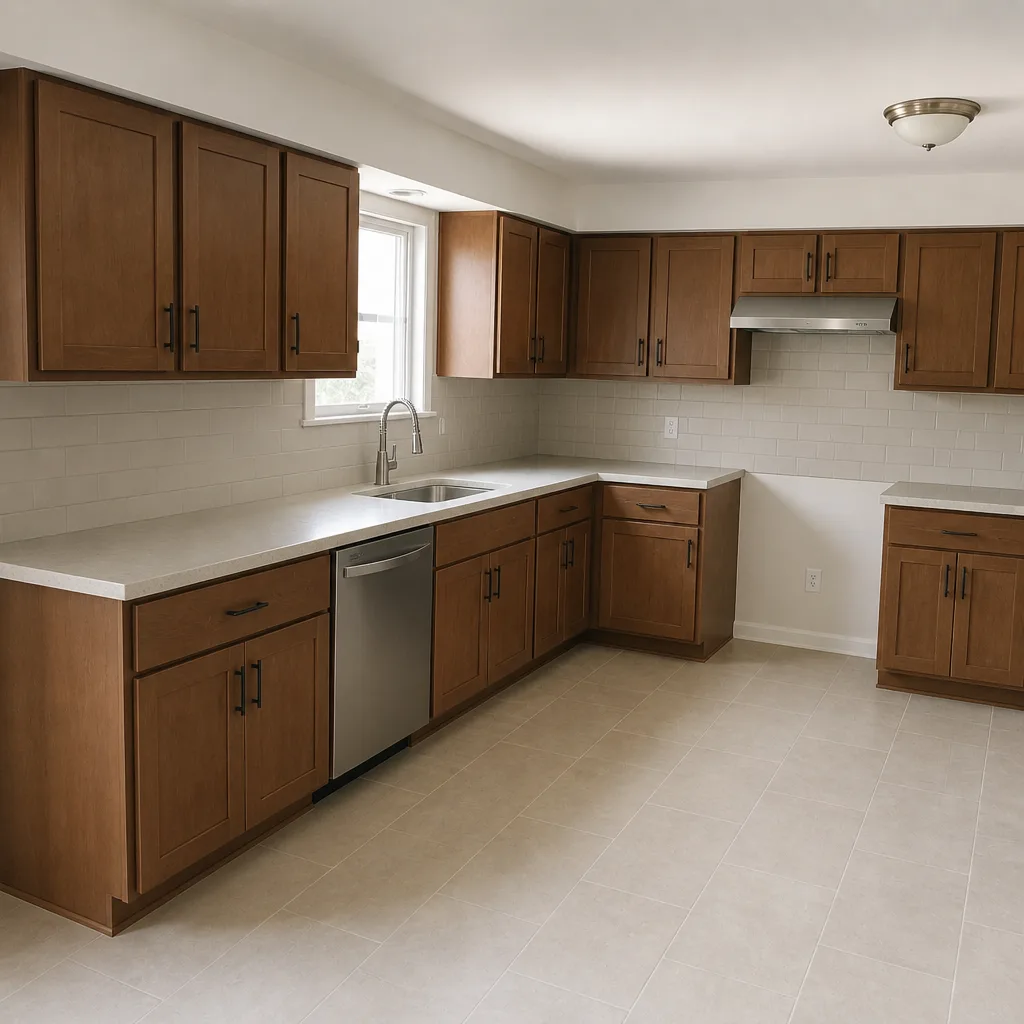
See the difference
 Before
 After
 Before
 After
 Before
 After
When to Call a Professional
Window and door work involves structural framing, flashing, and energy-code compliance, and the installation quality matters as much as the product. Bring in a licensed contractor when the work involves a new opening, a change in the rough opening size, a door in an exterior wall, or a whole-house replacement that requires a permit. The same is true if you see water staining or rot around an existing window, since the issue usually extends into the framing. Rowan Construction Group Enterprise offers free estimates in Enterprise with a written price and written scope before any work starts. Call (833) 630-4077 to schedule yours. Our technicians have up to 19 years of experience across window and door installations in the Las Vegas valley, and we bring the NFRC labels and the permit documentation to the estimate.
Frequently Asked Questions
A standard-size replacement window in Enterprise runs $350 to $1,800 per opening installed, depending on brand, frame material, and glass package. Vinyl units from Jeld-Wen sit at the low end, fiberglass and Andersen mid-range, and Marvin premium. Add $80 to $150 per opening for triple-pane glass, and $150 to $300 for a premium door slab. Call (833) 630-4077 for an exact quote in writing; estimates are free.
Aim for a U-factor below 0.30 across the house and an SHGC below 0.25 on south- and west-facing openings. Enterprise averages 294 sunny days per year with summer highs above 105°F, so the west and south elevations carry most of the cooling load. North-facing windows can sit at a slightly higher SHGC to capture winter solar gain. Call (833) 630-4077 for help matching product specs to each elevation.
Yes, Clark County requires a permit for replacement windows, though like-for-like replacements typically qualify for a simpler review than new openings. New openings, enlarged windows, or added doors require a full permit with drawings. The inspection confirms the NFRC label and energy-code compliance. We pull the permit and leave you the signed inspection card. Call (833) 630-4077 with questions about your specific project.
Fiberglass is the better choice for most Enterprise homes because it expands less than steel under high-UV exposure and holds its finish longer. A dark-colored steel door on a west-facing elevation can reach surface temperatures above 150°F on a summer afternoon, which stresses the paint and weatherstripping. The cost difference is roughly $150 to $300 per door. Call (833) 630-4077 for a written quote on a fiberglass door with low-e sidelites.
No. We quote a flat written price with a written scope and a written warranty before work begins, and no change proceeds without a signed change order. That’s the discipline that has kept our projects within a few percent of the agreed cost across 4,000-plus jobs. If a hidden framing issue turns up after demolition, we document it, price the change, and wait for your signature. Call (833) 630-4077 for your written estimate.
Order-to-installation lead time in Enterprise runs four to fourteen weeks depending on brand and custom sizes. The installation of a whole-house replacement typically takes two to four days once the product arrives, followed by inspection and a final walkthrough. Jeld-Wen and Andersen standard sizes sit toward the fast end; Marvin custom lines run longer. Call (833) 630-4077 to plan the timeline around your project window.
The Bottom Line
Windows and doors in Enterprise are a thermal decision first: U-factor below 0.30, SHGC below 0.25 on south and west, and a frame material that survives 15 to 30 years of desert UV. The NFRC label is the only honest comparison across Andersen, Pella, Marvin, and Jeld-Wen, and the installation details (flashing, shimming, threshold sealing) determine whether the numbers hold up in the home. Pull the permit, match the glass package to each elevation, and get the price and the scope in writing before anyone picks up a tool. That’s how a window replacement lowers your cooling load instead of just looking newer.
If you’re planning a window and door project alongside exterior work, our Driveway & Pavers in Enterprise page covers how hardscape and drainage interact with the house envelope, and our Fence Installation in Enterprise guide explains how windstorms and dust infiltration affect exterior assemblies. For a whole-house scope that includes window and door upgrades plus added square footage, our Home Additions & ADU in Enterprise page covers the structural and permit side. You can also start from the Rowan Construction Group Enterprise home to see the full set of trades and the Haven Standard that governs every project. Roofing drainage and flashing interact with window and door openings too, which is one reason we specify GAF and Owens Corning roofing products alongside our window work.
Call Rowan Construction Group Enterprise at (833) 630-4077 for a free estimate on your windows and doors project. We’ll bring the written price, the written scope, the NFRC labels for every product quoted, and a documented photo record of the install when the crew leaves. If you have a competitor’s written estimate, bring it: our Free Second Opinion reviews it line by line at no charge, and you’ll walk away knowing whether the numbers compare fairly.
Written by the team at Rowan Construction Group Enterprise.