Last updated November 18, 2026

Free written scope consultation - allowances, timeline, and change-order rules on paper before a single trade is scheduled
Choosing the Right Construction Brand: A Buyer’s Guide for Enterprise
A concrete sealer labeled “high UV exposure” was tested under ASTM C1315, whose UV protocol runs 2,000 hours. Enterprise surface temperatures can deliver that same UV load in under 18 months. No label explains the gap, and almost nobody shopping for materials reads the test condition inside the standard number. This guide is about closing that gap: how to read a product’s tested spec, cross-reference it against Enterprise’s actual heat and sun, and choose brands that hold up here instead of back East. You’ll learn which brands Rowan Construction Group specifies for three high-impact categories, why “contractor-grade” at a big-box store differs from the trade channel, and how material warranties quietly collapse when install voids them.
Quick Answer
The best construction material brands for Enterprise are the ones whose tested performance range matches Mojave heat-cycle and UV load, not the ones with the best name recognition. Read the ASTM standard number and its test condition, confirm the brand has a Southwest-region technical rep who has modified specs for high-heat installs, and make sure the material warranty survives installation. In our experience, a mid-tier brand installed to spec in Enterprise outlasts a premium brand installed to a New England datasheet.
Styles & brands we work with
- Kitchen remodeling
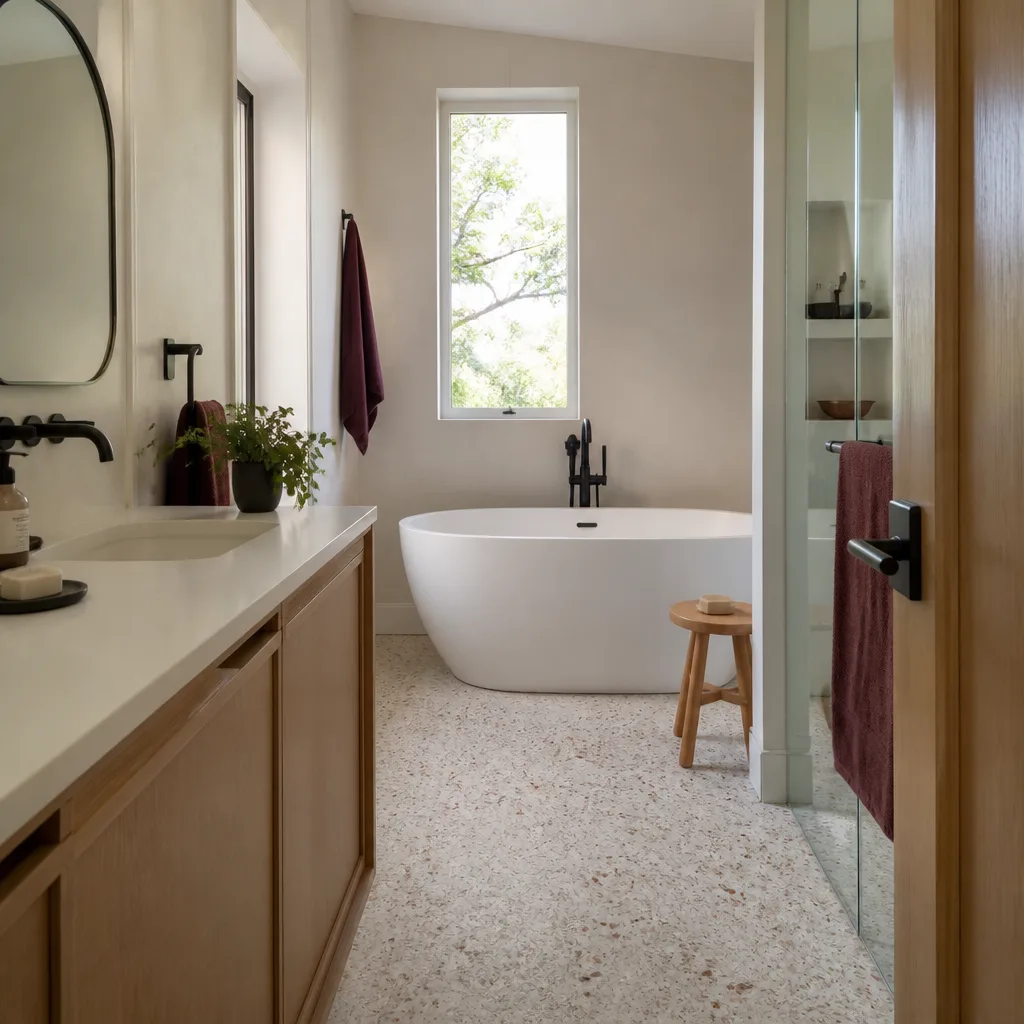
- Bathroom remodeling
- Home additions & ADU
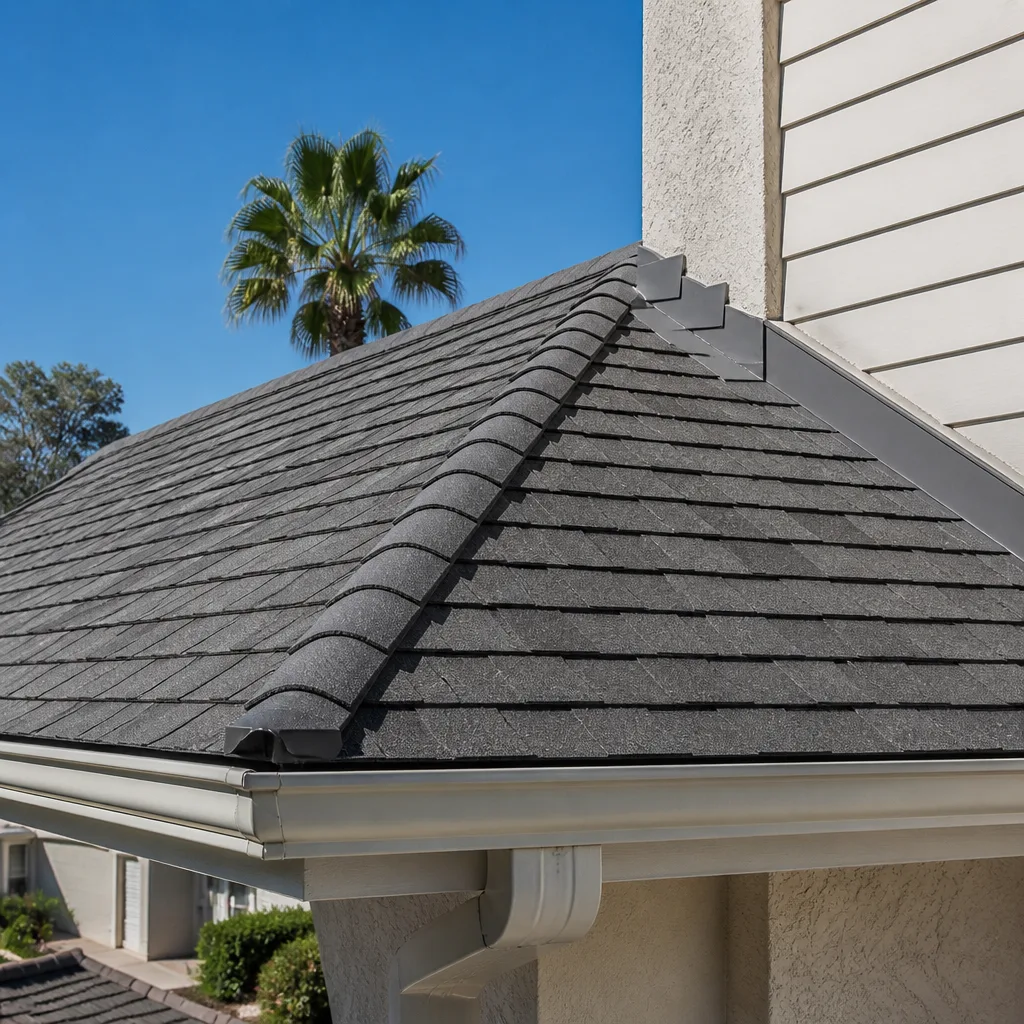
- Roofing
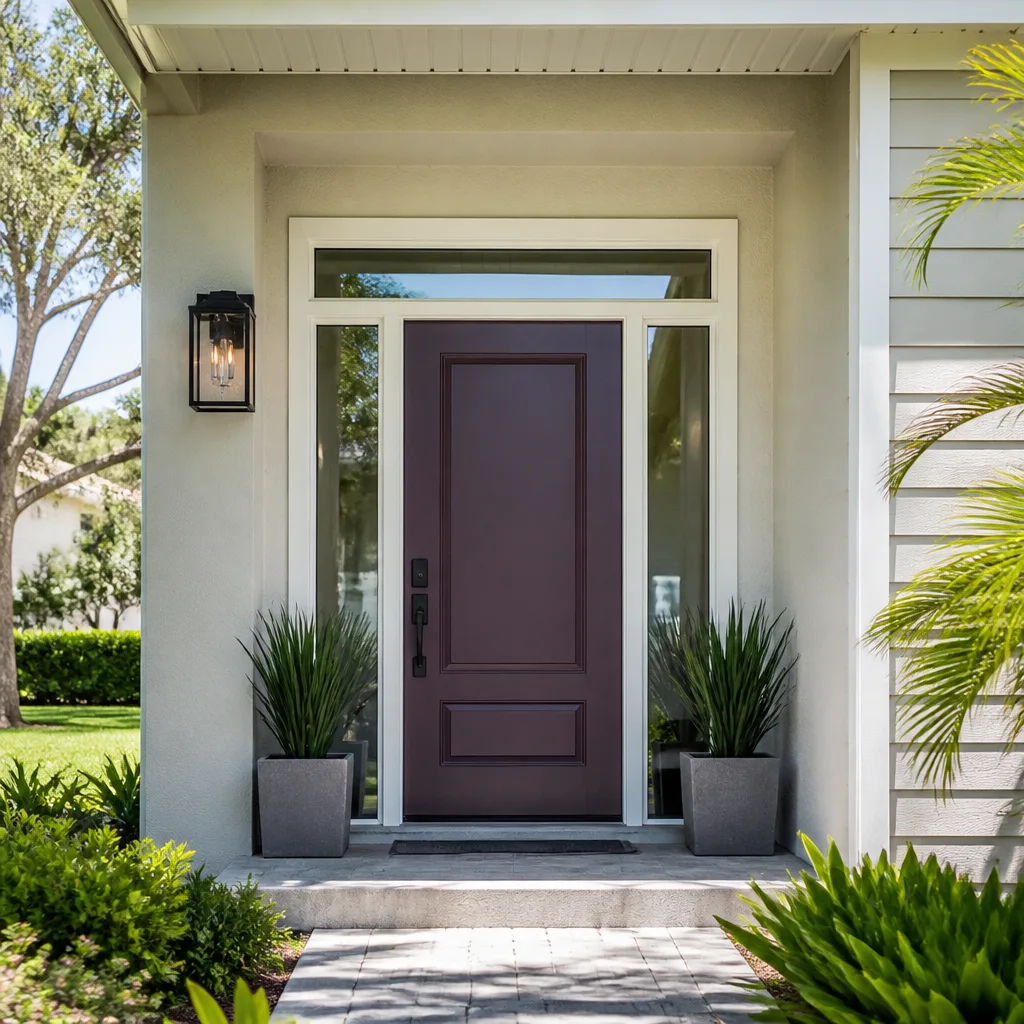
- Windows & doors
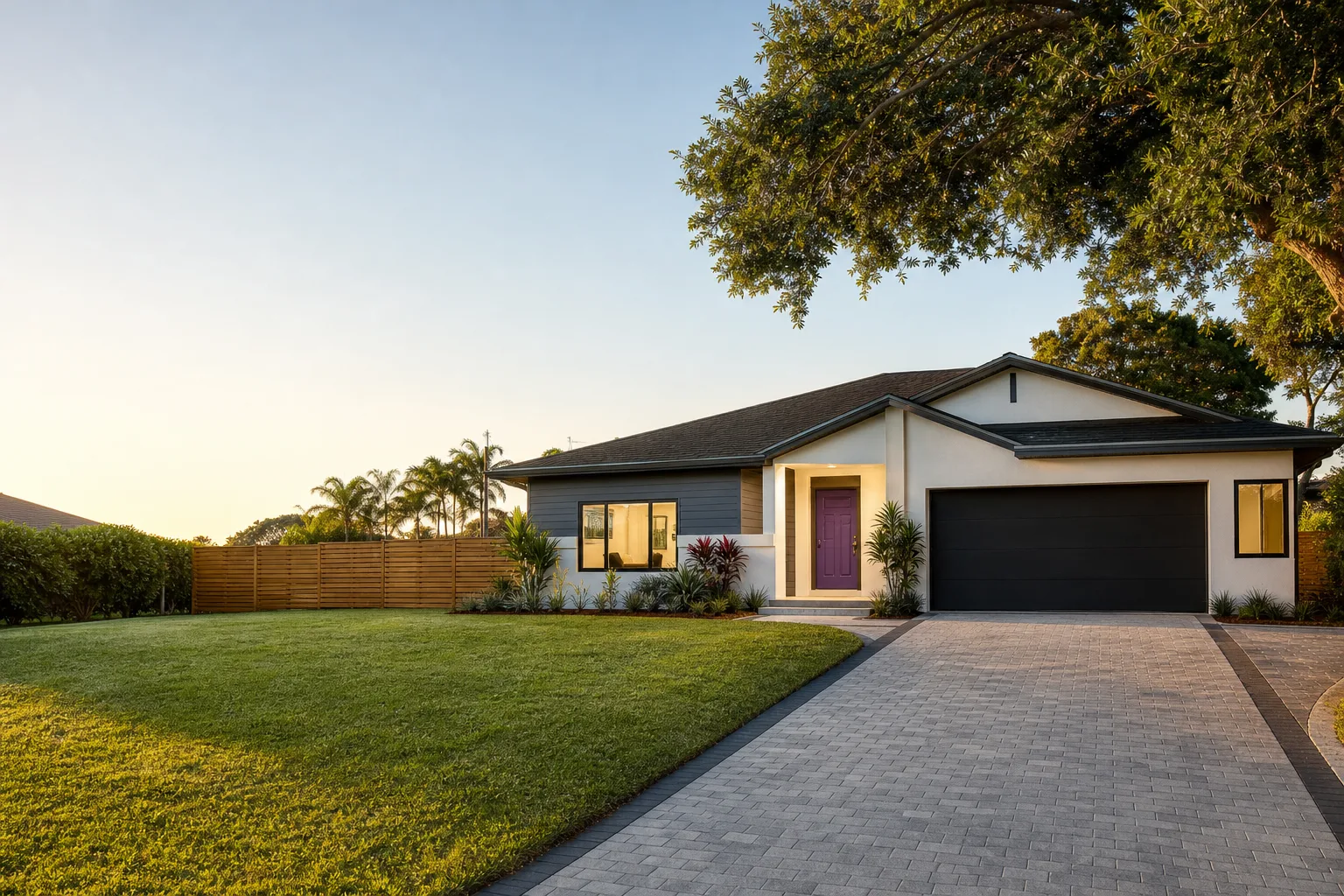
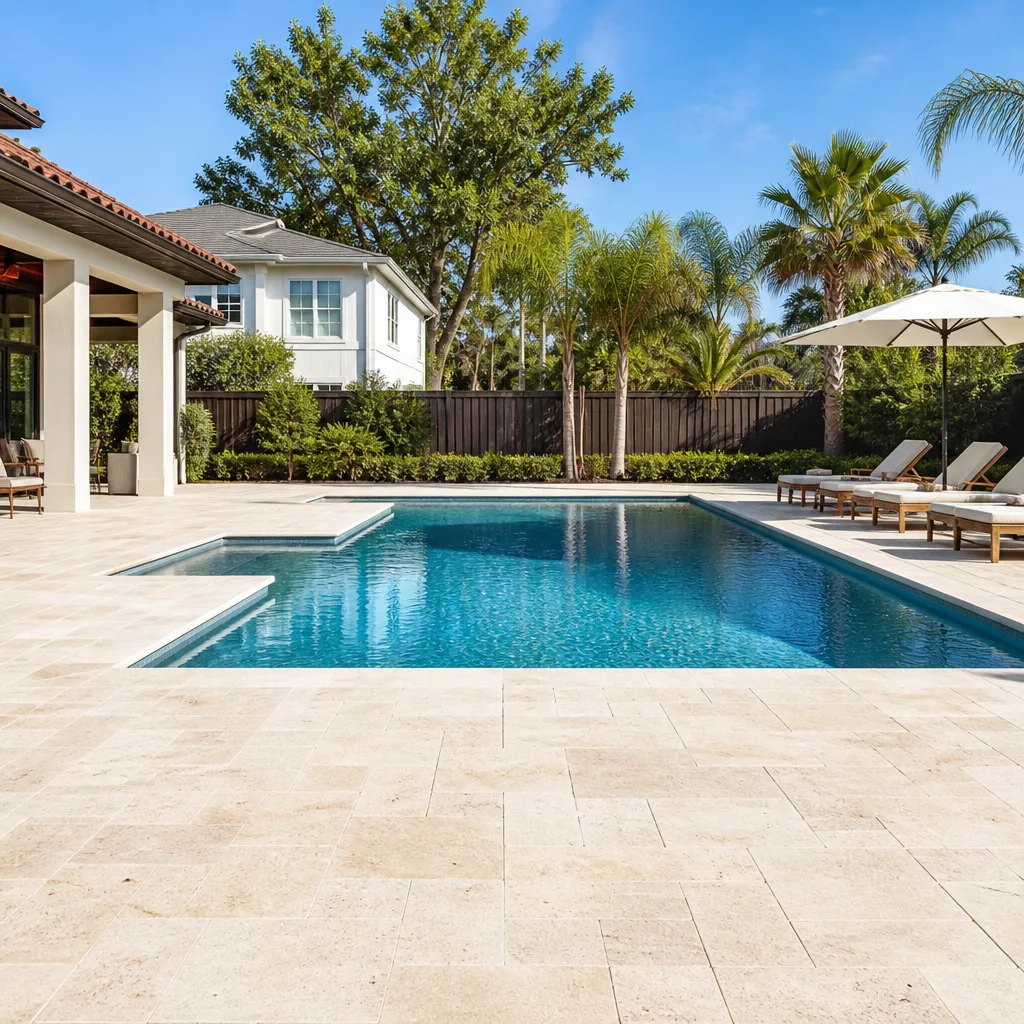
- Driveway & pavers
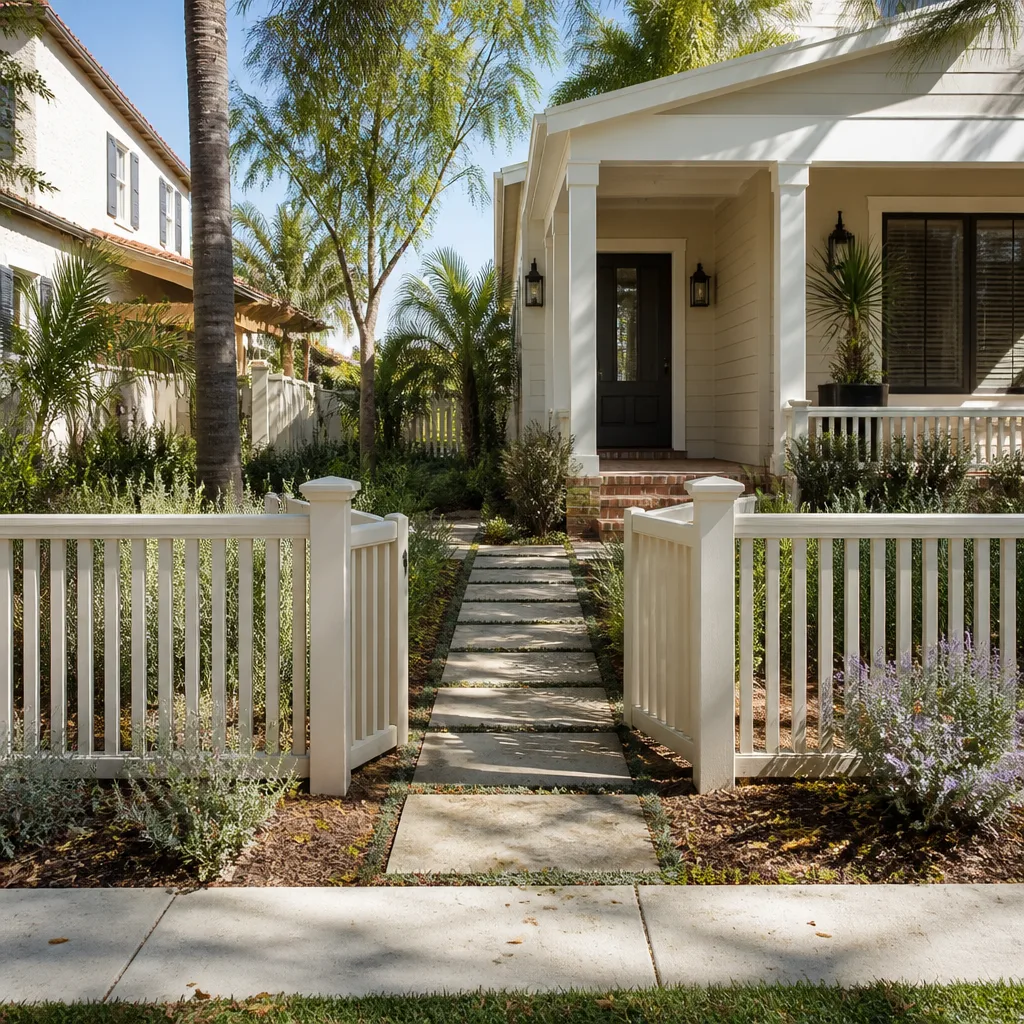
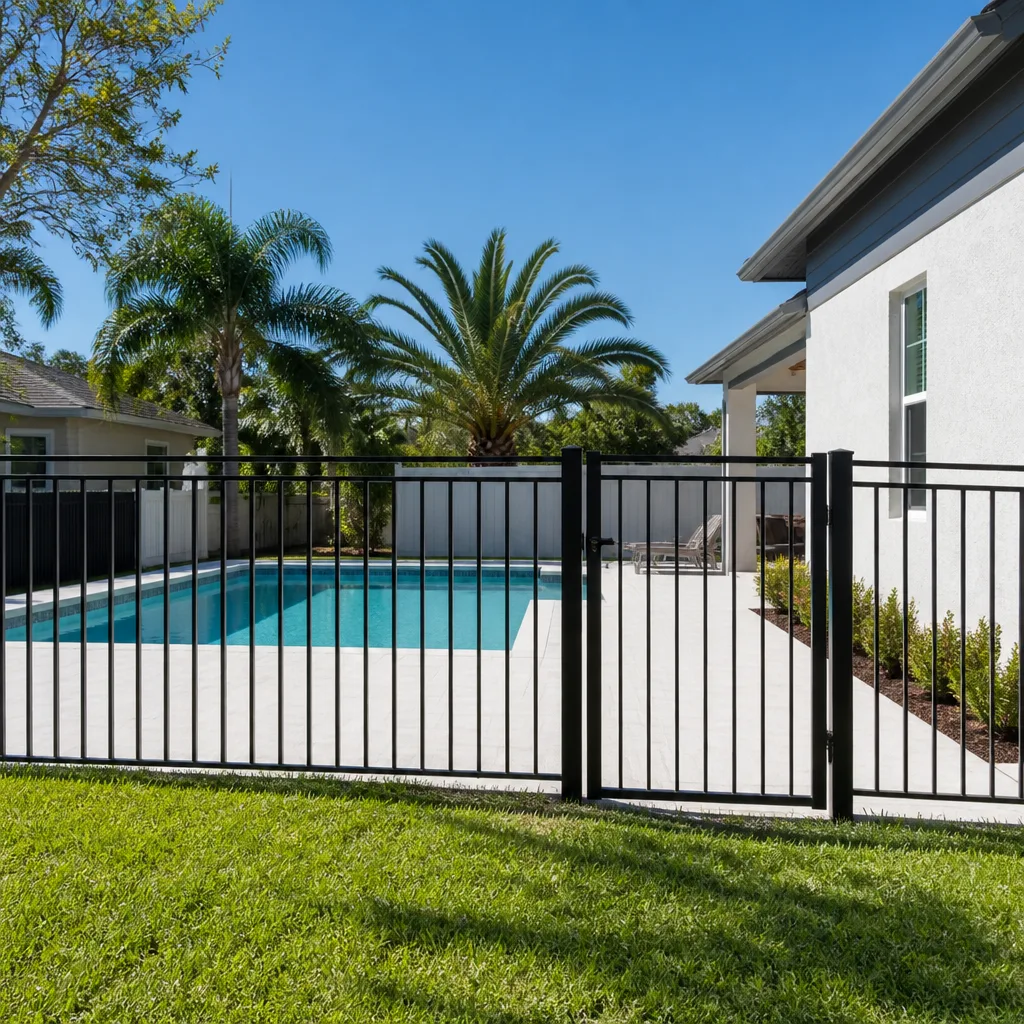
- Fence
Table of Contents
- How to Read a Product Spec Like an Engineer
- Why Pacific Northwest Performance Doesn’t Transfer
- Brand Comparison: Sealers, Stucco, and Polymeric Sand
- “Contractor-Grade” vs. Trade-Channel: How to Tell
- The Role of Manufacturer Reps in Desert Climates
- When a 25-Year Warranty Is Worth Less Than 5
- What a Written Record Should Show You
- Common Mistakes to Avoid
How to Read a Product Spec Like an Engineer
Every serious material label cites an ASTM standard. That number is a pointer to a test method, and the test method contains three things the marketing copy never shows you: the test condition, the pass threshold, and the protocol. Read all three or you’re guessing.
Here’s the sequence we use when vetting a material for a Rowan Construction Group project in Enterprise:
- Find the ASTM number. It looks like “ASTM C1315” or “ASTM D412.” Write it down before you read anything else on the label.
- Look up the test condition. Lab-cured at 73°F? Freeze-thaw cycled? UV exposure hours? The number after “hours” is the only one that matters in Enterprise.
- Compare the pass threshold to your actual exposure. Enterprise surfaces push well past 140°F in July and August. If the test only ran to 110°F, the product was never validated at install temperature here.
- Check the protocol length against local UV load. A 2,000-hour UV protocol isn’t the same as 2,000 hours of Enterprise sun. Match the standard’s stress to your climate’s stress.
- Ask for the technical data sheet, not the marketing sheet. The TDS has the substrate requirements, cure times by temperature, and application limits. The marketing sheet has the colors.
That fifth step is where most selection decisions actually get made. A sealer whose TDS says “apply between 50°F and 85°F” is nearly a non-starter in Enterprise from May through September unless the crew schedules around dawn, and the written scope needs to say so. When a quote doesn’t specify application temperature windows, you’re looking at a contractor who hasn’t read the sheet.
Why Pacific Northwest Performance Doesn’t Transfer
The brands that dominate Pacific Northwest construction channels were largely validated against a specific climate pattern: long wet seasons, moderate temperatures, and freeze-thaw cycles. Those tests reward products for moisture resistance and flexibility at low temperatures. They do not stress UV. They do not stress sustained surface heat.
Enterprise runs the opposite pattern. Rainfall is a rounding error. What kills materials here is thermal cycling. A paver in full sun hits 150°F by afternoon, drops to 85°F overnight, and does that 300-plus times a year. The expansion joint that looked generous in a Portland spec becomes tight inside 24 months. The polymeric sand that held firm in Seattle dries and cracks because the polymer never fully cured at the shoulder-season temperatures the install was scheduled around.
This is where the concrete sealer hook at the top of this guide pays off. Product labels cite UV resistance, but the number behind that label was measured against a standard protocol that doesn’t map to Enterprise’s UV dose. Install it here and the sealer’s tested range is exhausted before the manufacturer thought the warranty clock really started.
Three climate factors to map against any material in Enterprise:
- Peak surface temperature. Flatwork and dark pavers hit 140°F – 160°F in July. Materials with cure or service limits below 120°F need spec modification or a schedule adjustment.
- Annual UV dose. Roughly 5,500 – 6,500 hours of sun per year in the Las Vegas Valley. Match this against the standard’s UV protocol length.
- Diurnal swing. A 40°F – 50°F daily swing is normal. Products tested for smaller swings show premature cracking and sealant failure.
For projects where pavers and flatwork are the main scope, this is the core of the design. Our Driveway & Pavers in Enterprise work starts with the climate match, not the catalog page.
Brand Comparison: Sealers, Stucco, and Polymeric Sand
Three categories carry disproportionate weight in Enterprise resale value and repair frequency. Here’s how we vet brands in each.
Concrete Sealers
ASTM C1315 is the base spec most sealers cite. The standard tests film formation, solids content, and UV exposure. The UV protocol is a lab simulation, not a Mojave equivalent. In practice, a penetrating sealer with a hybrid silane-siloxane chemistry holds up longer in Enterprise than a film-forming acrylic, because the acrylic layer chalks and peels once the UV dose passes its tested range.
What we look for:
- ASTM C1315 cited with the specific UV protocol hours printed on the TDS.
- Penetrating rather than film-forming chemistry for exposed flatwork.
- Reapplication interval of 3 – 5 years documented in writing, not marketing language like “long-lasting protection.”
- Southwest-tested reference project, ideally in Clark County or Mohave County.
Stucco Finish Coats
Enterprise stucco takes both direct UV and the thermal swing, and the finish coat is the layer that carries the color coat. One-coat stucco systems validated for moderate climates often chalk within three to five years here. The brands that perform cite elastomeric-modified finish coats with a documented Southwest application schedule and a color warranty that does not exclude UV fade.
Read the finish coat spec for:
- The specific acrylic or elastomeric chemistry, not just “acrylic-modified.”
- A color-fastness warranty separate from the weather-barrier warranty.
- Weep screed and control joint spacing specified for high-heat shrinkage, which often differs from the manufacturer’s general recommendation.
Paver Polymeric Sand
Polymeric sand failures in Enterprise typically show up as joint erosion or a dusting of loose sand after the first summer. The cause is usually a product whose cure window assumed cooler install temperatures, or a brand with insufficient polymer flexibility for the daily expansion swing.
The brands that hold up here share three traits: a documented high-heat install window (installs at temperatures above 90°F without losing joint integrity), a flexible polymer base that absorbs the diurnal swing, and a Southwest distributor who stocks the current formulation. We specify by those traits, and we put the exact product name on the written scope so the customer can verify what was actually installed.
“Contractor-Grade” vs. Trade-Channel: How to Tell
“Contractor-grade” is a marketing term, not a specification. Big-box stores carry lines with the same brand name as the trade channel but a different product tier, sometimes a different formulation, and often a lighter warranty. The label is where you catch the difference.
A few label tells:
- Warranty length. Trade-channel products usually carry a longer warranty than the same brand name on a big-box shelf. If the box says 10 years and the TDS you find online says 25, you’re looking at two different tiers.
- Model number format. Retail SKUs often use a slightly different model string than the trade-channel version. Match the model number against the TDS, not the brand name alone.
- Warranty registration requirement. Many trade-channel products require install by a licensed contractor for the warranty to hold. Retail versions sometimes drop that requirement (or vice versa).
- Where the brand’s spec sheet directs you. Trade-channel TDSs often reference “professional installation by a licensed applicator.” Retail versions are written for the homeowner.
For the categories where this bites hardest – roofing shingles, window units, and paver base materials – the trade-channel version typically wins on total cost of ownership because the warranty survives the install. Under our No-hassle upfront pricing, that difference shows up on the written quote before anyone starts: the trade-channel brand often costs 5 – 15 percent more in the line item and pays it back the first time you file a claim.
For windows and doors specifically, this is the choice that shapes a decade of performance. Our Rowan Construction Group Enterprise home page links to the full service list, but the short version is: we specify trade-channel window products (our window crews work with Toto and Grohe hardware lines where the spec calls for it) because the install tolerance and the warranty terms are tighter than the retail equivalent.
The Role of Manufacturer Reps in Desert Climates
Material brands divide the country into technical rep territories. A brand with a strong Southwest rep is worth more to your project than a slightly better brand with no local technical presence, because the rep is who modifies the application spec for high-heat installs.
When a spec modification matters in Enterprise:
- Sealer coverage rates. Southwest reps often recommend a slightly heavier application rate to compensate for substrate porosity in high-heat cure.
- Stucco cure schedules. The general datasheet might say “cure 7 days before finish coat.” A Southwest rep will specify misting intervals for the first 48 hours because the surface loses moisture faster here.
- Polymeric sand install temperature. Some brands’ Southwest reps authorize installs above the general temperature ceiling with a modified compaction sequence.
- Roofing underlayment overlap. Adhesive-backed membranes behave differently in 100°F ambient. The Southwest rep is the one who tells you the modified overlap spec.
How to check: call the brand’s technical line, ask for the Southwest territory rep, and see if the answer is a same-day call back or a runaround. A brand that can’t put a named regional rep on the phone within two business days is a brand with no meaningful local support. Tile systems especially benefit from this – Schluter and Sterling both maintain regional technical support that responds with spec modifications for local conditions, which is part of why we use them where the scope warrants.
When a 25-Year Warranty Is Worth Less Than 5
A material warranty covers the product. A workmanship warranty covers the installation. In Enterprise, the installation is often what fails, and the material warranty excludes failures caused by installation. Read the exclusions before you get attached to the headline number.
Three clauses to look for on any material warranty:
- “Failure due to improper installation is excluded.” Almost every material warranty has this clause. If the material is installed to the manufacturer’s spec and still fails, you may be covered. If the install deviated from spec – which often happens when the installer uses a Northeast datasheet in Enterprise – you’re not.
- “Warranty requires install by a licensed contractor.” Good. That clause protects you if the contractor is legitimate, and it voids the warranty if the contractor was a handyman.
- “Warranty does not cover UV fade or chalking.” Common on stucco finishes and sealers. A 25-year warranty that excludes UV fade in Enterprise is effectively a 3-year warranty in practice.
This is why a 5-year workmanship warranty from a contractor who installs to the correct local spec is often worth more than a 25-year material warranty that won’t survive the first claim. Under Clause 1 of our Haven Standard, the price is written before anyone starts, and every Rowan Construction Group project carries the 365-Day Done Right Promise – if it is not done right, we make it right. That’s a workmanship guarantee, not a product warranty, and the two should be read together.
Ask any contractor three questions before signing:
- Who is the manufacturer of record for each material line item?
- Does the written scope specify the trade-channel or retail version of that product?
- Which workmanship warranty covers the installation, and for how long?
A contractor who can’t answer those in writing is a contractor whose material warranty will fall apart the first time it’s tested. Our Home Additions & ADU in Enterprise projects have covered these warranty chains in detail because additions stack multiple material systems under one roof.
What a Written Record Should Show You
Brand selection is only half the story. The other half is the paper trail. A written scope that names the brand and the model number is what protects your warranty claim. A written scope that says “premium materials” is a marketing promise.
What to expect from a written scope in Enterprise:
- Brand name and model number for every major material – roofing, windows, pavers, cabinet boxes, counters.
- Quantity and unit cost by line item, not a lump sum.
- Installation spec reference – the ASTM or manufacturer standard cited by number.
- Written warranty terms for both material and workmanship.
- Signed change order process that prevents scope drift mid-project.
At Rowan, every project gets a flat written price, a written scope, and a written warranty before work starts. Every visit includes a documented photo record as standard, not an upgrade, so the customer has evidence of what the substrate looked like before the finish coat went on. That record is what makes a warranty claim actually workable – without it, you’re arguing from memory.
Our Fence Installation in Enterprise work is a good example of how this plays out: the fence brand matters, but the documented post depth, the concrete mix, and the photo record of the setting footings are what protect the warranty in year four.
Common Mistakes to Avoid
- Buying on brand recognition alone. A premium brand sold to a Northeast spec performs like a mid-tier brand in Enterprise if the install follows the Northeast datasheet. Match the spec, not the logo.
- Ignoring the UV exposure hours on the TDS. If the standard cites 2,000 hours of UV test protocol and Enterprise delivers that dose in 18 months, the warranty timeline is fiction. Read the hours, not the warranty headline.
- Assuming “contractor-grade” means trade-channel. The big-box version and the trade version often share a brand name and nothing else. Check the model number and the warranty length against the TDS.
- Accepting a verbal material list. A scope that names brands verbally but not on paper is unenforceable when the material fails in year three. Everything in writing.
- Confusing material warranty with workmanship warranty. A 25-year material warranty excludes install failures. The workmanship warranty is the one that covers the mistakes that actually happen.
- Overlooking the regional rep. Brands with no Southwest technical rep will not modify the spec for Enterprise heat. Ask for the rep before you commit to the brand.
- Using a Northeast cure schedule in a Mojave install window. Stucco and sealant cure schedules tightened for humid climates fail on day one in Enterprise. Push for the Southwest schedule every time.
See the difference
 Before
 After
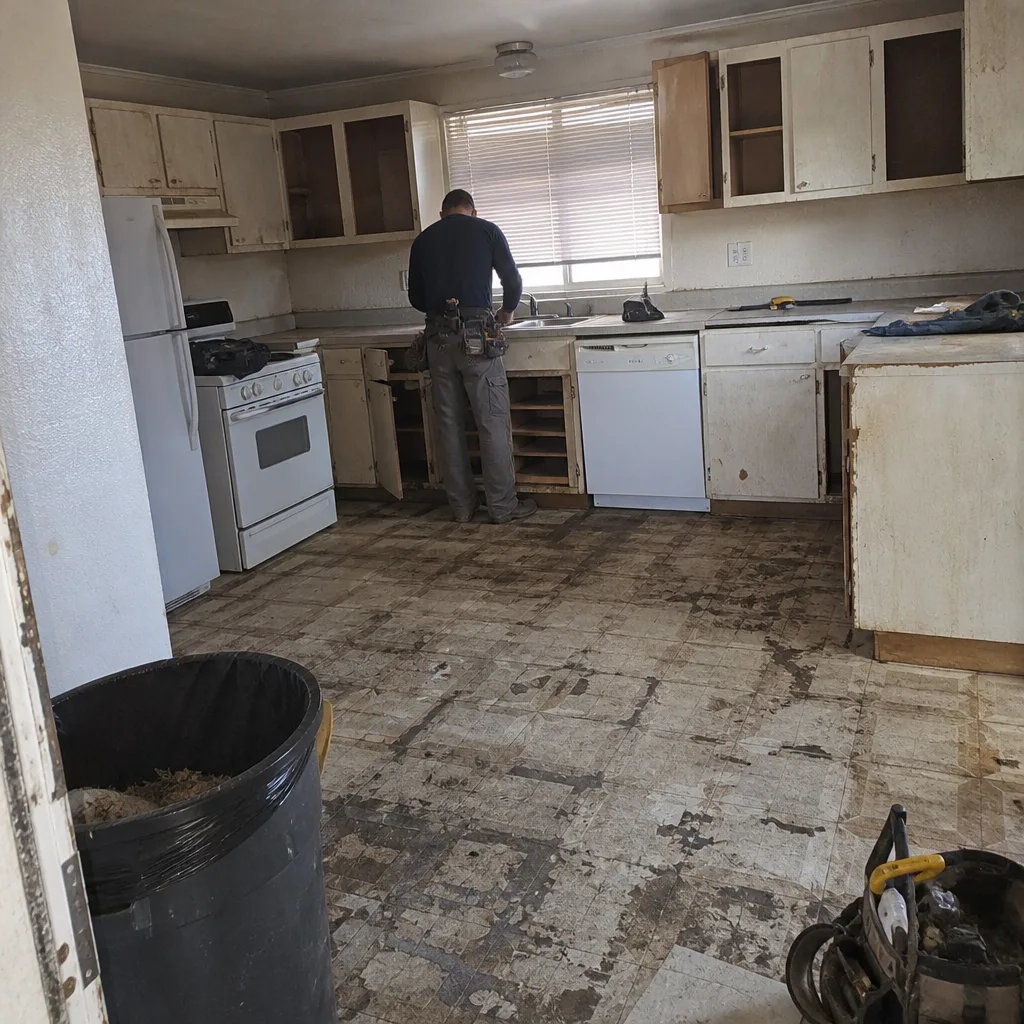 Before
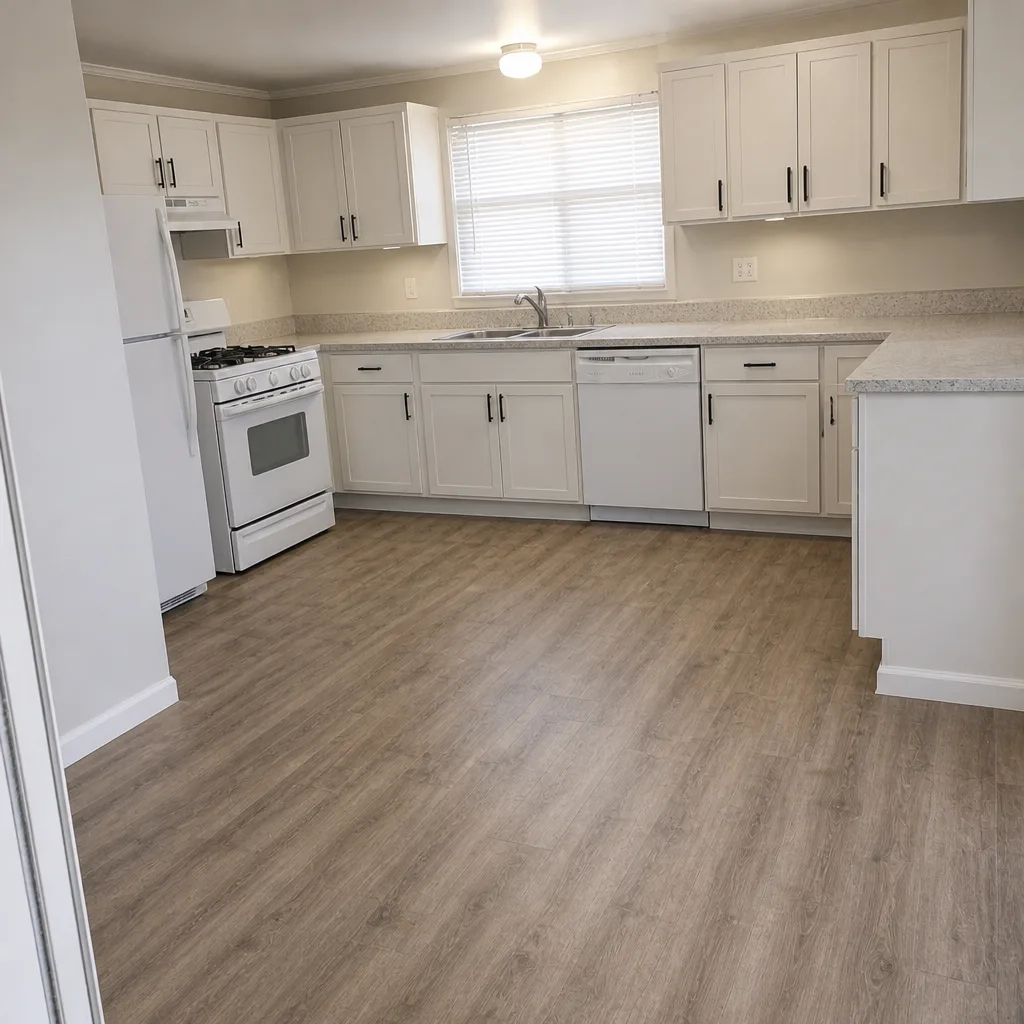 After
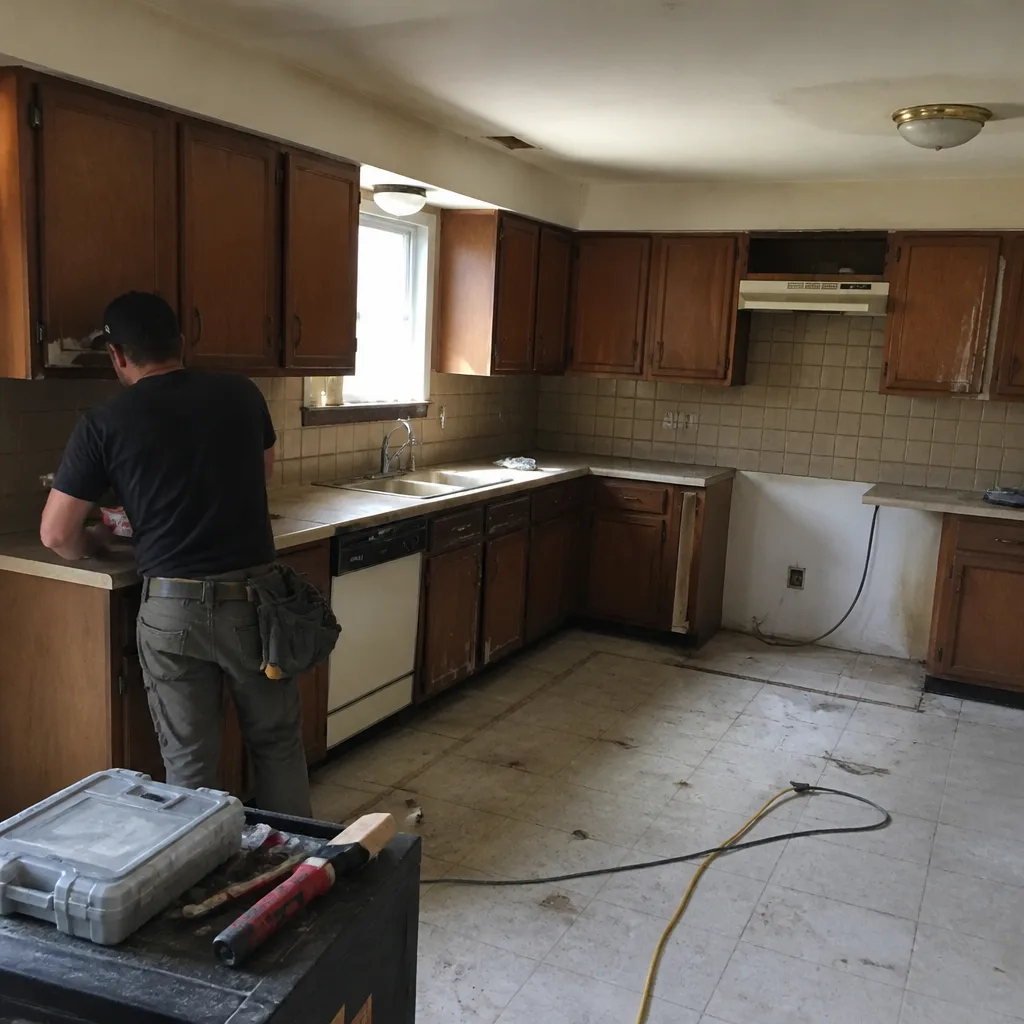 Before
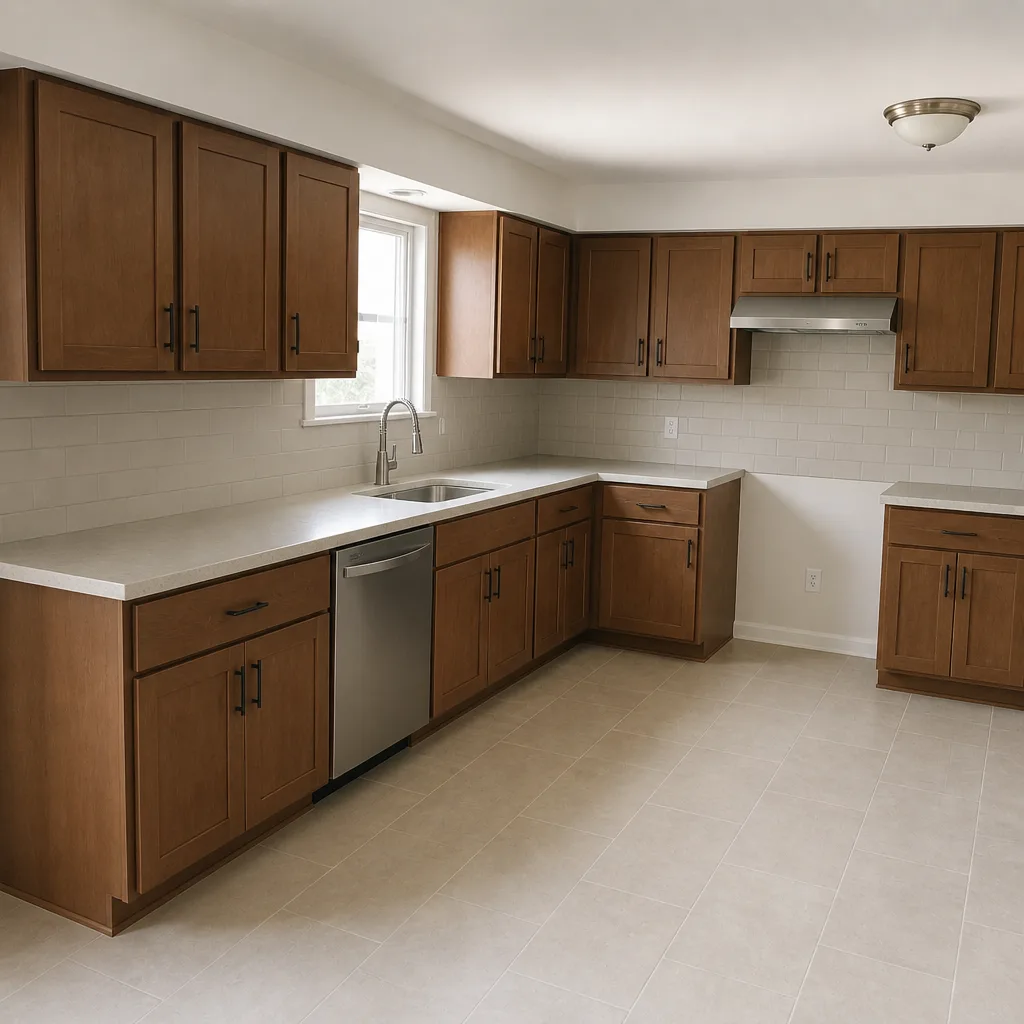 After
When to Call a Professional
Most brand selection mistakes happen before a contractor is on site. If you’re weighing a material choice for a roof, an addition, or a paver driveway in Enterprise and you’re not sure whether the tested spec survives the local climate, that’s the moment to bring in a professional. The same goes for any project where the install temperature, cure window, or warranty chain affects the outcome. A free written estimate from Rowan Construction Group Enterprise will name the brand, cite the spec, and give you a flat price before work starts – along with a documented photo record on every visit and a 365-Day Done Right Promise in writing. Call (833) 630-4077 to schedule your free estimate. If you already have a competitor’s written quote, we’ll review it line by line at no charge as a free second opinion.
Frequently Asked Questions
The best brands are the ones whose tested performance range matches Mojave heat and UV load, not the ones with the loudest marketing. For concrete sealers, look for a penetrating silane-siloxane with a documented UV protocol matched to Enterprise’s dose. For stucco, elastomeric-modified finish coats with a Southwest cure schedule. For polymeric sand, a flexible polymer with a high-heat install window. Call (833) 630-4077 for an exact recommendation on your project – estimates are free.
Pacific Northwest specs are validated for moisture resistance and moderate temperatures, not sustained UV and thermal cycling. Enterprise materials hit 140°F – 160°F surface temperatures in summer and cycle 40°F – 50°F every day, which exhausts tested performance ranges in under two years. A brand that performs in Seattle is not automatically a brand that performs in Enterprise.
Compare the model number and the warranty length on the label against the manufacturer’s technical data sheet. Trade-channel products typically carry a longer warranty, sometimes require licensed contractor install, and often use a slightly different SKU. If the numbers don’t match the TDS, you’re looking at the retail tier.
Usually not, because the material warranty excludes failures caused by installation. In Enterprise, most failures are install-related, which the 25-year warranty does not cover. A 5-year workmanship warranty from a contractor who installs to the correct local spec protects you in the scenario that actually happens.
Yes, for any project where the general datasheet stresses performance against hotter-than-local conditions. Southwest-region reps modify application specs for high-heat installs. If the brand can’t put a named regional rep on the phone within two business days, they have no meaningful local technical support and their spec won’t survive Enterprise.
We match the tested performance spec to Enterprise climate data first, then verify the manufacturer has Southwest technical support and a warranty chain that survives install. Our sourcing depth across fifty-plus vetted brands means the written quote can name the trade-channel version at an honest number, rather than a premium brand installed to a Northeast datasheet.
The Bottom Line
Brand selection in Enterprise is a spec-matching exercise, not a prestige contest. Read the ASTM number, cross-reference the test condition against local climate, confirm the brand has a Southwest rep who modifies the spec for high heat, and make sure the material warranty survives installation. “Contractor-grade” is a marketing term – the trade channel is what holds up. A written price, a written scope, and a documented photo record are what protect you when the material warranty is tested. Rowan Construction Group puts all three in writing before anyone starts work. Call (833) 630-4077 to schedule your free estimate.
Written by the team at Rowan Construction Group Enterprise.