Last updated November 18, 2026





Free written scope consultation - allowances, timeline, and change-order rules on paper before a single trade is scheduled
How Long Does Driveway & Pavers Take? Timelines and What to Expect
A 600-square-foot paver driveway typically takes a two-person crew 3 – 5 days on-site. But the project clock from signed contract to the first tire rolling across the surface is usually 3 – 6 weeks once material lead times and permit processing are counted. That gap between the crew’s calendar and the homeowner’s calendar is where most expectations go sideways. This guide breaks down every phase of a driveway project in Enterprise with honest day counts, explains what actually controls each one, and shows you how to read a schedule clause before you sign it.
Quick Answer
Paver driveway installation in Enterprise takes 3 – 5 days of on-site labor for a typical 600-square-foot residential driveway, plus 3 – 5 weeks of lead time for permitting and material delivery. After the final paver is set, polymeric joint sand needs 24 – 48 hours of dry cure before foot traffic and a full 72 hours before you park a vehicle on it. Budget 3 – 6 weeks total from contract to vehicle use.
Styles & brands we work with
- Kitchen remodeling
- Bathroom remodeling
- Home additions & ADU
- Roofing
- Windows & doors
- Driveway & pavers
- Fence
Table of Contents
- The phase-by-phase timeline, start to finish
- Material lead times by paver type
- What controls the on-site schedule
- Why the joint sand cure window matters
- How Enterprise weather changes the timeline
- What a real schedule clause looks like
- Common mistakes to avoid
- When to call a professional
The Phase-by-Phase Timeline, Start to Finish
The project clock starts the day both parties sign, not the day the crew shows up in Enterprise. Here’s how the phases stack up for a standard residential driveway, and which ones overlap.
- Design and written scope (2 – 5 business days). Paver selection, layout, border detail, and drainage path get locked in writing. This is the phase where changing your mind is free. After this, changes carry cost.
- Permit processing (5 – 15 business days in Clark County). A driveway that alters curb cuts, grading, or drainage connections usually triggers a Clark County permit. Simple replacements on existing footprint can move faster, but budget two weeks and treat a fast turnaround as a bonus.
- Material lead time (3 days to 5 weeks, see next section). Stock pavers can land on-site in a week. Special-order travertine can take over a month. This is why the schedule clock and the crew calendar diverge.
- Excavation and base prep (1 – 2 days). Removing old concrete, grading to slope, and compacting class II base in lifts. Caliche can push this to 3 days.
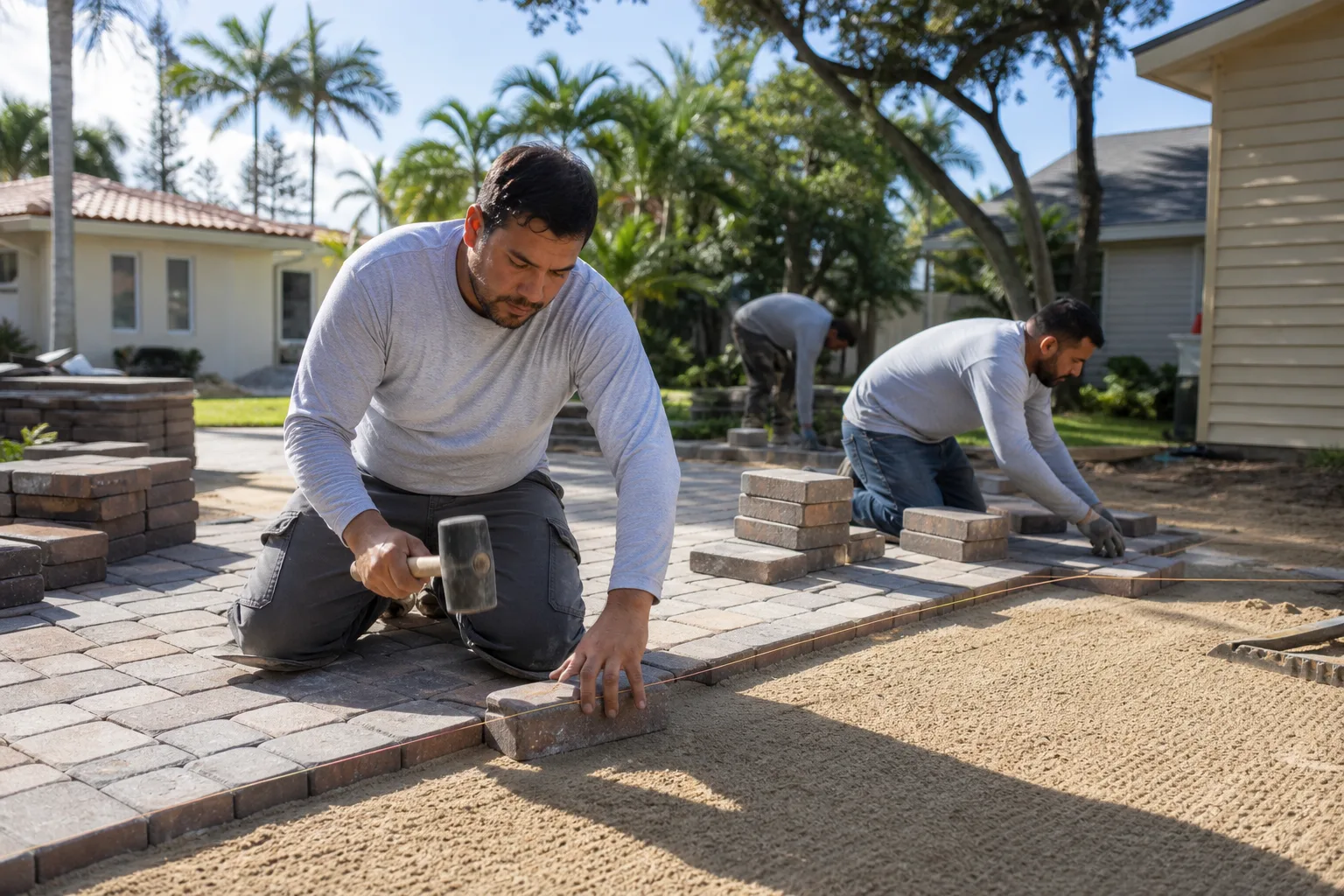
- Paver setting (1 – 2 days). Laying, cutting borders and radius edges, and setting the pattern. Decorative border work adds a half day.
- Joint sand and compaction (half day). Polymeric sand goes in, gets swept, misted, and compacted into the joints.
- Cure window (24 – 72 hours). The driveway looks finished but isn’t usable. More on this below.
If you’re also considering other hardscape or exterior work at the same time, sequencing matters. Our Driveway & Pavers in Enterprise page lays out how we phase hardscape with adjacent projects so crews aren’t tripping over each other.
Material Lead Times by Paver Type
Material lead time is the single most under-budgeted variable in a paver project. The paver you pick in a showroom on a Tuesday may not exist in the quantity you need in the color and format you liked. Here’s what we see across product families:
- Stock concrete pavers (Belgard, Techo-Bloc standard lines): 3 – 7 days from order to delivery when the color and format are in stock locally.
- Premium or discontinued concrete pavers: 2 – 4 weeks. Colors get discontinued. Production runs shift. This is a real risk on matching an existing driveway.
- Clay brick pavers: 2 – 3 weeks, sometimes longer if you need a specific color blend.
- Special-order travertine or natural stone: 3 – 5 weeks. Stone is quarried and cut to order, then shipped. There is no local warehouse shortcut.
- Custom-cut or radius borders: add 1 – 2 weeks if the cuts are pre-fabricated rather than cut on-site.
Ask for a written lead time from the supplier, not a verbal estimate from the contractor. Lead times move. A written quote that lists the specific product SKU and an expected delivery week gives you something to check against later. This is the same discipline we apply across kitchen and bath work, where cabinet lead times are the schedule anchor – see our Rowan Construction Group Enterprise home for how the seven trades line up.
What Controls the On-Site Schedule
Two driveways of the same square footage can run 3 days or 6 depending on what’s under them and how much detail is on top. The on-site calendar is governed by ground conditions, slope complexity, and edge detail.
Ground conditions
Enterprise sits on soil that varies block to block. Caliche – a cemented calcium carbonate layer common in the Southwest – is the biggest schedule wildcard. Standard soil excavates with a mini-excavator in a few hours. Caliche often requires mechanical breaking or a hydraulic breaker attachment, and that can add 1 – 2 days to base prep alone. Any contractor who quotes a two-day excavation without probing the subgrade is guessing.
Slope and grading complexity
A flat driveway grades out fast. A driveway with a grade change, a swale for drainage, or a transition to a garage apron needs survey shots and careful base work. Add a half day to a full day. If the existing slab has to be broken out first, add another day.
Decorative borders and pattern cuts
A straight-run herringbone pattern is the fastest to set. A circular border, a soldier course in a contrasting color, or a radius edge adds cutting time – typically a half day, sometimes more if the radius is complex. The time isn’t in the setting. It’s in the cuts.
For fence work running alongside the driveway, our Fence Installation in Enterprise guide covers the fencing timeline separately, since fence posts and paver base often get poured in the same week.
Why the Joint Sand Cure Window Matters
The driveway looks done the moment the last paver is set and the sand is swept in. It is not done. Polymeric joint sand is the reason.
Polymeric sand locks pavers together by activating a binder when it’s misted with water. That binder needs time to set before it can carry load. If you park a vehicle on the driveway too soon, you don’t just risk a smudge. You risk displacing the sand out of the joints, which leaves the pavers loose, allows water to penetrate the base, and pushes you back to the contractor for a re-sand. On a fresh install, that re-sand is often a paid call-back.
The window, in plain terms:
- 0 – 24 hours: nothing walks on it. No exceptions.
- 24 – 48 hours: light foot traffic is fine once the surface has fully dried and the sand has crusted.
- 48 – 72 hours: still no vehicles. The binder is still curing below the crust.
- 72 hours and after: vehicle load is safe in normal conditions. In cool or humid weather, add a day.
Ask for the cure window in writing on your contract. A contractor who doesn’t flag it is either going to skip the polymeric sand (not every crew uses it) or hasn’t thought through what happens after the crew leaves.
How Enterprise Weather Changes the Timeline
Enterprise is a hot-desert climate with an unusual wrinkle: summer temperatures regularly push past 105°F, and the monsoon season between July and September brings sudden humidity spikes. Both affect polymeric sand, and both affect how a crew has to sequence the work.
Summer heat (June – August)
The binder in polymeric sand cures fast in dry heat. That’s mostly good – the 24-hour foot-traffic window can hold tighter than the label. The problem is premature curing on the surface while the joints are still wet underneath. Crews working in Enterprise in July usually mist the sand lightly and cover or shade the surface for the first few hours if the install runs past 10 a.m. A crew that installs at 2 p.m. in direct July sun without shading is more likely to leave a crusted top over uncured joints.
Monsoon season (July – September)
The humidity swings the opposite way. Polymeric sand needs a dry window – typically 24 hours with no rain and no heavy overnight moisture – to activate cleanly. A sudden monsoon storm on install day is a real risk. On a project scheduled in July or August, a good contractor builds a one-day buffer into the schedule specifically for weather.
Cool season (November – February)
Enterprise winters are mild, but overnight lows in the 30s slow the cure. Add 12 – 24 hours to the vehicle-load window if install lands on a cold snap. Base compaction is also slightly slower in cool, damp soil.
What a Real Schedule Clause Looks Like
The schedule clause in your written contract should do more than say “approximately two weeks.” It should tie specific milestones to payment releases, name the conditions that can extend the schedule, and put the cure window in writing. Here’s what we mean by a proper clause, based on how we structure a written scope at Rowan under the Haven Standard.
- Named start date and named end date, with the start defined as “the date both permit approval and material delivery are complete,” not “the date after signing.”
- Weather and subsurface contingency, in writing – specifically that caliche, undocumented utilities, or a monsoon delay can extend the schedule and how the extension is calculated.
- Milestone payments tied to completed stages. A reasonable structure releases deposit at contract, a second release at base-prep sign-off, a third at paver completion, and the final payment after the cure window closes and a walkthrough is completed.
- The cure window as an explicit deliverable. “No vehicle traffic for 72 hours after joint sand activation” belongs in the contract, not in a verbal handoff.
- Photo documentation milestone. Every visit gets a documented photo record – pre-excavation, base compaction, paver setting, final joint sand. A clause that names this is a schedule safety net because the crew documents progress as they go.
Under Clause 1 of the Haven Standard, the written price and written scope are delivered before any work starts. No change proceeds until a change order is signed. That discipline is exactly what protects a schedule – projects finish within a few percent of the agreed price and, in our experience across 4,000-plus jobs, close to the agreed calendar too.
Common Mistakes to Avoid
- Parking on the “finished” driveway the same day. The single most common call-back cause. The pavers look locked. The sand isn’t. Wait the full 72 hours, most especially in summer heat when the crust looks hard before the binder has cured.
- Ordering material the day after the permit is filed. Permit processing and material lead time should run in parallel, not in sequence. A contractor who waits for permit approval before ordering travertine has just added five weeks to your schedule.
- Skipping the subgrade probe. In Enterprise, caliche can double excavation time. A contractor who doesn’t probe or shoot grades before quoting is quoting a guess. Ask what they expect to find under your slab.
- Running a polymeric-sand install into a July afternoon without shading. The binder crusts before the joint cures. The driveway will look right for about six months and then start losing sand in the joints.
- Signing a contract with no schedule clause. “Two weeks, give or take” is not a schedule. It’s an opener. It shifts all the schedule risk to you.
- Forgetting the drainage path. A paver driveway that sheets water toward the house or the neighbor’s property is a permit problem and a call-back. Confirm where water is designed to go before anyone excavates.
- Choosing a paver from a showroom photo without confirming stock status. The color you saw might be from a discontinued run. Confirm the product SKU, the quantity in stock, and the written lead time before it goes into the contract.
When to Call a Professional
A few driveway situations clearly call for a licensed contractor rather than a weekend crew. If your project involves removing a concrete slab, tying into a curb cut, or re-grading for drainage, permit work and base engineering are involved – those are not DIY-friendly scopes. If the existing driveway is heaving, cracking in a pattern, or pooling water, the underlying problem is almost never the pavers. It’s base or drainage, and replacing pavers without fixing base is a waste of money. If you’re comparing contractors and want a second opinion on a written estimate, bring it in – we review any competitor’s quote line by line at no charge. Rowan Construction Group Enterprise offers free estimates in Enterprise – call (833) 630-4077 to schedule one. Background-checked crews, a written price before work starts, and a documented photo record on every visit are standard, not upgrades.
If your driveway project is part of a larger exterior scope – an ADU or addition where the driveway is the access route – see our Home Additions & ADU in Enterprise guide, since the ADU schedule and driveway schedule depend on each other.
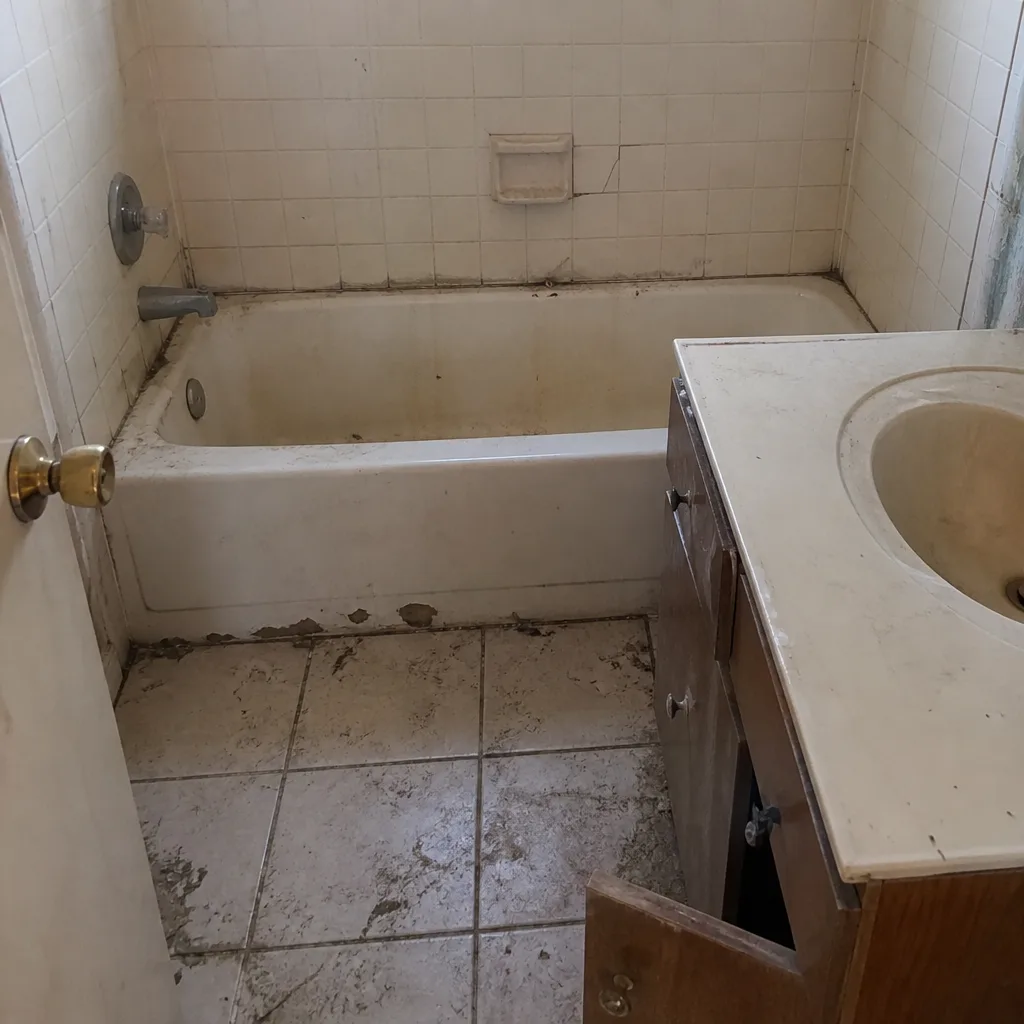
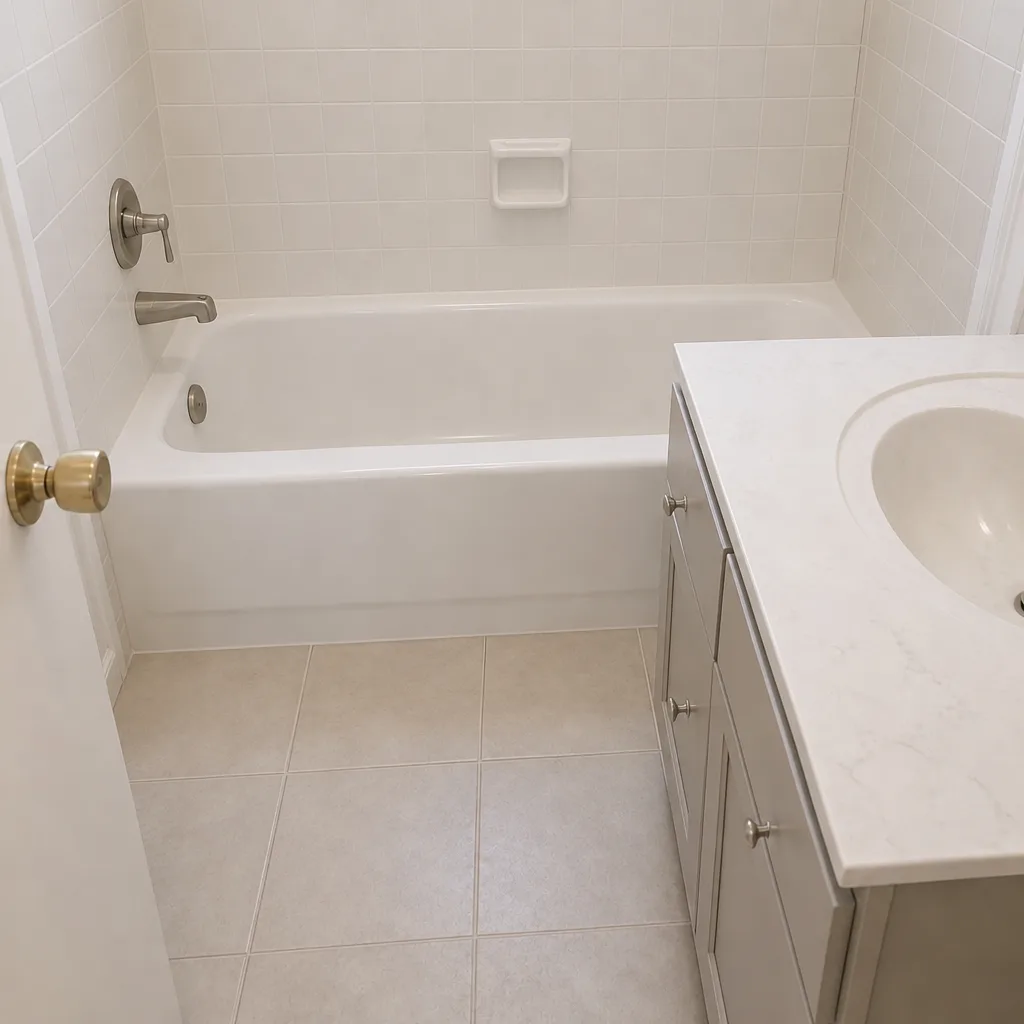
See the difference
 Before
 After
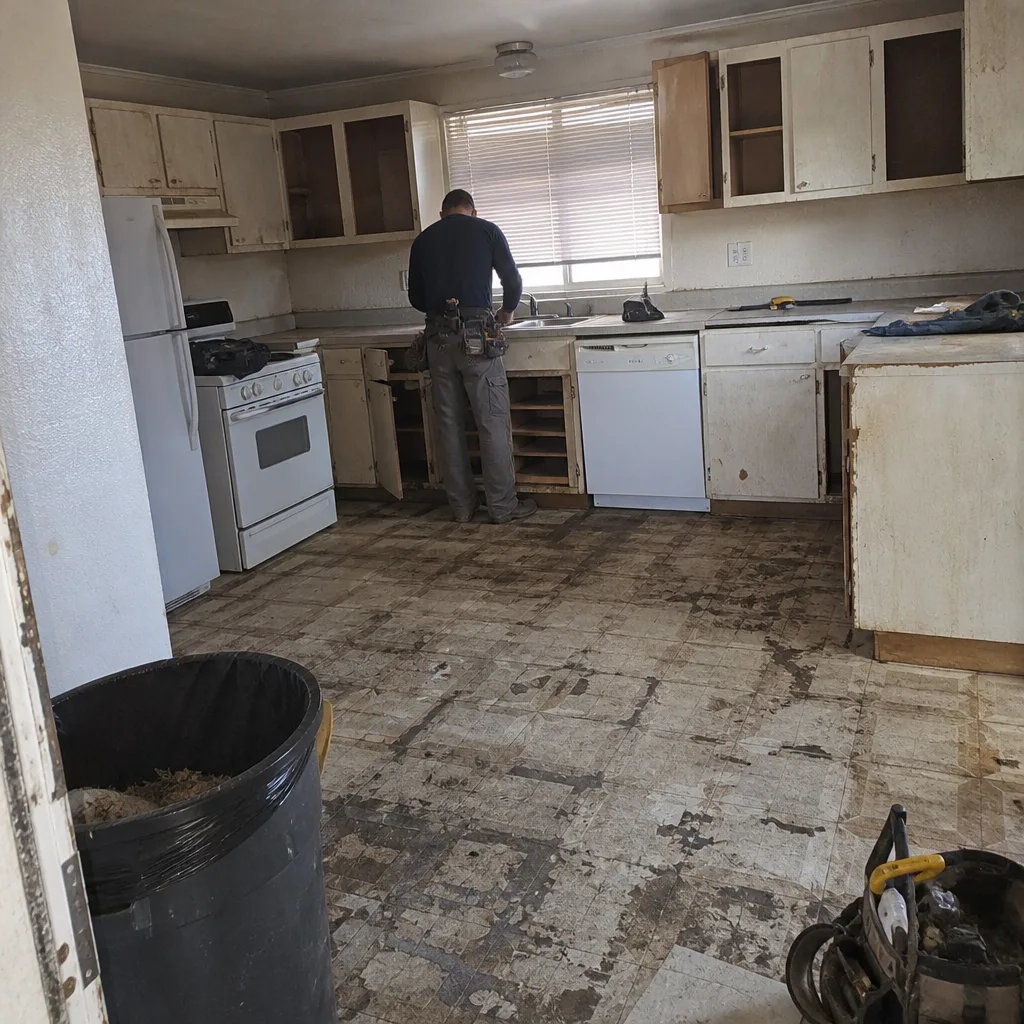 Before
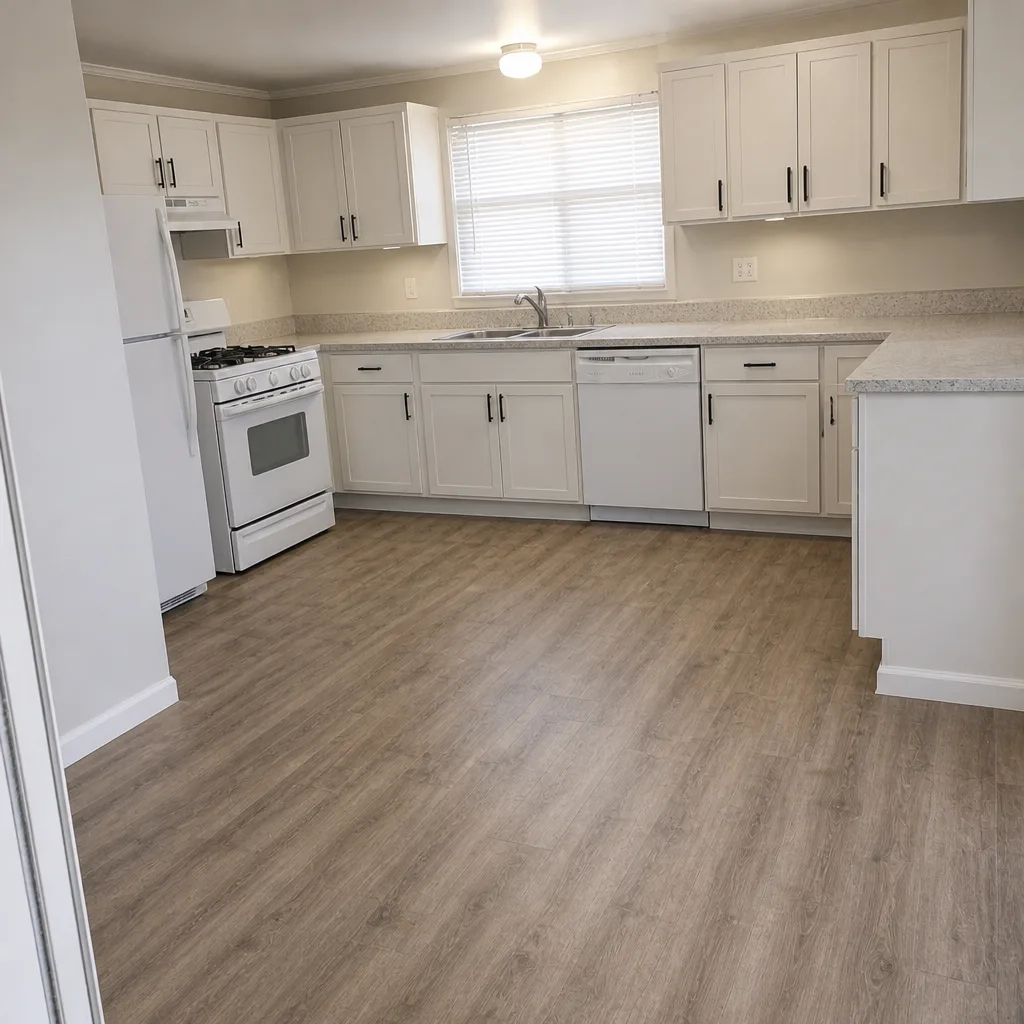 After
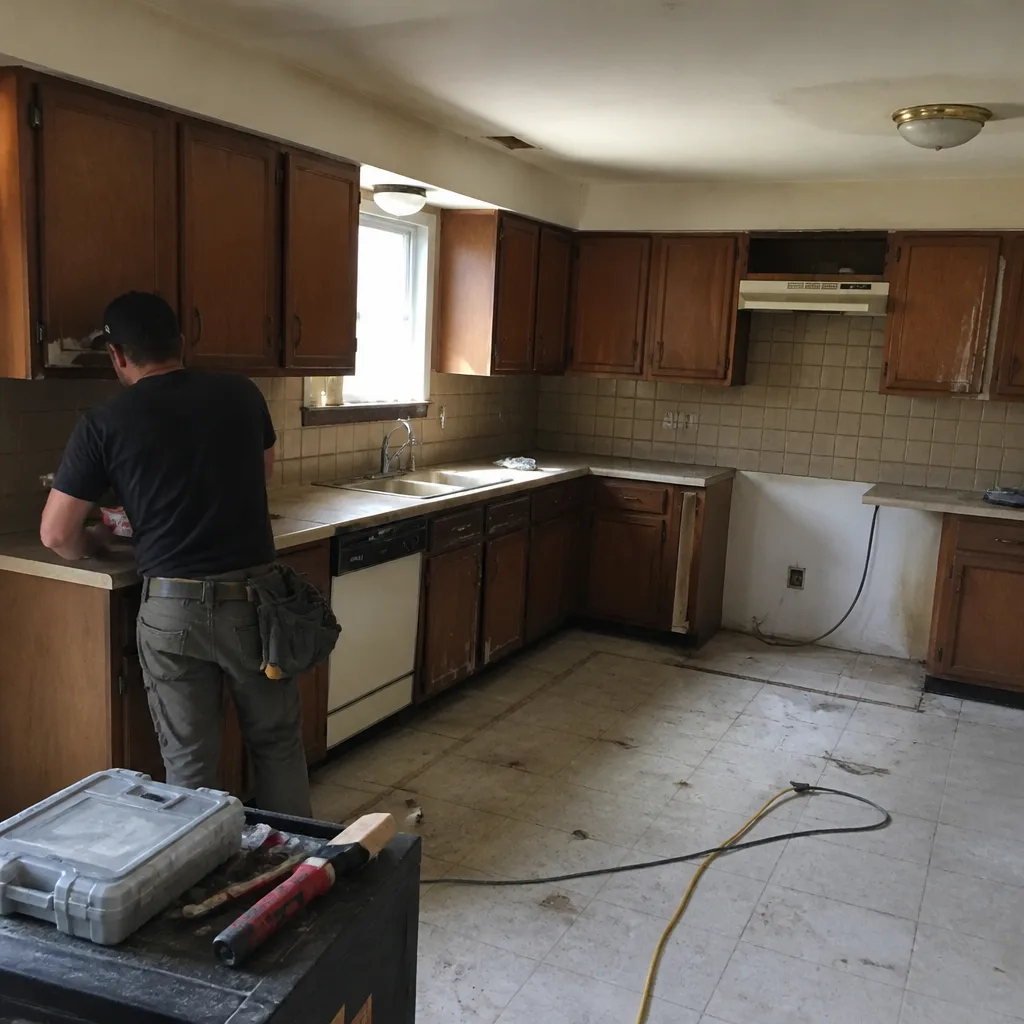 Before
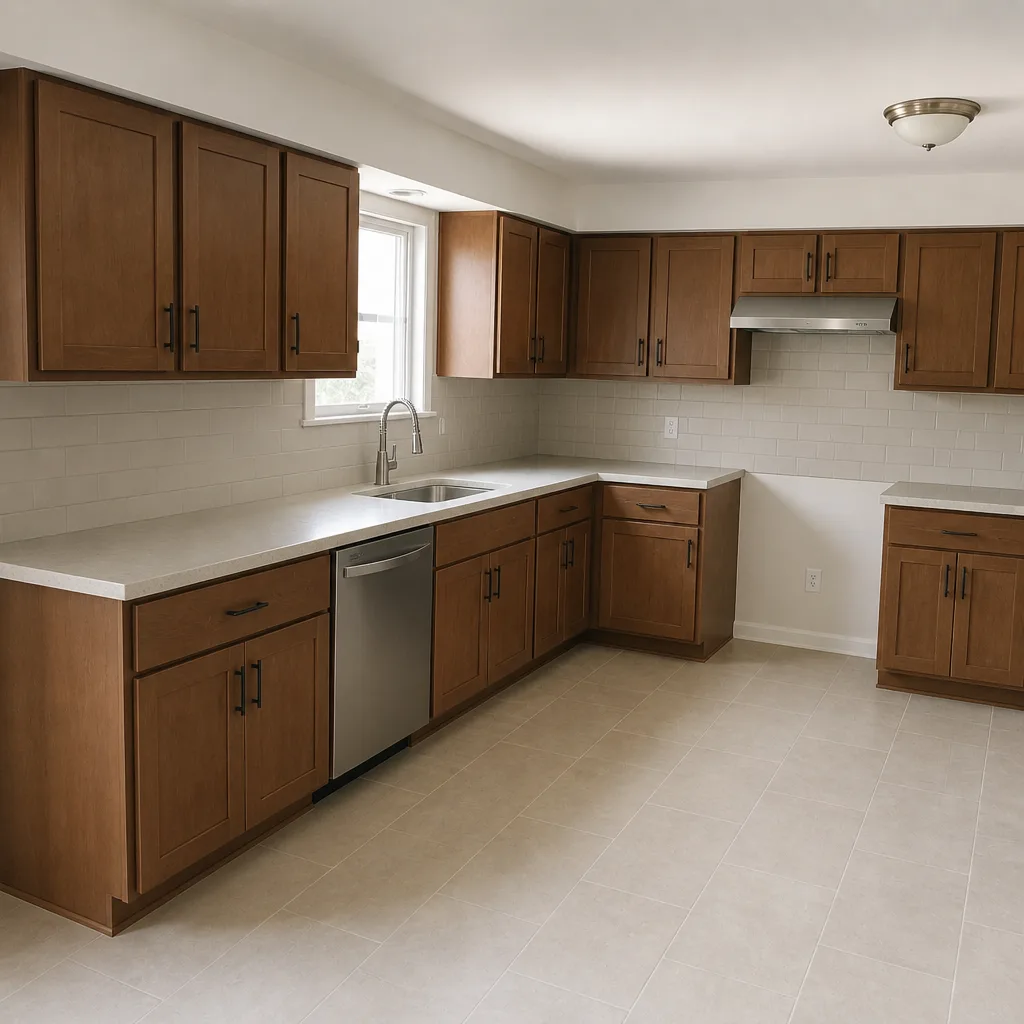 After
Frequently Asked Questions
A typical 600-square-foot paver driveway in Enterprise takes 3 – 5 days of on-site labor, plus 3 – 5 weeks of permit and material lead time. From signed contract to vehicle use, budget 3 – 6 weeks. If you need it faster, stock concrete pavers ordered in parallel with the permit can compress that to roughly 2 – 3 weeks. Call (833) 630-4077 for an exact scheduled range based on your driveway footprint.
No. Polymeric joint sand needs 72 hours from the final mist-and-compact to carry vehicle load. Light foot traffic is fine after 24 – 48 hours once the surface is dry. Parking sooner displaces the sand, loosens the joints, and typically triggers a paid re-sand later. In Enterprise’s cool season, add 12 – 24 hours to that window if the install lands on a cold snap.
Not without a signed change order. Under Clause 1 of the Haven Standard, the price is written before anyone starts, and no change proceeds until you sign off on it. That’s the discipline that has kept our projects within a few percent of the agreed cost across 4,000-plus jobs. If the excavation turns up caliche not visible at estimate, that’s the kind of condition the clause exists to handle honestly – in writing, before the extra work happens.
We pull them. Driveways that alter a curb cut, change drainage, or touch public right-of-way require a Clark County permit, and that permit processing is a 5 – 15 business day phase in the schedule. Permit work isn’t a paperwork step for you; it’s part of the schedule the contractor owns. We build the permit window into the written schedule, not loose beside it.
Stock concrete pavers in a standard color from Belgard or Techo-Bloc typically land on-site in 3 – 7 days from the order. That’s the fastest path. Special-order travertine is 3 – 5 weeks, and discontinued or blended clay brick is 2 – 4 weeks. The honest answer: pick a paver before you pick a start date, then build the schedule around the material, not the other way around.
Polymeric sand needs a dry 24-hour activation window. If a monsoon storm hits during install, the crew stops, covers the joints, and re-sands if displacement occurred. That’s a one-day schedule buffer, not a project reset. A schedule that has zero weather contingency in July or August in Enterprise isn’t a schedule – it’s a wish. Call (833) 630-4077 for a written estimate that treats weather as a real variable.
The Bottom Line
A paver driveway has two timelines and they don’t sync. The crew is on-site for 3 – 5 days. The project is 3 – 6 weeks from contract to usable surface. The curing window – 24 – 48 hours for foot traffic, 72 hours for vehicles – is real, not a contractor being cautious. Material lead time and permit processing drive the calendar more than crew speed does, and a written schedule clause is what makes any of those numbers accountable. If you want a documented quote with a real schedule and a named cure window, get the written price before anyone picks up a shovel. That’s the whole point. If you’re comparing pavers plus a patio plus a fence line, the sequencing gets easier when one contractor owns the written scope across all three.
Ready to price your driveway? Call Rowan Construction Group Enterprise at (833) 630-4077 for a free estimate. We’ll walk the site, note the subgrade, and hand you a written price with a schedule you can hold us to – before a single paver is moved.
Written by the team at Rowan Construction Group Enterprise.