Free written scope consultation - allowances, timeline, and change-order rules on paper before a single trade is scheduled
Styles & brands we work with
- Kitchen remodeling
- Bathroom remodeling
- Home additions & ADU
- Roofing
- Windows & doors
- Driveway & pavers
- Fence
See the difference
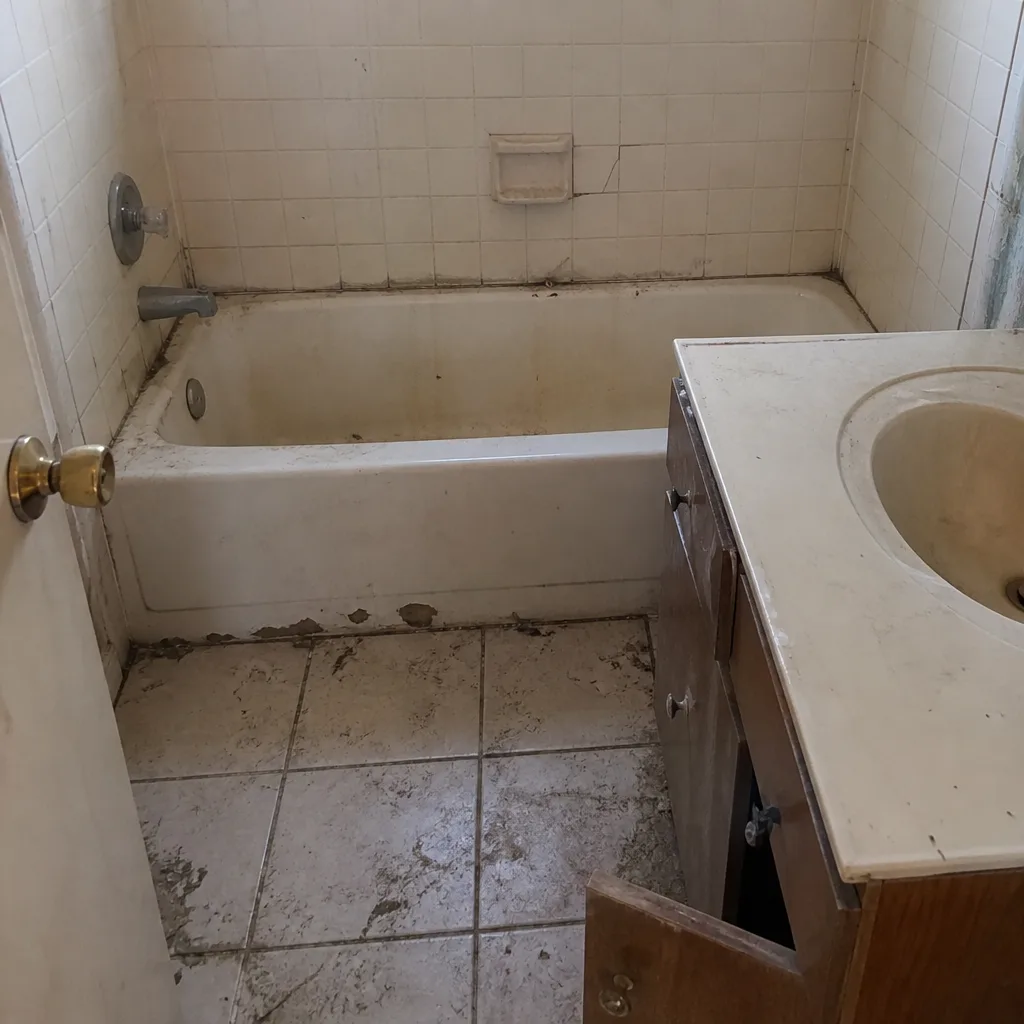 Before
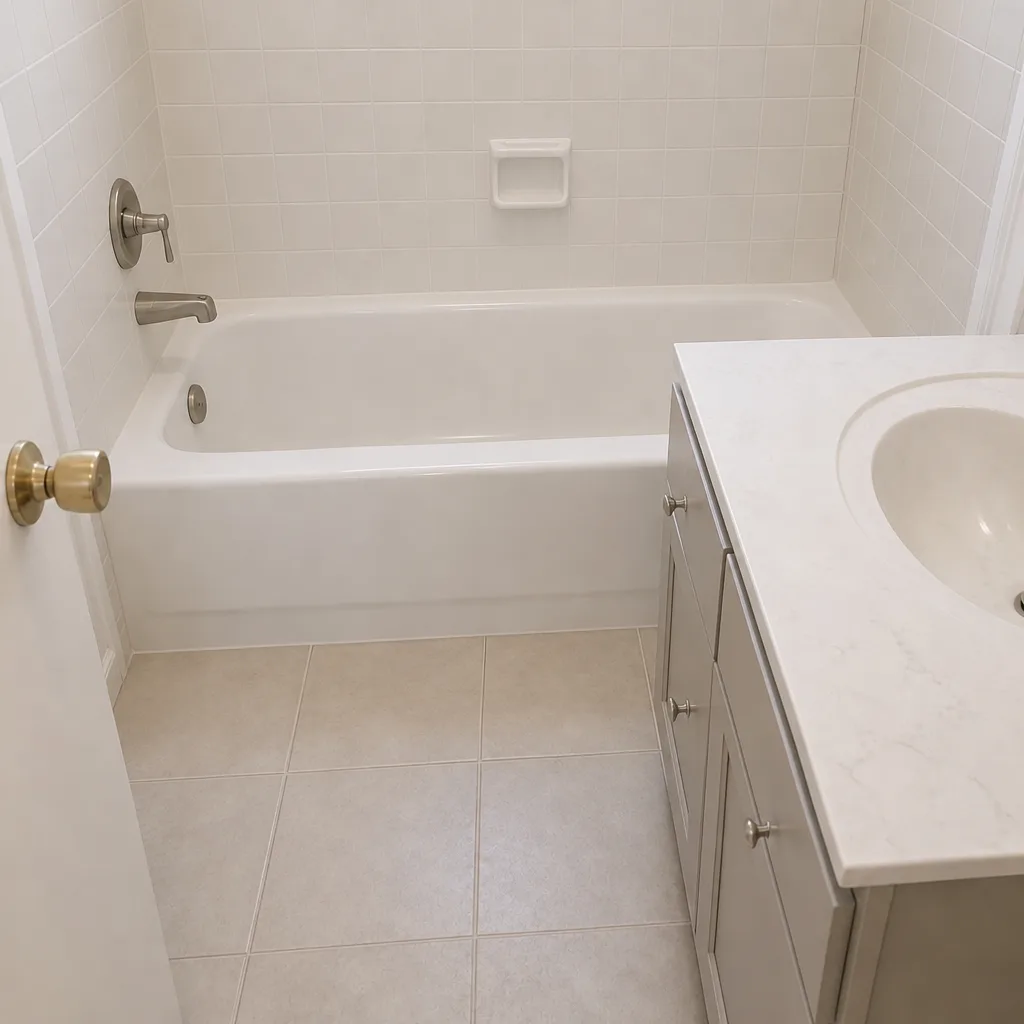 After
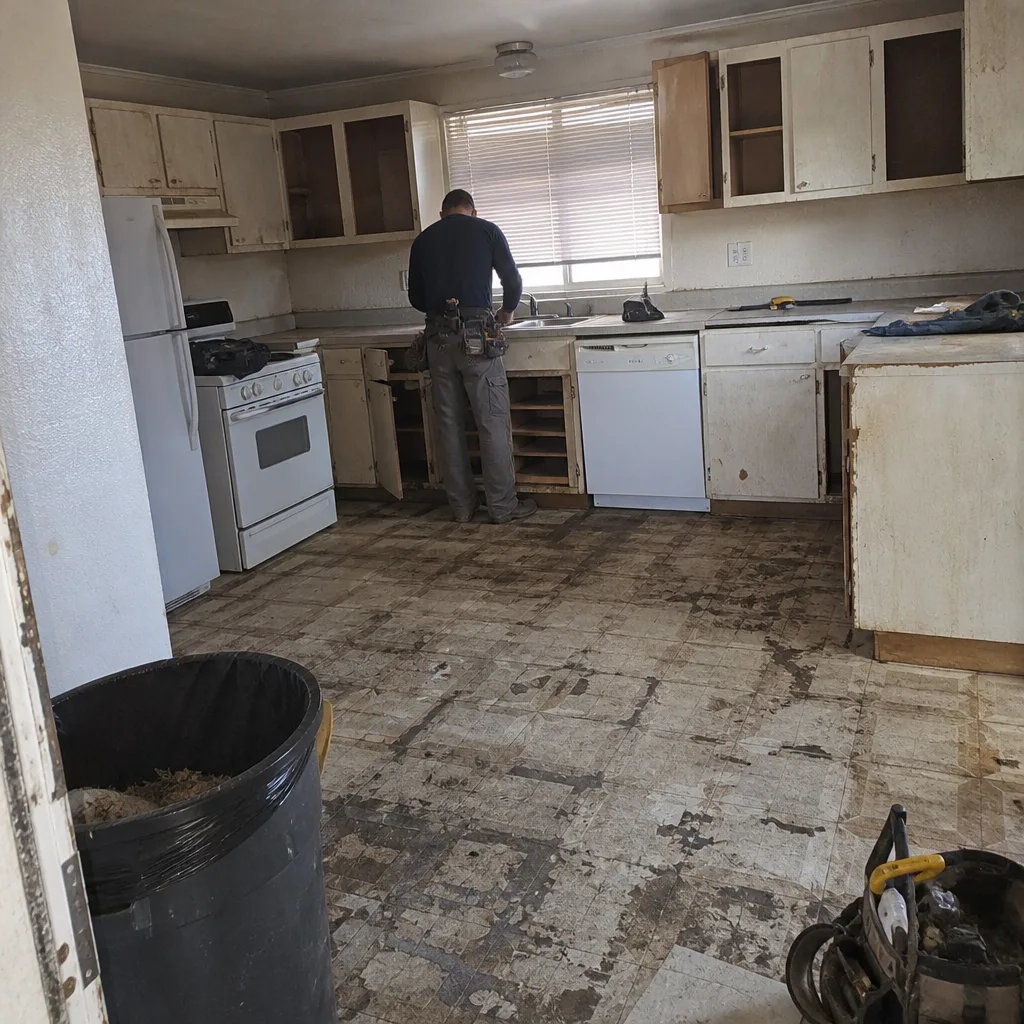 Before
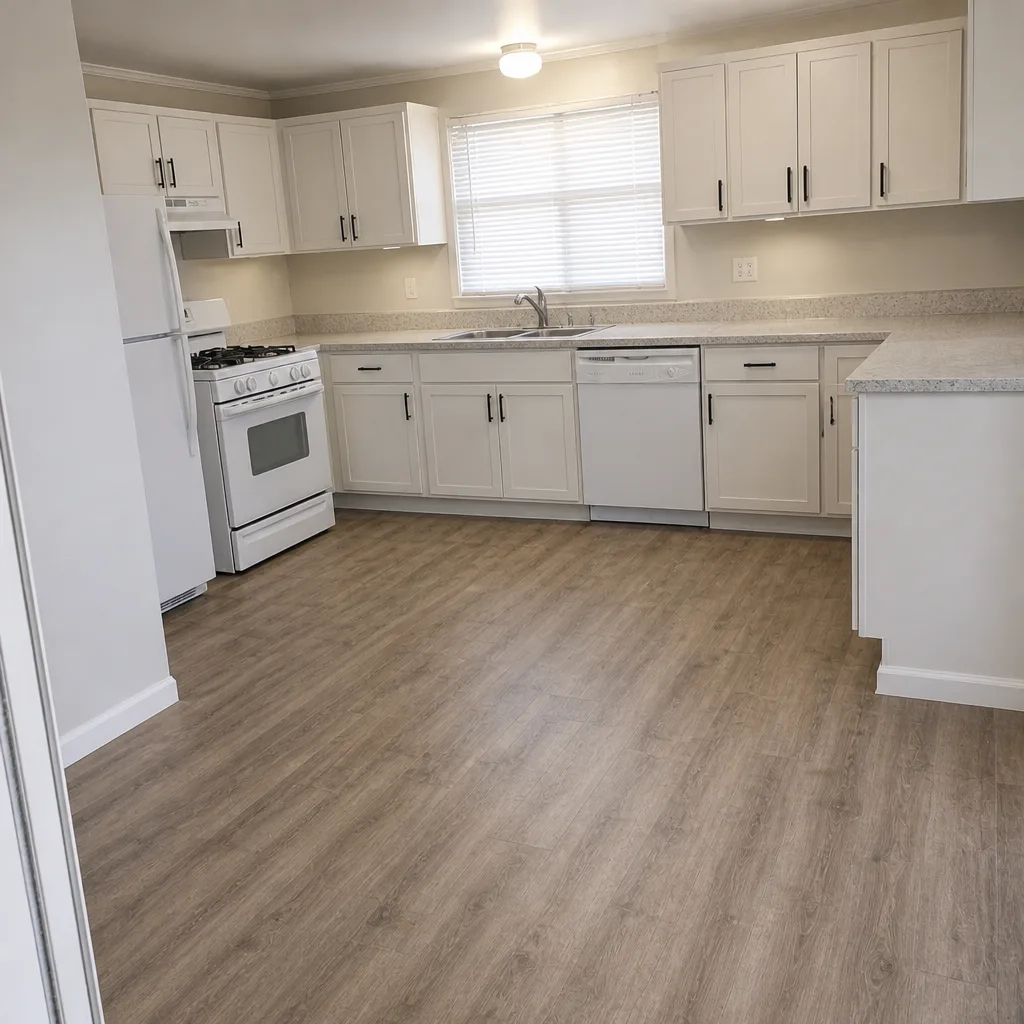 After
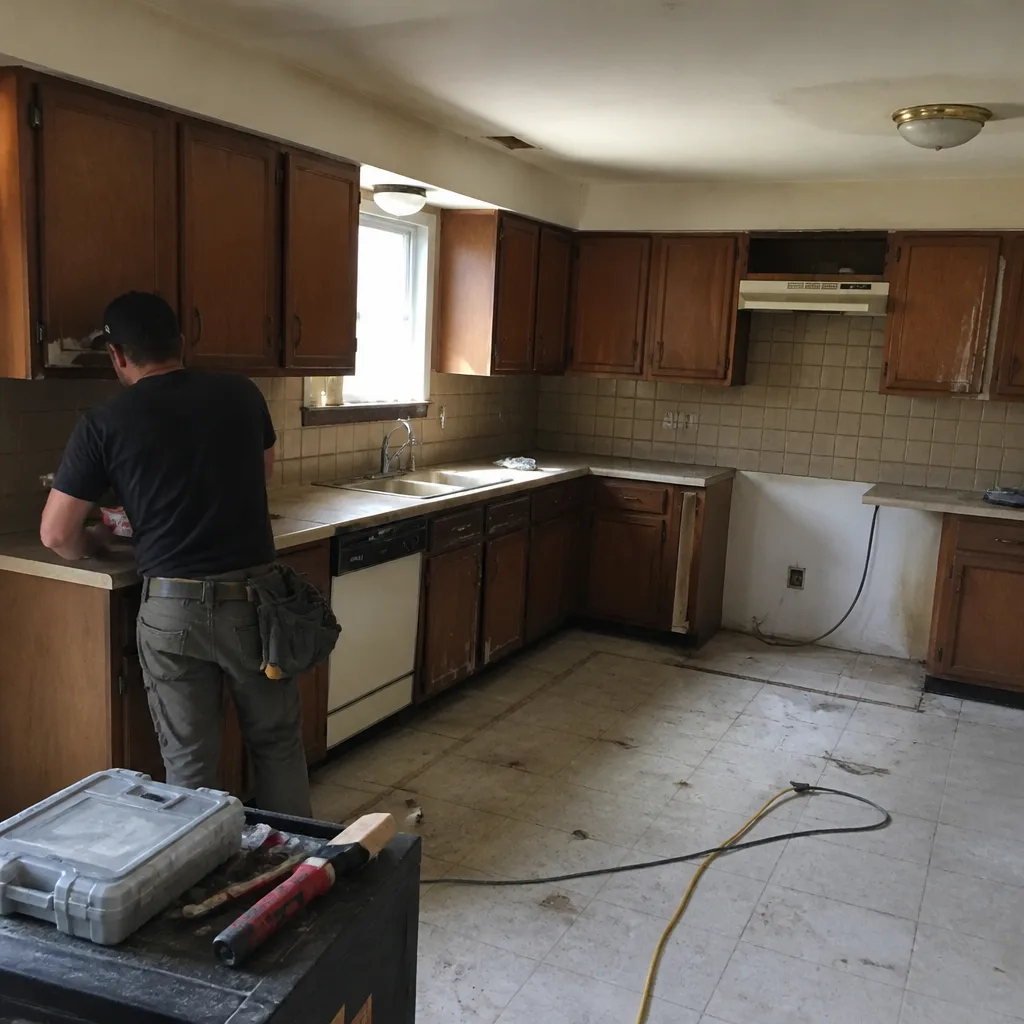 Before
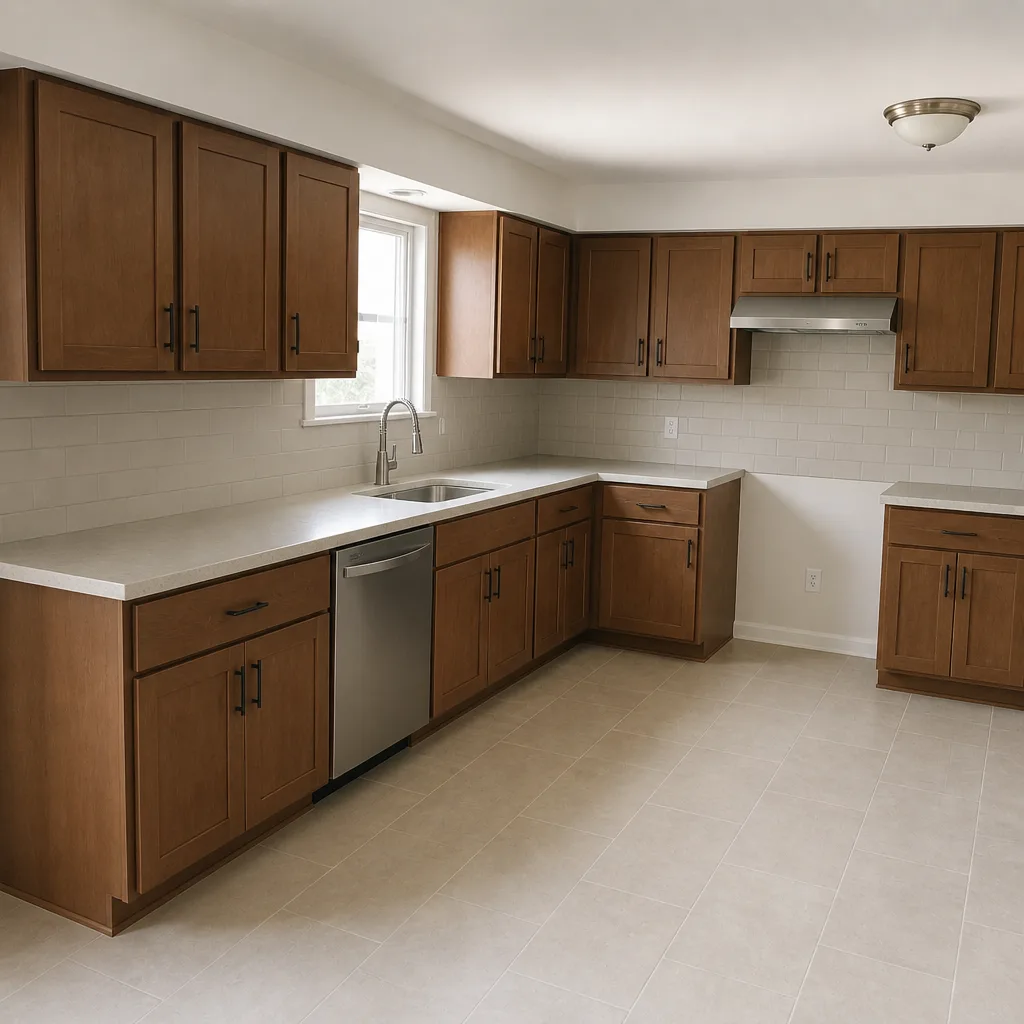 After
Home Addition vs ADU in Enterprise, NV: Choose the Addition Unless You Want Rental Income
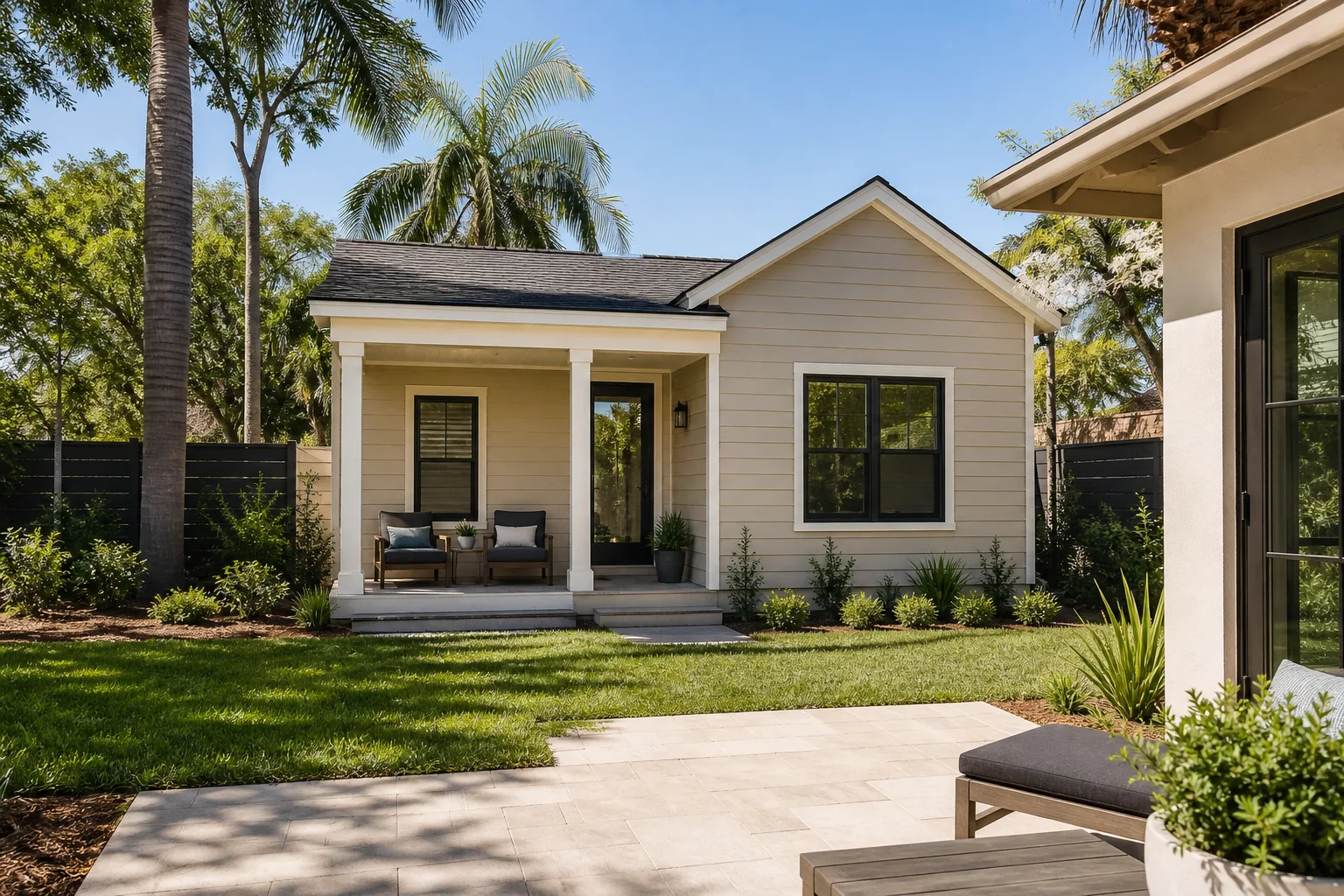
Choose a home addition unless you plan to rent the new space out, in which case build a deed-restricted ADU. That’s the short version. A home addition in Enterprise runs $45,000-$130,000 and folds directly into your primary dwelling’s assessed value, so Clark County reassesses your property tax base the year it’s finished. An ADU in Enterprise runs $90,000-$220,000, and a garage conversion ADU lands at $30,000-$80,000, but under NRS SB 150 (2021) it stands as a legally separate unit you can rent for $1,400-$1,900 a month in the Las Vegas Valley market. Those are two different financial outcomes from projects that look nearly identical on a blueprint. Call (833) 630-4077 and we’ll price both paths in writing before anyone picks up a tool.
What actually decides this in Enterprise
Most comparison articles treat this as a design question. On the ground in Enterprise, it’s three questions asked in a fixed order, and the first one often ends the conversation before a floor plan ever gets drawn.
1. Does the lot physically permit each option?
Enterprise is built out almost entirely in master-planned tract subdivisions from the 1990s through the 2020s, and the typical lot here runs 5,000-7,000 square feet. On a lot that size, Clark County’s rear-yard setback for a primary structure is 20 feet. A detached ADU needs only 4 feet of separation. That difference sounds generous until you sketch it: a 5,000-square-foot lot with a two-story house sitting near the rear line frequently has no legal spot for a detached ADU at all. When that happens, your real options are a home addition bumping out from the existing footprint, or an attached garage-conversion ADU. Neither is a compromise. Both are what the site plan actually supports. A site plan review comes before design work, every time, because designing a structure the setbacks won’t allow wastes your money and ours.
2. What do the county permit tracks cost you differently?
Clark County processes home additions and ADUs under separate permit categories, with different fee schedules and inspection sequences. The cost difference that comparison pieces leave out is utilities. A home addition ties into your existing meter and electrical panel because it’s part of the same dwelling. An ADU often triggers a separate utility analysis, and if your panel is already near capacity, a service upgrade gets added to the job. In Enterprise, that upgrade path adds roughly $3,000-$8,000 to the ADU budget on top of the permit difference. It’s a real line item, and it belongs in the written quote, not in a change order six weeks into framing.
3. What does the finished space do for you?
A home addition is permanently part of the primary dwelling. In most HOA-governed Enterprise communities, that means it can’t be rented separately, and the county reassesses it into your taxable value as soon as it’s complete. An ADU is a distinct legal unit. It can be rented independently even if you don’t live on the property, and it carries its own deed restriction under SB 150. One builds equity and tax base. The other builds monthly cash flow. A $1,400-$1,900 monthly rent against a $95,000 conversion recovers its cost in roughly five to eight years; a $120,000 addition doesn’t generate a dollar of income, but it raises what the house appraises for the day it’s finished.
Side-by-side: home addition vs ADU in Enterprise
| Factor | Home Addition | ADU (or garage conversion) |
|---|---|---|
| Typical Enterprise cost | $45,000-$130,000 | $90,000-$220,000 new build; $30,000-$80,000 conversion |
| Permit category | Addition to primary dwelling | Separate unit under Clark County ADU rules |
| Utility work | Ties to existing meter and panel | Separate utility analysis; panel upgrade possible (+$3,000-$8,000) |
| Rear setback from property line | 20 ft for the primary structure | 4 ft for a detached ADU – but the lot still has to fit it |
| Property tax effect | Assessed value rises immediately | Assessed as a separate unit |
| Rental income | Generally not rentable separately under HOA rules | Rentable independently under NRS SB 150 (2021) |
| Exterior finish | Matching stucco and concrete tile to blend with the facade | May use a different finish if setback from the street allows |
If the lot fits both and you want income, the ADU wins on math. If you want square footage for family, a home office, or resale value, the addition wins on cost per square foot and simplicity. On the small lots common across Enterprise’s master-planned subdivisions, the setback question frequently decides it for you. Our technicians have up to 19 years of experience reading exactly these site constraints, and the Home Additions & ADU service page covers the build process itself.
Why “matching” matters more in Enterprise than most places
Enterprise’s housing stock is overwhelmingly two-story Mediterranean and Southwestern stucco with concrete tile roofs. That uniformity is the aesthetic of the whole subdivision, and it’s also an approval hurdle. A home addition has to read as original to the house: the stucco finish has to match the existing coat, and the roofing has to match the tile profile. We source GAF and Owens Corning roofing systems from a vetted brand list of more than fifty manufacturers so the material specified in the quote is the material that shows up. Mid-project substitution is a quiet way estimates inflate. Under Clause 1 of the Haven Standard, the price is written before anyone starts, and no change order gets executed without a signature. That’s the discipline that has kept Rowan’s 4,000-plus projects within a few percent of the agreed number.
An ADU conversion gives you more exterior freedom, since it often sits back from the street where a different finish won’t break the block’s look. It’s still built to the same documentation standard. Every visit includes a photo record as a standard deliverable, not an upgrade, so you have evidence of what was found and what was done when the crew leaves. Windows and doors on either path come from brands like Therma-Tru, because in a climate that tops 105°F for weeks at a time, glazing isn’t a cosmetic choice.
Common local scenarios we see in Enterprise
- The in-law suite that never gets rented. A homeowner wants space for aging parents, so the addition is the right call. It stays part of the house, satisfies HOA rules, and adds appraised value without the rental-income paperwork an ADU requires.
- The garage nobody parks in. A three-car garage used for storage is the cheapest ADU path in Enterprise at $30,000-$80,000, and the existing slab and walls already carry the load. The utility analysis is the variable to watch.
- The lot that won’t fit a detached unit. Common on the smaller lots in the southern subdivisions. The setback math rules out detached construction, and an attached addition becomes the only compliant route.
- The builder-grade home hitting its replacement window. Original roofs and windows across Enterprise’s 1990s-2020s subdivisions are aging out at the same time. When the roof is being replaced anyway, folding the addition’s tie-in work into that project is worth pricing together.
When you’re weighing this against other upgrades to the same house, it helps to compare the numbers honestly. Window replacement in Enterprise runs $4,500-$15,000 and impact window installation runs $8,000-$25,000. Roof replacement runs $8,000-$20,000. Those figures are on the same scale as a garage conversion, and they’re the numbers we put side by side with you so you can see what else that budget buys. The home page lays out the seven trades Rowan works in, from kitchen remodeling and bathroom remodeling through roofing, windows and doors, fence installation, and driveway and pavers.
FAQ: what Enterprise homeowners actually ask
A home addition is usually the cheaper path in Enterprise, starting at $45,000-$130,000 against $90,000-$220,000 for a new detached ADU, though a garage conversion at $30,000-$80,000 can undercut both. The gap narrows when the ADU is a conversion and widens when a panel upgrade adds $3,000-$8,000. Call (833) 630-4077 for a written price on each path – the estimate is free.
Yes. Under NRS SB 150 (2021), an ADU is a legally distinct unit and can be rented independently even when the owner doesn’t reside on-site.
Yes. A home addition is part of the primary dwelling and is reassessed into your taxable value once it’s complete, so budget for the tax increase alongside the construction cost.
You won’t know until someone checks the site plan against Clark County’s setbacks, which are 20 feet for a primary structure and 4 feet for a detached ADU. On Enterprise’s 5,000-7,000 sq ft lots, that review often settles the question before design work begins. Call (833) 630-4077 and we’ll review yours at no charge.
Get both paths priced before you decide
If you’d rather have it looked at, Rowan Construction Group Enterprise offers a no-pressure assessment in Enterprise – call (833) 630-4077 for a free estimate. Bring a competitor’s written quote and we’ll review it line by line at no charge, so you’re comparing documented numbers instead of shifting estimates. And if the site plan rules one option out, you’ll hear it plainly.
Written by the team at Rowan Construction Group Enterprise, serving Enterprise, NV.