Last updated November 18, 2026
Free written scope consultation - allowances, timeline, and change-order rules on paper before a single trade is scheduled
The Complete Home Additions & ADU Guide for Enterprise Homeowners
Enterprise Township’s 50% lot coverage cap and its specific R-E zoning setback requirements have killed more ADU projects at the planning stage than bad contractors ever have. That’s the uncomfortable fact most guides skip. In our experience, homeowners here lose months – and sometimes their entire budget – because they found a builder before they found out what the lot would actually allow. This guide walks through the real Enterprise approval sequence, the fee and utility costs nobody quotes upfront, and how Nevada SB 180 treats attached additions, detached ADUs, and JADUs differently. You’ll finish knowing what a complete permit package looks like and what to ask before signing anything.
Quick Answer
A home addition or ADU in Enterprise, NV generally takes 9 to 18 months from first design to final inspection, with permitting alone consuming 4 to 8 months through Clark County and Enterprise Township review. Budget $150,000 to $280,000 for a detached ADU of 600 to 900 square feet before site work surprises, and expect $4,000 to $8,000 in NV Energy service upgrades plus Clark County impact fees that climb with square footage. The projects that stay on budget are the ones where the lot’s coverage, setbacks, and soil report get resolved before anyone draws a floor plan.
Styles & brands we work with
- Kitchen remodeling
- Bathroom remodeling
- Home additions & ADU
- Roofing
- Windows & doors
- Driveway & pavers
- Fence
Table of Contents
- The Enterprise approval sequence, week by week
- What an Enterprise ADU actually costs
- Attached addition, detached ADU, or JADU under SB 180
- Expansive soil and the geotechnical report
- Your permit package checklist
- The contract protections that matter
- Common mistakes to avoid
- Frequently asked questions
The Enterprise approval sequence, week by week
Nobody in Enterprise gets a foundation poured until five separate gates are cleared, and each gate has its own queue. Here’s the sequence as we see it play out, with realistic calendar ranges for 2024. Timelines move with county workload, so treat these as planning ranges, not guarantees.
- Pre-application meeting (weeks 1 to 3). You sit with county planning staff to review lot coverage, setbacks, and zoning compliance before spending design money. Come with a current plot plan and the property’s parcel number.
- Zoning compliance review (weeks 3 to 7). Staff confirms your project respects the 50% lot coverage cap, the R-E setback distances, and height limits. A variance request here can add 8 to 12 weeks on its own.
- Building permit submittal and review (weeks 7 to 20). This is where the longest queue lives. Plans come back with correction comments, you respond, and the review clock restarts.
- NV Energy capacity check (weeks 10 to 18, run in parallel). A detached ADU with its own electric service triggers a service upgrade and a utility load review. Doing this late is a common, expensive mistake.
- Final inspection and sign-off (weeks 20 to 40+). Construction inspections run throughout, with the final building sign-off closing the permit.
The single biggest variable is not the county’s speed. It’s whether your submittal comes back clean on the first pass.
What an Enterprise ADU actually costs
When we price an addition in Enterprise, the number homeowners are surprised by isn’t the build cost – it’s everything before the build cost. Here’s where the money actually goes.
- Clark County impact fees: $4,000 to $7,000+, depending on conditioned square footage. These are assessed at permit issuance and are non-negotiable.
- NV Energy service upgrade: $2,500 to $8,000 for a detached ADU that needs its own meter and panel. The lower end assumes an existing panel with capacity to spare, which is not common on lots from the early 2000s.
- Civil engineering and site plan: $2,500 to $6,000 for a lot that lacks an existing grading plan. This covers drainage, grading, and the plot plan the county wants in the submittal.
- Geotechnical report: $1,500 to $3,500 when soils testing is triggered (see the expansive soil section below).
- Construction cost: roughly $250 to $375 per square foot for a finished detached ADU with kitchenette and bath, sitting between a garage conversion and a full custom build.
String those together and a 700-square-foot detached ADU lands in the $185,000 to $260,000 range in Enterprise before any surprises. When a contractor quotes you a build-only number, ask what’s excluded. The written scope should itemize every one of these lines.
Attached addition, detached ADU, or JADU under SB 180
Nevada’s SB 180 reshaped how Clark County treats accessory units, and the type of structure you build changes which rules apply to you. The three options are not interchangeable.
Attached addition
A new bedroom wing, a larger kitchen, or a primary suite attached to the existing footprint. It’s governed by Lot coverage and setbacks the same way the house is. An attached addition usually doesn’t trigger separate utility service and often needs only an upgraded panel. It’s the simplest path through permitting.
Detached ADU
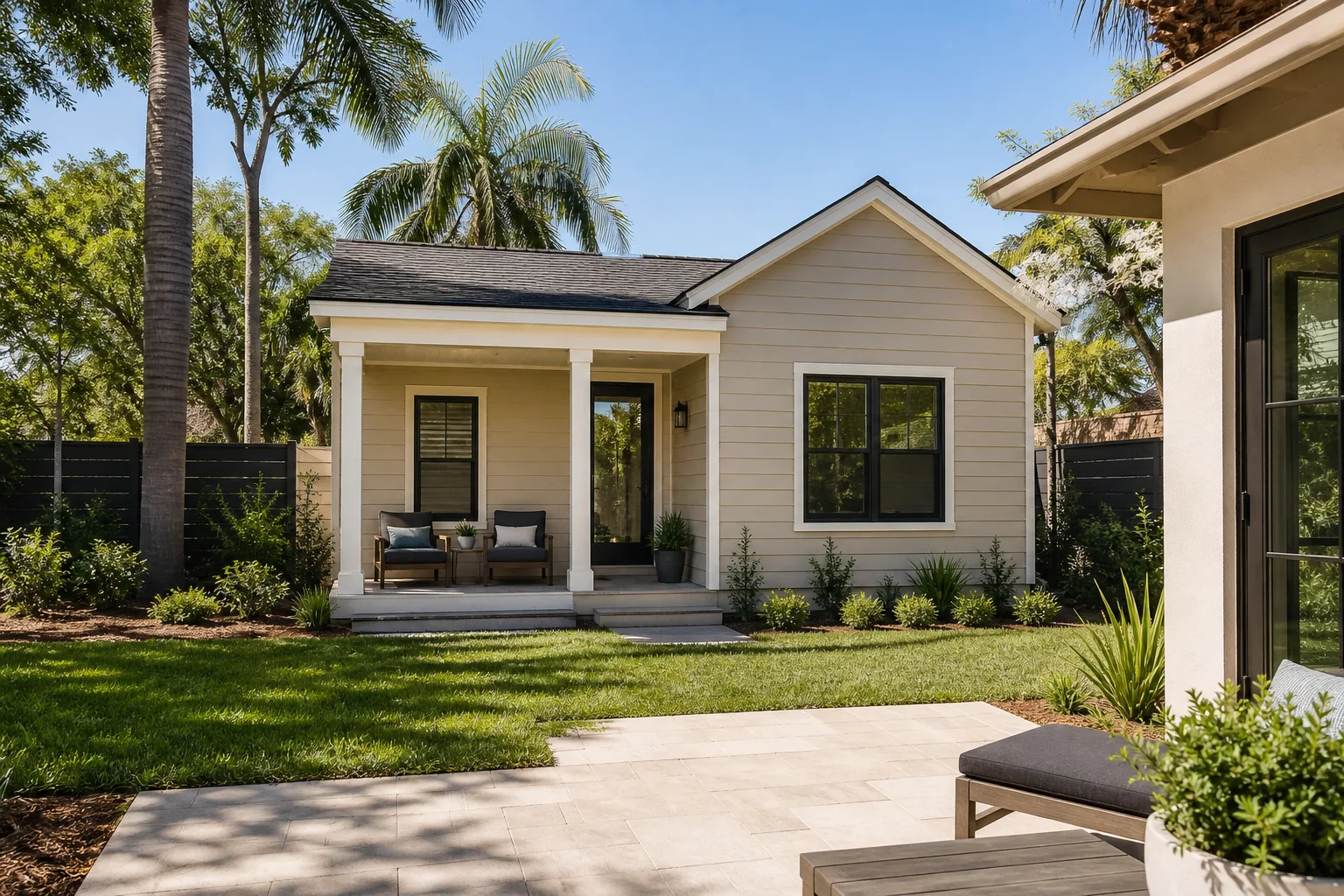
A separate structure with its own entrance, kitchenette, and bathroom. This is the option that triggers the NV Energy service upgrade and the separate impact fee assessment. In Enterprise, a detached ADU is also where lot coverage gets tight – the ADU counts toward your 50% cap along with the house, garage, and any paved hardscape the county counts.
Junior ADU (JADU)
A smaller unit, typically within or attached to the main house, often a conversion of a portion of the garage or an existing room. SB 180’s framework treats JADUs more favorably on some site requirements, but owner-occupancy rules and how the unit affects your property tax assessment are the details homeowners gloss over. The county assessor treats a permitted, rentable ADU differently from an unpermitted one. Any unit that adds independent living space and is permitted as such can affect your assessed value. Ask the assessor’s office for a written answer before you finish the design.
The one structure to avoid entirely is the unpermitted ADU. If you build first and permit later, you’re not saving money – you’re buying the risk of a forced teardown or a costly compliance process when you sell.
Expansive soil and the geotechnical report
Enterprise sits on a mix of alluvial soils that can carry a swell index high enough to move a lightly founded structure over time. A geotechnical report costs $1,500 to $3,500. What it reveals is worth every dollar, and here’s why.
The report tests the soil at your specific address, measures its swell potential, and recommends a foundation design – often a post-tensioned slab or a deeper footing than the baseline code assumes. Skip it and you may pour a foundation that looks fine for two years and then shows you hairline cracks in the drywall season after season.
For an ADU, the report’s findings directly shape the structural design. That means the geotech needs to happen before the structural engineer drafts the foundation plan, not after. Contractors who reverse that order end up paying for two rounds of engineering – and re-submitting to the county.
Your permit package checklist
Incomplete submittals are the single largest cause of ADU approval delays in Enterprise. Here’s what a complete package contains. If any line is missing, the review clock stalls.
- Completed application with parcel number and legal description
- Current plot plan showing lot coverage, setbacks, and the proposed footprint
- Architectural drawings: floor plans, elevations, sections, and roof plan
- Structural calculations and foundation design, informed by the geotechnical report
- Grading and drainage plan
- Geotechnical report (when triggered)
- Energy compliance documentation (Title 24 equivalent for Nevada)
- NV Energy service upgrade documentation for a detached ADU
- Signed construction contract with milestone dates and written scope
The last item is not a county requirement. It’s your protection. A written contract with milestone dates – design complete, permit submitted, foundation poured, framing inspection – tells you exactly where the project should be at every stage. If the process drags, you have a written reference point to hold anyone accountable.
The contract protections that matter
Every project we quote gets a flat written price and a written scope before work starts, and no change proceeds without a signed change order. That discipline is the difference between a project that finishes within a few percent of the agreed number and one that doesn’t. When you’re comparing ADU contractors in Enterprise, it’s the thing to hold them to. Rowan Construction Group works under the company’s Enterprise home base, and that discipline is printed on the quote, not promised on a phone call.
Also ask for a written warranty and a documented photo record on every visit, so you can see the foundation prep and framing before they’re covered. If you want a second read on a competing bid, we’ll review it line by line at no charge. And if you’re still weighing the site work, the same crew handles driveway and pavers in Enterprise and fence installation in Enterprise, which often brackets an ADU build.
Common Mistakes to Avoid
- Hiring before verifying lot coverage. The 50% cap in Enterprise is checked before design, and a project that exceeds it goes back to the drawing board.
- Ignoring the NV Energy capacity check until framing. A detached ADU in Enterprise that needs a new service pauses for weeks when the upgrade gets ordered late.
- Skipping the geotechnical report. The $1,500 to $3,500 report is cheaper than re-pouring a foundation after swell damage shows up.
- Assuming a JADU has no tax effect. Any permitted independent living space can affect your assessment, so confirm with the assessor before the design is final.
- Submitting an incomplete package. Missing one section stalls the whole review and restarts the clock, which is the most common cause of a 12-month permit in Enterprise.
- Building the ADU unpermitted. The savings are temporary; discovery at sale is not.
- Quoting on a handshake. A build-only number that excludes impact fees and service upgrades isn’t a quote; it’s a partial quote.
See the difference
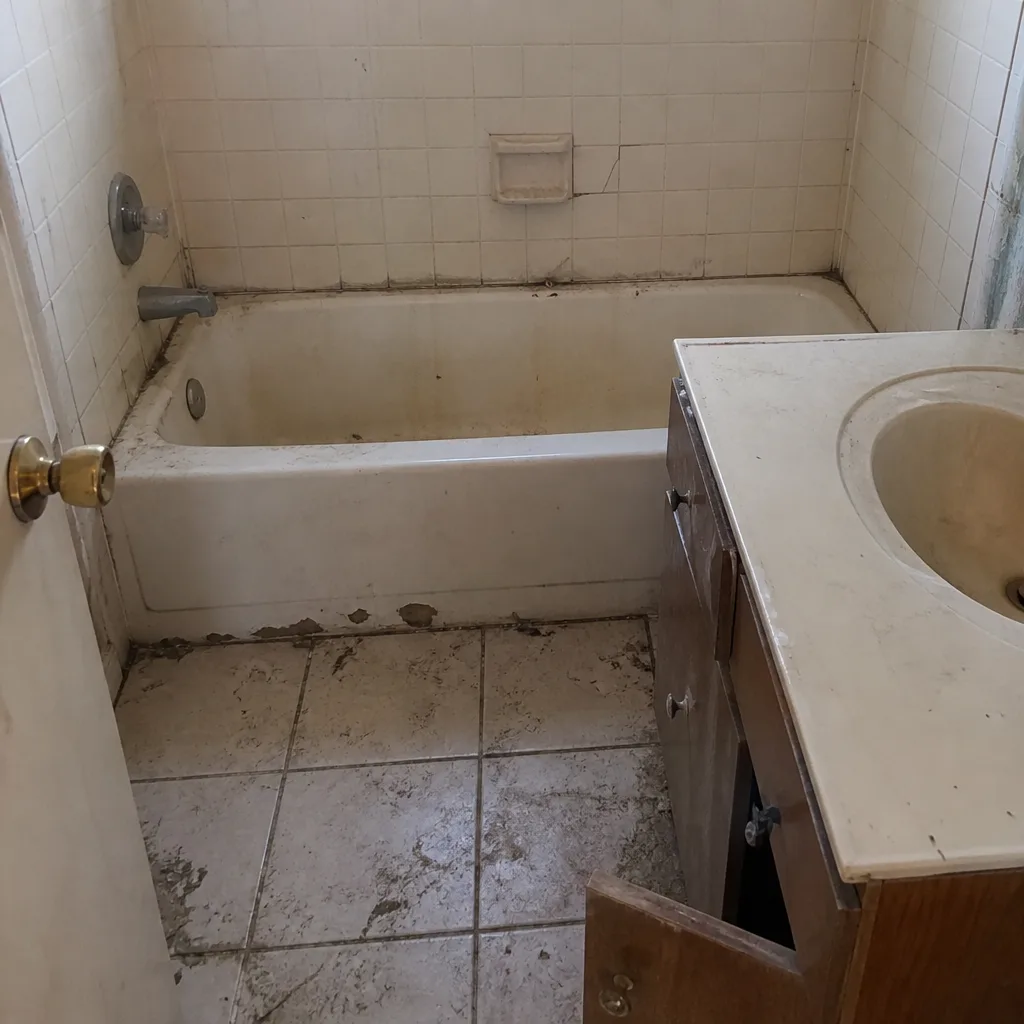 Before
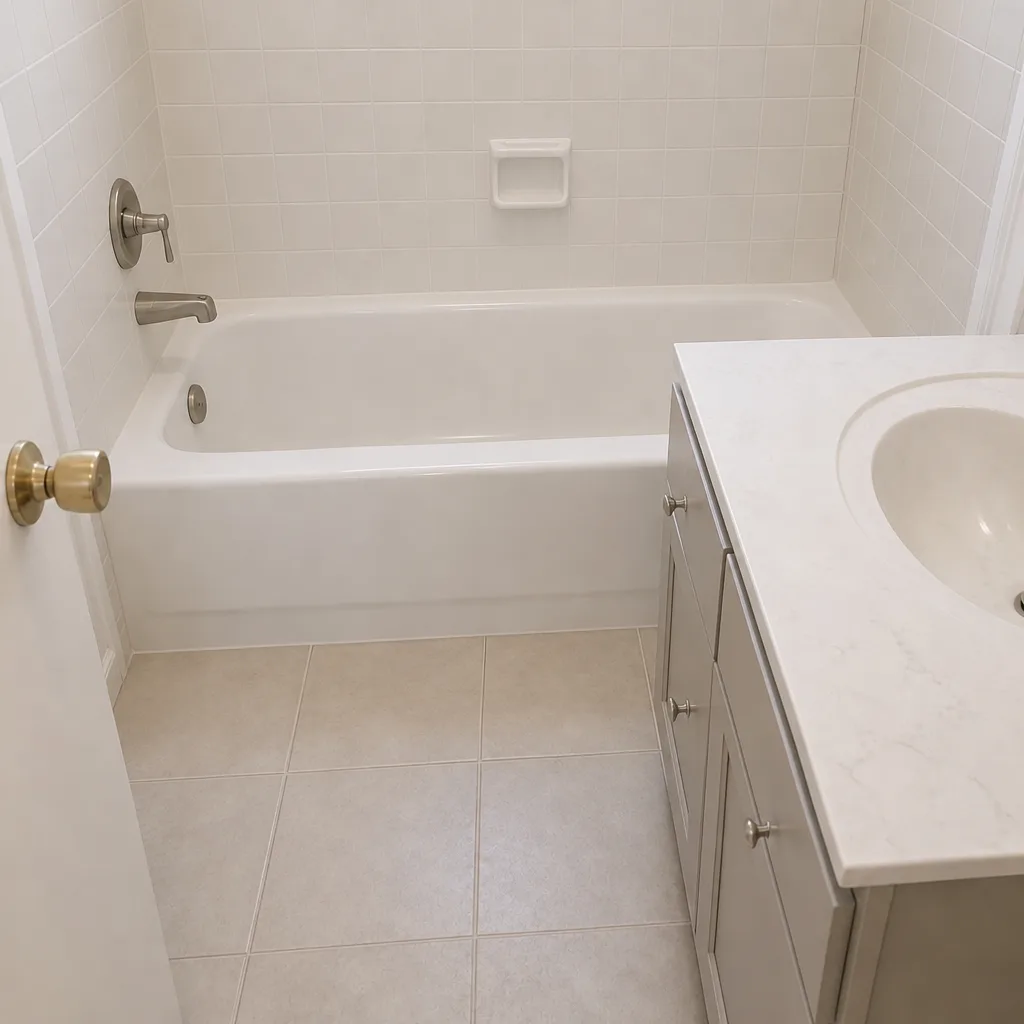 After
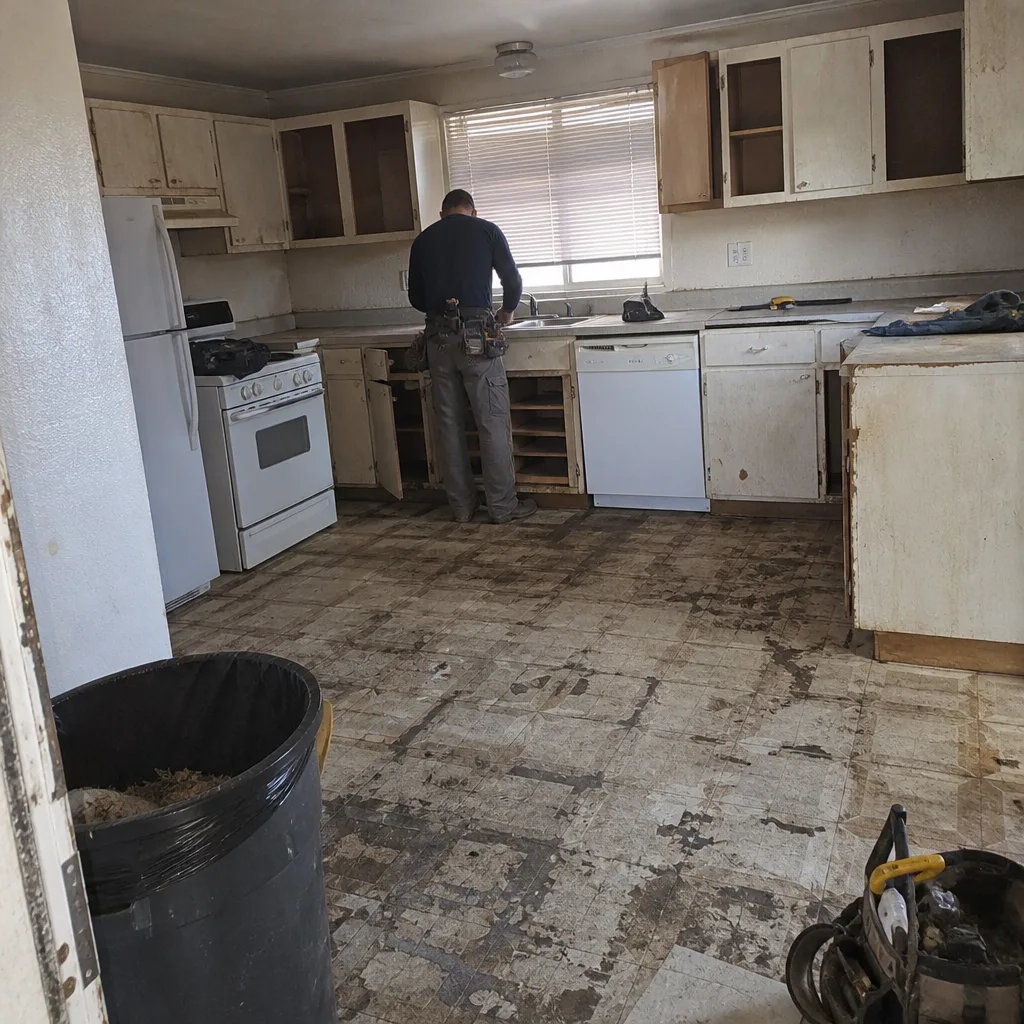 Before
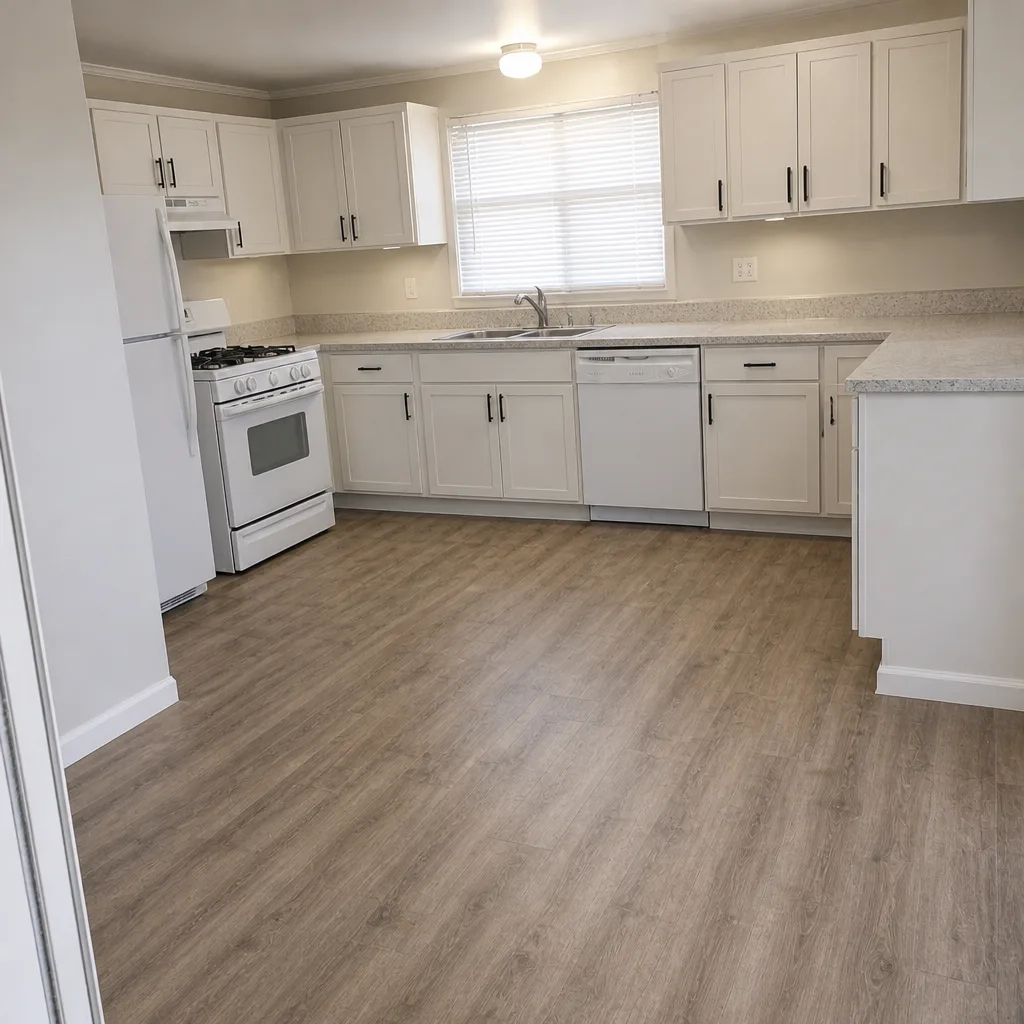 After
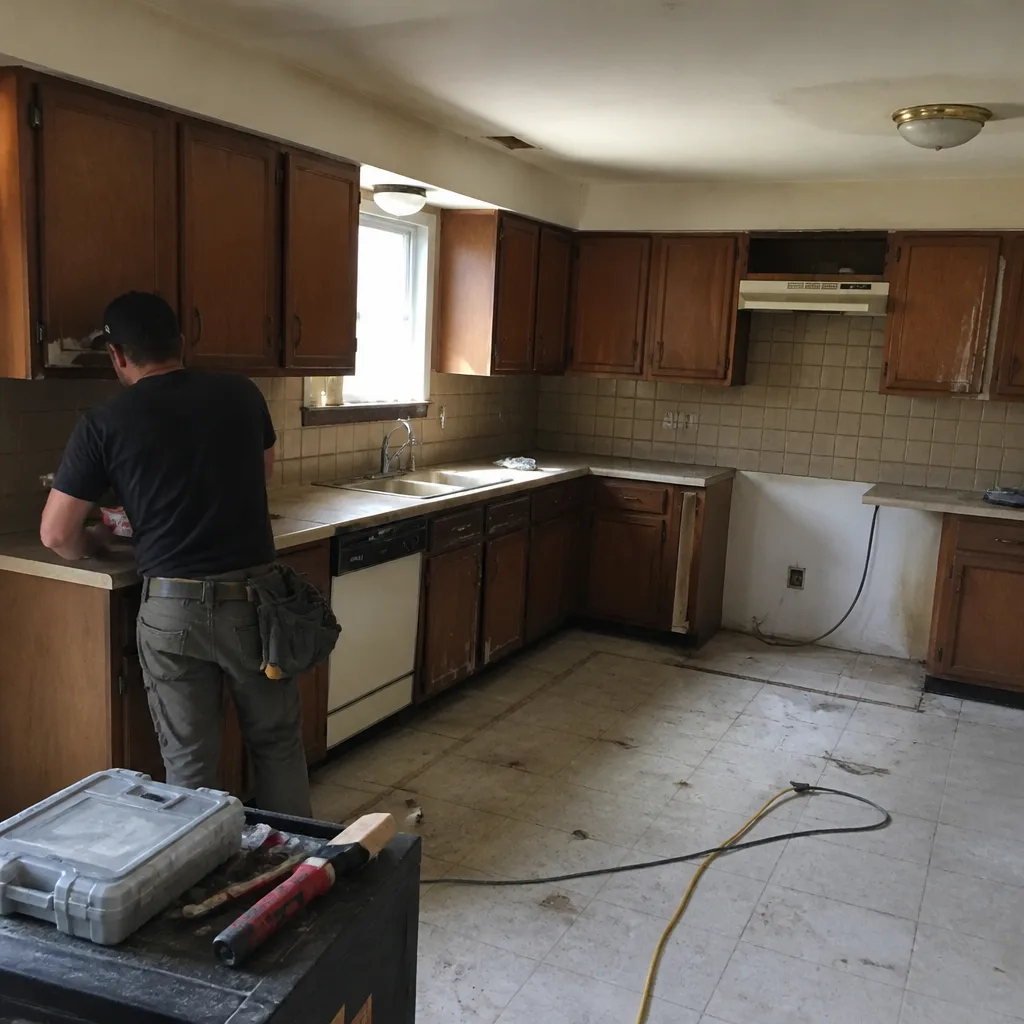 Before
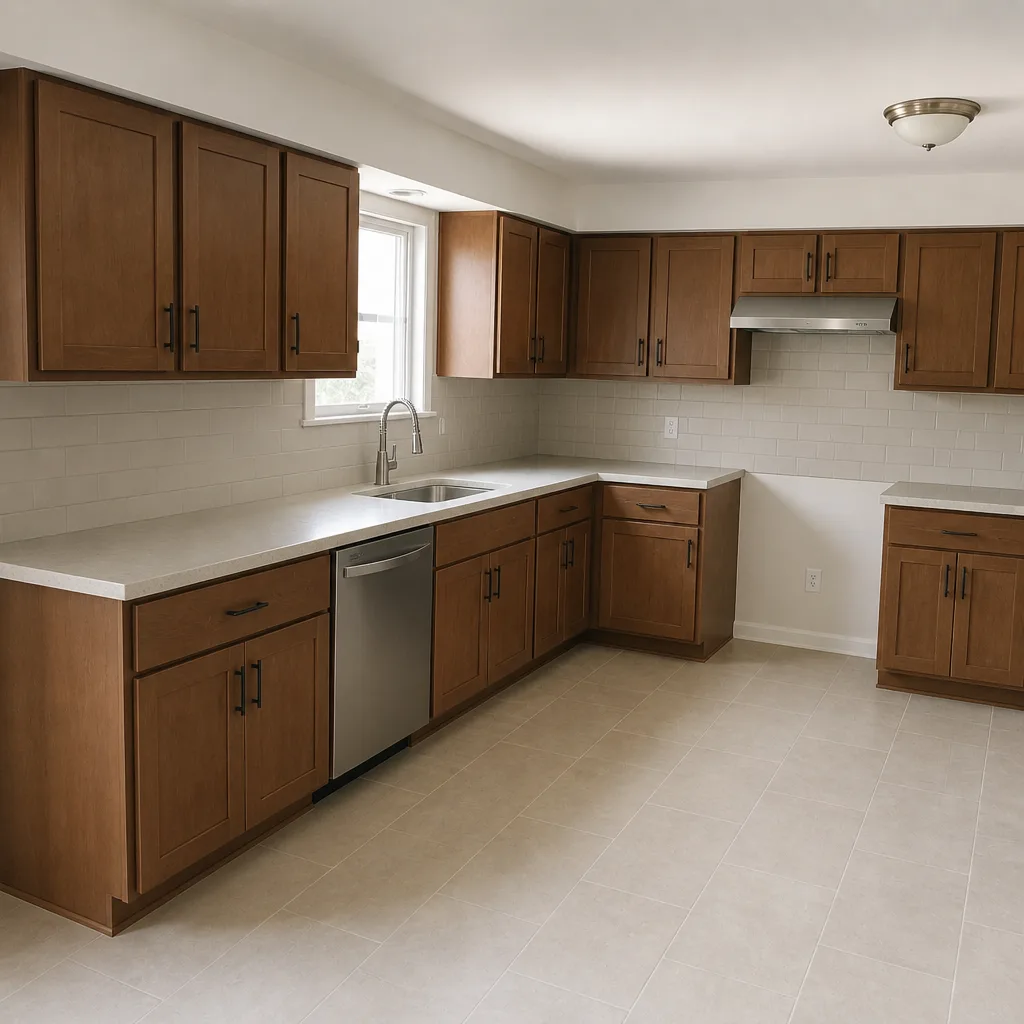 After
When to Call a Professional
Call us when your lot’s coverage and setbacks aren’t obvious, when the property has no existing site plan, or when your first county submittal came back with correction comments you can’t decode. Call before you buy a set of plans, because the pre-application meeting determines what the plans can legally be. Call when a contractor quotes you a number that doesn’t itemize impact fees and service upgrades, or when your geotechnical report recommends a foundation you don’t understand. Rowan Construction Group Enterprise offers free estimates in Enterprise – call (833) 630-4077. We’ll bring a written price and a written scope to the first meeting, and we’ll tell you which questions to ask the county before you spend another dollar.
Frequently Asked Questions
The full approval sequence runs 4 to 8 months from clean submittal to permit issuance, with the building review queue usually the longest step. A complete package that comes back with no correction comments moves on the shorter end; a variance request can add 8 to 12 weeks. Call (833) 630-4077 to schedule a free estimate and we’ll walk through the timeline for your lot.
Construction runs roughly $250 to $375 per square foot, with Clark County impact fees of $4,000 to $7,000+ and NV Energy service upgrades of $2,500 to $8,000 for a detached ADU on top. A 700-square-foot detached ADU typically lands between $185,000 and $260,000 all-in before surprises. Call (833) 630-4077 for an exact written quote – estimates are free.
No, not without a signed change order. Under our written-price policy, the scope and price are fixed before anyone picks up a tool, and no change proceeds until you sign. That’s the discipline behind keeping projects within a few percent of the agreed cost. Call (833) 630-4077 to schedule your free estimate.
Usually yes, which is why the NV Energy capacity check belongs early in the process. A detached ADU with its own kitchen and living space needs a separate meter and panel in most Enterprise installations, and that upgrade runs $2,500 to $8,000. Call (833) 630-4077 and we’ll confirm what your existing panel can carry.
Yes – the permit package is part of the job, and we walk the submittal through the county rather than handing you a set of plans to file yourself. We’ll tell you up front which items the county requires for your specific lot, including the geotechnical report and the service upgrade documentation. Call (833) 630-4077 for a free estimate.
A detached ADU is a separate structure under SB 180, while a JADU is a smaller unit built within or attached to the main house, often a garage or room conversion. The JADU gets more favorable treatment on some site requirements, but it may also carry owner-occupancy rules and can affect your property tax assessment. Call (833) 630-4077 to talk through which fits your Enterprise lot.
The Bottom Line
The projects that succeed in Enterprise are the ones resolved before a floor plan exists. Start with the lot: confirm the 50% coverage cap and R-E setbacks at the pre-application meeting. Then order the geotechnical report before structural design, and run the NV Energy capacity check in parallel with the building review. Budget the invisible costs – impact fees, service upgrades, civil engineering – so your written scope reflects them. Then hold the contract to milestone dates. If you’re ready to see what your lot allows, our Home Additions & ADU in Enterprise page lays out the process, and a free second opinion on any competing bid is standing.
Call (833) 630-4077 to schedule your free estimate with Rowan Construction Group Enterprise. We’ll bring a written price, a written scope, and the questions you should have asked the county six months ago.
Written by the team at Rowan Construction Group Enterprise.