Last updated November 18, 2026


Free written scope consultation - allowances, timeline, and change-order rules on paper before a single trade is scheduled
DIY vs Professional Fence Installation: What’s Safe to Do Yourself
Building and installing fences, and the line between doing it yourself and calling a professional, is a different calculation than it is for most home projects. You can absolutely stain your fence, replace a picket, and adjust a gate hinge. But the moment your project crosses one of two thresholds (a required Clark County permit, or post holes deeper than 6 feet), the DIY cost math changes entirely, because the work needs equipment and code knowledge that most homeowners don’t have. This guide draws that line clearly. We’ll show you, in dollars, which fence tasks are genuinely worth doing yourself in Enterprise, which ones aren’t, and how to protect yourself with documentation no matter which way you go.
Quick Answer
Staining, sealing, painting, replacing pickets, adjusting gate hardware, and swapping post caps are all safe and economical to do yourself. Anything requiring a permit, post holes deeper than 6 feet, or digging through Enterprise’s caliche soil is usually worth hiring out. Those jobs need a gas-powered auger with a carbide bit, experience reading soil refusal, and the Clark County paperwork most homeowners don’t want to manage. Installing a fence without a required county permit can trigger a stop-work order and a fence-removal order at your own cost, a $2,000 – $6,000 outcome no tutorial can prevent.
Styles & brands we work with
- Kitchen remodeling
- Bathroom remodeling
- Home additions & ADU
- Roofing
- Windows & doors
- Driveway & pavers
- Fence
Table of Contents
- Where the DIY Line Actually Falls in Enterprise
- Fence Tasks That Are Genuinely Safe to Do Yourself
- Fence Tasks That Make DIY Uneconomical
- The Clark County Permit Trigger
- DIY vs Hybrid vs Professional: The Real Cost in Enterprise
- What DIY Does to Your Warranty and Insurance Position
- How to Document Self-Performed Work
- Why Enterprise Climate Changes the Answer
Where the DIY Line Actually Falls in Enterprise
Most “should I DIY this?” guides argue about skill. Ours doesn’t. In Enterprise, the deciding factor is the permit threshold and post depth. If your project stays on the low side of both, DIY can save you real money. If it doesn’t, the savings evaporate and the risk climbs fast.
The practical test we walk homeowners through before they decide:
- Is this a repair or replacement? Replacing a picket or swapping a post cap is a repair. Replacing a fence run or standing a new post is construction.
- Does your fence run sit near a property line, an easement, a pool, or a corner? Any of those can pull in a Clark County permit requirement and change everything.
- Will your post holes exceed 6 feet deep? In Enterprise, they usually will if you’re anchoring a 6-foot privacy fence to code. That means equipment, not a shovel.
- Is your plan to pull your own permit? Some homeowners do. But the application needs a site plan, an elevation drawing, and a post schedule, and that paperwork is a hurdle many don’t clear.
We’ve seen more Enterprise DIY attempts fail at step two or three than at any other point. A homeowner with real carpentry skills still loses time and money if the project triggers a permit or demands a carbide auger for caliche. If you’re weighing a bigger project, our Rowan Construction Group Enterprise home page lays out how we structure all seven trades from the first written price.
Fence Tasks That Are Genuinely Safe to Do Yourself
These tasks are worth doing yourself in Enterprise. They’re low-risk, they don’t require a permit, and the material cost is modest compared to hiring them out.
- Staining or sealing. Plan on 2 – 3 gallons of stain for 100 linear feet at $30 – $55 per gallon. A whole weekend for a medium yard; call it 6 – 10 hours of work.
- Painting panels or pickets. A 5-gallon bucket of exterior paint runs $150 – $220 and covers roughly 200 linear feet. Two full days on a typical Enterprise yard.
- Replacing pickets. Individual cedar or composite pickets run $4 – $12 apiece. Expect about 20 minutes per picket once the fasteners come out.
- Gate hardware adjustment. Hinges, latches, and self-closing arms sit in the $20 – $75 range. A loose gate is a half-hour job if the hinge plate hasn’t been stripped.
- Post cap replacement. Metal or composite caps cost $6 – $18 each and go on in minutes. This is a great place to start if you’ve never done fence work.
All five are safe because the structural load is already in place. You’re cosmetic-maintenance work, not field engineering. If you’re not sure what you’re looking at, our Fence Installation in Enterprise guide walks through the differences between repair and rebuild.
Fence Tasks That Make DIY Uneconomical
Here’s where the math flips. Below is what we’ve watched homeowners run into when they take on post work in Enterprise.
- Digging in caliche. Enterprise has some of the hardest ground in the valley. A gas-powered auger with a carbide bit runs $120 – $160 per day to rent, and the rental alone doesn’t help if you can’t read refusal depth. Refusal depth means the point where the auger stops making progress and the soil goes from dirt to something closer to concrete.
- Mixing concrete at scale. A 60-lb bag of Quikrete runs $6 – $9. A hundred-foot fence may need 40 – 60 bags, plus water, plus a mixing station, plus the physical endurance to work through all of it before the first pour sets.
- Plumb and brace for multi-panel runs. A single post is manageable. Holding eighteen in a straight line, plumb to a fraction of an inch, and true to grade is where a two-person crew saves days of rework.
- Setting metal posts in engineered footings. Footing size is a code calculation, not a guess, and in Enterprise wind exposure pushes those footings deeper.
These jobs are possible to do yourself on paper but rarely worth it in practice. One bad post run can cost more to correct than the labor you saved. If your fence is part of a broader site improvement, the same threshold logic applies to our Driveway & Pavers in Enterprise work, which hits the same soil and permit conditions.
The Clark County Permit Trigger
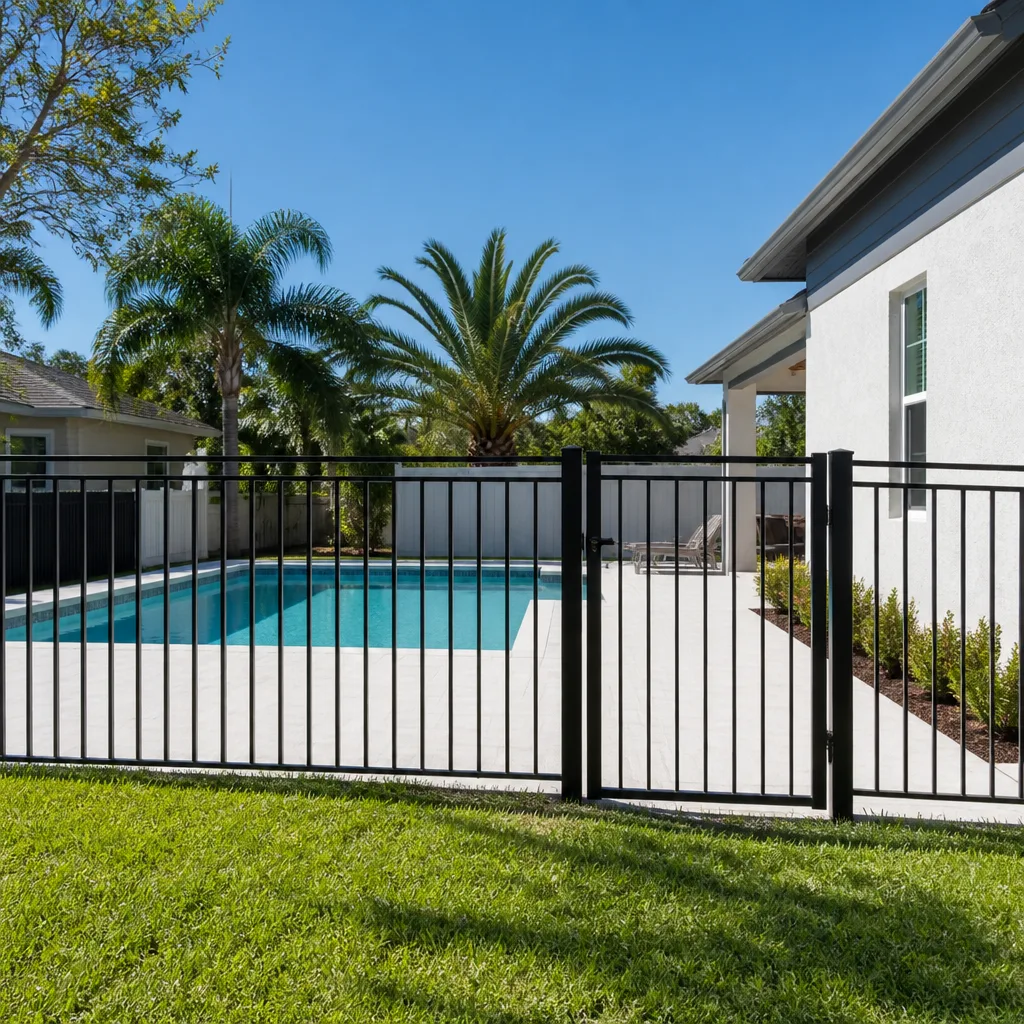
This is the section most DIY guides skip entirely. In Clark County, a permit is required for fences over 6 feet in height, fences near a pool or spa, fences in a front yard above the local height limit, fences on a corner lot that obstruct sightlines, and fences within a recorded easement in many cases. If any of those apply, you’re in permit territory.
The application itself asks for three things most homeowners don’t routinely draw:
- A site plan. The property line, the fence location, and dimensions to the nearest structure.
- An elevation drawing. What the fence looks like from the street, including height from grade.
- A post schedule. Post spacing, depth, footing size, and material.
Can you pull your own permit in Clark County? In some cases, yes. But you’ll sign as the responsible party, which means the inspection, the corrections, and the stop-work risk are all yours. If you install without a required permit, the county can issue a stop-work order and in some cases require you to remove what you built, at your own cost. That’s the $2,000 – $6,000 outcome in the opening of this page.
For projects where the fence sits alongside a larger build, our Home Additions & ADU in Enterprise team folds the fence and site plan into the same permit package. One set of drawings, one inspection sequence.
DIY vs Hybrid vs Professional: The Real Cost in Enterprise
Below is how the math looks for a 100-foot, 6-foot privacy fence in Enterprise market rates. These are ranges, not quotes, but they’re the ranges we’re actually seeing.
- Full DIY (materials only): $22 – $38 per linear foot. For 100 feet, that’s $2,200 – $3,800 in materials. Add a weekend or two of your own time, plus auger rental at $120 – $160 per day if you don’t own one.
- Hybrid (you demo, paint, and finish; pro does posts and frame): $34 – $52 per linear foot, or $3,400 – $5,200 on 100 feet. You keep the cosmetic savings and hand off the hard part.
- Full professional (materials, labor, permit, footing engineering): $48 – $75 per linear foot, or $4,800 – $7,500 on 100 feet. Includes the written scope and warranty.
In our experience, the DIY savings shrink from roughly 50% to roughly 20% the moment a permit is required, because you’re absorbing paperwork time, inspection risk, and possible rework. Under Clause 1 of The Haven Standard, the price is written before anyone starts, so there’s no drifting number to weigh. Our team always puts the whole line-item quote in front of you before comparing options. Enterprise homeowners who want a free second opinion on a competitor’s estimate can bring it in and we’ll walk it line by line at no charge.
What DIY Does to Your Warranty and Insurance Position
Self-performed fence work changes two things about your coverage, and it’s worth knowing them before you pick up a tool.
- Material warranty. Most fence material brands honor manufacturing defects even on self-installed work, but they deny claims where installation is the cause. If your James Hardie or composite panel fails because a post moved, you own that gap.
- Homeowner’s insurance. A fence is covered property on most policies, but a claim following a self-installed fence that failed in a windstorm or monsoon may prompt an adjuster to ask who built it and when. Poorly set footings are a common denial trigger.
- Contractor warranty. A professional install should come with a written workmanship warranty, the kind our 365-Day Done Right Promise delivers: if it’s not done right, we make it right, backed by The Haven Standard and printed on every page.
If your fence is part of a larger exterior scope (a shed, a patio cover, a courtyard wall), Tuff Shed and Plant Prefab components are only warrantied cleanly when the site prep is inspected. Combining fences and structures into one signed scope keeps everyone’s warranty intact.
How to Document Self-Performed Work
If you do a portion of the work yourself, document it. Not for the county, for your insurance and resale file. Here’s the process we recommend.
- Photograph before. The existing condition, any property line markers, and the grade.
- Photograph during. Digging, set posts, footings, and any concrete pours. Timestamped photos on your phone are fine.
- Keep material receipts. Every bag, post, panel, and fastener, filed or photographed.
- Record dates. A one-page log with the day each step was completed.
- Keep the permit and inspection cards, if any. If you pulled your own permit, store those papers with the fence documents.
Every crew visit at Rowan includes a documented photo record as a standard deliverable, not an upgrade. If you’re going DIY, mirror that discipline. It costs you about an hour of phone-camera time and it protects thousands in coverage questions later.
Why Enterprise Climate Changes the Answer
Enterprise sits in the Mojave, and that changes fence work in ways a generic guide won’t mention. The ground is dry most of the year, which is part of why caliche bites so hard. Monsoon season pushes 50-plus mph gusts through parts of the valley, and fences without properly sized footings lean or fail. UV exposure bleaches and weathers wood panels within two seasons if they aren’t sealed, which means your annual DIY staining is not optional; it’s load-bearing maintenance. Composite panels handle UV better than cedar but cost 30% – 50% more, so the DIY-vs-pro math shifts depending on which material you choose. That’s a conversation worth having before you commit to a material, not after.
Common Mistakes to Avoid
- Starting without checking permit triggers. Height, corner sightlines, pool setbacks, and easements all trigger permits in Enterprise. Check before you dig; not after.
- Setting posts by feel instead of by schedule. Depth in Enterprise is engineered, not ballparked. Reading soil refusal wrong leaves you re-digging in caliche.
- Renting the auger but not the experience. A gas auger with a carbide bit is the tool you need in this ground. The rental is the easy part. Knowing when to stop and change technique is the hard part.
- Staining in summer heat above 95°F. The stain skins over before it cures. Late evening or early morning for a whole week is the answer, not one Saturday afternoon.
- Mixing concrete by hand at scale. A 40-bag job done over two weekends still cures better than one weekend done through exhaustion.
- Skipping photographs on self-installed work. Insurance and resale both ask. No photos means no record.
- Setting a gate before the run is plumb. A gate hung on a curved run will not close in six months. Plumb first, hang second.
See the difference
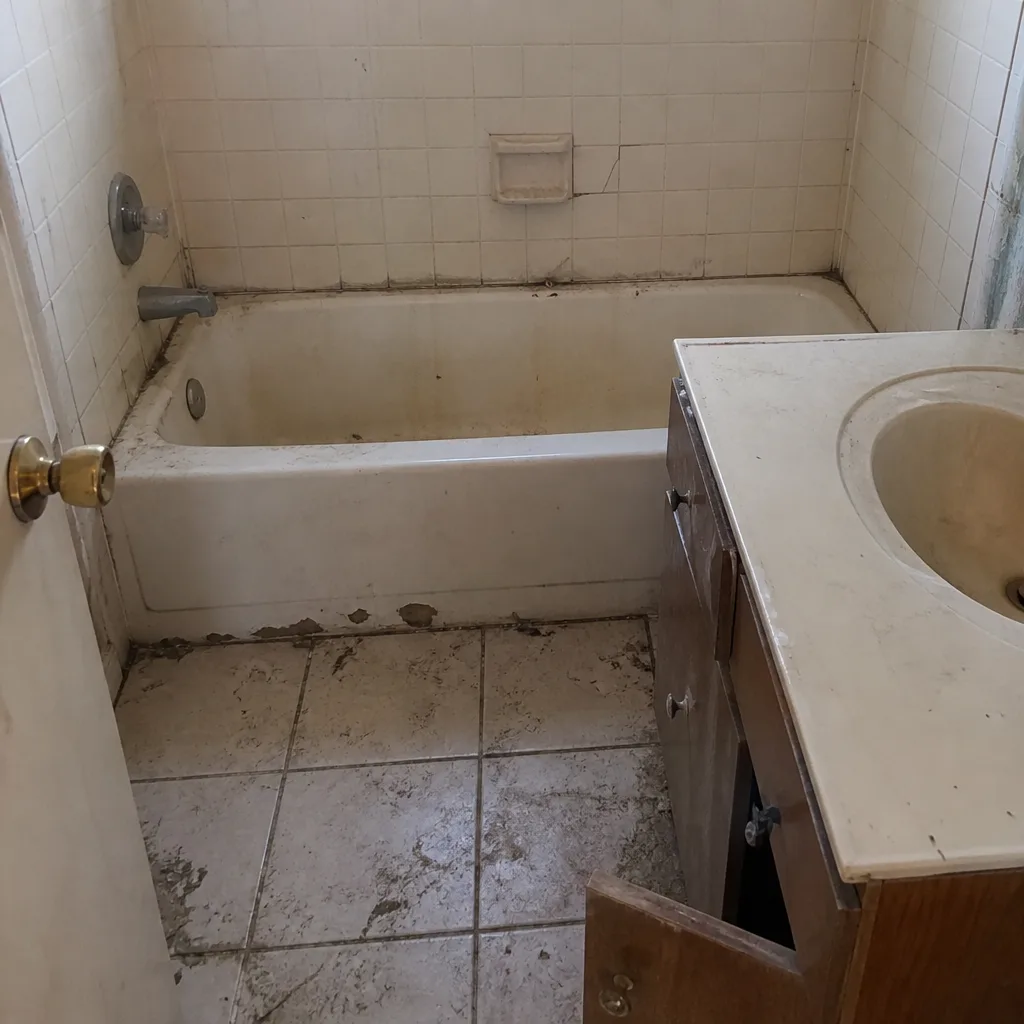 Before
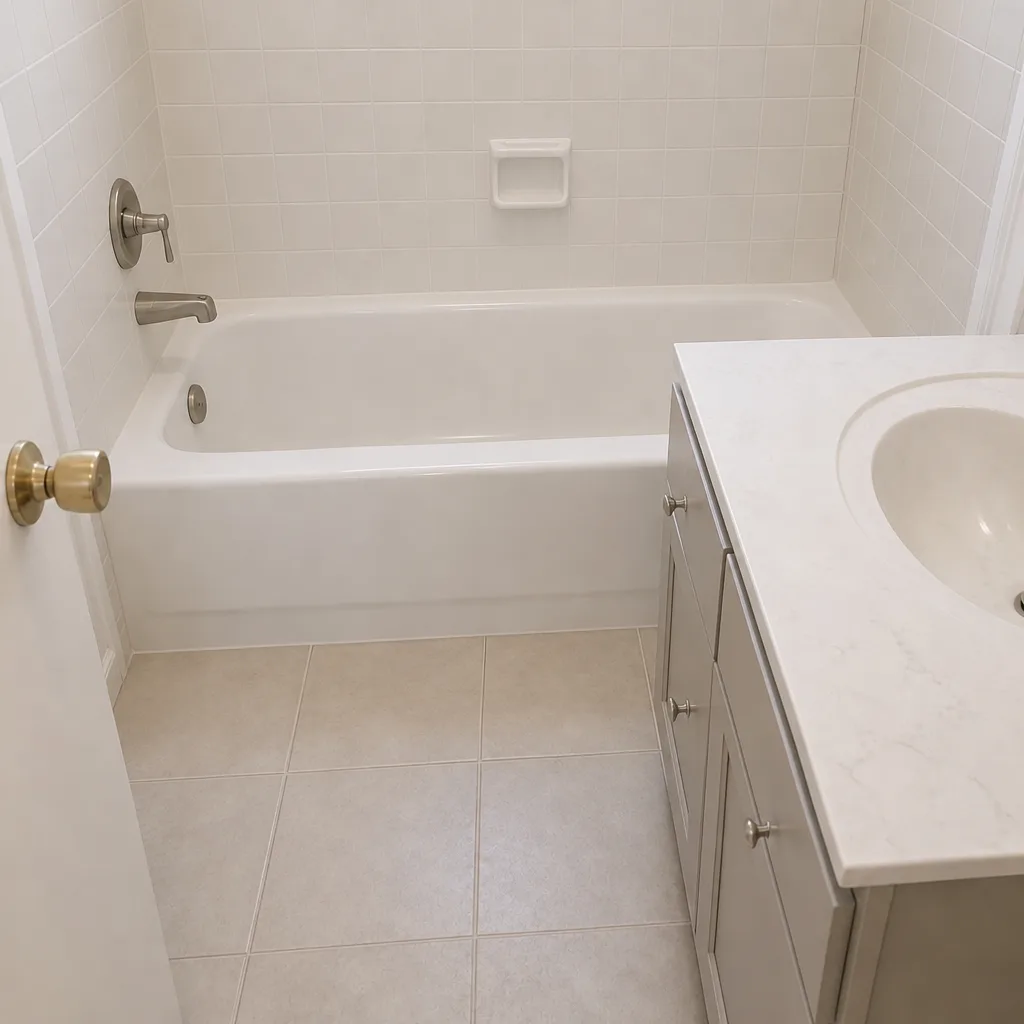 After
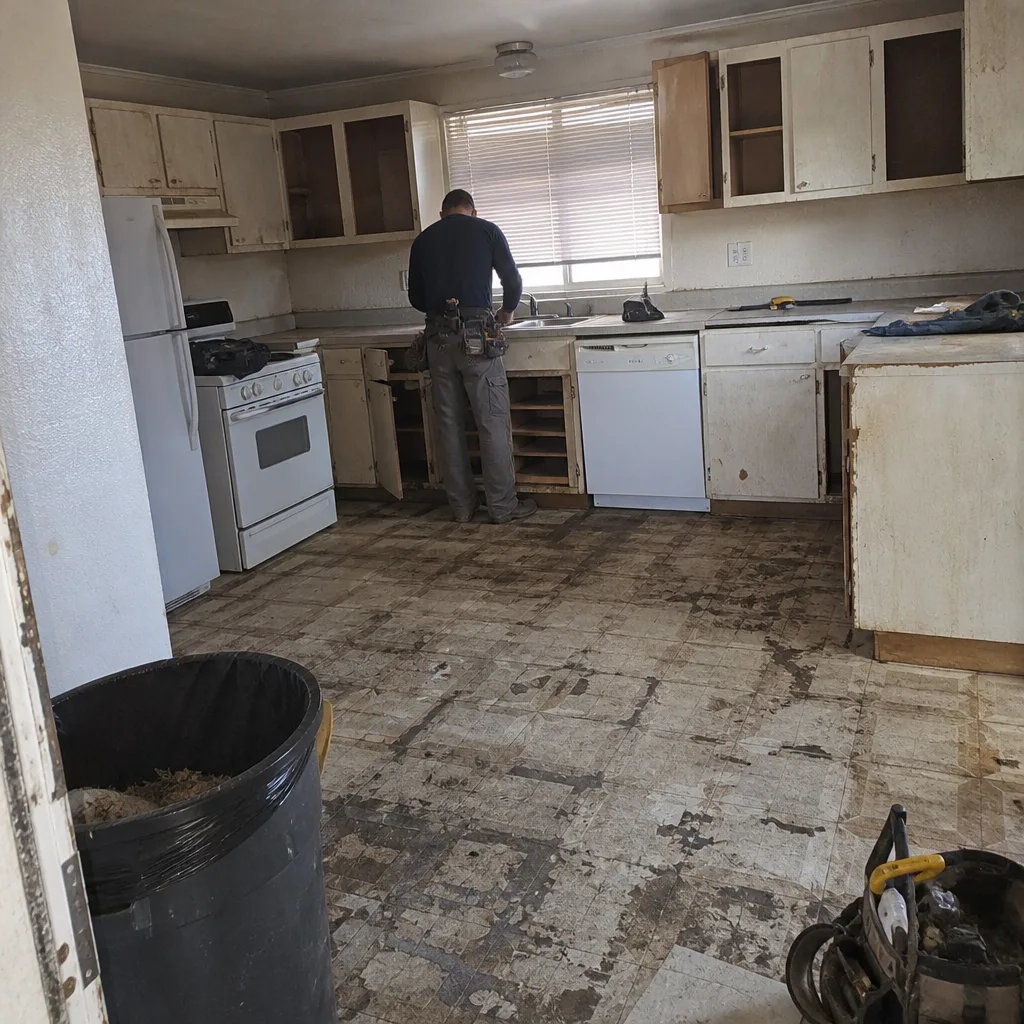 Before
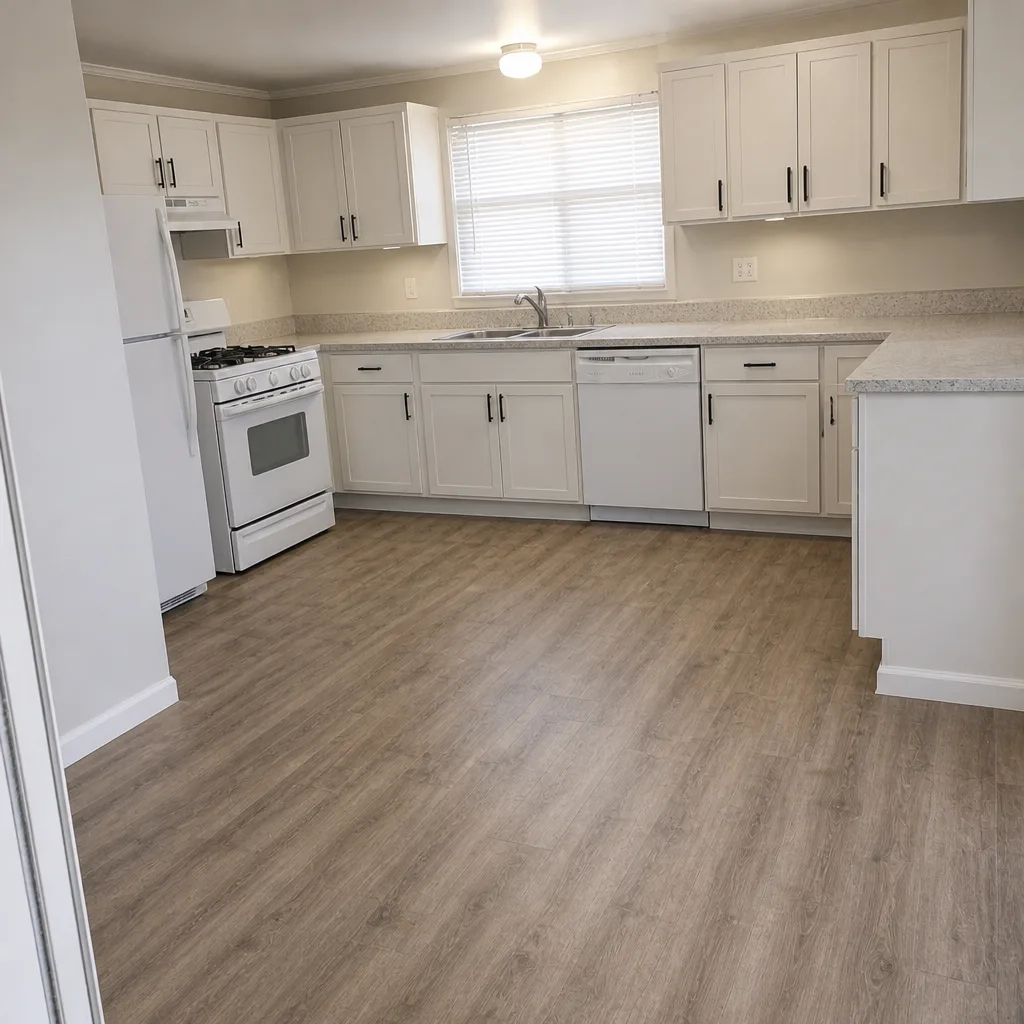 After
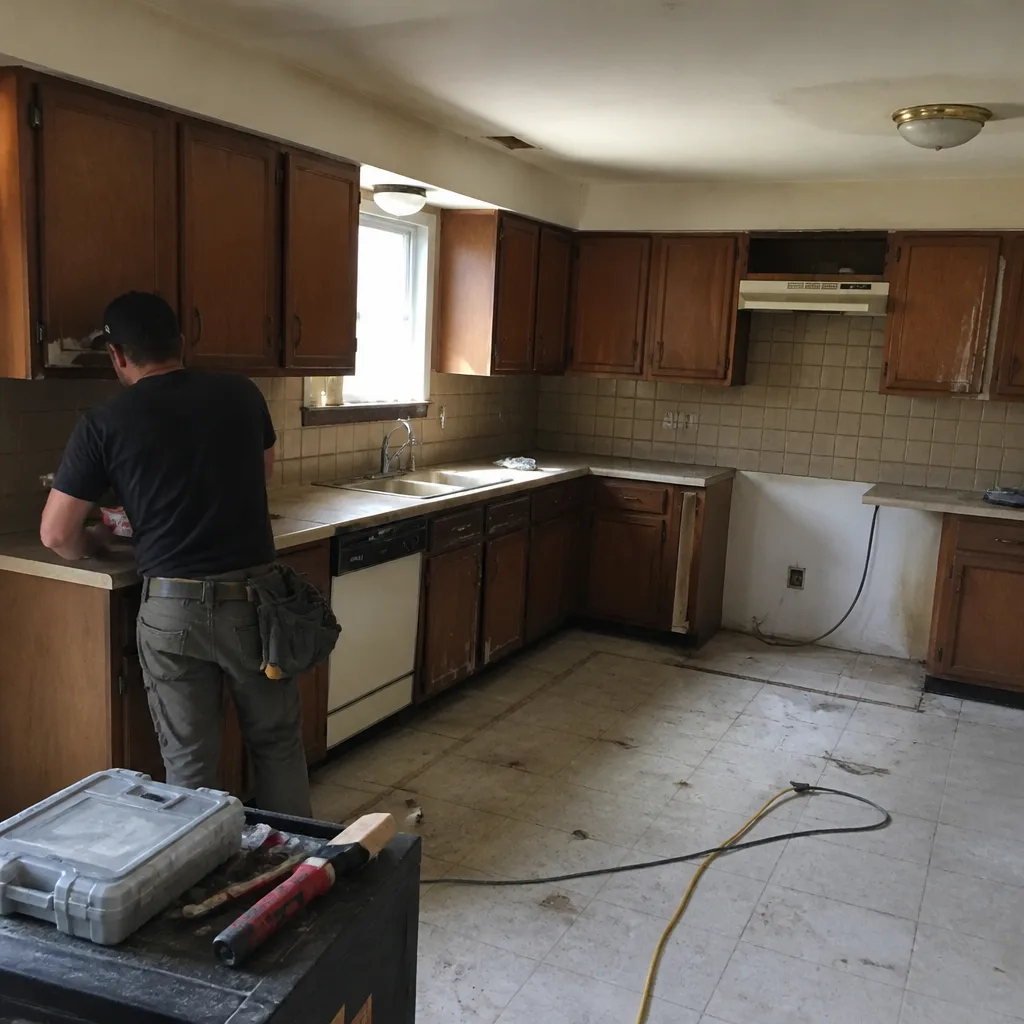 Before
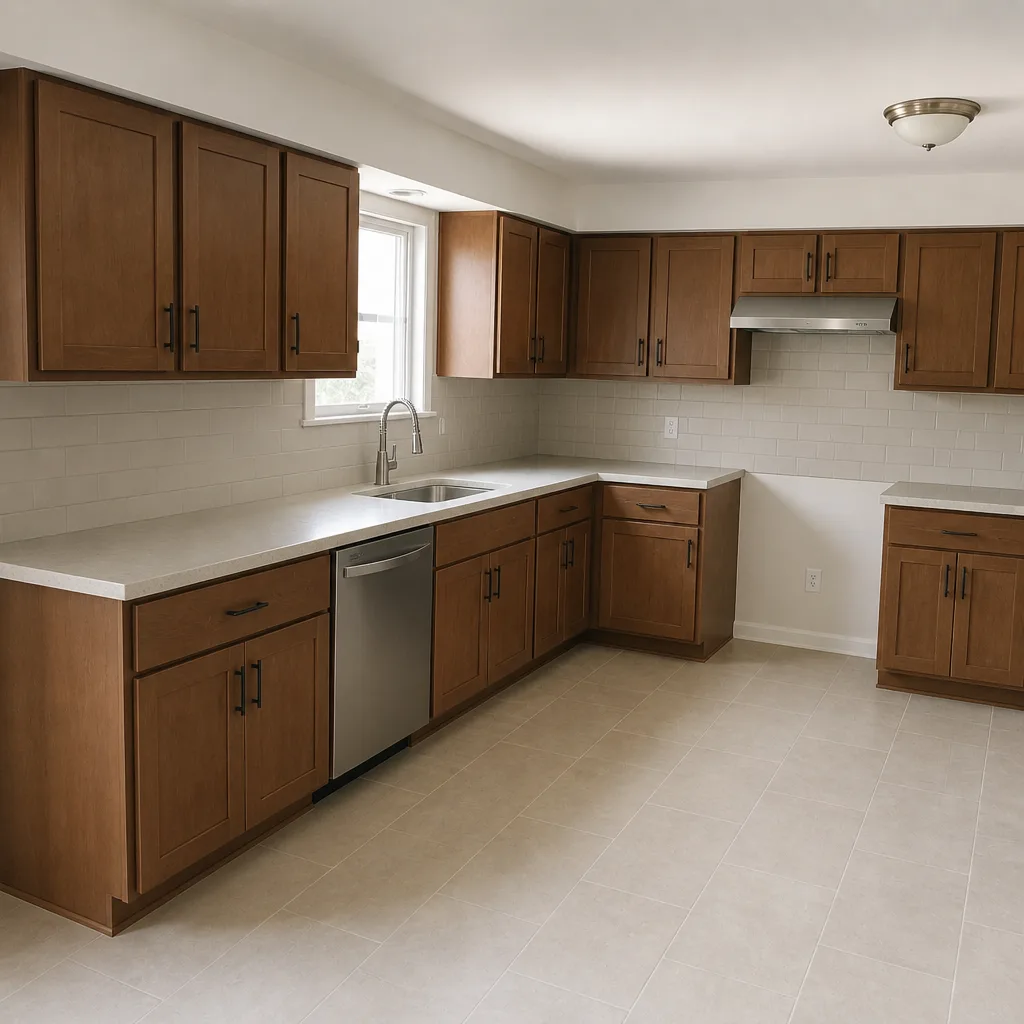 After
When to Call a Professional
Call a professional in Enterprise when any of the following is true: your fence triggers a Clark County permit, your post depth will meet or exceed 6 feet, the run sits near a pool, easement, or corner sightline, you’re having trouble reading refusal depth in caliche, or you’re building over 100 linear feet in one pass. Those conditions turn a weekend job into a project with engineering and inspection attached. Rowan Construction Group Enterprise offers free estimates in Enterprise, with a written scope and a written price before anything starts. Call (833) 630-4077 to schedule yours, and bring a competitor’s quote if you have one; we’ll review it line by line at no charge.
Frequently Asked Questions
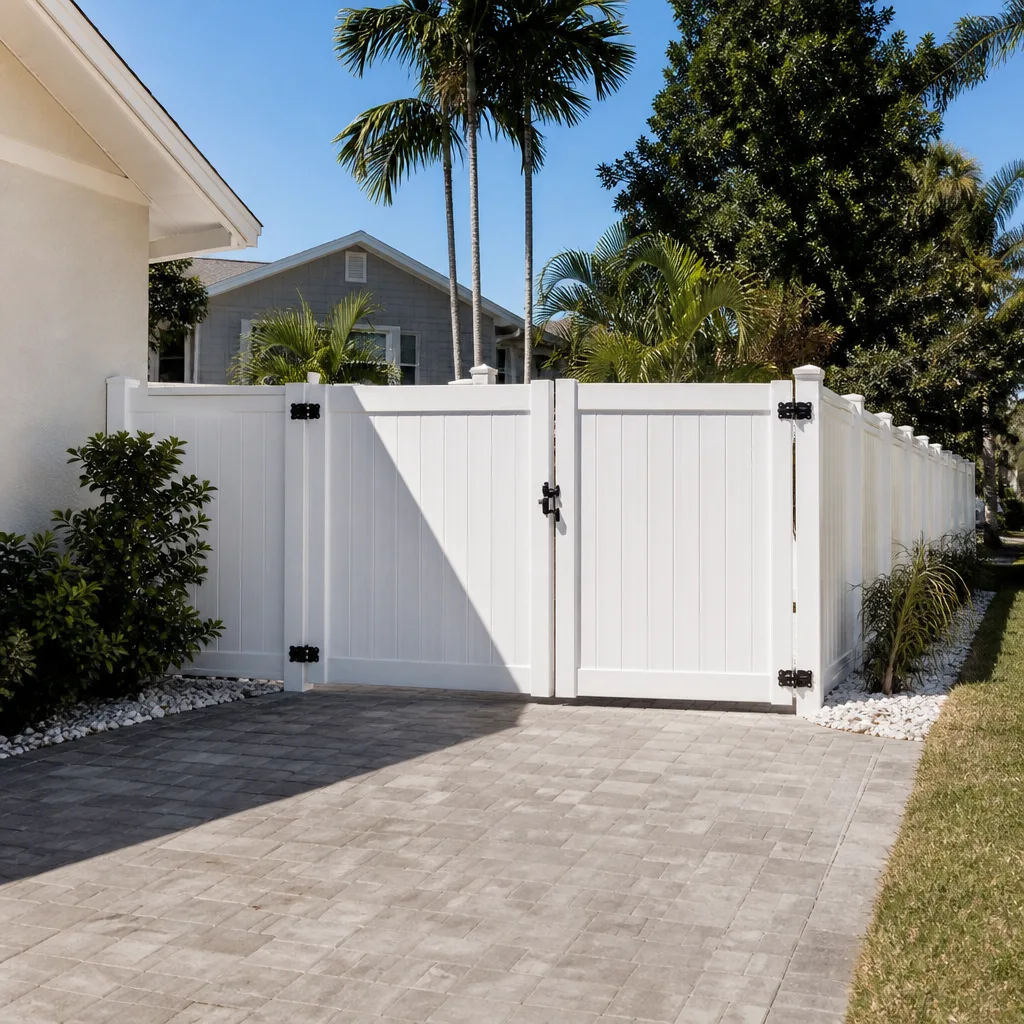
You can if the fence stays under 6 feet, isn’t in a required-permit location (pool, front yard above height limit, corner sightline, easement), and meets Clark County setback rules. Any project hitting one of those triggers needs a permit, and installing without one risks a stop-work order and removal at your cost.
Full DIY typically lands $22 – $38 per linear foot in materials on a 6-foot privacy fence, versus $48 – $75 fully installed. That looks like 50% savings until a permit, auger rental, or a bad post run eats into it. In our experience the real savings settle closer to 20% on permitted projects. Call (833) 630-4077 for an exact quote; estimates are free.
Not on our work. Under Clause 1 of The Haven Standard, the price is written before anyone starts and no change proceeds without a signed change order. That discipline has kept our projects within a few percent of the agreed cost.
Usually yes. We see a lot of half-set posts and misaligned runs in Enterprise and can quote a finish-out against the existing work. We’ll document what’s already in the ground so the warranty picture is clean.
Yes. We handle the site plan, elevation drawing, post schedule, and inspection sequence as part of the scope. You don’t sign as the responsible party, and you don’t chase the inspector.
Documentation is the deciding factor. Photographs of footings, receipts, and a dated log all strengthen the claim. Without those, adjusters often flag self-installed fencing as a coverage question. Call (833) 630-4077 if you’d rather have a documented install to begin with.
The Bottom Line
Fence work has a wider DIY range than most trades, but two conditions in Enterprise shrink it fast: a required Clark County permit and post depth over 6 feet. Stain, paint, replace pickets, adjust gates, swap caps. Everything past that belongs with a licensed contractor who pulls the permit, reads the ground, and puts a written price in front of you first. And whether you do the work or hire it, document what happened: photos, receipts, dates. That’s the same discipline that protects your warranty, your insurance claim, and your resale. If you’re weighing the decision, our team is a call away at (833) 630-4077.
Written by the team at Rowan Construction Group Enterprise.