Last updated November 18, 2026

Free written scope consultation - allowances, timeline, and change-order rules on paper before a single trade is scheduled
How Long Does Windows & Doors Take? Timelines and What to Expect
A custom-size window order placed in April with a standard manufacturer takes 10 – 14 weeks to deliver. That puts installation in July, the peak of Enterprise’s construction season, when crew availability compresses further and a second inspection appointment can add a week to the calendar. The homeowner who signed in April rarely knows this at signing, because the number most contractors quote is installation time, not delivery time. This guide breaks down both. You’ll see lead times by product and manufacturer, how long each opening actually takes, what Clark County permits and inspections add, and the questions that separate a realistic schedule from an optimistic one in Enterprise.
Quick Answer
Window and door replacement in Enterprise typically takes 3 weeks to 4 months from signed contract to finished installation. The installation itself runs 1 – 3 hours per opening, so a 10-window house is a 2 – 3 day job, not one day. Most of the total timeline is order-to-delivery lead time, which ranges from same-day for in-stock big-box units to 14 weeks for custom sizes. Permit review in Clark County adds 1 – 3 business days, plus inspection scheduling.
Styles & brands we work with
- Kitchen remodeling
- Bathroom remodeling
- Home additions & ADU
- Roofing
- Windows & doors
- Driveway & pavers
- Fence
Table of Contents
- Lead Times by Product and Manufacturer
- What Actually Happens on Installation Day
- Permits, Inspections, and Clark County Scheduling
- Site Preparation: Lead Paint, Asbestos, and Occupied Rooms
- Why the Ordering Sequence Changes Everything
- Building a Realistic Week-by-Week Schedule
- Common Mistakes to Avoid
- Frequently Asked Questions
Lead Times by Product and Manufacturer
Lead time is the single biggest variable in a window and door project, and it’s the number most likely to be left vague at the kitchen table. Here are current averages for the products we see ordered most often in Enterprise, measured from signed order to delivery at the job site:
- Andersen 400 Series, stock sizes: 2 – 3 weeks. Fiberglass exterior, wood interior; sizes that match the manufacturer’s catalog ship fastest.
- Andersen 400 Series, custom sizes: 8 – 12 weeks. Any dimension outside the stock list moves you into the custom queue.
- Pella Impervia: 4 – 6 weeks. Fiberglass frames; a solid middle option when you want durability without the custom timeline.
- Marvin Elevate: 10 – 14 weeks. Wood-clad construction, made to order, and the longest of the common residential options.
- Big-box in-stock units: same day. The tradeoff is limited sizes, thinner frames on entry-level lines, and off-the-shelf hardware you may end up replacing in a few years.
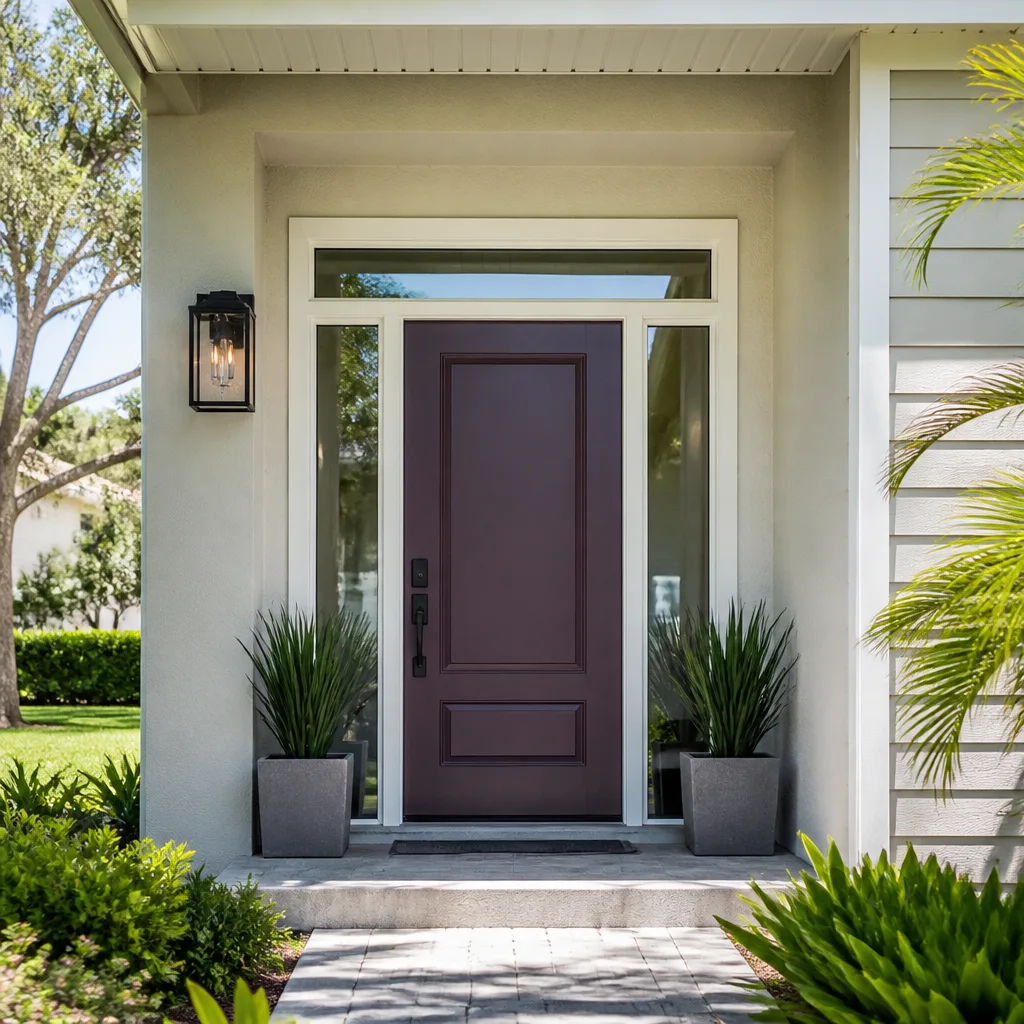
Patio doors and entry doors run longer than windows across the board. A stock steel entry door is often a 3 – 5 week order; a custom wood entry door with sidelights can run 12 weeks or more. If you’re coordinating windows and doors together, the door usually sets the calendar. We plan Enterprise installs around whichever product lands last, not first.
What Actually Happens on Installation Day
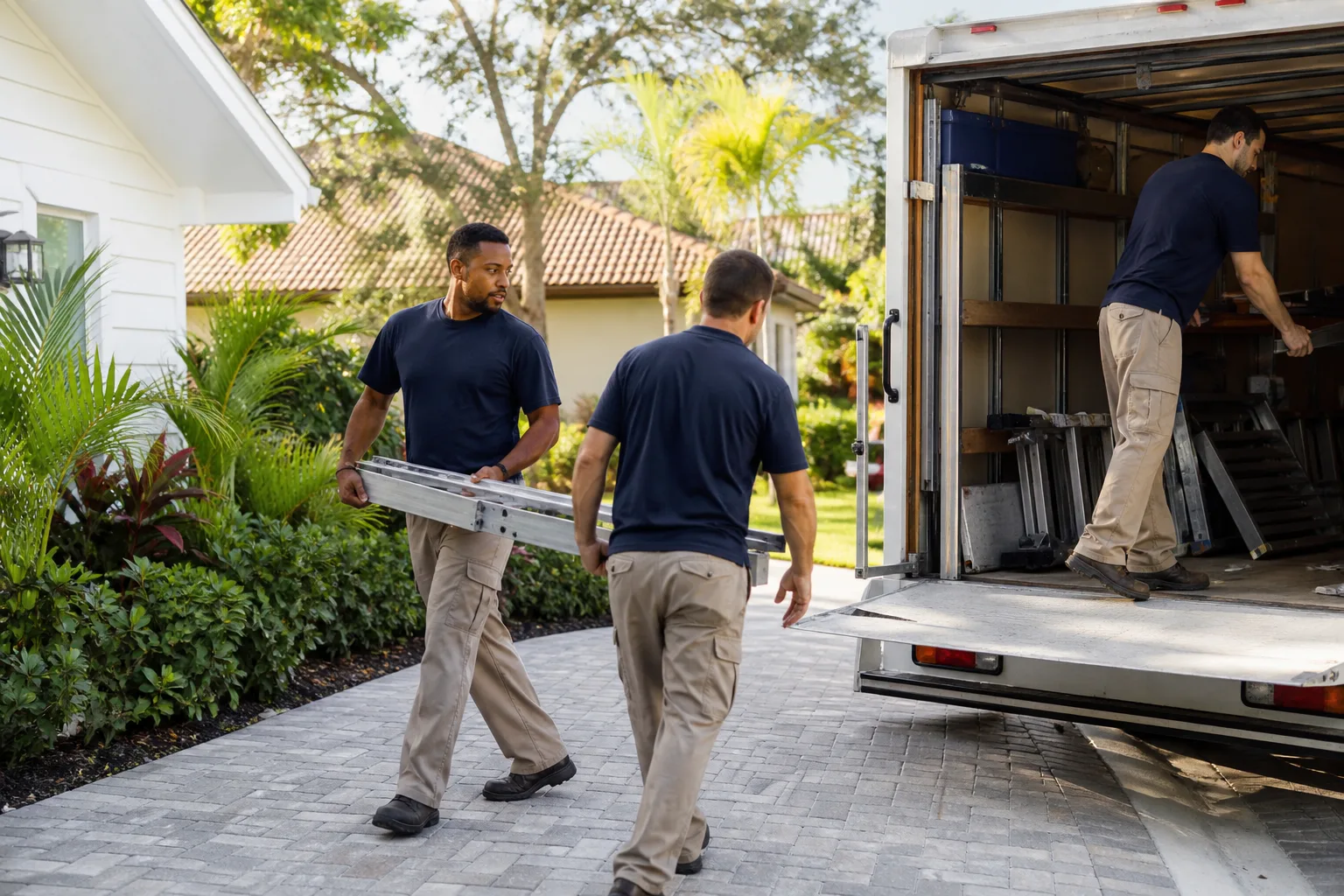
Here’s the honest breakdown for a single double-hung replacement: 1.5 to 2.5 hours including removal, flashing, foam seal, and trim restoration. Multiply that across 10 windows and you have a 2 – 3 day job with a two-person crew. Contractors who quote “one day for the whole house” are either planning to skip steps or planning to work past dark.
The sequence for each opening looks like this:
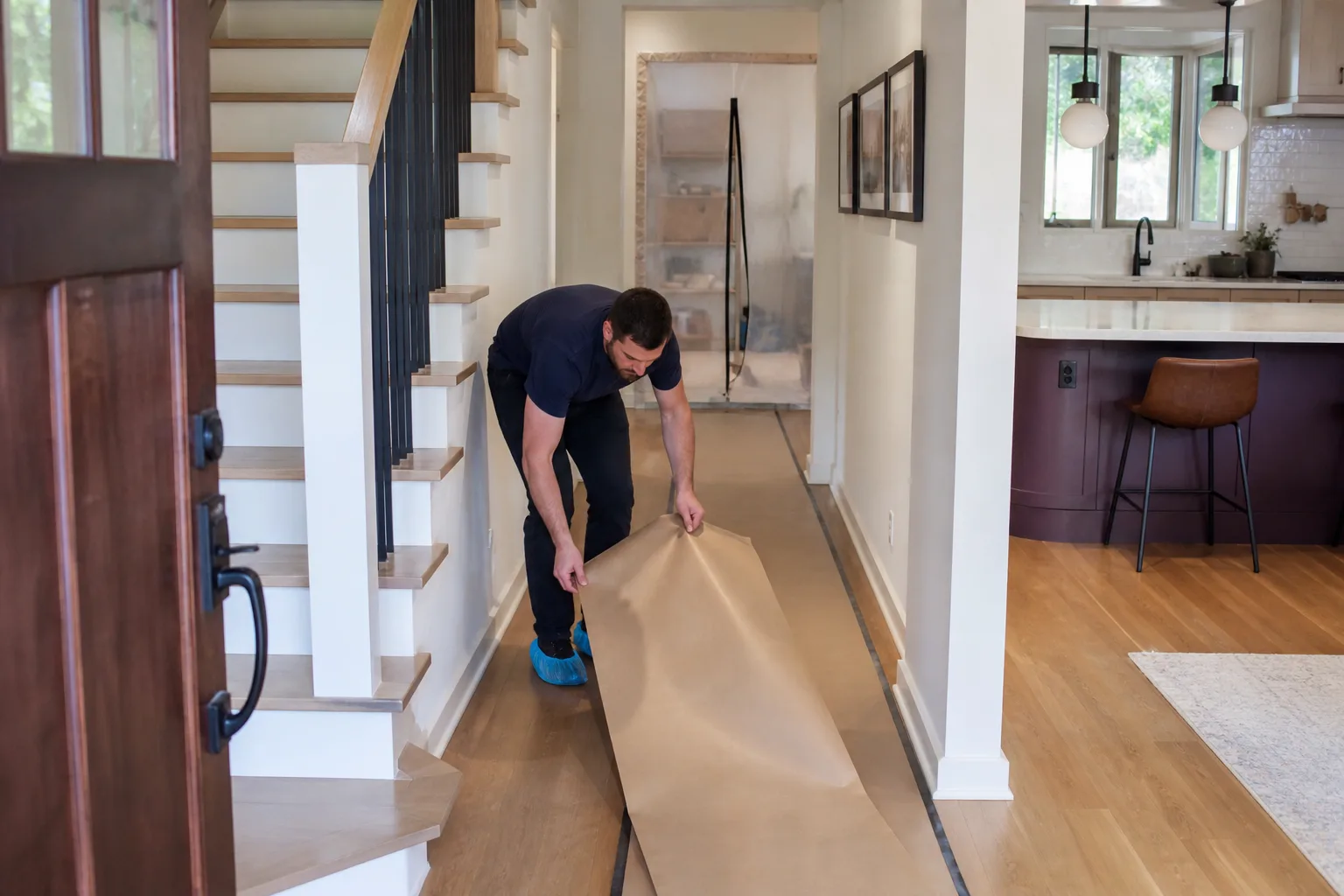
- Interior protection and furniture move. Drop cloths down, blinds removed, small items boxed. Roughly 15 minutes per room.
- Old unit removal. Sash and frame come out; the rough opening gets inspected for rot, water damage, or framing gaps. This is where surprises surface.
- Flashing and sill pan. The layer that keeps water out of the wall cavity. Skipping or rushing this step is the most common cause of leaks we’re called back to fix on other contractors’ work.
- Setting and shimming. The new unit goes in plumb and level, with shims at the hinge-side and lock-side jambs for smooth operation.
- Low-expansion foam seal. Insulates the gap between frame and rough opening. Standard expanding foam can bow a window frame; low-expansion only.
- Trim restoration and caulk. Interior trim reattached, exterior caulk line laid, and a check that the sash operates without rubbing.
Doors take longer: 3 – 5 hours for an entry door, up to 6 for a patio slider with a new header. Enterprise’s summer heat is a real factor in scheduling, crews start early, break during peak afternoon hours, and finish into the evening. That’s not slowness; it’s how work stays careful when the exterior hits 110°F.
Permits, Inspections, and Clark County Scheduling
In Enterprise, a like-for-like window replacement in the same opening with no structural change usually does not require a building permit. A door replacement can require one depending on the size and whether the opening is altered. What reliably triggers a permit:
- Enlarging or reducing a rough opening, which is structural framing work.
- Adding a new opening where none existed (a new window in a blank wall, a new sliding door out to a patio).
- Replacing a door with a wider unit that requires a new header.
- Egress window work in a bedroom, which has specific size and sill-height requirements.
The permit timeline in Clark County typically runs 1 – 3 business days for a straightforward residential application. Structural changes add a rough-opening inspection before the wall is closed and insulation installed, then a final inspection once trim and finishes are complete. Inspectors schedule a few days out, so build a week of buffer into any project with a permit. A contractor who tells you permits are “a formality” hasn’t been through a failed inspection on a Friday afternoon. Under the Haven Standard, we pull permits when they’re required and build the inspection schedule into the written scope, not the verbal one.
Site Preparation: Lead Paint, Asbestos, and Occupied Rooms
Three site variables get left out of most schedules and then delay them:
Lead paint on pre-1978 homes
Federal rules require lead-safe work practices on any home built before 1978 when painted surfaces are disturbed. Window removal disturbs painted jambs, sills, and trim. Testing adds a day or two to the front of the schedule; the work itself uses containment and wet methods. Older homes in established Enterprise neighborhoods frequently fall into this category, and a contractor who hasn’t asked about your home’s build year hasn’t planned your job completely.
Asbestos caulk on older aluminum windows
Certain aluminum-framed windows from the 1960s through the early 1980s were caulked and glazed with materials that can contain asbestos. Testing is required before removal on suspect units. If a positive result comes back, abatement adds 2 – 5 days and a licensed abatement cost to the job. Better to test and know than to find out mid-removal.
Working around occupied rooms
A crew can’t pull a bedroom window while a sleeping toddler is in the room. Good scheduling means one room offline at a time, a plan for which rooms get done in what order, and a conversation about where furniture goes. We ask before the order goes in, because room-by-room logistics affect crew size and how many days to quote.
Why the Ordering Sequence Changes Everything
Here’s the part the industry gets wrong. Most contractors sign the contract, then measure, then order. That sequence puts the homeowner’s first real information about lead time a week after signing, when an unavoidable 12-week delay has already started. Our pre-order protocol flips it: we measure, confirm the product, and place the order before the contract is signed. The signed contract includes the actual delivery date, the scheduled install window, and the inspection milestones, not estimates of them.
That ordering sequence compresses the total project clock by weeks, and it does something else. It surfaces the decisions that cause change orders (trim upgrade, obscure glass in a bathroom, hardware finish, exterior color) before the price is signed, not after. Under Clause 1 of the Haven Standard, the written price exists before any work starts. Under the same discipline, no ordering change proceeds without a signed change order. Ask any contractor you interview two questions: “When do you order relative to signing?” and “What’s the delivery date on my specific product?” A contractor who can’t answer both at signing is quoting you a schedule, not committing to one.
Building a Realistic Week-by-Week Schedule
Putting everything together, here’s what a 10-window replacement looks like for a typical Enterprise home, assuming custom-size Andersen 400 Series units:
- Week 0: In-home measure, product selection, permit check, lead-paint or asbestos testing if the house needs it. Written price delivered.
- Week 0 – 1: Order placed, delivery date confirmed in writing, permit application filed (if required).
- Weeks 1 – 10: Lead time clock. Testing results in hand by week 2; any abatement completed before delivery.
- Weeks 10 – 12: Delivery to site, inspection of the shipment for damage and correct sizes, staging.
- Weeks 12 – 13: Installation, 2 – 3 days. Rough-opening inspection scheduled if structural changes were made.
- Week 13 – 16: Final inspection, punch list walk, written warranty and photo record delivered.
For in-stock products and no structural changes, this timeline compresses to 3 – 5 weeks end to end. For a full door package with custom entry and patio doors, it stretches toward 4 – 5 months. The number that matters is the one on your written price, not a flat promise. If you’re planning windows as part of a larger project, the same scheduling logic applies to Home Additions & ADU in Enterprise, where window and door delivery sits on the critical path.
Common Mistakes to Avoid
- Signing before you know the delivery date. If the contract doesn’t name the product, the delivery window, and the inspection milestones, you’ve signed an estimate, not a schedule.
- Assuming one day for the whole house. A 10-window job at 1.5 – 2.5 hours per opening is 2 – 3 days for a two-person crew. Anyone quoting one day is cutting corners on flashing or trim.
- Skipping lead-safe and asbestos testing on older Enterprise homes. It adds a day or two up front and saves an emergency stop mid-job. Pre-1978 construction and 1960s – 80s aluminum windows are the flags.
- Ordering the door last. Entry and patio doors have the longest lead time. Order them first and set the window delivery around them.
- Ignoring the inspection schedule. Clark County final inspections schedule a few days out. Contractors who “forget” the final inspection leave you with open permits.
- Not scheduling around occupied rooms. Every room stays usable while every other room is worked on. Tell your contractor which rooms have to stay online and which days.
- Treating trim and exterior caulk as cosmetic. The flashing and caulk line is what keeps summer monsoon rain out of the wall cavity. Check the exterior finish at the end of installation day, before the crew leaves.
See the difference
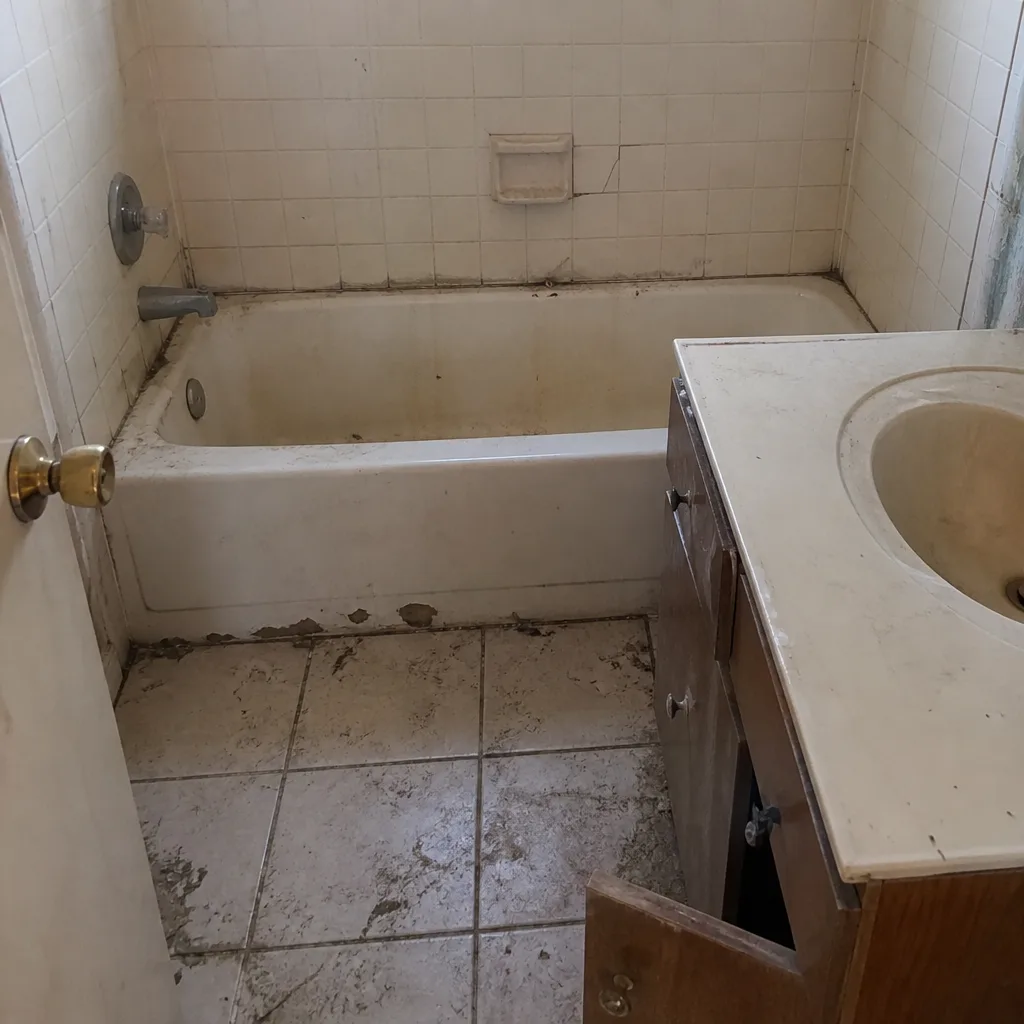 Before
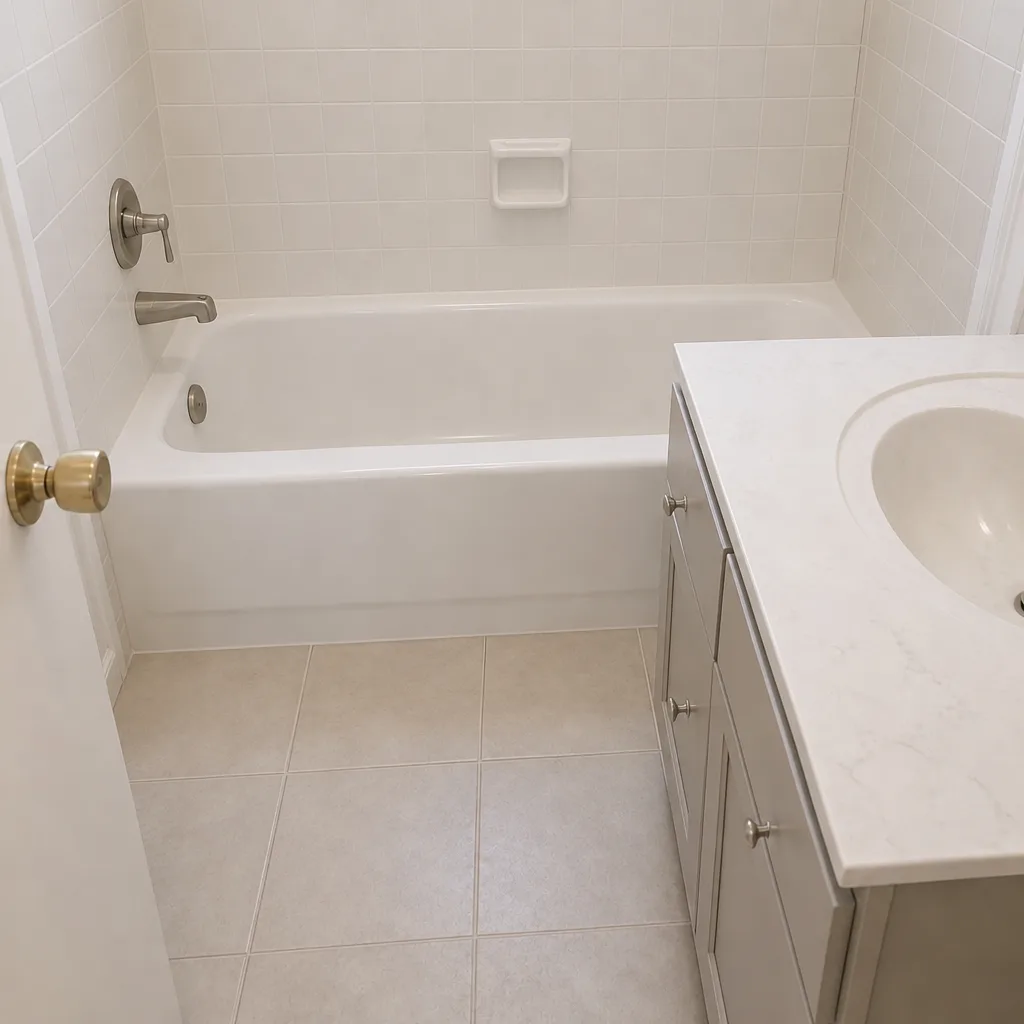 After
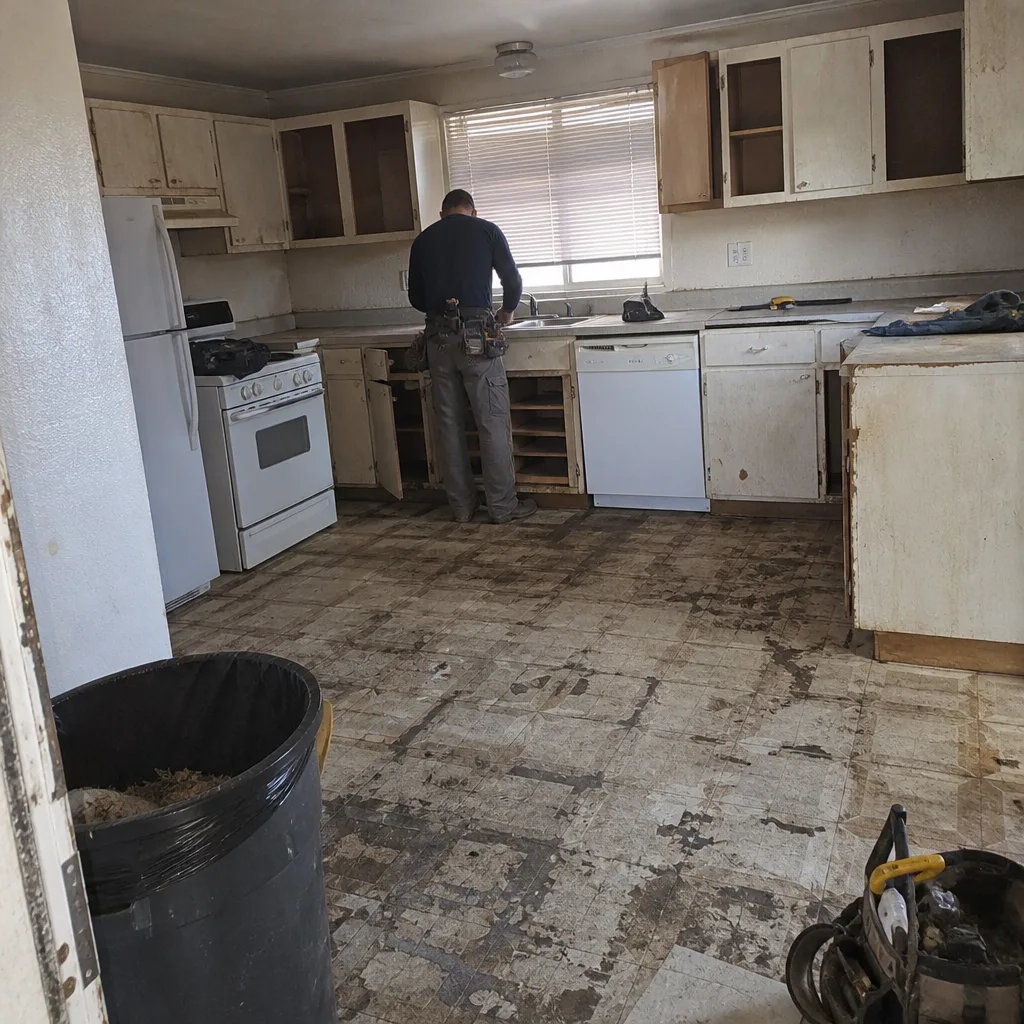 Before
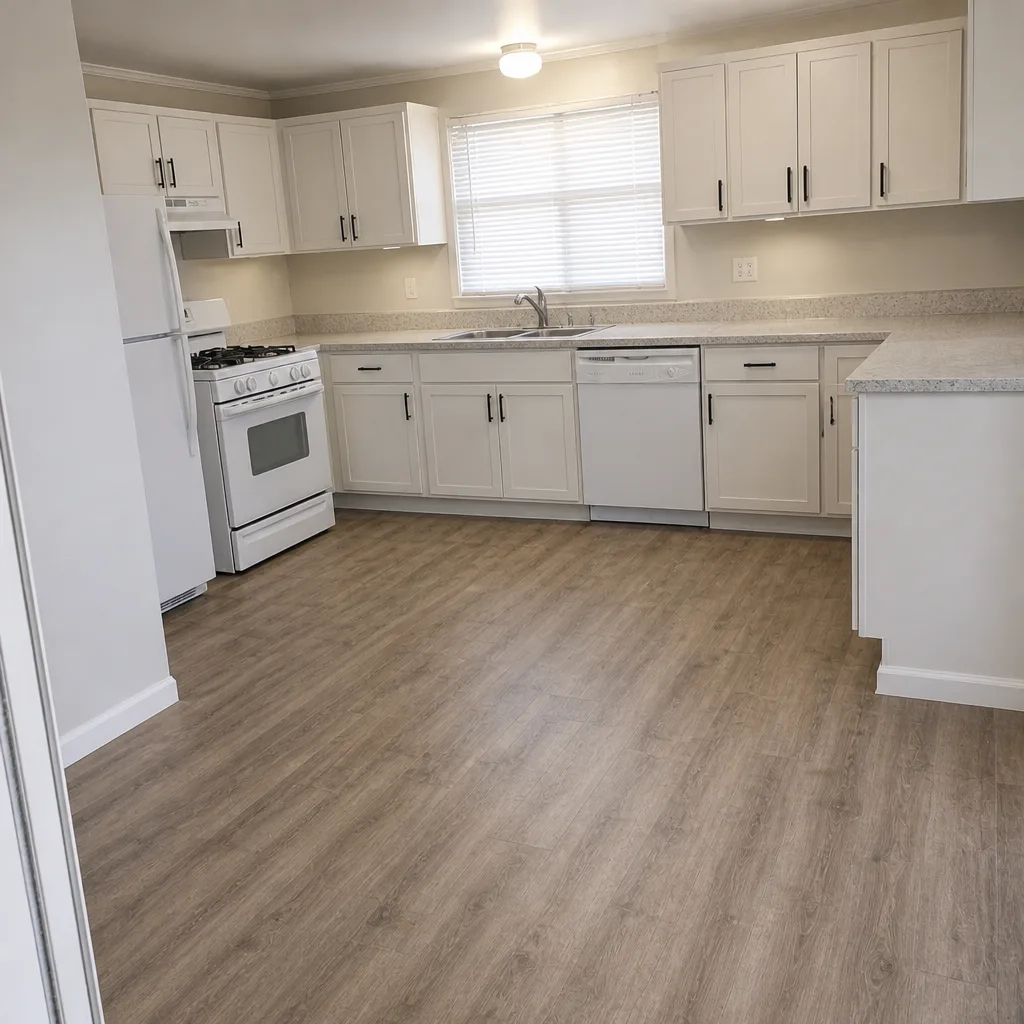 After
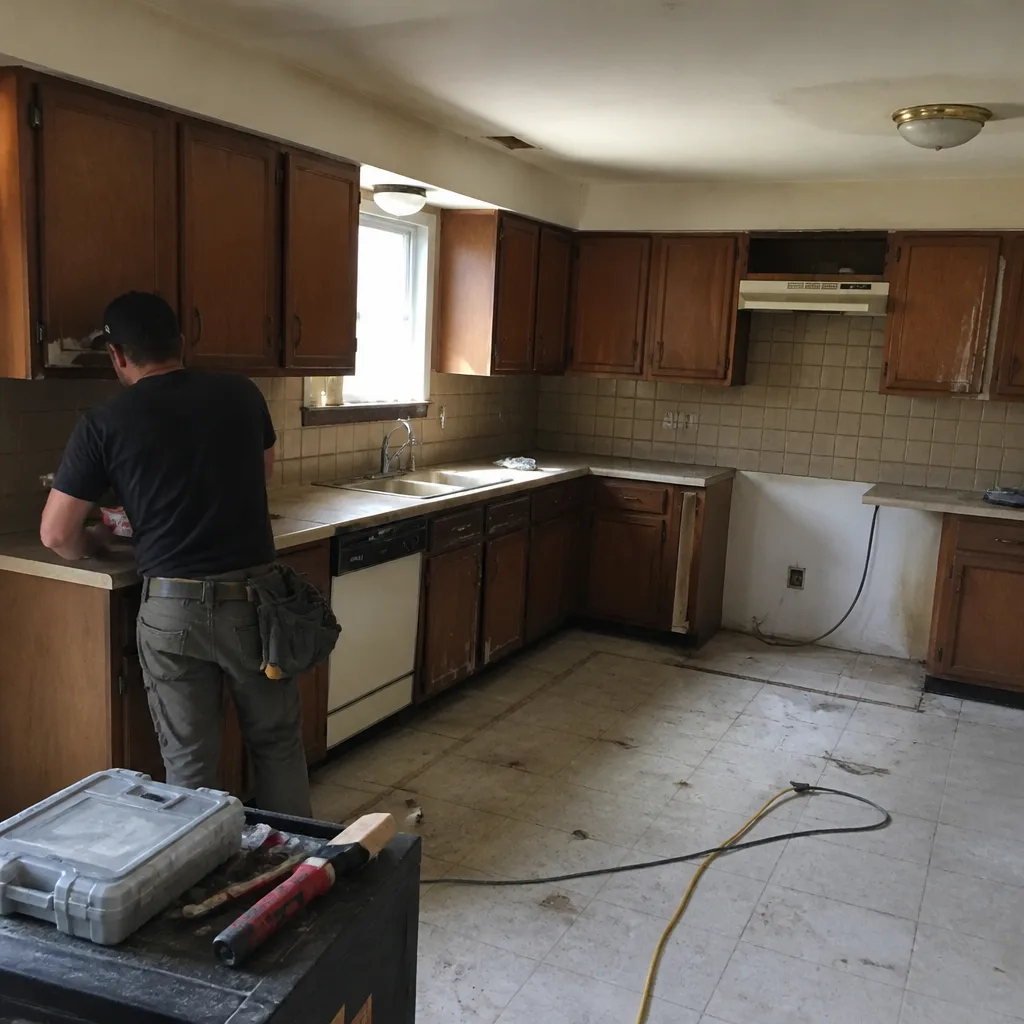 Before
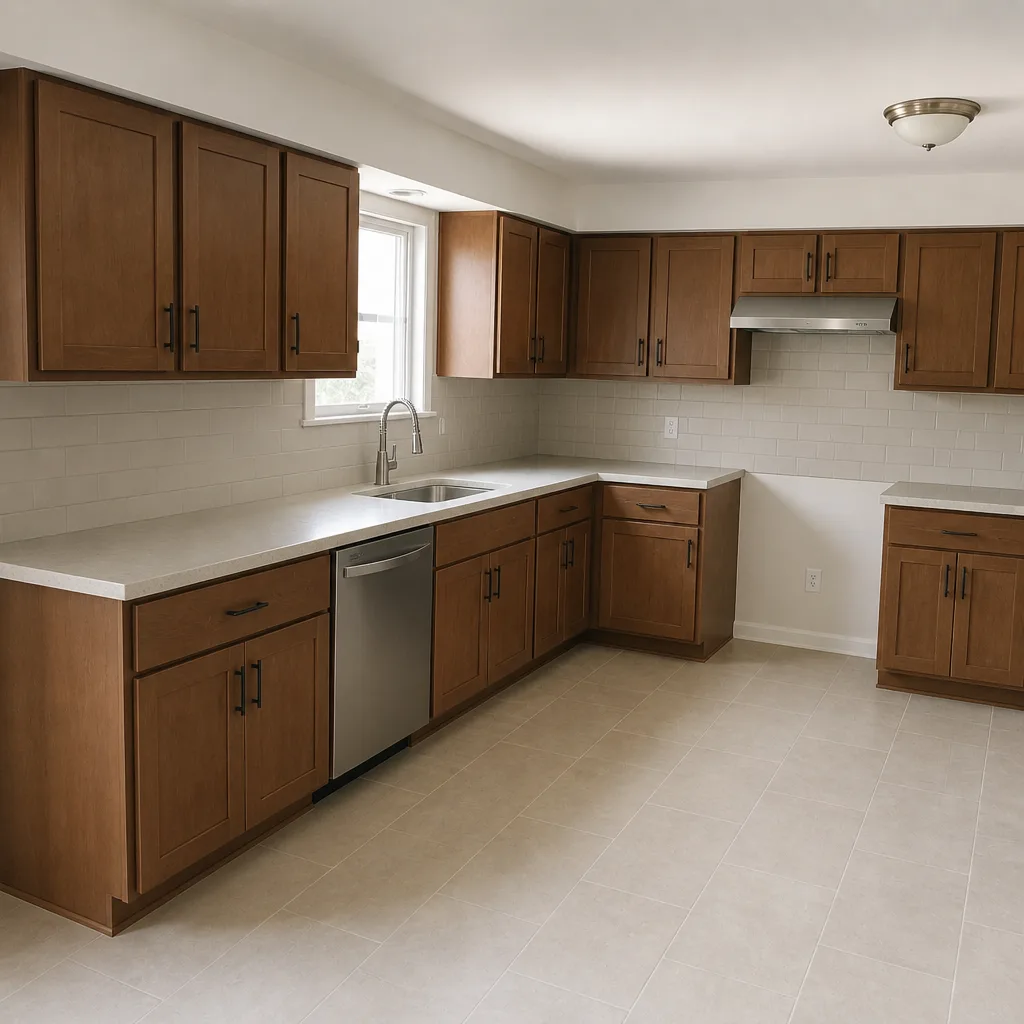 After
When to Call a Professional
Some jobs aren’t a timing question. Call a professional crew if any of these describe your windows or doors: fog between the panes on a sealed unit (that’s a failed seal, not condensation); water stains or soft wood around a frame after a rain; a door that sticks or won’t latch (a sign the frame has shifted); a window that won’t open at all; or a pre-1978 home where you haven’t done lead testing. High-floor windows and second-story patio doors are a fall-risk category; don’t plan those as a weekend project. Rowan Construction Group Enterprise offers free estimates on window and door projects in Enterprise, with a written price and a documented photo record delivered to you, worked out before any crew is scheduled. Call (833) 630-4077 to schedule yours.
Frequently Asked Questions
Plan on 3 weeks minimum for in-stock products and 3 – 4 months for custom sizes, with installation itself taking 1 – 3 hours per opening. Custom Marvin or Andersen units dominate the long end, and the Clark County inspection schedule adds about a week when permits are required. Call (833) 630-4077 for a written timeline based on your specific product selection.
Not a whole house. A single window is 1.5 – 2.5 hours; a 10-window replacement is 2 – 3 days for a two-person crew. A one-day quote for a full house either skips flashing and trim restoration or runs the crew past safe working hours in summer heat. We quote installation days per room, not per house.
Like-for-like replacement in the same opening usually does not. A permit is required if you enlarge or reduce a rough opening, add a new opening, add a new door or window where none existed, or do egress window work in a bedroom. Permit review is typically 1 – 3 business days. We confirm the requirement before ordering and pull the permit when the job needs one.
Custom sizes are made to order, so the manufacturer builds to your dimensions on a scheduled production line. Andersen stock sizes ship in 2 – 3 weeks; Andersen custom runs 8 – 12 weeks; Marvin Elevate runs 10 – 14 weeks. The factory line, not the installer, sets that clock, which is why the delivery date belongs in the signed contract.
Both require testing before removal on homes that likely contain them: pre-1978 built homes for lead paint, and 1960s – 80s aluminum windows for asbestos in caulk and glazing. Testing adds a day or two up front. A positive asbestos result adds a licensed abatement step and 2 – 5 days. Better to plan for it than to hit it mid-removal.
Ask for the purchase order and the delivery date in writing before you sign the contract. We measure, confirm, and order before the contract is signed, so the signed scope names your products and dates. If a contractor can’t show you the order confirmation, the clock may not have started yet.
The Bottom Line
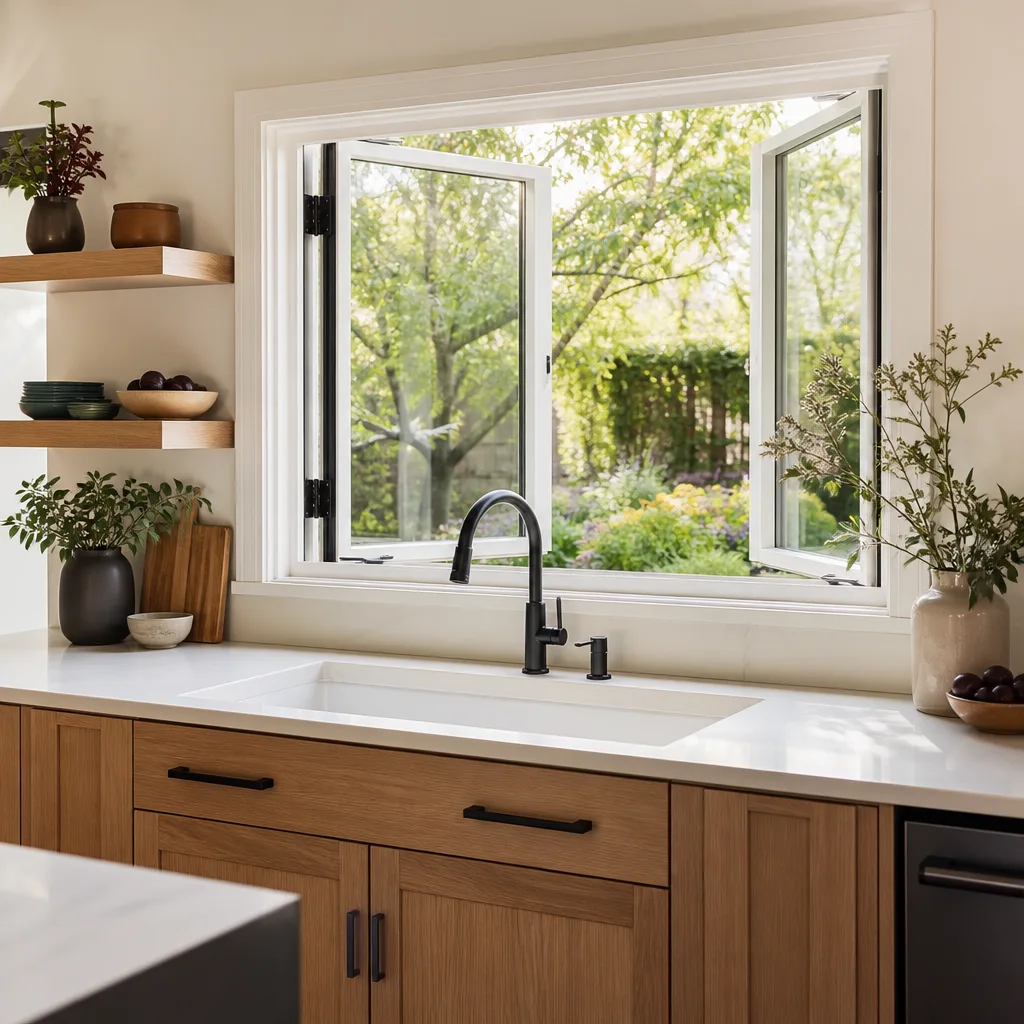
Installation is the fast part. The slow part is the gap between order and delivery, and that gap is where schedules live or die. Stock products can land a job in 3 – 5 weeks; custom sizes and door packages push it past 3 months. Add 1 – 3 business days for permit review, a few days for inspections, and a week of buffer for testing and abatement on older homes. Ask any contractor when they order relative to signing, get the delivery date in writing, and you’ll know the real timeline before you sign. That’s the whole point of a written price: it’s a commitment, not a guess.
If you’re weighing windows as part of a larger project, the same planning logic applies across the trades, and the Rowan Construction Group Enterprise home page lays out the process. For adjacent projects, see Driveway & Pavers in Enterprise and Fence Installation in Enterprise.
Ready to Price Your Project?
The most useful step you can take is getting a written number in hand. Call (833) 630-4077 for a free estimate on your window and door project in Enterprise. We’ll bring samples of brands we source regularly, including Sterling and Grohe fixtures for bathroom-adjacent work, confirm your sizes and product options, and hand you a written price with the delivery date and inspection milestones spelled out before any work begins. If you already have a quote from another contractor, ask for our free second opinion and we’ll review it line by line at no charge.
Written by the team at Rowan Construction Group Enterprise.