
Last updated November 18, 2026






Free written scope consultation - allowances, timeline, and change-order rules on paper before a single trade is scheduled
Seasonal Construction Care for Enterprise: Year-Round Homeowner’s Guide
Concrete and masonry work scheduled in July in Enterprise can cost 15 – 20% more than the same scope in October. That premium isn’t demand. It’s heat. At 105°F and above, concrete cure times accelerate and contractors must add admixtures or run night-shift labor to hit spec, and those costs land on your invoice. Enterprise doesn’t really have four equal seasons. It has two construction-hostile windows (peak summer and monsoon season) and two that save you money. This guide maps every maintenance task to Enterprise’s actual climate so you can schedule smarter, protect your warranty, and document your home’s condition for resale.
Quick Answer
In Enterprise, the best times for most exterior construction and maintenance are March – April and October – November, when temperatures support proper cure and adhesion. Avoid scheduling concrete, stucco, and painting during peak summer heat (June – August) and watch for monsoon-driven moisture damage in July – September. Cold-weather concrete work in December – February needs specific precautions, not guesswork.
Styles & brands we work with
- Kitchen remodeling
- Bathroom remodeling
- Home additions & ADU
- Roofing
- Windows & doors
- Driveway & pavers
- Fence
Table of Contents
- Enterprise’s Two-Season Construction Calendar
- Pre-Summer Prep: March – April
- Monsoon Response: July – September
- The Ideal Construction Window: October – November
- Cold-Weather Concrete and Stucco: December – February
- Why Spring Is the Right Time for Painting and Sealing
- How Extreme Heat Affects Materials Stored On-Site
- Building an Inspection Log That Supports Warranty and Resale
Enterprise’s Two-Season Construction Calendar
Enterprise sits in the Mojave Desert at roughly 2,600 feet, which shapes the construction calendar more than most homeowners realize. Summer highs routinely exceed 105°F, and the monsoon pattern from July through September brings sudden, intense rain that can drop half an inch in under an hour. Those two forces create four distinct windows for exterior work.
- March – April (pre-summer prep): Moderate temperatures, low humidity. Best window for inspections, sealing, and repairs before heat arrives.
- May – June (heat ramp): Rising temperatures. Schedule work early morning or postpone to fall.
- July – September (monsoon + peak heat): Highest risk for moisture damage and heat-related material failure. Inspect after every major storm.
- October – November (ideal window): Best temperatures for concrete, stucco, and painting. Lowest material and labor premiums.
- December – February (cold-weather): Concrete needs cold-weather mix design and protection. Stucco cures slower.
We’ve seen homeowners in Enterprise pay for the same paver driveway twice because they scheduled the pour in August, the base wasn’t compacted properly in the heat, and settlement followed the first monsoon. Timing isn’t a detail here. It’s the difference between a project that lasts and one that keeps asking for money. If you want a broader look at how we approach exterior work, see our Driveway & Pavers in Enterprise page.
Pre-Summer Prep: March – April
March and April are the months to inspect, seal, and repair before heat bakes every component of your exterior. Once daytime highs hit the mid-90s, coatings that need 50 – 85°F for proper adhesion start failing within a season. Use this window for a focused inspection.
- Walk the roof. Check for lifted or missing shingles, especially on west- and south-facing slopes that take the most UV. Look at the flashing around vents and chimneys.
- Check stucco for hairline cracks. Small cracks are normal. Cracks wider than a credit card need patching before summer expansion widens them.
- Test exterior paint adhesion. Press painter’s tape onto a patch of siding or trim, pull it off, and see whether paint lifts. If it does, prep and repaint in April, not June.
- Verify drainage slope. Soil should fall away from the foundation at roughly 6 inches over the first 10 feet. Pooling water during monsoon season is the leading cause of foundation moisture problems in Enterprise.
- Inspect fence posts and gates. Wood and vinyl both shift with heat. A gate that latches in April may drag by July. Our Fence Installation in Enterprise guide covers the materials we source, including Jerith and Bufftech, and why post depth matters in desert soil.
This is also the right month to schedule a free second opinion if you have a competitor’s written estimate for a larger project. We review it line by line at no charge, which matters most when you’re comparing scope on something like a home addition.
Monsoon Response: July – September
Monsoon moisture in Enterprise doesn’t announce itself gently. A storm can drop more rain in 40 minutes than the previous two months combined. After every significant event, three inspection points deserve your attention. We recommend walking the property within 24 hours of a storm and photographing what you find.
- Drainage slope verification. Check that water is moving away from the foundation, not pooling against the stucco. Re-grade low spots before the next storm.
- Stucco crack mapping. Photograph new or widening cracks with a tape measure beside them. Compare to your pre-summer photos. If a crack grows, that’s a structural signal, not a cosmetic one.
- Paver base settlement. Walk the driveway and patios looking for dips, rocking pavers, or sand washing out of joints. Settled base after a monsoon usually means the original compaction missed spec.
Roof leaks show up in the same weeks. Water stains on ceiling drywall after a monsoon storm usually trace to flashing or a failed seal, not the field shingles, which is why we inspect the penetrations first. Roofing materials behave differently in extreme heat: GAF and Owens Corning shingles both soften at high surface temperatures, and foot traffic during a July installation can leave permanent marks. If you are considering new construction, our Rowan Construction Group Enterprise home page covers the seven trades we quote.
The Ideal Construction Window: October – November
October is the month that saves you money in Enterprise. Temperatures drop into the 80s, humidity falls, and concrete cures at design strength without admixtures or night-shift labor. The 15 – 20% premium we described in July flips into a discount in October, because the crew works a normal schedule and the material behaves the way the engineer specified.
What to schedule in October – November:
- Concrete and masonry. Driveways, patios, walkways, stem walls. Curing at 60 – 80°F avoids the rapid moisture loss that causes surface cracking.
- Exterior painting. Adhesion and cure both hit their sweet spot. Paint applied at these temperatures holds for years longer than paint applied in high heat.
- Paver installation. Belgard and Techo-Bloc both install cleanly in fall temperatures. Base compaction holds better when the subgrade isn’t dried to a crust.
- Roofing. Shingle seal strips activate within days at fall temperatures, whereas summer installs may need foot traffic avoided for a week.
- Additions and ADU groundwork. If you’re planning an addition, October is when to lock in the design and permit timeline. See our Home Additions & ADU in Enterprise page for what’s involved.
If you are booking a project for the following year, October is also the month when contractors have the widest open calendar. Booking in the fall for a spring start usually gets you a better price and a better crew.
Cold-Weather Concrete and Stucco: December – February
Enterprise winters are mild by national standards, but overnight temperatures in December and January regularly dip into the 30s, and that’s cold enough to stop concrete from reaching design strength. American Concrete Institute guidelines call for protecting fresh concrete below 40°F, and a desert overnight low can hit that after a 65°F afternoon.
What a careful contractor does in this window:
- Uses a cold-weather mix design with accelerators, so the pour reaches strength faster.
- Protects fresh concrete overnight with blankets or insulated tarps.
- Pours earlier in the day so the concrete has hours of warmth before the overnight drop.
- Extends stucco cure time to account for slower moisture loss. Rushing stucco cure causes shrinkage cracks that show up in spring.
If a contractor proposes a concrete pour in January without mentioning cold-weather mix or overnight protection, ask why. It’s the single most reliable question for separating a careful crew from a fast one.
Why Spring Is the Right Time for Painting and Sealing
Exterior paint and concrete sealers both depend on specific temperature and humidity ranges for adhesion and cure. In Enterprise, those ranges arrive in March and April, before the heat sets in. Most acrylic exterior paints need 50 – 85°F and relative humidity above 40% for proper film formation. Below that range, the paint skins over rather than curing. Above it, the paint dries too fast to bond.
Concrete sealers are more temperature-sensitive still. Most penetrating sealers want substrate temperatures between 50°F and 80°F, with no rain for 24 hours after application. In March and April, those conditions land consistently. In June, the concrete surface can read 130°F at noon and reject the sealer outright.
Spring is also the right time to seal pavers with polymeric sand, which needs moderate moisture to set. If you seal in July, the sand can fail before the first monsoon. The brands we source, including Belgard, publish specific cure ranges; we check them against the forecast before scheduling. Spring painting and sealing is the single highest-return maintenance item on this calendar.
How Extreme Heat Affects Materials Stored On-Site
Materials stored on-site through a desert summer degrade in ways that show up six months later. Lumber warps, adhesives lose tack, shingles seal together in the bundle, and PVC fence components can bow before installation. A reputable contractor in Enterprise plans around this rather than hoping for the best.
- Lumber: Stored off the ground, covered with breathable tarps, and not stacked tight. Warped framing creates drywall cracks down the line.
- Adhesives and sealants: Stored in shade or indoors, with expiration dates checked. Heat above 90°F can shorten shelf life by half.
- Roofing shingles: Bundles kept flat and shaded. Sun-softened asphalt shingles tear at the seal strip when handled in July.
- PVC fence components: ActiveYards and Bufftech both expand in heat; installation must account for a thermal gap or the panels buckle by August.
If you are scheduling work through summer, ask where materials will be stored and for how long. The answer tells you a great deal about how the project will turn out.
Building an Inspection Log That Supports Warranty and Resale
A written inspection log is the cheapest insurance you can buy for your home. It supports warranty claims, discloses condition accurately at resale, and helps a contractor diagnose a problem without starting from zero. Here’s a format that works in Enterprise.
- Date and weather. Record the date, temperature, and whether a storm occurred in the previous 24 hours.
- Area inspected. Roof, stucco, fence, driveway, drainage, windows. One line per area.
- What you found. Describe condition, not feeling. “Hairline crack, 0.5mm, north wall, no displacement” beats “looks okay.”
- Photos with scale. A tape measure or a coin beside the finding gives the photo meaning. Keep files named by date and area.
- Action taken or contractor called. Note the contractor, date, and what they did.
- Invoice and warranty reference number. Attach the written warranty to the log entry.
Our crews already do this on every visit; the documented photo record is a standard deliverable, not an add-on. If you are handling your own inspections between contractor visits, the same format works. Bring your log to a free second opinion consultation and we can review it line by line against a competitor’s estimate, no charge. The written warranty behind any Rowan project is the 365-Day Done Right Promise: if it is not done right, we make it right.
Common Mistakes to Avoid
- Scheduling concrete in July to save time. The heat premium you pay (15 – 20% above fall rates) is real, and the crack risk is higher. October saves both money and callbacks.
- Ignoring hairline stucco cracks until fall. Summer thermal expansion turns a 1mm crack into a 3mm crack by October. Patch in April, inspect in July.
- Paining in the afternoon during spring. Desert afternoons in April hit the top of the application range. Paint morning, when the substrate is in the 60s and the film cures evenly.
- Skipping the post-monsoon walk. A 24-hour inspection after each storm catches water intrusion before it reaches the interior. Waiting a week almost always means drywall repair.
- Storing shingles or lumber in direct sun for weeks. Bundles and boards degrade in ways the finished project only reveals in the next season.
- Trusting a verbal inspection. If your contractor doesn’t hand you a photo record after a visit, ask for one. Documentation is the difference between a fix and a guess.
- Booking a large project in June for a June start. Contractors are busiest in the heat, materials are at their worst, and the crew is under more stress. Book in fall for spring.
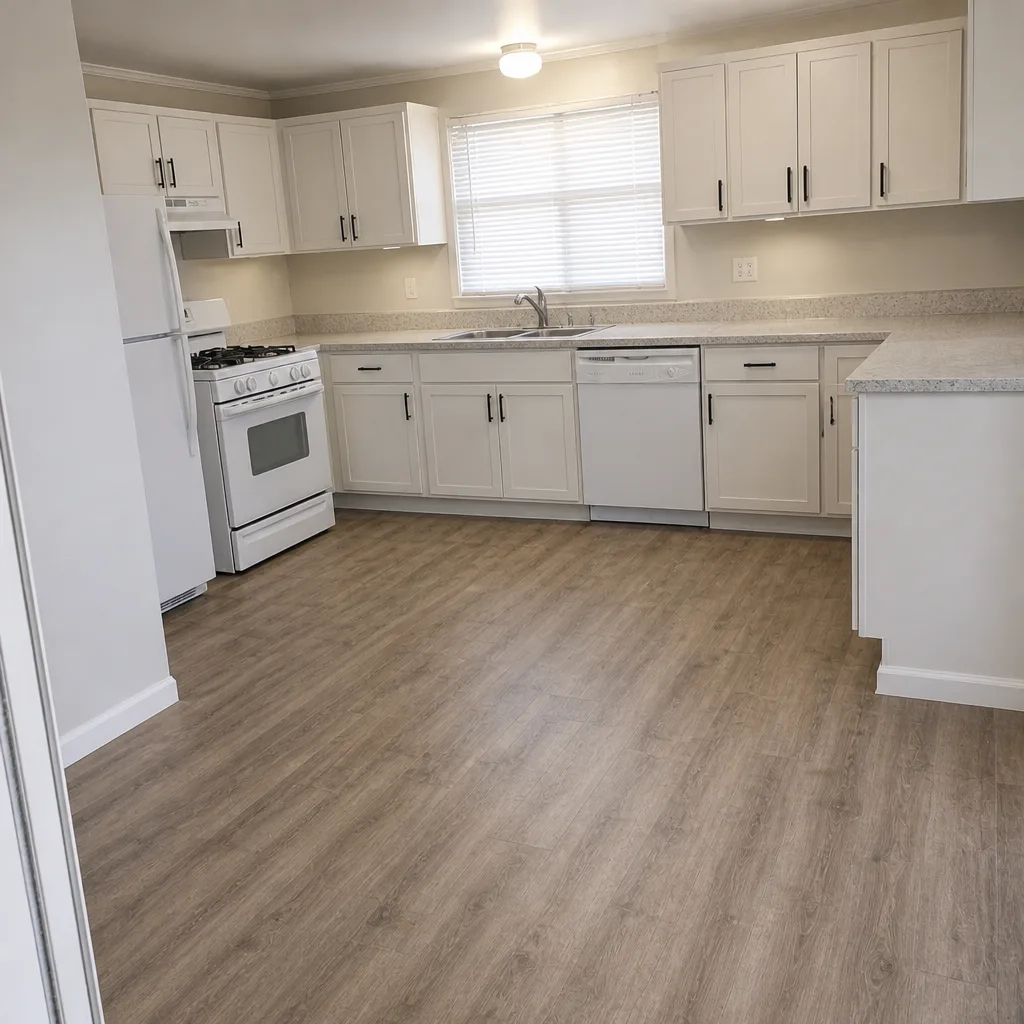
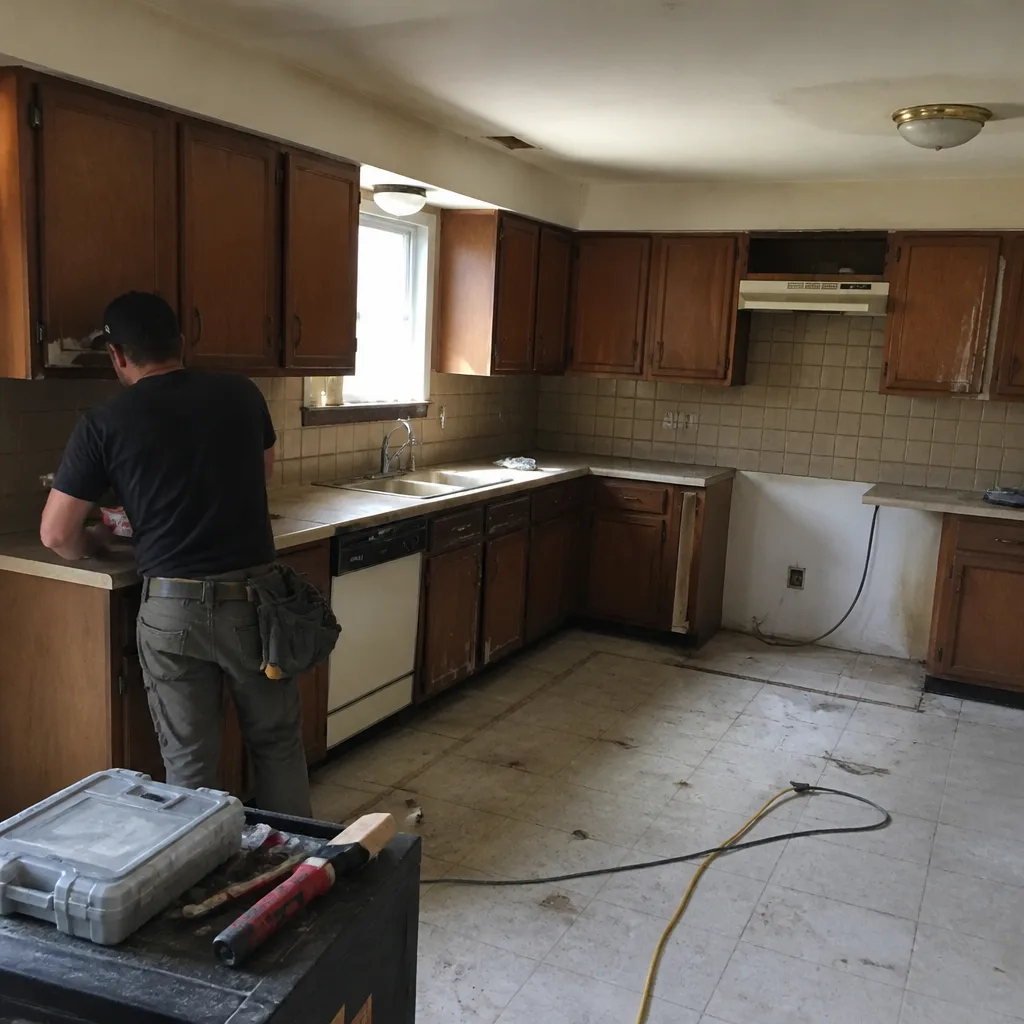
See the difference
 Before
 After
 Before
 After
 Before
 After
When to Call a Professional
Some tasks are fine for a careful homeowner with a ladder, a camera, and a notebook: the spring walk, the post-monsoon inspection, the photo log. Others aren’t. Call a professional when a stucco crack widens after a storm, when roof flashing is involved (a fall from a two-story roof is a genuine risk, and the flashing detail determines whether the repair holds), when concrete has settled under a driveway or patio, or when you’re planning any project that touches structural systems, permits, or inspection. Rowan Construction Group Enterprise offers free estimates in Enterprise. Call (833) 630-4077 to schedule one, and we’ll deliver a written price and written scope before any work starts, backed by the Haven Standard.
Frequently Asked Questions

October is the best month for concrete in Enterprise. Temperatures sit in the ideal 60 – 80°F cure range, moisture loss is controlled, and you avoid the 15 – 20% summer premium contractors charge to add admixtures and run night shifts. March and April are the next-best windows. Call (833) 630-4077 to lock in an October estimate before the schedule fills.
Inspect your roof in April before summer, and again after every monsoon storm from July through September. That’s four to six inspections a year in a typical monsoon season. The spring inspection catches UV damage on south- and west-facing slopes; the post-storm inspections catch flashing failures before they reach the ceiling drywall. Call (833) 630-4077 if you want a professional inspection with a documented photo record.
Exterior paint applied in summer in Enterprise often fails early because the surface temperature exceeds the 85°F upper range most acrylic paints need for proper film formation, and the paint skins over instead of bonding. Spring (March – April) and fall (October – November) are the right windows. If you need a summer repaint, it’s a morning-only job with temperature monitoring at the substrate. Call (833) 630-4077 for a written scope that names the product and the application temperature.
After a monsoon in Enterprise, check three things: hairline cracks wider than a credit card, cracks that widened compared to your pre-summer photos, and moisture staining near the foundation. Photograph each with a tape measure for scale. Stucco that stays wet against the wall after a storm is the biggest structural risk in this climate. Call (833) 630-4077 for a stucco inspection if you’re unsure whether a crack is cosmetic or structural.
Cold weather doesn’t stop construction in Enterprise, but it changes how concrete is poured. Overnight lows in December and January regularly drop into the 30s, which is below the 40°F threshold where fresh concrete needs protection. A cold-weather mix design, blankets overnight, and earlier pour times handle the risk. Ask any contractor proposing a winter pour what cold-weather protections they use. Call (833) 630-4077 for a written estimate that names them.
Keep a dated inspection log with photos (a tape measure beside each finding), invoices, the written warranty from each project, and the contractor’s post-visit photo record. That package supports warranty claims, answers a buyer’s questions at resale, and lets a new contractor diagnose a problem without starting from zero. Every Rowan project delivers a documented photo record on every visit as standard. Call (833) 630-4077 for a free second opinion on any existing written estimate.
The Bottom Line
Enterprise runs on two construction-hostile windows and two that pay you back. Pre-summer prep in March and April protects your exterior before the heat arrives. Monsoon response from July through September catches water damage before it moves indoors. October and November are your money months for concrete, paint, and pavers. December through February needs cold-weather care on any pour. Match the task to the window, keep a written inspection log with dated photos, and you’ll spend less and repair less over the life of the home. If you want the number in writing before anyone picks up a tool, that’s the standard here.
Call Rowan Construction Group Enterprise at (833) 630-4077 to schedule your free estimate. We’ll deliver a written price, a written scope, and a written warranty before any work starts, backed by the 365-Day Done Right Promise and the Haven Standard.
Written by the team at Rowan Construction Group Enterprise.