Last updated November 18, 2026

Free written scope consultation - allowances, timeline, and change-order rules on paper before a single trade is scheduled
The Complete Guide to Construction in Enterprise
Enterprise became an unincorporated township of more than 100,000 people without ever incorporating as a city. That single fact has consequences most homeowners don’t discover until they’re already deep into a project: your permit doesn’t come from a local municipal office. It comes from Clark County. And the difference between filing with a city building department and filing with the county changes your timeline by weeks, sometimes longer, when review queues back up. This guide maps the actual decision tree an Enterprise homeowner faces, from soil reports and caliche layers to HOA architectural review to the final inspection sign-off.
Quick Answer
Construction in Enterprise, NV runs through Clark County’s building department, not a city office, because Enterprise is unincorporated. That means permits, inspections, and code enforcement all route through the county, and homeowners should budget extra lead time for plan review during peak season. Soil is another local factor: caliche and desert hardpan are common here, which affects foundation and driveway bids. HOA architectural review typically runs as a parallel track alongside county permitting, not after it.
Styles & brands we work with
- Kitchen remodeling
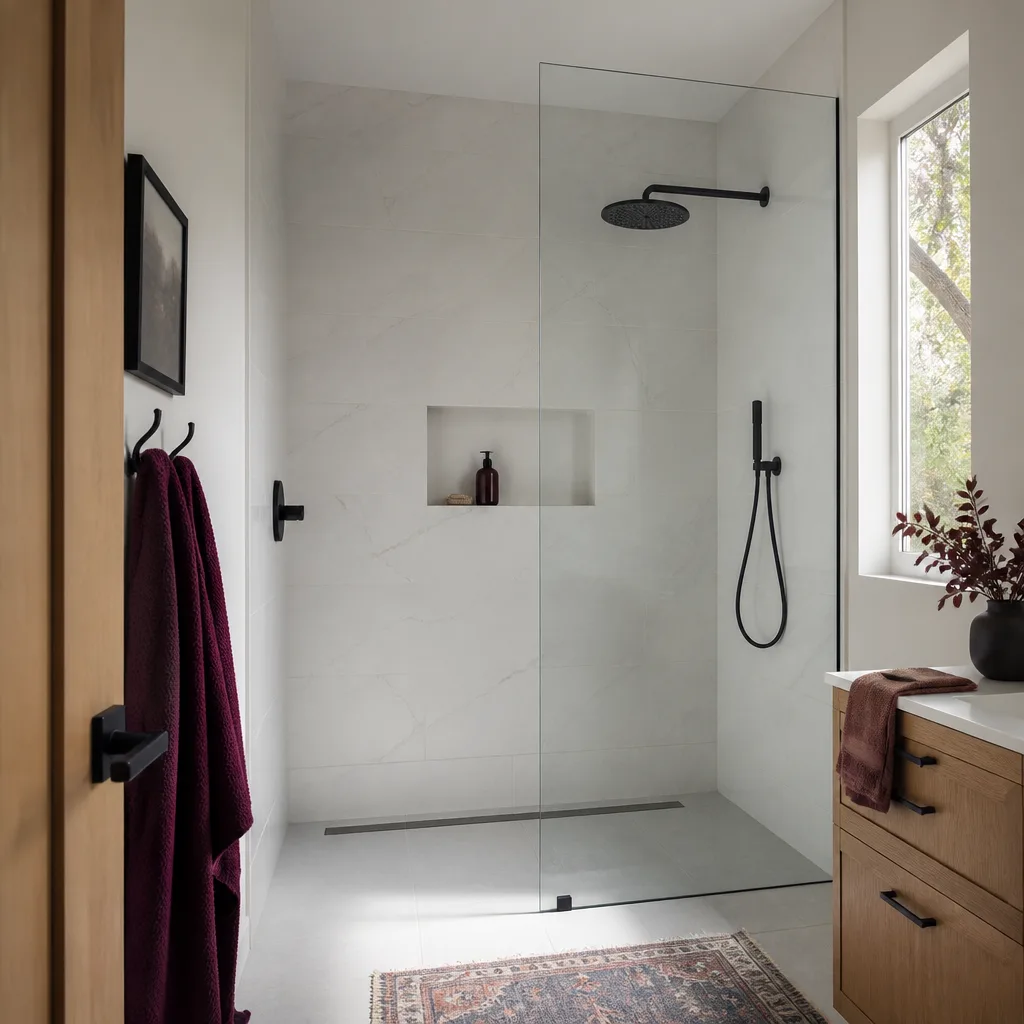
- Bathroom remodeling
- Home additions & ADU
- Roofing
- Windows & doors
- Driveway & pavers
- Fence
Table of Contents
- Why Enterprise’s Unincorporated Status Changes Your Permit Office
- The Seven Trade Categories Enterprise Homeowners Need Most
- Enterprise Soil Conditions: Caliche, Hardpan, and What They Cost You
- The HOA Architectural Review Track
- A Realistic Construction Calendar for Enterprise
- When You Need a Licensed General Contractor
- What Final Inspection Actually Checks
- How to Choose a Contractor in Enterprise
Why Enterprise’s Unincorporated Status Changes Your Permit Office
If you’ve built or remodeled in a city before, your mental model is probably: file with the city building department, get a plan review, pull the permit. Enterprise doesn’t work that way. Because the township never incorporated, there’s no Enterprise municipal building department. Every residential permit routes through Clark County.
What does that mean in practice? Three things:
- One office, more volume. Clark County’s building department serves a large unincorporated population, including Enterprise, Paradise, Spring Valley, and Winchester. Review queues reflect that volume.
- County-specific forms. The submittal packet, contractor registration requirements, and inspection scheduling all follow Clark County process, not a city’s.
- Code enforcement answers to the county. If a neighbor’s unpermitted addition becomes your problem, you or they are dealing with Clark County Code Enforcement, not a local office.
None of this is bad news. It just means the timeline you plan around is a county timeline. Homeowners who expect city-sized review windows and get county-sized ones end up scrambling. We see this most often in Enterprise zip codes like 89178 and 89183, where new construction activity runs high and review queues lengthen accordingly.
The Seven Trade Categories Enterprise Homeowners Need Most
We work across seven residential construction trades. Most Enterprise projects fall into one or more of them, and knowing which combination you need helps you understand who to hire and what to expect on price.
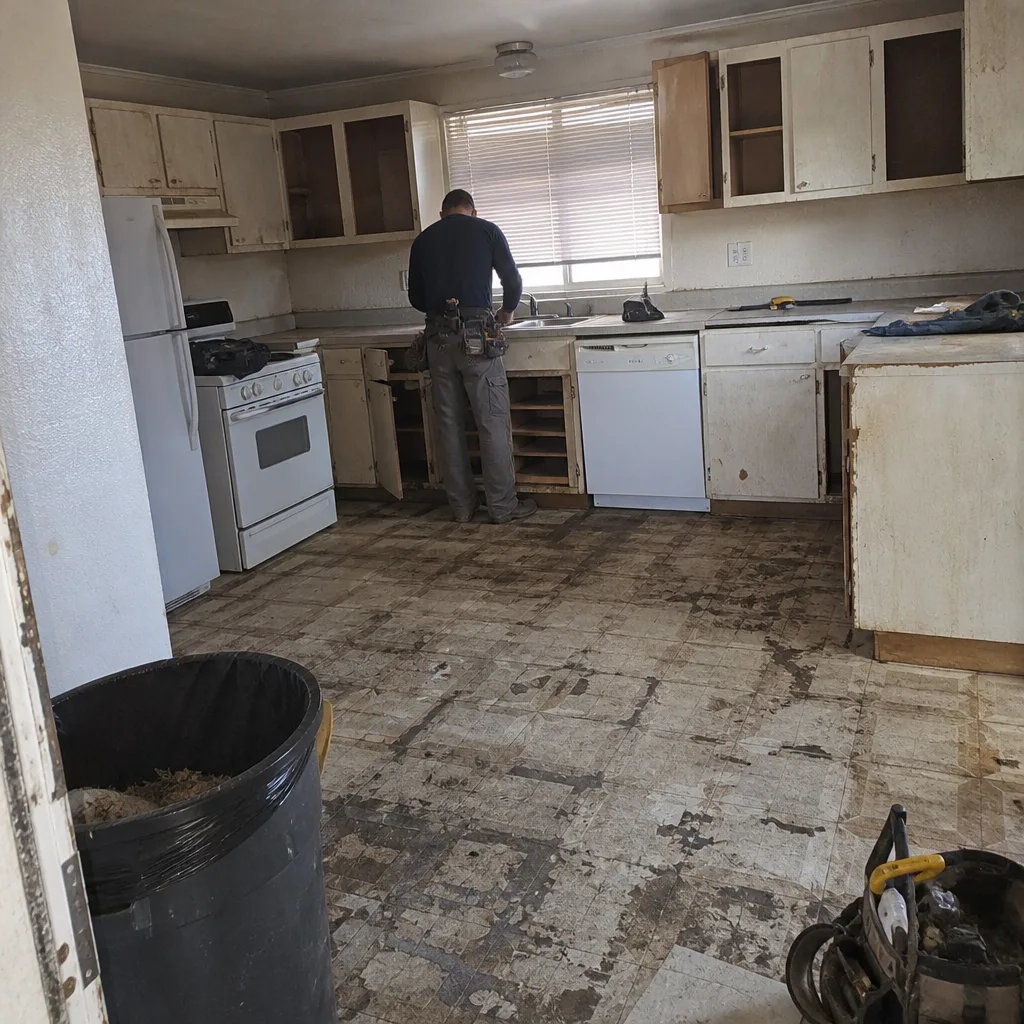
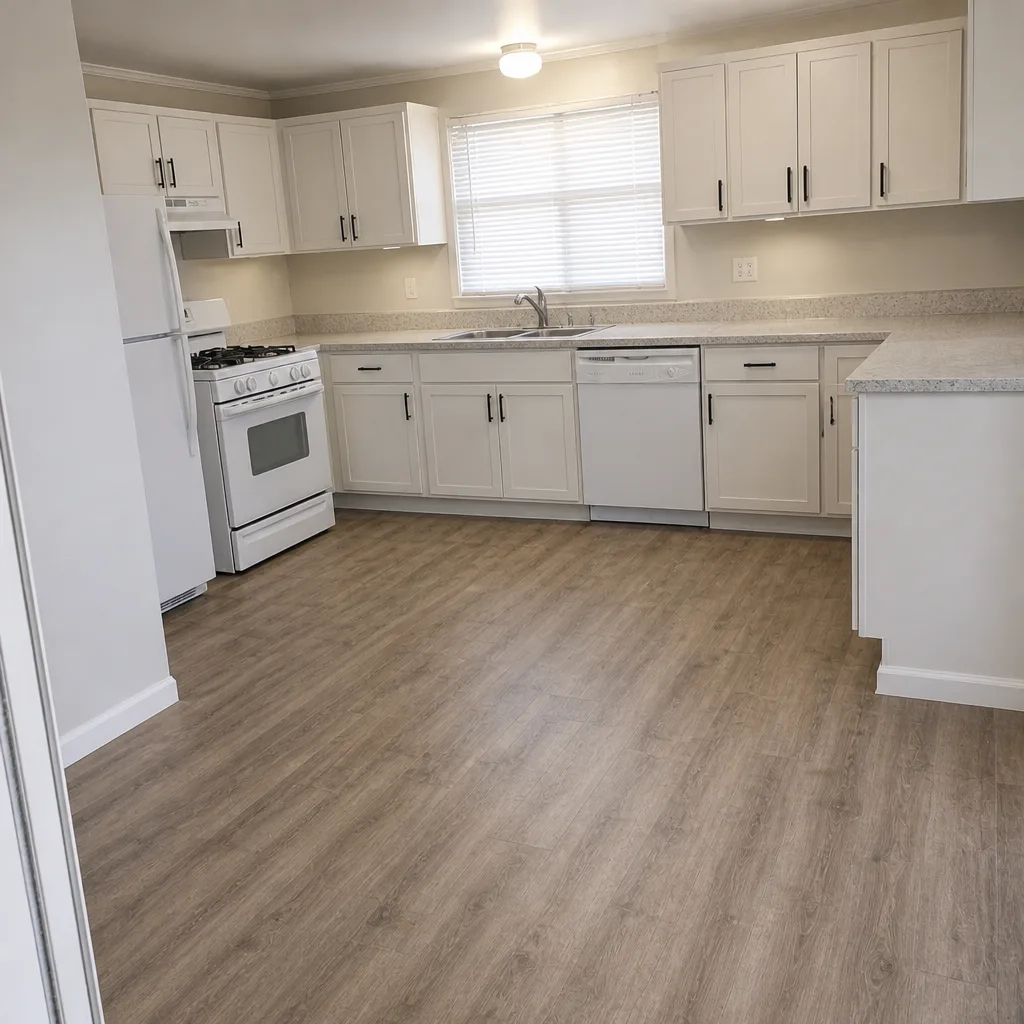
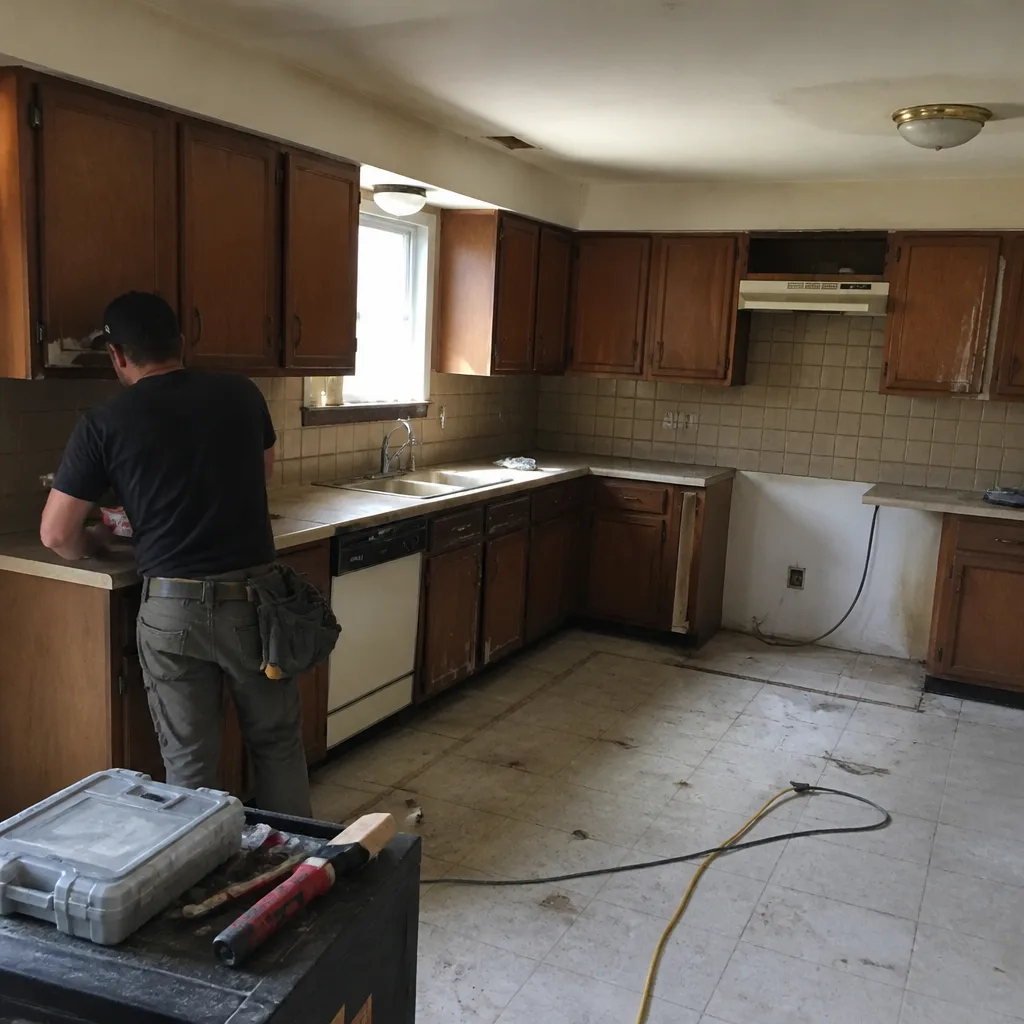
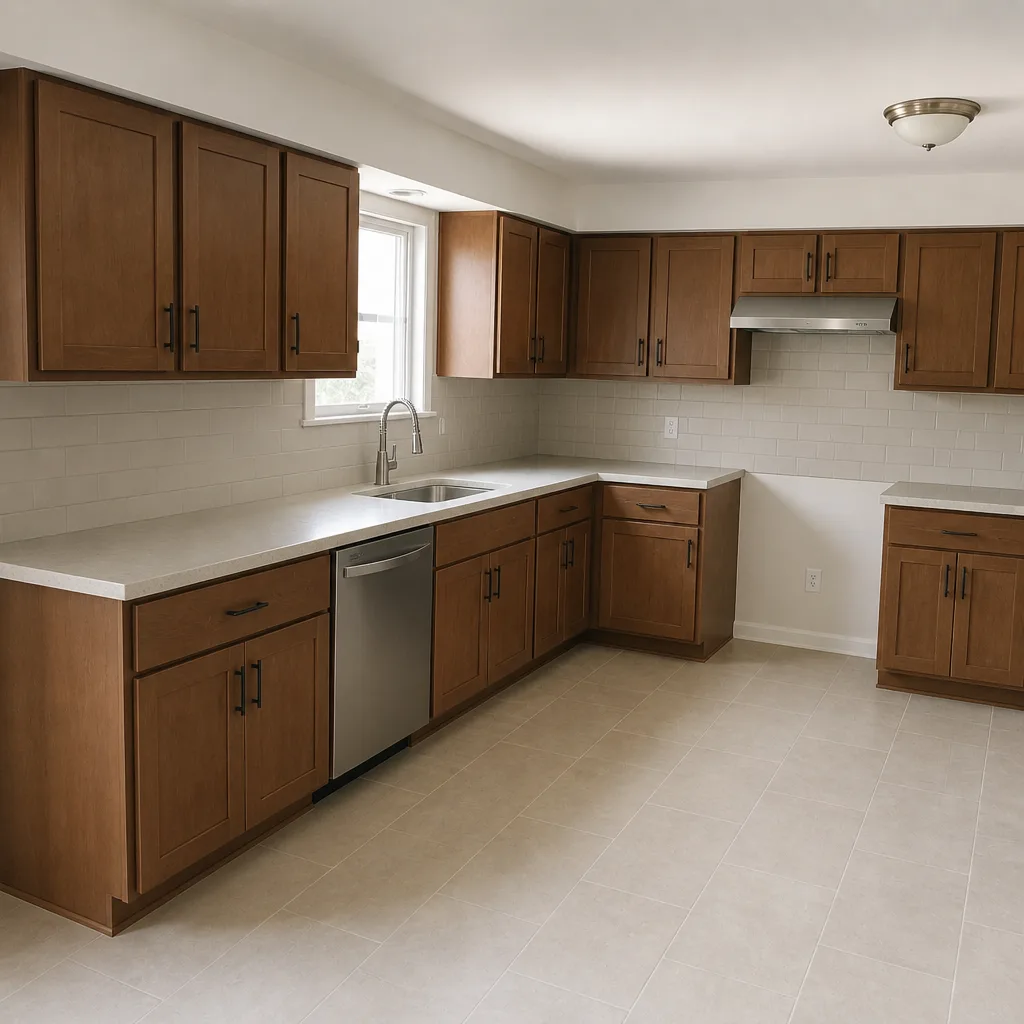
- Kitchen remodeling. Cabinet replacement, countertops, plumbing rough-in, electrical. The most common major remodel in Enterprise homes built between 2000 and 2020.
- Bathroom remodeling. Tile membrane work, fixture replacement, waterproofing. Older bathrooms in the township often need the shower pan rebuilt, not just re-tiled.
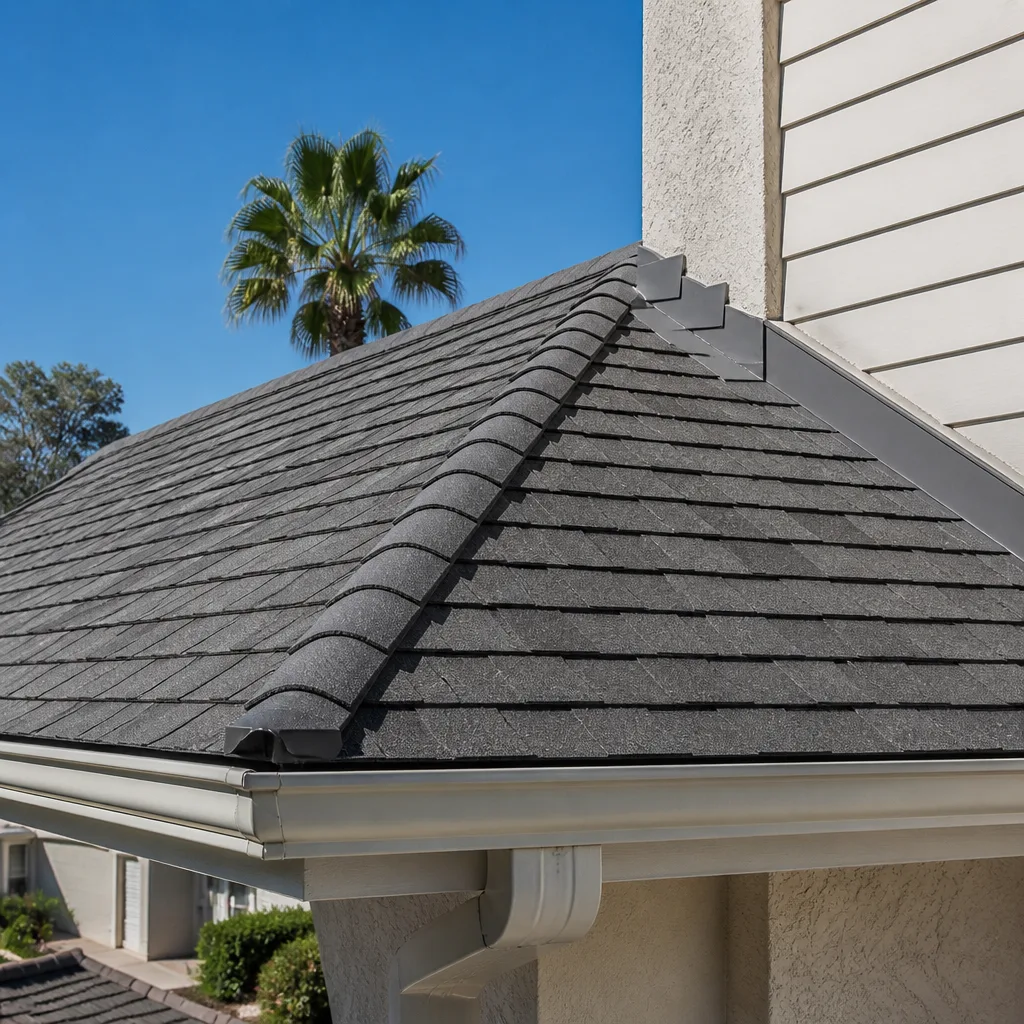
- Roofing. Shingle replacement, underlayment, flashing repair. Desert sun and monsoon wind take a toll faster than most homeowners expect.
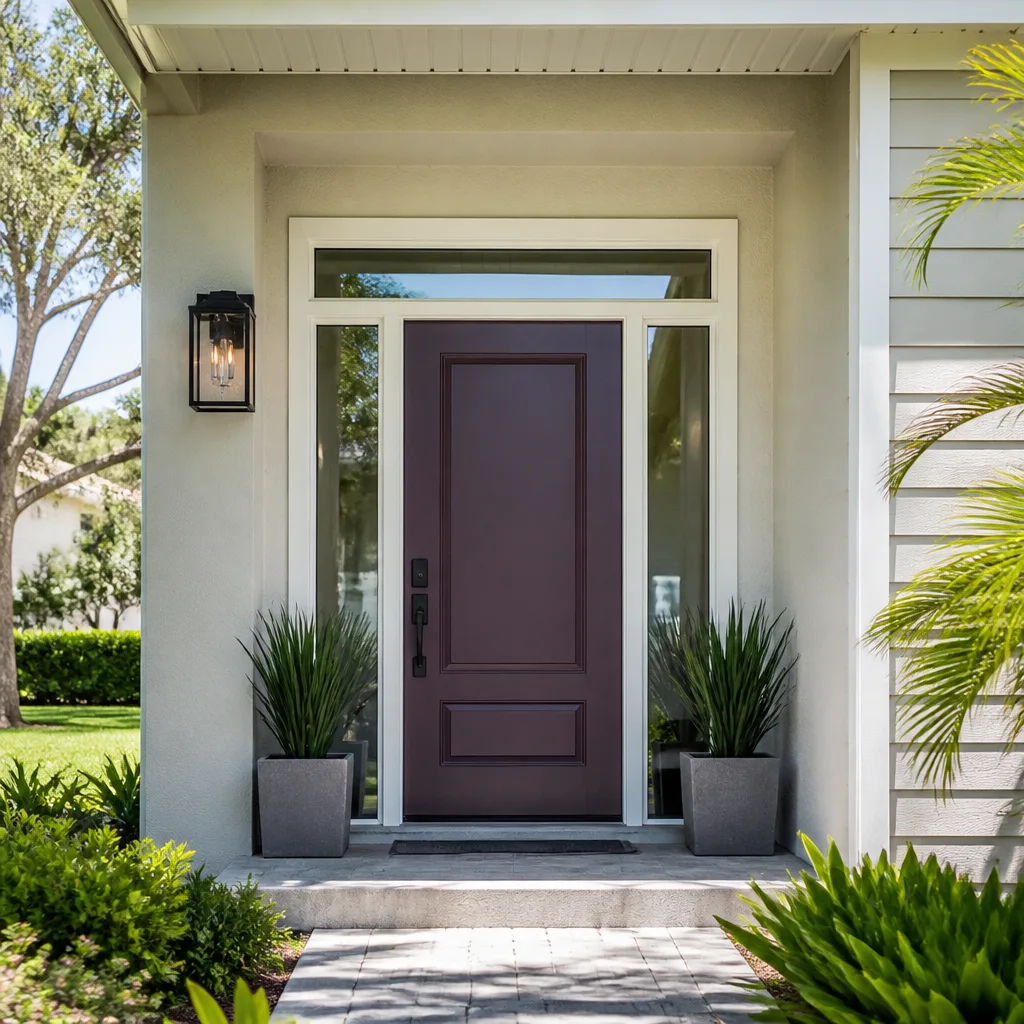
- Windows and doors. Energy code compliance matters here; Nevada’s climate zones push toward specific glazing specs.
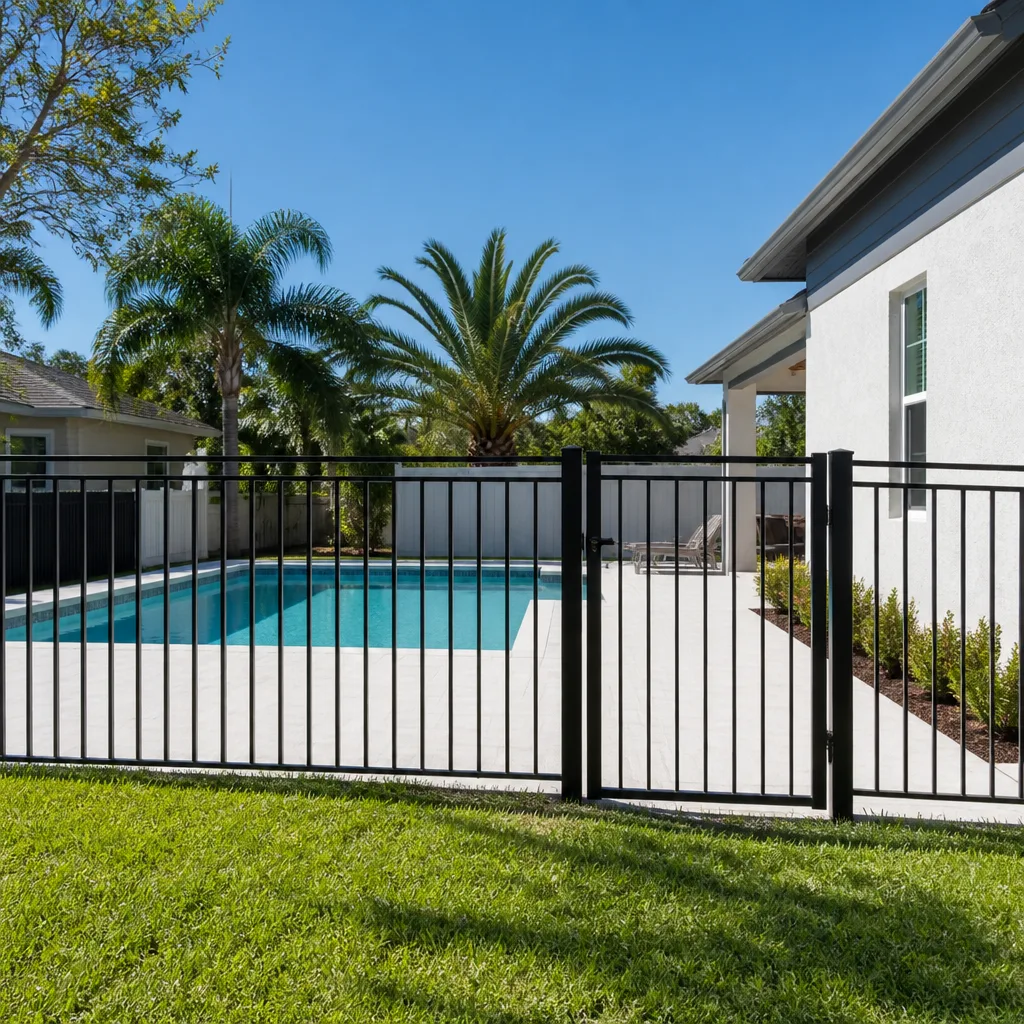
- Fence installation. Block walls and wrought iron are more common than wood out here, both for wind resistance and HOA requirements.
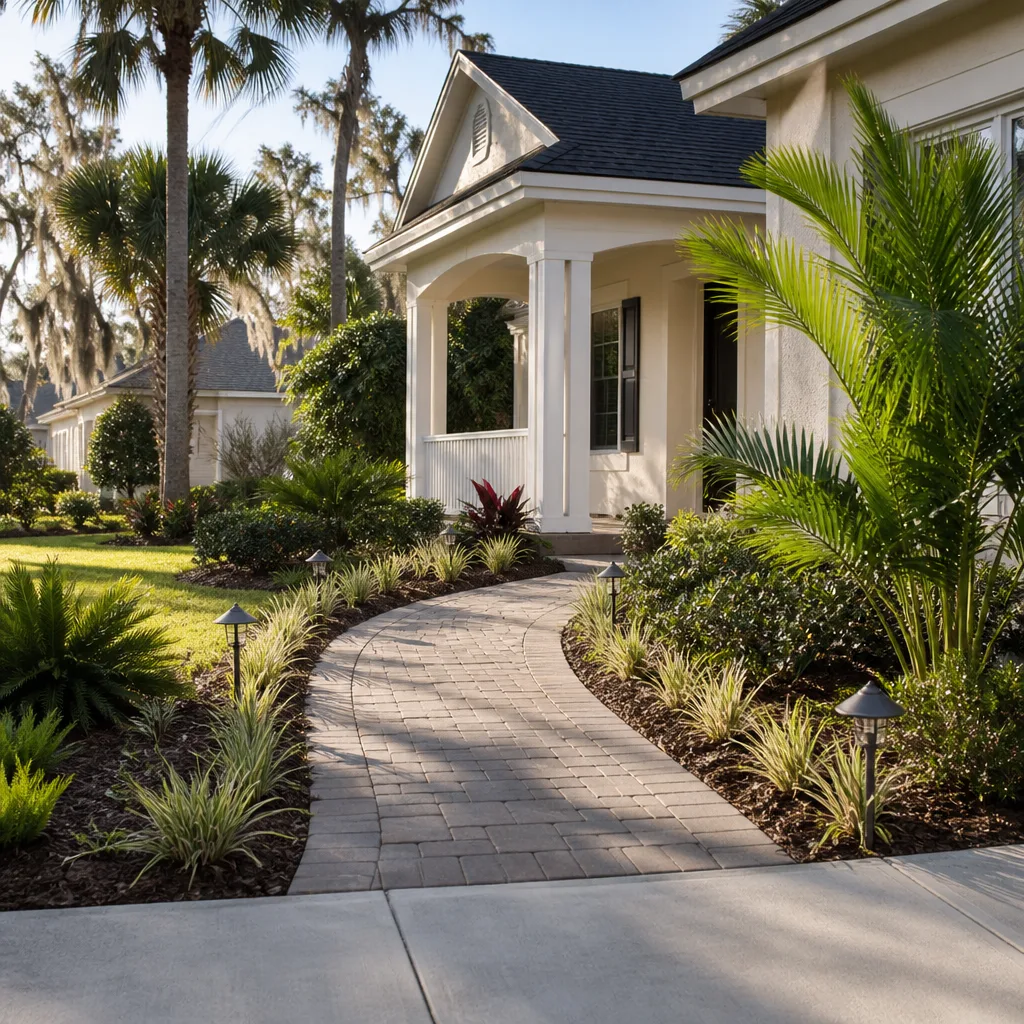
- Driveway and pavers. Pavers vs. concrete is a real decision in Enterprise; soil prep makes the difference between a driveway that lasts 20 years and one that cracks by year three.
- Home additions and ADUs. Detached casitas, garage conversions, and second-story additions. ADUs have their own county permitting track.
Where it gets interesting: combinations. A kitchen remodel that touches plumbing and electrical is usually fine with a specialty contractor. A kitchen remodel that moves a load-bearing wall, or an addition that ties into the existing structure’s framing, generally triggers the general contractor requirement. That’s covered below.
Enterprise Soil Conditions: Caliche, Hardpan, and What They Cost You
Enterprise sits on desert ground with two specific characteristics that affect construction bids. Caliche is a calcium carbonate layer, sometimes a few inches thick, sometimes several feet, that reads like soft rock when you try to dig through it. Desert hardpan is compacted soil that behaves differently than the loose surface soil. Both can change a bid substantially.
What this means in practical terms:
- Foundations. Slab-on-grade is standard in Enterprise, but the soil prep matters. Caliche layers mean excavation takes longer and equipment is more specialized. A foundation bid that doesn’t mention soil conditions is a bid you should question.
- Driveways. Compaction is the whole game. Under a driveway, we specify base prep that accounts for expansion and contraction across the seasons; skipping it is how driveways crack within a few years. Products like Quikrete and Sakrete are common for smaller pours, but on a full driveway, ready-mix with proper grading matters more than the brand on the bag.
- Fencing posts. Post depth and concrete volume have to account for caliche, or posts won’t hold through our wind events.
We’ve seen bids in Enterprise vary by $3,000-$8,000 for the same driveway job, largely on how much soil prep the contractor is allowing for. The honest number includes caliche handling. The inflated one pads it. The cheap one skips it entirely and hands you the problem later.
The HOA Architectural Review Track
Enterprise has a dense concentration of HOAs, especially in the master-planned neighborhoods. Here’s what first-time homeowners often get wrong: the HOA architectural review does not wait for county permit approval, and county permit approval does not satisfy the HOA. They’re parallel tracks, and both have to clear before the project can proceed.
The HOA track typically requires:
- Written approval of exterior changes: fence material and height, paint color, roofing material, window style, driveway surface.
- Site plan or elevation drawings showing the proposed change in relation to property lines and neighbor sightlines.
- Contractor information so the HOA knows who’s on site and when.
- Timeline expectations, sometimes with a completion window.
The HOA submittal usually runs four to six weeks, depending on the board’s meeting schedule. Some Enterprise HOAs meet monthly; some quarterly. If you miss a meeting window, you wait. Running the county permit and the HOA review in parallel saves weeks, and it’s why the first question a contractor should ask you isn’t “what’s your budget” but “does your HOA need to review this?”
A Realistic Construction Calendar for Enterprise
Timing a project to the Clark County inspection calendar is one of the more practical things an Enterprise homeowner can do. Here’s how the year tends to break down, based on what we’ve seen across projects:
- January through March: Shortest inspection wait times. Spring scheduling pressure hasn’t hit yet. Good window for interior remodels and any piggybacked exterior work.
- April through June: Inspection queues fill as spring projects stack up. Plan on a week or two longer than you’d expect for final walk-throughs.
- July through September: Monsoon season. Exterior work like roofing, fences, and driveways gets pushed around weather events. If your project involves concrete or pavers, weather-proof scheduling matters more than price.
- October through December: Second-best window. Roofing and fence work is comfortable, and inspections move again as the summer backlog clears.
A kitchen remodel that takes six weeks of construction is really an eight- to ten-week project once county review and inspections are factored in. That timeline is normal. Any contractor who tells you otherwise in Enterprise is either guessing or hoping.
When You Need a Licensed General Contractor
Nevada license law draws the line based on scope of work. Some jobs are cleanly in one trade; others cross trades and need a general contractor license. In Enterprise, the crossover happens in these situations:
- Structural changes. Moving a wall, adding a beam, converting a garage, or a second-story addition. These require a GC license and structural engineering sign-off.
- Multi-trade remodels under one contract. If you’re hiring one company for framing, plumbing, electrical, and finishes, that company needs to be licensed to cover the whole scope.
- ADUs. Detached accessory dwelling units in Enterprise trigger the full path: county permitting, structural engineering, and a licensed GC. A specialized contractor isn’t enough.
- Foundation work. Any foundation replacement or significant repair requires either an engineered plan or a GC who works with a structural engineer.
For single-trade work (a roof replacement, a fence job, a bathroom tile upgrade), a specialty contractor license covers the work. What matters is verifying the license on the state contractor board, which you can do in minutes and should do for every bid.
What Final Inspection Actually Checks
Final inspection is where a lot of Enterprise projects either close cleanly or pick up weeks of callbacks. Here’s the short version of what inspectors actually look at:
- Permitted scope completion. Was everything in the approved plan done, and was anything done that wasn’t in the plan?
- Structural and framing connections. Lumber sizing, fastener spacing, straps and ties on additions and roof work.
- Electrical. Panel labeling, GFCI placement, grounding on outdoor circuits (a big one in Enterprise, where pool pumps and exterior lighting are common).
- Plumbing. Rough-in placement, pressure test documentation, venting.
- Energy code. Window U-values, insulation R-values on additions, especially in areas above garages.
- Final grade and drainage. Stands of water have to move away from the house, not toward it. This is where deferred site work becomes a problem.
A good contractor pre-inspects against this list before scheduling the county walk-through. That’s the difference between a same-week final and a three-week callback loop.
How to Choose a Contractor in Enterprise
The choice criteria we’d want our own families to use:
- A written price before work starts. Not a range, not a “call for a quote,” not “we’ll know after demo.” A flat written price with a written scope.
- A written warranty. Printed on the contract, not promised verbally.
- Signed change orders for any change. If the price moves, the paper moves first.
- Permits pulled correctly. For anything requiring Clark County permitting, your contractor should be managing that.
- Documentation. Photos of what was found and what was done, handed to you at completion.
- A second opinion available. If you already have a written estimate, get it reviewed line by line before signing. This is free at Rowan Construction Group Enterprise and it’s one of the more useful services we offer, because we can point out what’s missing from the bid before it becomes a change order.
If you’re starting from scratch, our Rowan Construction Group Enterprise home page walks through the trades we cover and what a written quote looks like from us. For specific trades, you can look at driveway and pavers in Enterprise if you’re pricing driveway work, fence installation in Enterprise for block walls and wrought iron, and home additions and ADU in Enterprise for the larger projects.
Common Mistakes to Avoid
- Filing the HOA review after the county permit. These are parallel tracks in Enterprise, and sequencing them back-to-back can add two months. Submit to both at the same time.
- Accepting a bid without soil prep spelled out. If the driveway or foundation bid doesn’t mention caliche or base compaction, ask. In Enterprise, ignoring soil is how you get cracks at year three.
- Starting a project in July without a weather plan. Monsoon season needs to be scheduled around, not fought against.
- Skipping the license verification. It takes five minutes on the state board website and it’s the cheapest insurance on any project.
- Using a range quote as a plan. A “somewhere between $20,000 and $40,000” bid is not a price. Push for the number in writing.
- Assuming a city permit exists. Enterprise projects file with Clark County. If a contractor tells you otherwise, ask more questions.
- Paying for a second opinion after the fact. If your contractor won’t let you get a competitor’s bid reviewed before signing, that’s a red flag. The Free Second Opinion on any written estimate is no cost at Rowan Construction Group Enterprise.
See the difference
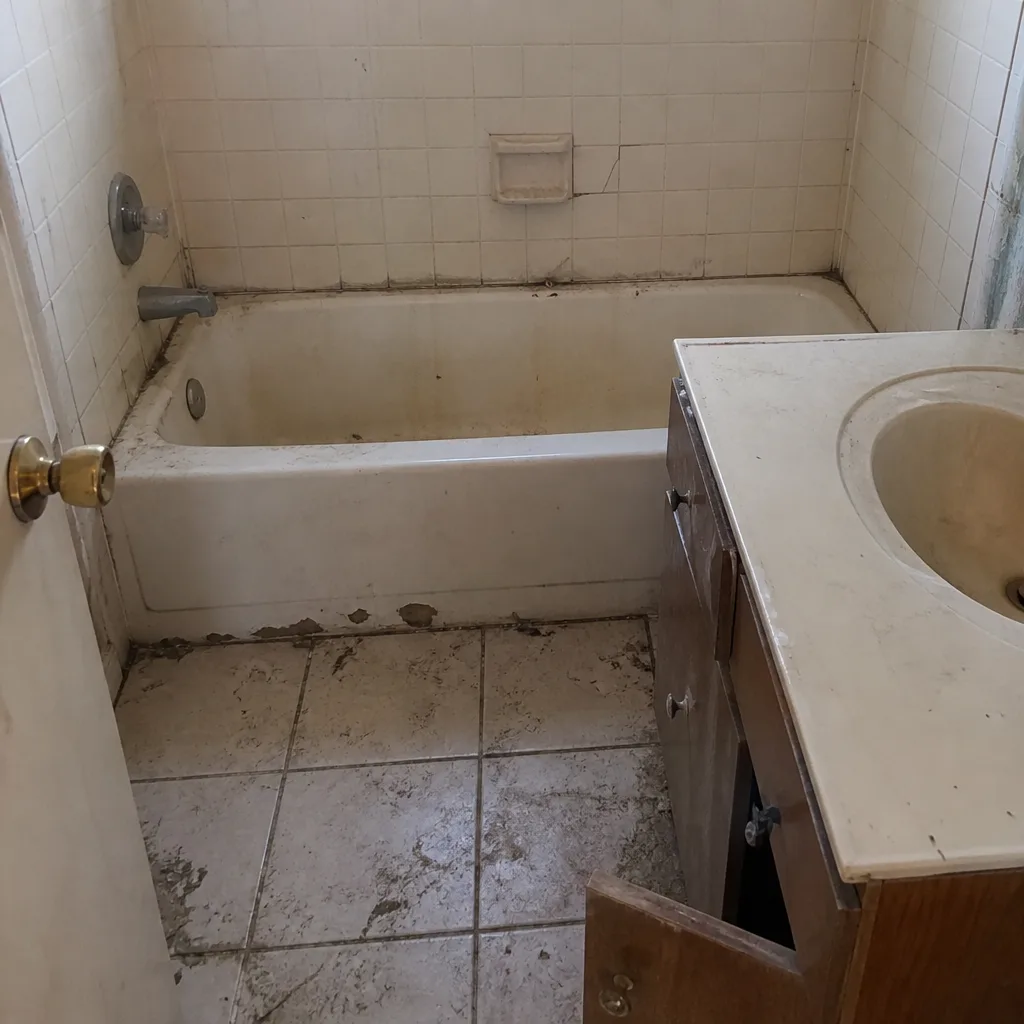 Before
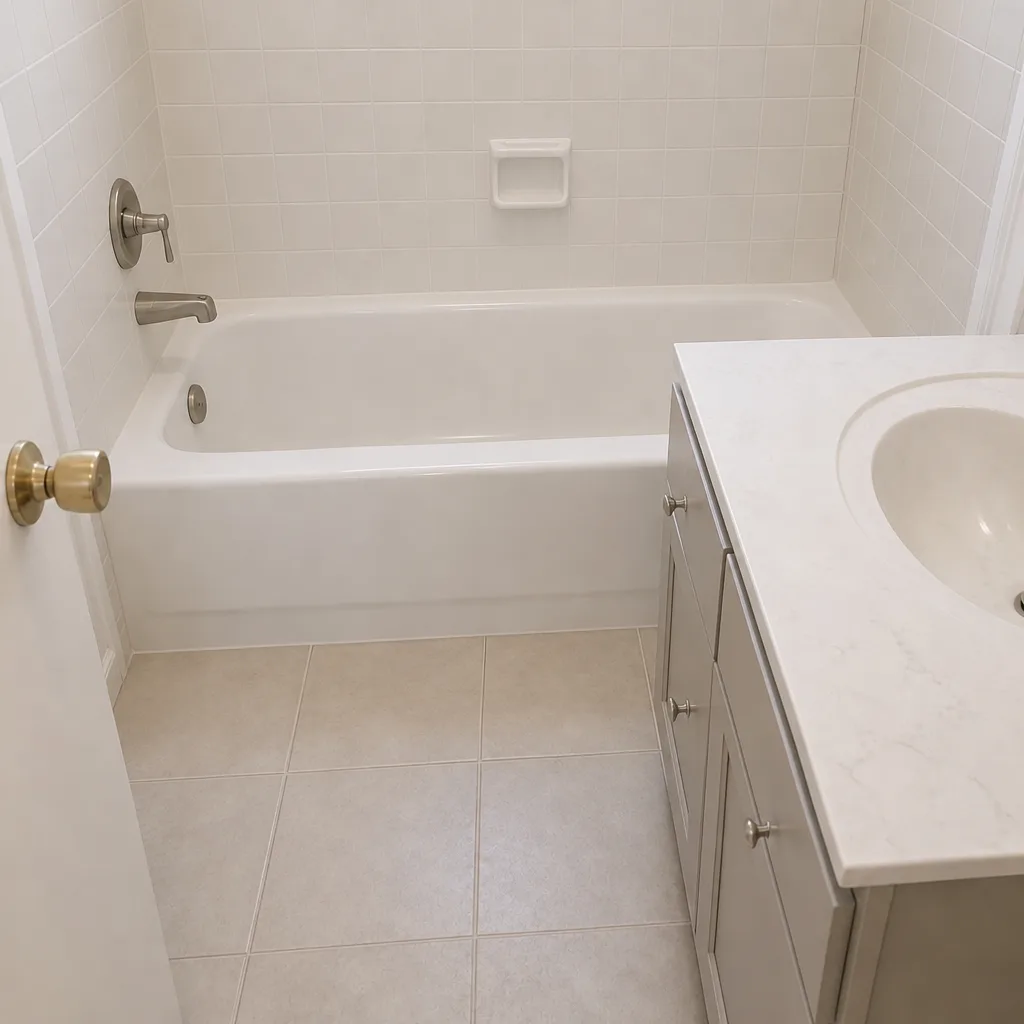 After
 Before
 After
 Before
 After
When to Call a Professional
Some projects are genuinely DIY-able: painting, hardware swaps, minor landscaping. Some are not. Call a professional in Enterprise when the work involves structural changes, electrical panel work, gas line connections, plumbing rough-in, roof replacement, foundation repair, or any project that requires a Clark County permit. The safety stakes on those items are real: gas and electrical work in particular cause serious injuries when done wrong, and the county will catch unpermitted work eventually, which makes it expensive to fix retroactively.
Rowan Construction Group Enterprise offers free estimates in Enterprise and across the surrounding unincorporated Clark County area. Our technicians have up to 19 years of experience, and every visit includes a documented photo record as a standard deliverable. Call (833) 630-4077 to schedule yours.
Frequently Asked Questions

Clark County handles all residential permits for Enterprise because the township is unincorporated and has no municipal building department of its own. That means plan review, inspection scheduling, and code enforcement all route through the county, and review timelines reflect county-wide volume rather than a single city’s queue.
A typical kitchen remodel in Enterprise takes eight to ten weeks from permit filing to final inspection, with roughly six weeks of construction and the rest going to county review and inspection scheduling. Roofing and fence projects move faster; additions and ADUs often run four to six months. The project complexity drives the timeline more than the trade.
You need a licensed general contractor in Enterprise if the work involves structural changes, multi-trade scope under one contract, an ADU, or foundation work. Single-trade projects like roofing, fencing, or a bathroom remodel that stays in one trade can be handled by a specialty contractor, provided the license is verified on the state contractor board.
Driveway work in Enterprise typically runs $8,000 to $22,000 for a standard residential driveway, depending on square footage, paver selection (Cambridge Pavers and Oldcastle are both common choices), base prep depth, and caliche handling. Bids vary widely on soil prep, which is why we put the number in writing before work starts. Call (833) 630-4077 for an exact quote; estimates are free.
Yes. The Free Second Opinion on any written estimate means we’ll review a competitor’s quote line by line at no cost, and point out what’s included, what’s missing, and where the price could shift after work starts. That review is genuinely useful whether or not you hire us.
Not without a signed change order. Under Clause 1 of The Haven Standard, the written price comes before any work starts, and no change proceeds until the change order is signed. That’s the discipline that keeps Enterprise projects finishing within a few percent of the agreed cost. Call (833) 630-4077 to get the number in writing.
The Bottom Line
Construction in Enterprise is its own thing. Unincorporated status means county permits, not city ones. Caliche and hardpan shape the real cost of foundations and driveways. HOA architectural review runs on a parallel track with county permitting, and running both from day one saves weeks. The seasonal inspection calendar shapes scheduling more than most homeowners realize, with January through March and October through December as the smoother windows. Get every price in writing before work starts, look for signed change orders as standard process, and verify licenses on the state board before you sign anything. That’s the whole decision tree.
Rowan Construction Group Enterprise delivers a written price before any work starts, backed by the 365-Day Done Right Promise, background-checked technicians, and a documented photo record on every visit. Whether you’re planning a driveway, a fence, a kitchen, or an ADU, call (833) 630-4077 for a free estimate.
Written by the team at Rowan Construction Group Enterprise.