Last updated November 18, 2026


Free written scope consultation - allowances, timeline, and change-order rules on paper before a single trade is scheduled
DIY vs Professional Construction: The Enterprise Homeowner’s Decision Guide
Here’s the part most DIY-versus-pro arguments skip: Nevada’s owner-builder exemption lets you pull your own permits, and that feels like permission. It isn’t the whole story. The moment you sell a home in Enterprise that you built or remodeled on your own permits, you may owe a mandatory disclosure stating the work was done without a licensed contractor – and buyer’s agents in Clark County read that line closely, because it hands them a negotiating lever. This guide covers where self-work is genuinely legal and smart, where it quietly costs you more, and how to run a hybrid project without voiding a permit. We’ll name the rule, the coverage gap, and the number, in dollars, so you can decide from evidence instead of nerve.
Quick Answer
In Enterprise, homeowners can legally self-perform maintenance, cosmetic, and non-structural work, but anything touching structural framing, electrical service, gas lines, or the building envelope generally requires a licensed specialty contractor under Nevada Revised Statutes. The real cost difference isn’t labor – it’s permit eligibility, insurance exposure during construction, and the resale disclosure your owner-builder permit creates. If the project needs a permit that maps to a C-2 through C-23 license class, hire the license. If it doesn’t, documented DIY is often the better buy.
Styles & brands we work with
- Kitchen remodeling
- Bathroom remodeling
- Home additions & ADU
- Roofing
- Windows & doors
- Driveway & pavers
- Fence
Table of Contents
- Where Nevada Draws the License Line
- The Insurance Gap No One Explains Up Front
- Three Enterprise Projects Where DIY Costs More Than Hiring Out
- Three Projects Where Documented DIY Pays Off
- How to Run a Hybrid Project Without Voiding the Permit
- What Your Owner-Builder Permit Does to Resale
- Common Mistakes to Avoid
- When to Call a Professional
Where Nevada Draws the License Line
Nevada regulates construction through the State Contractors Board, and the core distinction is simple: work that affects the structural integrity, life-safety systems, or weather envelope of a home requires a licensed contractor holding the right specialty classification. Those classifications run from C-2 (general building) through C-23 (various specialty trades), and each covers a defined scope. Roofing has its own class. Electrical, plumbing, and HVAC each have their own. When a job crosses into those scopes, an owner-builder permit doesn’t make you a contractor – it just makes you the responsible party.
What falls outside that threshold is broader than most Enterprise homeowners expect. Interior painting, landscaping that doesn’t move grade against the slab, flooring replacement over existing subfloor, cabinet refacing, and similar surface-level work generally don’t require a specialty license. The distinction that matters: are you changing a system the house depends on to stay dry and safe, or are you changing a finish?
- License required in most cases: structural wall removal, roof replacement or repair beyond patching, new electrical circuits or panel work, gas line work, window and door replacement that changes the rough opening, and any addition including an ADU.
- Typically self-performable: interior paint, trim, landscaping, fence repair on an existing line, tile over sound substrate, and cosmetic kitchen and bath updates that don’t move plumbing or electrical.
- Grey area – check before you start: paver patios and driveways, deck construction, and anything that pulls a building permit. These vary by scope and inspection requirements, and getting the classification wrong is expensive to unwind.
In our experience across thousands of projects, the homeowners who get into trouble in Enterprise aren’t the ones who overreached on skill – they’re the ones who assumed the permit was the finish line. The license requirement and the permit requirement are two different gates. Both have to open.
The Insurance Gap No One Explains Up Front
Call your insurer before you swing a hammer, because the coverage math is the part of the DIY decision most people never price. A standard homeowner’s policy in Enterprise generally covers sudden, accidental damage to the dwelling – a burst pipe, a wind event, a fire. It typically does not cover defective workmanship, and it may exclude damage arising from work in progress that wasn’t permitted or wasn’t installed to code. If you self-perform a bathroom remodel and a poorly seated drain fails six months later, the resulting water damage may fall into a gap the policy reads as your own construction defect.
A licensed contractor carries general liability insurance, and that’s the coverage that sits in the gap. If a crew member damages a water line or a roofing error lets water into a wall cavity, the contractor’s policy responds – not yours. That’s the real transfer of risk you’re buying when you hire out, and it’s why the coverage question deserves a direct answer from any contractor before work starts.
Here’s how to compare the exposure directly:
- Ask your insurer, in writing, what your policy covers during owner-performed construction, and specifically whether defective workmanship exclusions apply to work you perform yourself.
- Ask the contractor for a certificate of insurance naming general liability coverage, and confirm the policy is active for the dates of your project. Don’t accept a verbal yes.
- Compare like for like: the DIY “savings” is really a trade – you keep the labor cost and you absorb the risk. Price both before deciding.
Our crews are background-checked and uniformed, and we’ll always put the insurance paperwork in front of you before a single tool comes off the rack. Under the Haven Standard, the credentials come before the work, not after.
Three Enterprise Projects Where DIY Costs More Than Hiring Out
This is where the spreadsheet usually flips. In Enterprise, three project types consistently cost the documented DIYer more than a written professional quote – not because of skill, but because of material minimums, tool rental, and inspection re-fees. We’ve watched these play out enough times to know the pattern.
1. Roof repair and replacement. Roofing materials sell in full squares, and a small repair still forces you to buy more shingle than you need – plus a ladder, harness, and nail gun rental. Then inspection failures on underlayment or flashing trigger a re-inspection fee and a second round of material. GAF and Owens Corning systems carry manufacturer warranty terms that depend on proper installation, and a self-installed roof can void them. Given Enterprise’s summer heat, which bakes shingle adhesive and accelerates granule loss on a poorly vented deck, a bad install fails faster here than in a milder climate.
2. Driveway and paver work. Base preparation is the whole job, and skimping on compaction shows up within two summers. A DIY paver driveway typically requires renting a plate compactor, buying polymeric sand and edge restraint in quantities sized for a full install, and absorbing the cost of any base failure. Belgard and Unilock pavers are engineered to a spec that assumes correct base depth and drainage; install them over an under-prepped base and they shift. For a project this size, our Driveway & Pavers in Enterprise page lays out what a correct build actually involves.
3. Window and door replacement. Changing a rough opening means altering the building envelope – that pulls a permit and lands squarely in licensed territory. Ordering the wrong size, or flashing the opening incorrectly, invites water intrusion, and in a desert climate the failure hides inside the wall until the stucco stains. Material minimums on custom units mean returns are difficult and restocking fees are real.
Across all three, the DIY line item that gets forgotten is the re-fee: failed inspection costs both money and weeks. Free estimates exist precisely so you can see the professional number next to your own before you commit.
Three Projects Where Documented DIY Pays Off
The flip side is real. Three project categories in Enterprise reward the homeowner who does the work carefully and keeps records – and they don’t create resale disclosure problems if handled correctly.
- Interior painting. No permit, no specialty license, minimal risk. Buy quality paint, prep the surface properly, and keep the color codes and receipts. This is the highest-value DIY dollar on the list.
- Landscaping. Desert-appropriate planting, drip irrigation, and rock work don’t touch the building envelope. Keep before-and-after photos and receipts – documentation is what turns DIY into an asset at resale rather than a question mark.
- Non-structural interior work. Cabinet refacing, trim, flooring over sound subfloor, tile on a prepared substrate. These don’t move structure or systems, so they stay outside the license threshold.
The common thread is documentation. A homeowner who can produce photos, receipts, and a clear description of what was and wasn’t touched has a defensible record. One who can’t has a disclosure problem waiting to happen. Our general guidance across every trade is the same: describe what you found and what you did, in plain terms, and keep the evidence. That’s the discipline behind the Rowan Construction Group Enterprise home approach to every job, and it’s just as useful on a DIY project.
How to Run a Hybrid Project Without Voiding the Permit
The hybrid model – owner supplies the materials, a licensed contractor provides the labor – is the smartest option for a lot of Enterprise homeowners, but it only works if the paperwork is airtight. A permit is tied to the license holder and the scope of work. If the arrangement isn’t documented, the permit can be considered invalid, and an invalid permit is worse than no permit at all.
Here’s the sequence that keeps it clean:
- Pull the permit in the licensed contractor’s name for the scope of licensed work, with the owner-supplied material clearly noted on the application if your jurisdiction allows it.
- Write a scope document that splits responsibilities line by line: what the owner supplies, what the contractor installs, who warrants what, and who handles defect claims.
- Verify every material meets the spec the contractor is installing to – a substantiated unit or an unrated paver isn’t the same product. Brand matters here. Bufftech and ActiveYards fence products, for example, carry warranty terms tied to correct installation.
- Get the contractor’s license and insurance certificates before materials are delivered, and confirm the general liability policy is active through the project dates.
- Keep the signed scope and all material invoices together. This is the file you hand your buyer’s agent at resale.
When we run a hybrid, the price is written before any work starts and no change proceeds until the change order is signed. That discipline matters more in a hybrid arrangement, because the material-labor line is exactly where costs drift. It’s the same approach we bring to a Fence Installation in Enterprise project, where material spec and installation spec have to match or the warranty won’t hold.
What Your Owner-Builder Permit Does to Resale
Nevada’s owner-builder exemption lets you pull permits as the property owner, but it comes with a string attached that surfaces years later: a mandatory disclosure at resale stating the work was not performed by a licensed contractor. In Clark County, buyer’s agents flag that disclosure routinely, and it becomes a negotiating point – the buyer asks for a price reduction, an inspection credit, or a repair allowance, and you’re negotiating from a defensive position.
The disclosure itself isn’t a defect. Well-documented owner work can sell cleanly. But the absence of documentation turns a disclosure into a discount. That’s the argument for treating permits, photos, and receipts as part of the build, not an afterthought – the same principle that puts a photo record on every professional visit. Documented work sells; undocumented work gets discounted.
For larger projects – an addition, a structural remodel, an ADU – the resale calculus usually tips the other way entirely. A permitted, professionally built addition is a value-add; an owner-built one on an owner-builder permit invites appraisal and financing complications. If you’re weighing a bigger project, Home Additions & ADU in Enterprise covers the licensing and inspection path that keeps the finished square footage financeable.
Common Mistakes to Avoid
- Treating a permit as a license. The owner-builder permit lets you pull the paperwork; it doesn’t make structural, electrical, gas, or envelope work legal to self-perform. Confirm the license classification before you start.
- Assuming your homeowner’s policy covers work in progress. Defective workmanship exclusions are common, and the gap is exactly where the contractor’s general liability sits. Ask your insurer in writing.
- Skipping documentation on “just cosmetic” jobs. Even a paint and landscaping project is easier to sell with photos, receipts, and a written description. In Enterprise, the resale disclosure file is built one receipt at a time.
- Underestimating base preparation on pavers and driveways. Compaction and drainage are the job. A desert climate with monsoon-season rain will find a bad base within two summers.
- Buying materials without matching the install spec. Unrated or wrong-spec material voids manufacturer warranties and creates a hybrid project with no one accountable.
- Hiring on the strength of a verbal estimate. A written, line-item price before work starts is the single most useful document you’ll get. “Call for a quote” tells you nothing you can compare.
- Forgetting the inspection schedule. Failed inspections cost a re-fee and delay every following trade. Build inspection dates into the plan, not the aftermath.
When to Call a Professional
Call a licensed professional the moment a project touches structural framing, the electrical service or any new circuit, gas lines, the roof structure or covering, or window and door openings in the building envelope. Call one if your project pulls a permit that maps to a specialty license class, if you can’t verify what your insurance covers during construction, or if you’re building anything you intend to list as finished square footage at resale. Call one, honestly, if the work involves heights – roofing and second-story work carry a fall risk that no amount of confidence offsets. And call one if you’re planning a hybrid and the material-install spec isn’t nailed down in writing. Rowan Construction Group Enterprise offers free estimates in Enterprise, and a free second opinion on any written estimate – bring a competitor’s quote and we’ll review it line by line at no charge. Call (833) 630-4077.
See the difference
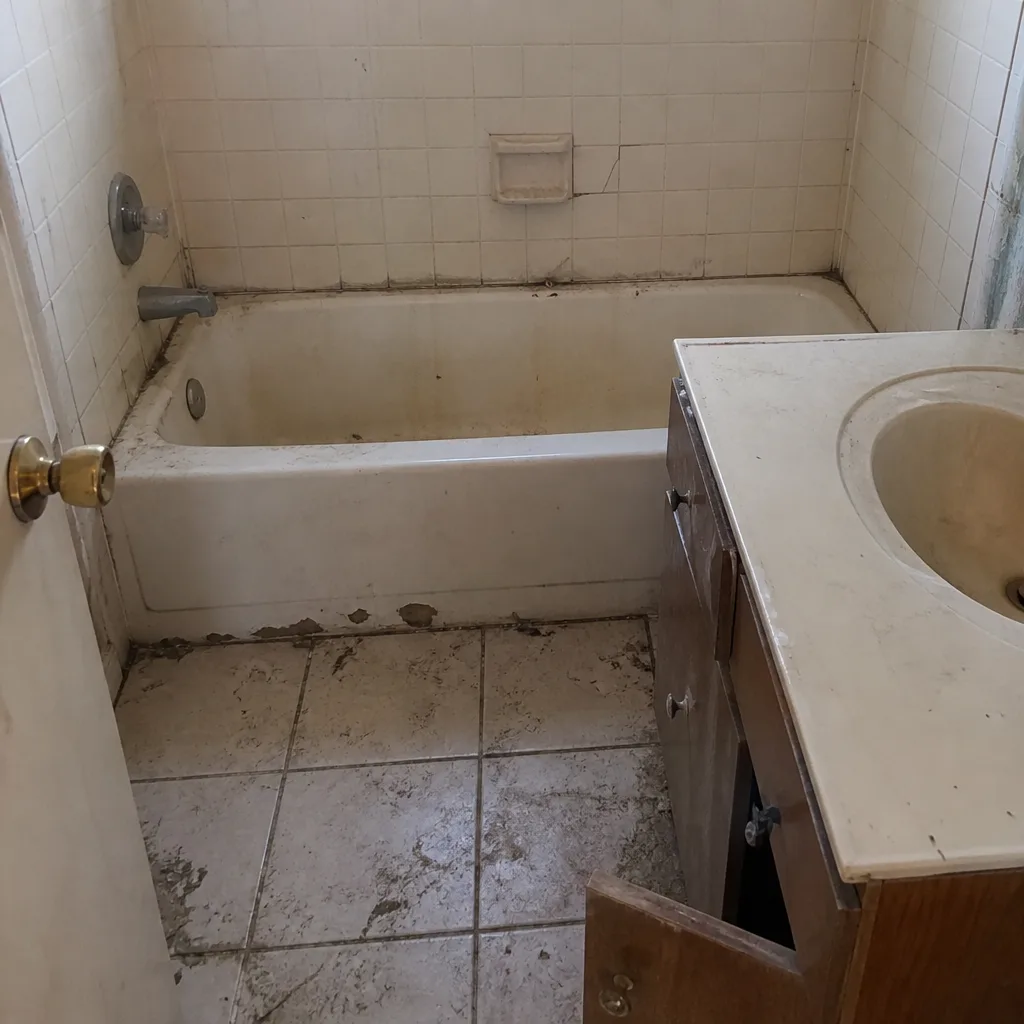 Before
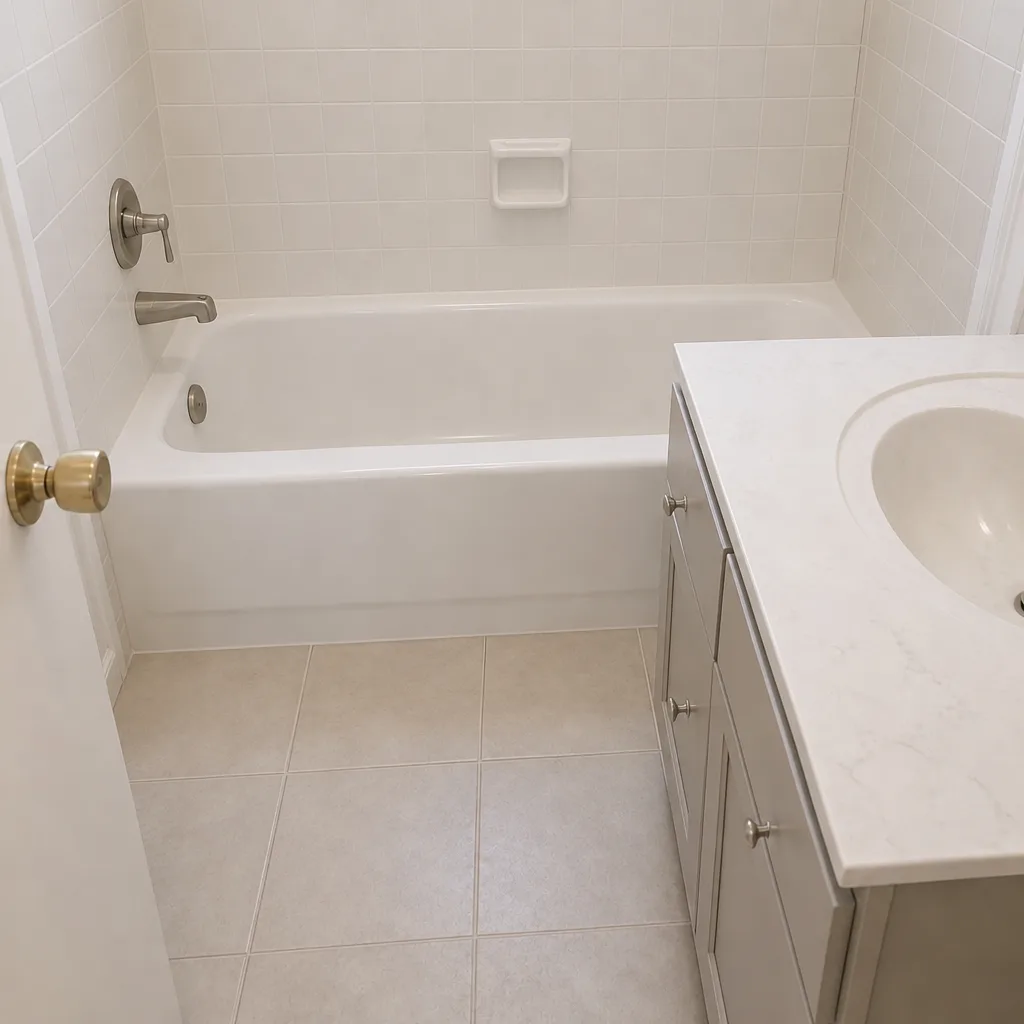 After
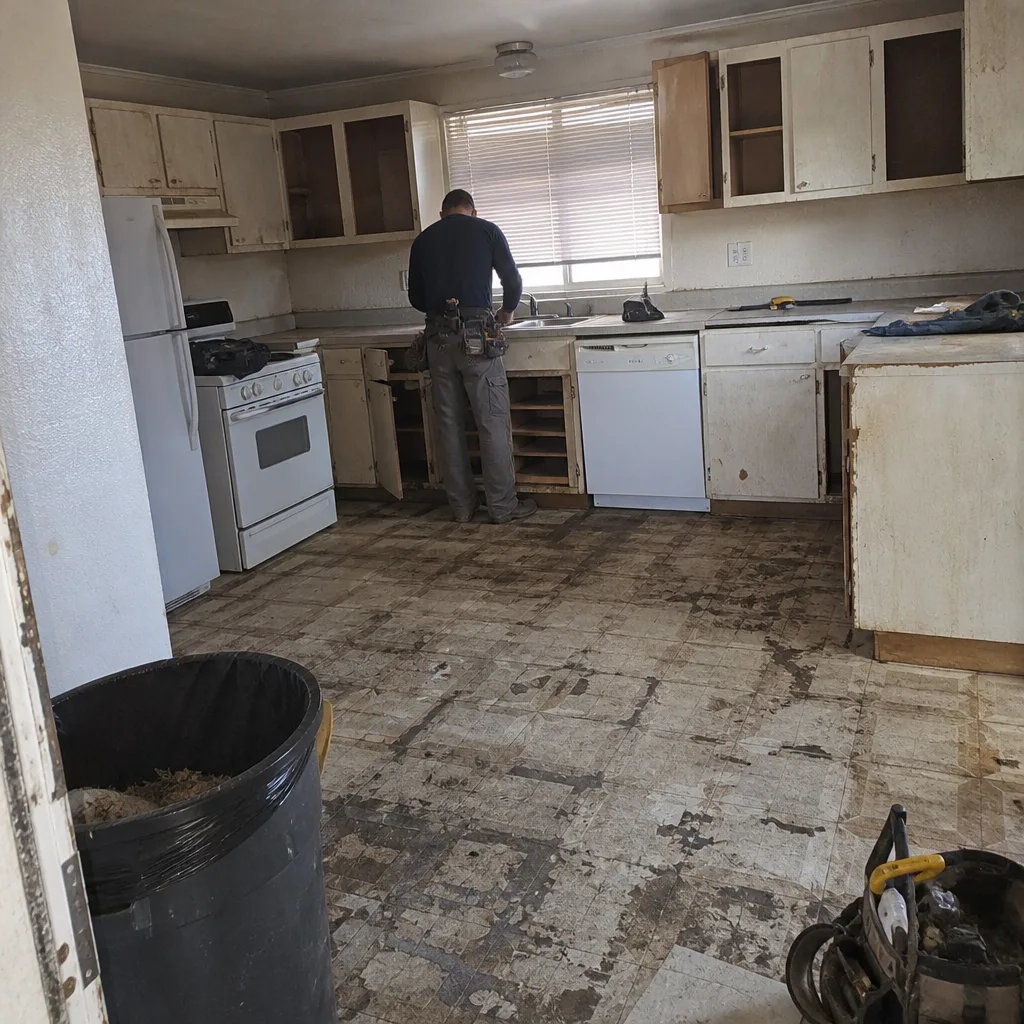 Before
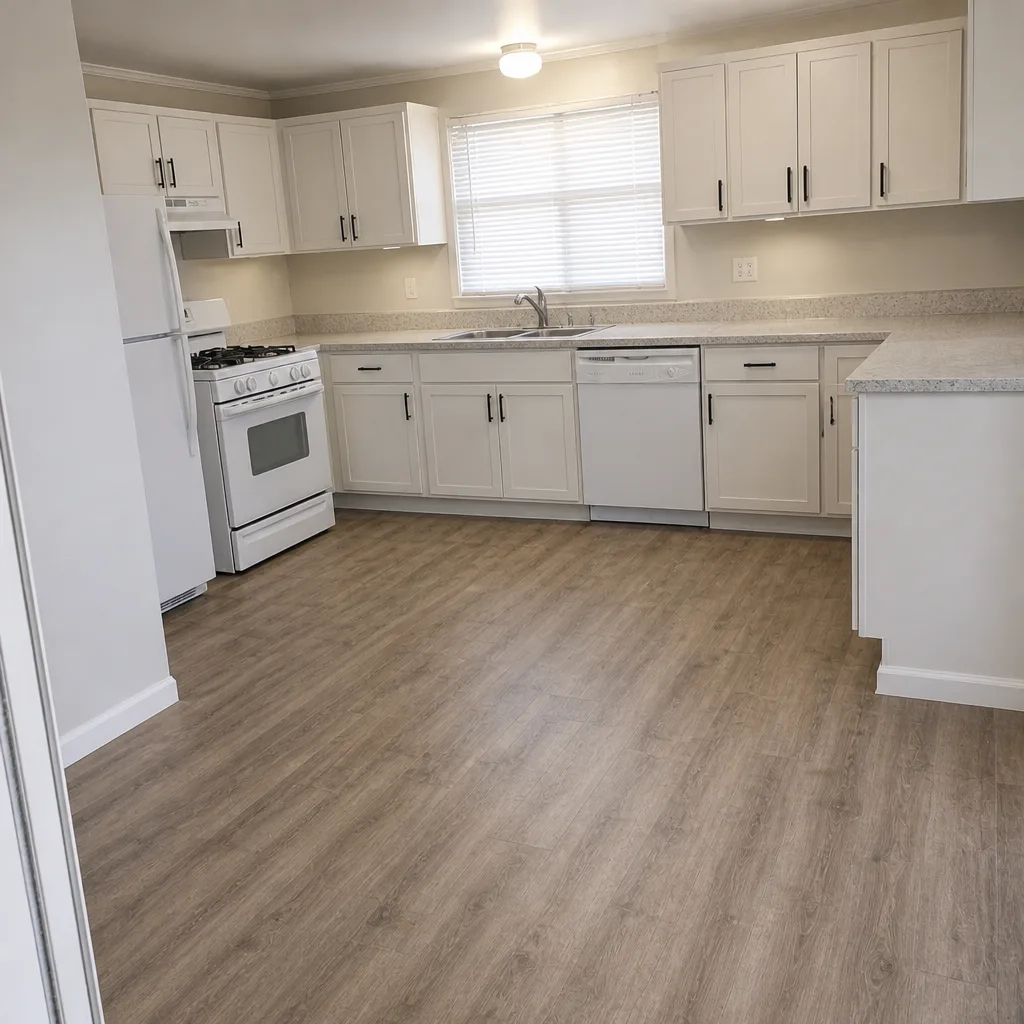 After
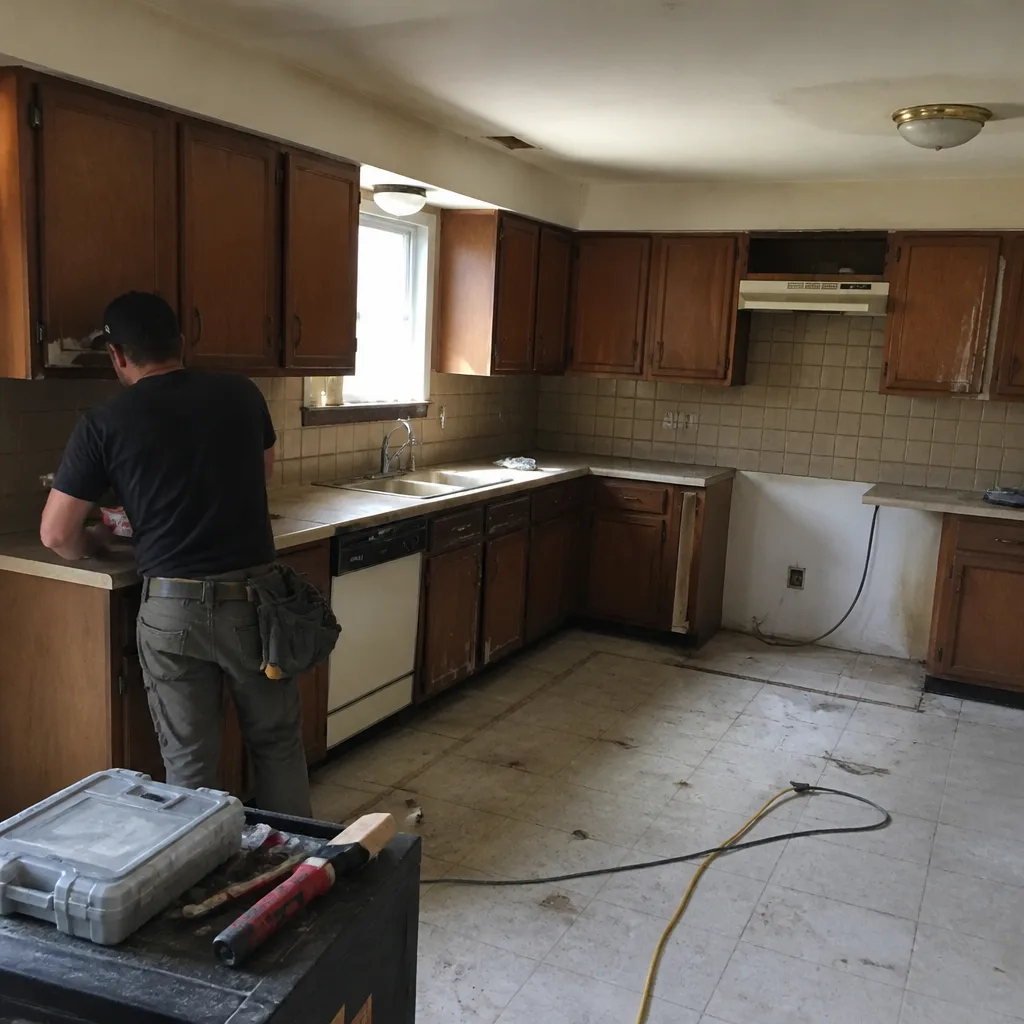 Before
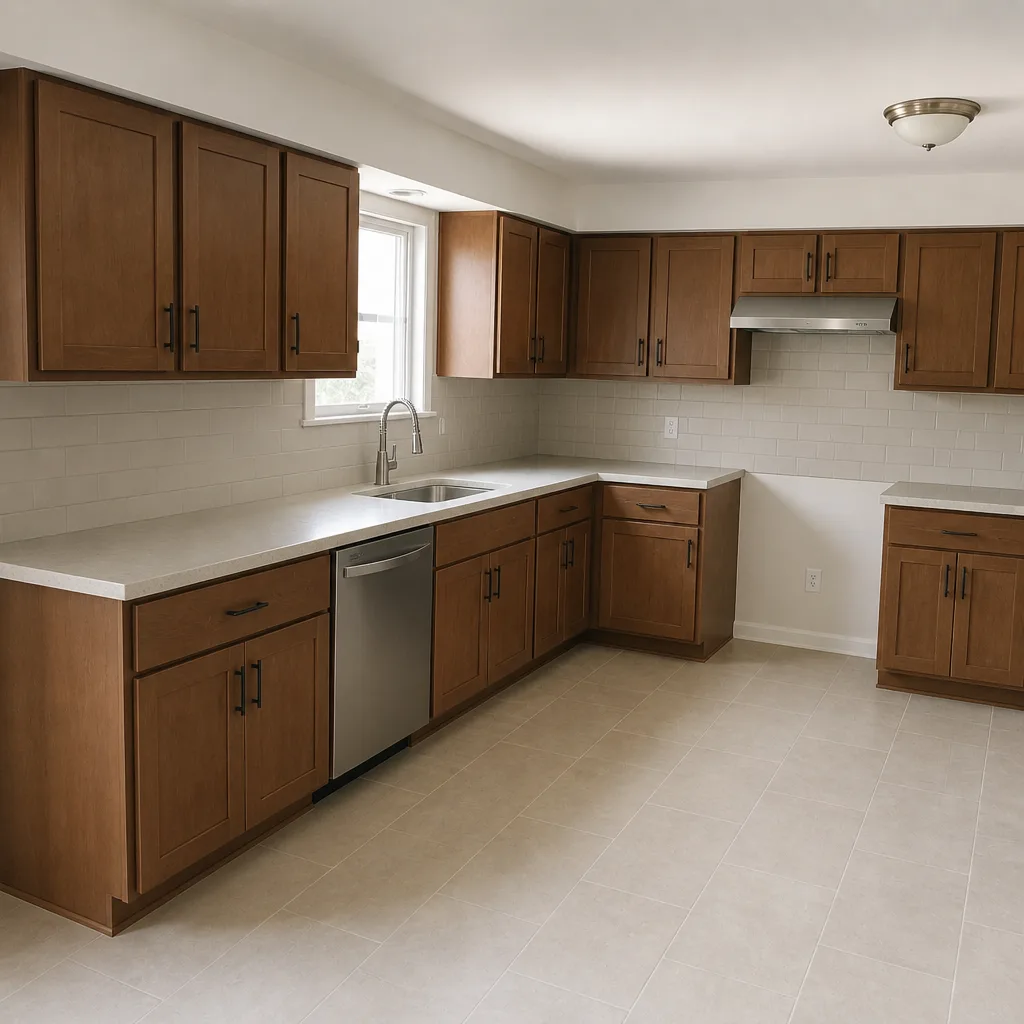 After
Frequently Asked Questions
Yes. Nevada’s owner-builder exemption allows a homeowner to pull permits for work on their own residence, but it triggers a disclosure at resale stating the work was not done by a licensed contractor. The permit doesn’t change which work requires a specialty license – structural, electrical, gas, and envelope work still fall under the licensed-scope rules. Call (833) 630-4077 if you want a free read on whether your project crosses that line.
Often not for defective workmanship, and the gap is where contractor general liability sits. A standard policy typically covers sudden accidental damage but may exclude damage arising from unpermitted or non-code work you performed. Ask your insurer in writing before you start, and ask any contractor for a certificate of insurance. Estimates are free – call (833) 630-4077 to compare coverage and price side by side.
Roofing, driveway and paver work, and window or door replacement are the three that consistently cost the DIYer more. Material minimums, tool rental, and failed inspection re-fees stack up, and Enterprise’s summer heat plus monsoon rain punish bad base work and poor flashing faster than a mild climate would. Call (833) 630-4077 for a written price you can put beside your own material list.
It works when the permit is pulled in the licensed contractor’s name, the material-labor split is written into a signed scope, and every material is verified against the install spec. Without that documentation the permit can be considered invalid. We’ll write the scope and the price before work starts. Call (833) 630-4077 to schedule a free estimate.
Not automatically – documentation is what decides it. A well-documented owner-builder project with photos, receipts, and a clear description of what was and wasn’t touched sells cleanly. Undocumented work gets discounted, because the buyer’s agent treats the disclosure as a negotiating lever. Call (833) 630-4077 for a free second opinion on any written estimate before you commit to either path.
Get the license classification, a certificate of general liability insurance active for the project dates, and a written scope that splits owner-supplied material from contractor labor line by line. Confirm the material matches the install spec, and keep the signed scope and invoices together. We provide a written price before any work starts and a documented photo record on every visit. Call (833) 630-4077 to get started.
The Bottom Line
The DIY-versus-professional question in Enterprise isn’t really about skill. It’s about three hard limits: what Nevada’s license classifications let you legally self-perform, what your homeowner’s policy covers while you do it, and what your owner-builder permit does to resale disclosure. When a project stays outside those limits – paint, landscaping, non-structural interior work – documented DIY is often the better buy. When it crosses into structural, electrical, gas, or envelope work, the quoted price is usually cheaper than the risk you’d carry plus the discount a buyer will ask for. Run the hybrid model carefully, keep every document, and get the number in writing before anyone picks up a tool.
Rowan Construction Group Enterprise writes the price before work starts, on every trade from kitchen remodeling through home additions and ADUs, and no change proceeds without a signed change order. Our technicians have up to 19 years of experience, and every visit ends with a documented photo record you keep. Call (833) 630-4077 to schedule your free estimate, or bring a competitor’s quote and we’ll review it line by line at no charge.
Written by the team at Rowan Construction Group Enterprise.