Last updated November 18, 2026


Free written scope consultation - allowances, timeline, and change-order rules on paper before a single trade is scheduled
The Complete Fence Installation Guide for Enterprise Homeowners
Clark County designs fences in the Enterprise area for a 100 mph three-second gust. That single number changes almost everything about how a fence gets built here, and most national fence guides never mention it. In our experience across Southern Nevada, the same wind corridor that makes this state a utility-scale wind energy zone pushes lateral loads onto fence panels hard enough to snap a 4×4 post set in a standard 10-inch hole within two to four years. So this guide starts where the wind does: post sizing and footer depth. From there we work outward to materials, real installed prices, Clark County permits, HOA rules, and the brands worth paying for.
Quick Answer
A 6-foot privacy fence in Enterprise, NV typically runs $38 to $65 per linear foot installed for wood, $55 to $80 for vinyl, and $75 to $120 for ornamental steel or aluminum. Because the local wind zone requires a minimum 6×6 post and a 24-inch concrete footer on a standard 6-foot fence, budget 15 to 25 percent more than the national average for the same footage. Permits are required for fences over 6 feet or with any masonry component.
Styles & brands we work with
- Kitchen remodeling
- Bathroom remodeling
- Home additions & ADU
- Roofing
- Windows & doors
- Driveway & pavers
- Fence
Table of Contents
- Why Enterprise’s Wind Zone Drives the Whole Build
- Post Sizing and Footer Depth for Enterprise
- Material Comparison and Installed Cost Per Linear Foot
- Clark County Fence Permit Requirements
- HOA Setback and Style Rules in Enterprise Communities
- Material Brands and Specific Product Lines
- The Installation Process, Step by Step
- Common Mistakes to Avoid
Why Enterprise’s Wind Zone Drives the Whole Build
Enterprise sits in a basin that funnels wind off the Spring Mountains and across the southern valley, and the gusts here aren’t a seasonal nuisance. They are a structural design input. Building codes in Southern Nevada reference the same wind maps used for roofing and structural engineering, and for a fence, that means the post-and-footer assembly is the load-bearing system, not the panel.
Here’s the counterintuitive part: it’s rarely the pickets that fail first. The panel acts like a sail, and every gust transfers lateral force into the posts and the concrete around them. A post set in a shallow footer rocks, widens its hole, and eventually snaps at or below grade. You see it constantly in Enterprise neighborhoods on fences built to national generic specs instead of local wind requirements.
What that means for you as a homeowner
- Post diameter is the first decision, not the last. A 4×4 is undersized for a 6-foot privacy fence in this wind zone.
- Footer depth and concrete volume matter more than post spacing. The concrete is the anchor, and it has to be deep enough and wide enough to resist tipping.
- Wind-rated panel attachment matters. Backer rails, metal brackets, and ring-shank nails hold up better than brad nails over the long term.
- Material weight changes the math. A solid vinyl panel catches more wind than a semi-privacy style, and CMU block needs an engineered footing regardless.
If you want to see how we handle wind-rated exterior work across the rest of the property, our Rowan Construction Group Enterprise home page covers the full scope of what we build.
Post Sizing and Footer Depth for Enterprise
This is the table most installers won’t show you, and it’s the one that determines whether your fence survives the first high-wind event. The columns reflect our field experience in the Enterprise wind corridor and the local code intent for fence structures.
- 4-foot fence: 4×4 post minimum, 18-inch footer, roughly 0.6 cubic feet of concrete per post.
- 6-foot privacy fence: 6×6 post minimum, 24-inch footer, roughly 1.4 cubic feet of concrete per post.
- 8-foot fence (where allowed): 6×6 or 8×8 post, 30 to 36-inch footer, roughly 2.4 to 3.2 cubic feet per post.
Why concrete volume, not just depth? A 24-inch hole at 10 inches in diameter holds less than half the concrete of a 24-inch hole at 12 inches in diameter. Volume is the real measure of resistance to tipping, and it’s why we specify both depth and diameter on every written quote. If a bid only says “posts set in concrete” with no dimensions, it’s not a real quote.
Step-by-step: how the footing sequence works
- Confirm the post line and hole locations with the plot plan, and mark utilities.
- Dig holes to the specified depth and diameter, keeping them vertical and clean.
- Set the post with a gravel base for drainage, then brace and plumb it.
- Pour the concrete to the full specified volume and crown it slightly above grade so water sheds away from the post.
- Let it cure before loading the panel, then attach rails and pickets with wind-rated fasteners.
If your project also includes a new hardscape along the fence line, our page on Driveway & Pavers in Enterprise explains how we sequence that work with the fence.
Material Comparison and Installed Cost Per Linear Foot
Prices here are installed, all-in, for a 6-foot fence in Enterprise, and they reflect the wind-rated post sizing above. National averages will understate the local number, mostly because of the heavier posts and deeper footers.
- Cedar wood: $38 to $58 per linear foot. Warm look, renewable, needs restaining every two to three years in Southern Nevada sun.
- Pressure-treated pine: $30 to $48 per linear foot. Budget-friendly, but it moves and checks with the valley’s temperature swings.
- Vinyl (Bufftech and similar): $55 to $80 per linear foot. Low maintenance, resists sun fade, but the panel catches more wind, so post specs must be tighter.
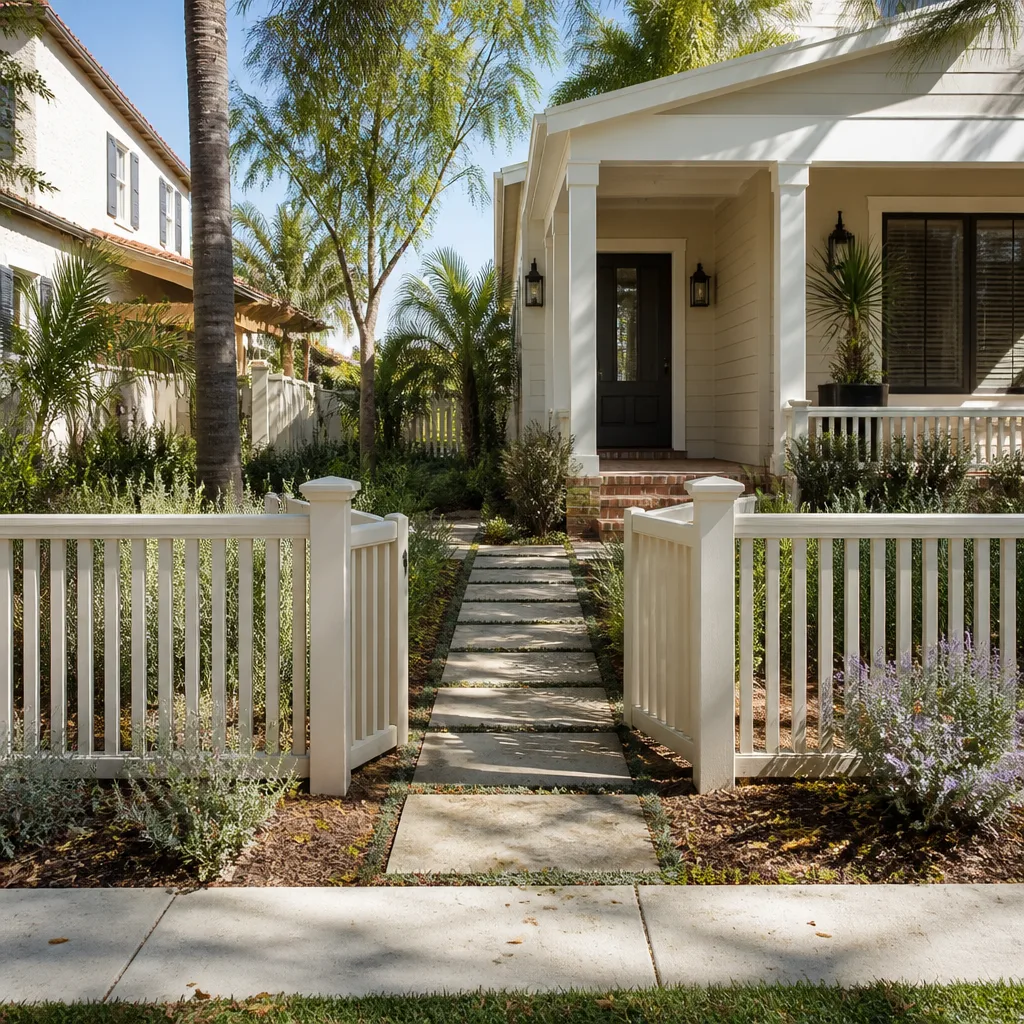
- Wrought iron or ornamental aluminum (Ameristar, Jerith): $75 to $120 per linear foot. Open design lets wind through, which is a real advantage here, and it holds up well to sun.
- CMU block: $90 to $140 per linear foot. Requires an engineered footing and a permit for the masonry component, but it’s the most durable privacy option.
What to think about beyond price
- Wind performance: open styles move air, solid styles block privacy but load the posts.
- Maintenance cycles: wood wants attention; vinyl and steel don’t.
- Permit triggers: any masonry component or a height over 6 feet.
- Longevity: over a 15-year horizon, vinyl and ornamental steel usually cost less than repeated wood repair.
When you’re ready to see this applied to your actual property line, our Fence Installation in Enterprise page lays out the full service. All quotes are written before any work starts, flat-priced, with the post and footer specs spelled out.
Clark County Fence Permit Requirements
Two conditions trigger a fence permit in unincorporated Clark County, which covers Enterprise: a fence over 6 feet tall, or any fence with a masonry component (like CMU block or a masonry pilaster). A standard 6-foot wood or vinyl fence at or under 6 feet usually doesn’t need one, but your HOA might still require documentation.
What the permit process involves
- Submit a plot plan showing the property line, fence location, height, and material.
- Note any masonry or structural components so the plan reviewer can flag engineering needs.
- Pay the application fee, which typically runs a few hundred dollars depending on scope.
- Allow a few business days to two weeks for processing, depending on review load and whether engineering is required.
The plot plan is where most DIY permit applications stall. It has to accurately show setbacks from the property line and any easements. If you don’t have a survey, that step can add cost and time, and it’s worth resolving before you buy material. Every Rowan Construction Group project is quoted with a written scope that lists whether a permit is required and who pulls it.
HOA Setback and Style Rules in Enterprise Communities
Enterprise is dense with master-planned communities, and almost every one of them has architectural review rules layered on top of county code. The most common requirements we see are a maximum height (often 6 feet in front yards and 6 to 7 feet in back), a required setback from the property line, and an approved material and color list.
How to verify before you pull a permit
- Request the CC&Rs and architectural guidelines from your HOA board or management company in writing.
- Get approval in writing before you order material, because committee meetings take time and a rejected style means rework.
- Confirm the approved material and color for your block or lot, since some communities specify vinyl or ornamental steel only.
- Check whether a masonry pilaster or specific post cap is required on street-facing runs.
Skipping the HOA step is the most expensive shortcut in the process. A board can require removal of a fence that meets county code but violates the CC&Rs. Ask first, then pull the permit.
Material Brands and Specific Product Lines
The brand matters less than the spec, but a few product lines are worth knowing by name because they have documented wind ratings and warranties. Here’s what we specify most often in Enterprise, and how wholesale versus retail pricing typically shakes out.
- Bufftech vinyl: Known for UV-stable formulations and wind-rated panel systems. Wholesale pricing on a full fence run usually lands 20 to 30 percent below retail, and retail-visible installed pricing runs in the $60 to $80 per linear foot range.
- Ameristar ornamental steel: Rackable panels that follow grade well on sloped lots. Wholesale runs 25 to 35 percent under retail, with installed prices in the $80 to $115 per linear foot range depending on style and height.
- Jerith aluminum: Lightweight, rust-resistant, and easy to specify in HOA-approved colors. Wholesale pricing sits 20 to 30 percent under retail, with installed runs around $75 to $100 per linear foot.
- ActiveYards: A vinyl and composite line with strong warranty terms; wholesale discounts of 15 to 30 percent are typical on larger orders.
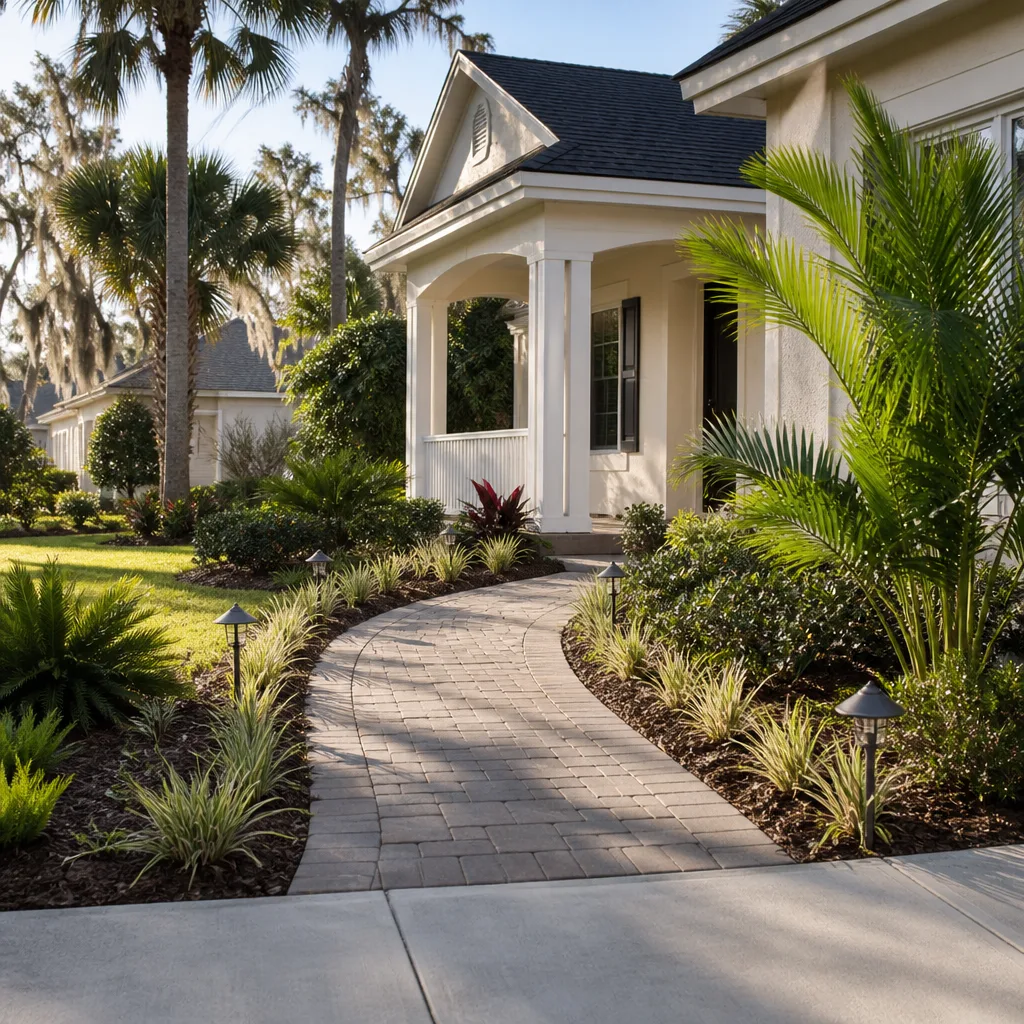
- Belgard: Best known for pavers, and a natural fit for matching a fence line to a new hardscape; we source it alongside the fence material when a project includes both.
Brands on a bid are a starting point, but the written spec is what protects you. We source across fifty-plus vetted brands so the number in the quote is honest, not padded. And every job carries our 365-Day Done Right Promise: if it’s not done right, we make it right. If you’re planning a larger exterior project, our page on Home Additions & ADU in Enterprise shows how fence work fits alongside structural builds.
The Installation Process, Step by Step
Here’s what an Enterprise fence installation actually looks like from start to finish, in the order it happens.
- Site walk and measurement. We measure the run, note slopes, and confirm the property line against a plot plan or survey.
- HOA and permit check. We confirm height, setback, and material against the community rules, then file any required permit.
- Utility locate. Before any digging, utilities get marked so the footer holes don’t hit a line.
- Written quote. You get a flat price with post and footer specs, material brand, and warranty in writing before work begins.
- Post setting. Holes are dug to spec, posts are plumbed, and concrete is poured to the full volume and cured.
- Panel and rail install. Rails and pickets go up with wind-rated fasteners, and any gates are hung and adjusted.
- Walk-through and photo record. You get a documented photo record of the build, and any change during the job requires a signed change order first.
Common Mistakes to Avoid
- Setting 4×4 posts on a 6-foot fence in the Enterprise wind corridor. It looks fine on day one and rocks within a couple of years.
- Using too little concrete. A 12-inch-diameter hole holds far more anchor than a 10-inch one, and the difference shows up on the first high-wind day.
- Ordering material before HOA approval. A rejected style means you eat the cost of the fence you can’t use.
- Forgetting the permit on a masonry or over-height fence. It stalls the job and can mean removal later.
- Accepting a bid with no post dimensions or footer depth. Without those numbers you can’t compare quotes honestly.
- Skipping the utility locate. A dug line is a repair you don’t want to pay for.
- Choosing a solid panel purely for privacy without checking the post spec. In this wind zone, the two decisions are linked.
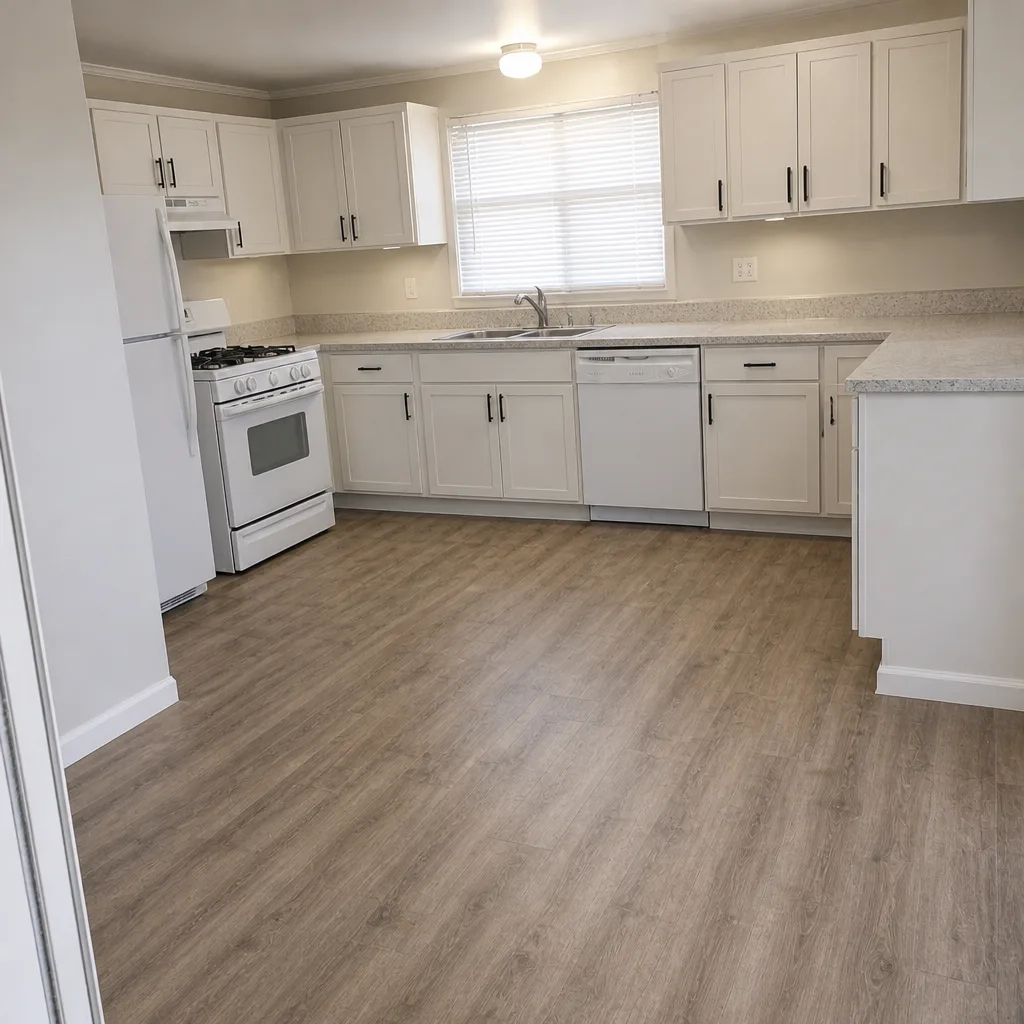
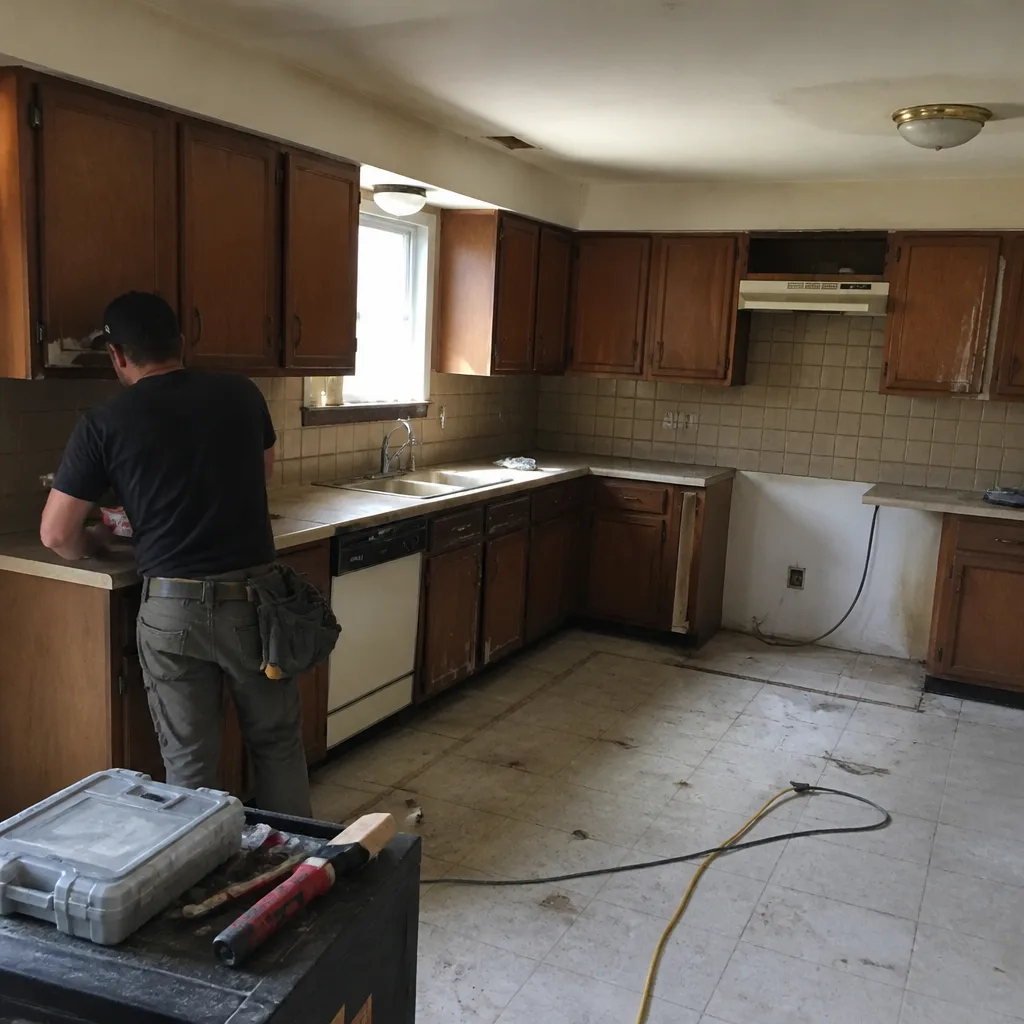
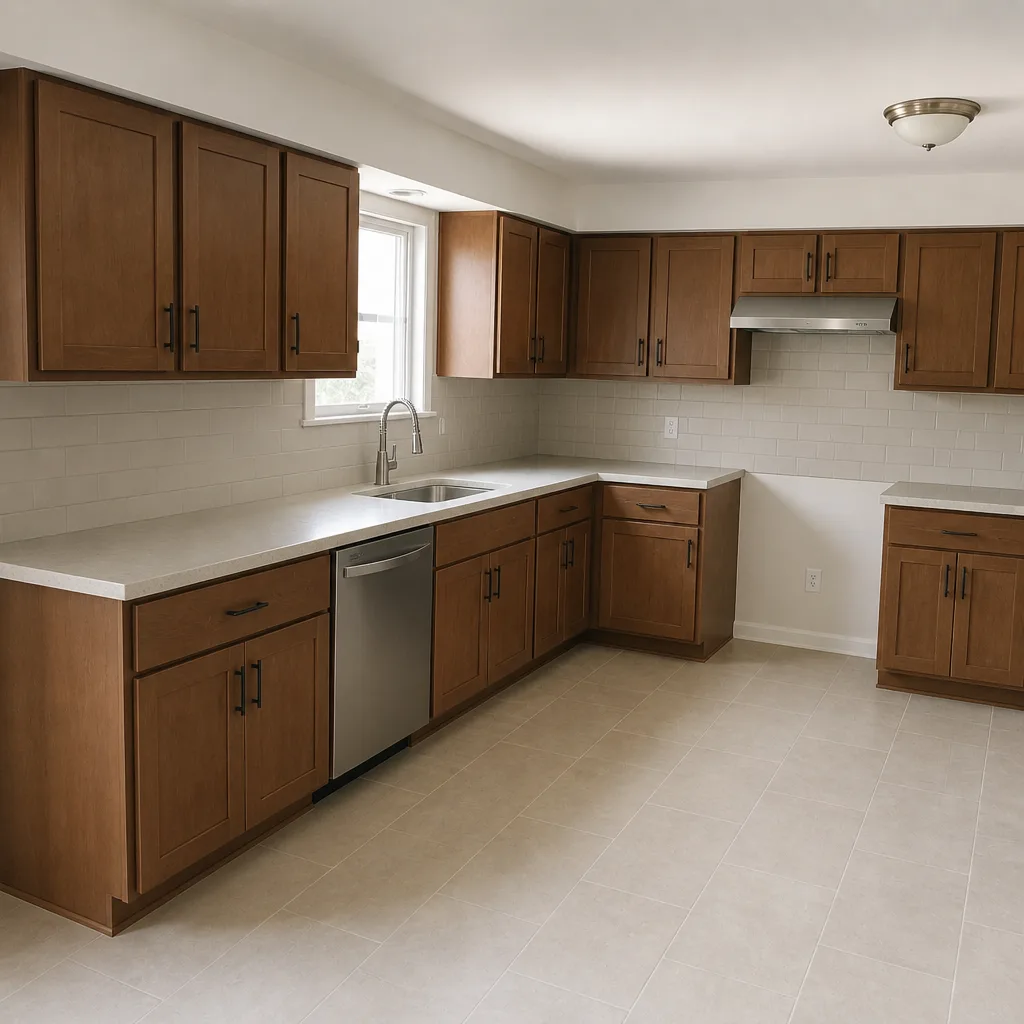
See the difference
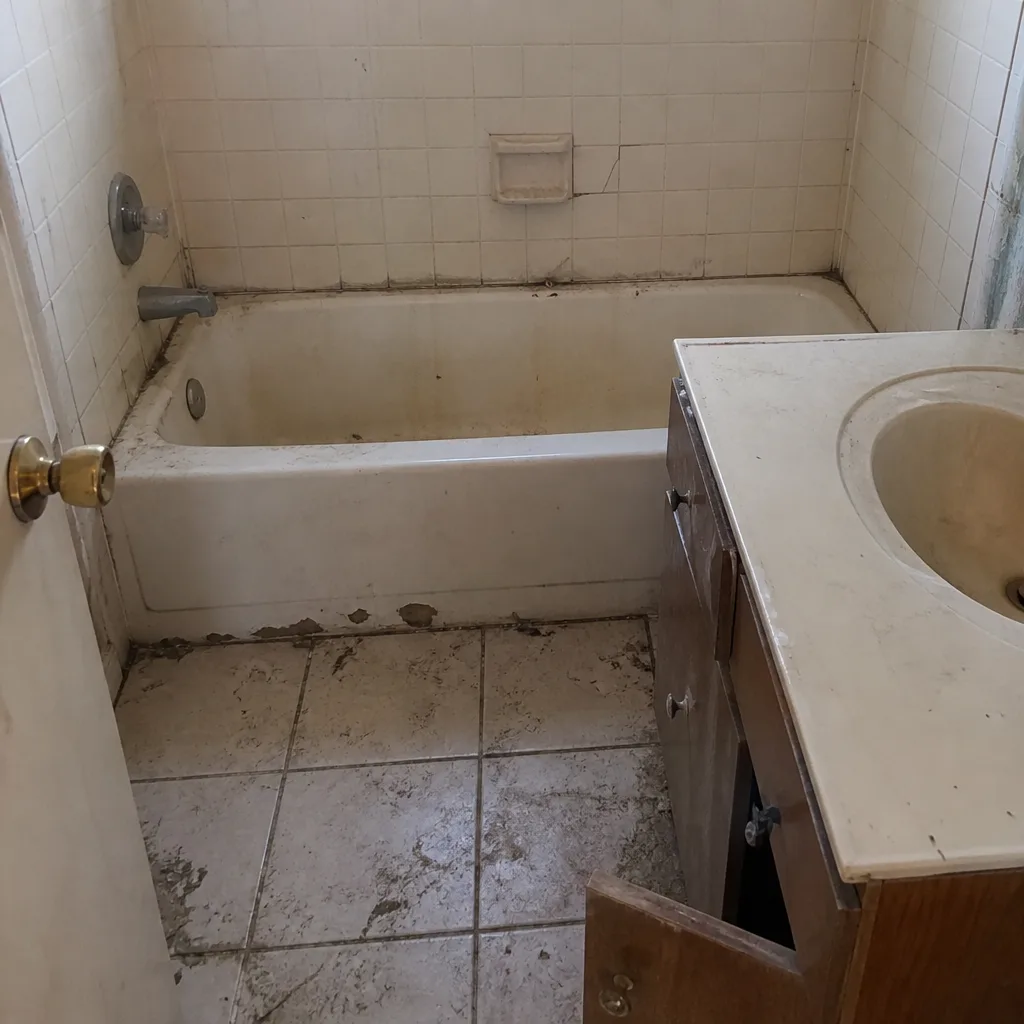 Before
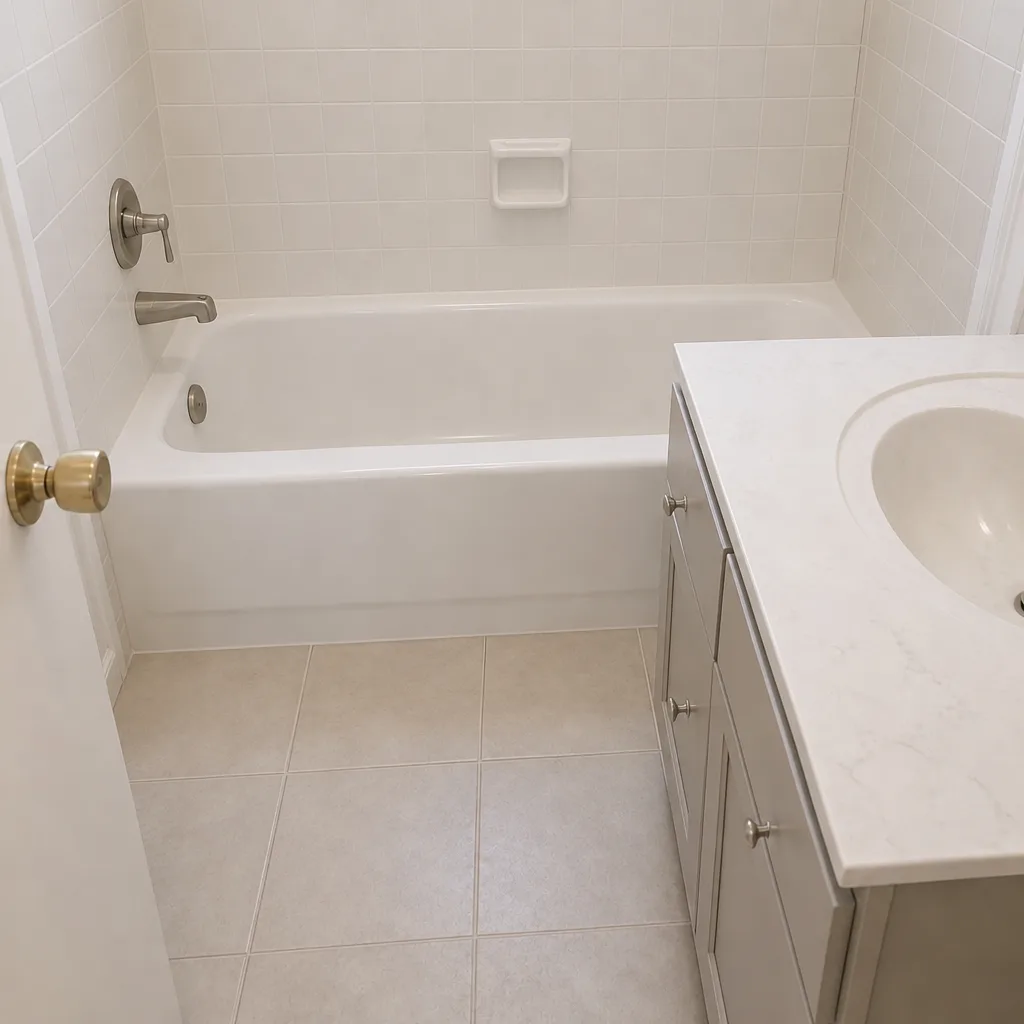 After
 Before
 After
 Before
 After
When to Call a Professional
Get a professional involved when the fence is over 6 feet, includes any masonry component, sits on a slope, or abuts a property line you haven’t surveyed. Those are the cases where engineering, permits, and tolerances matter most, and where a mistake is expensive to undo. Post setting in this wind zone is also physical, precision work: one post out of plumb throws the whole run, and undersized footers fail years later without warning. If you’re comparing bids, bring us a competitor’s written estimate and we’ll review it line by line at no charge. Rowan Construction Group Enterprise offers free estimates in Enterprise: call (833) 630-4077 to schedule yours.
Frequently Asked Questions
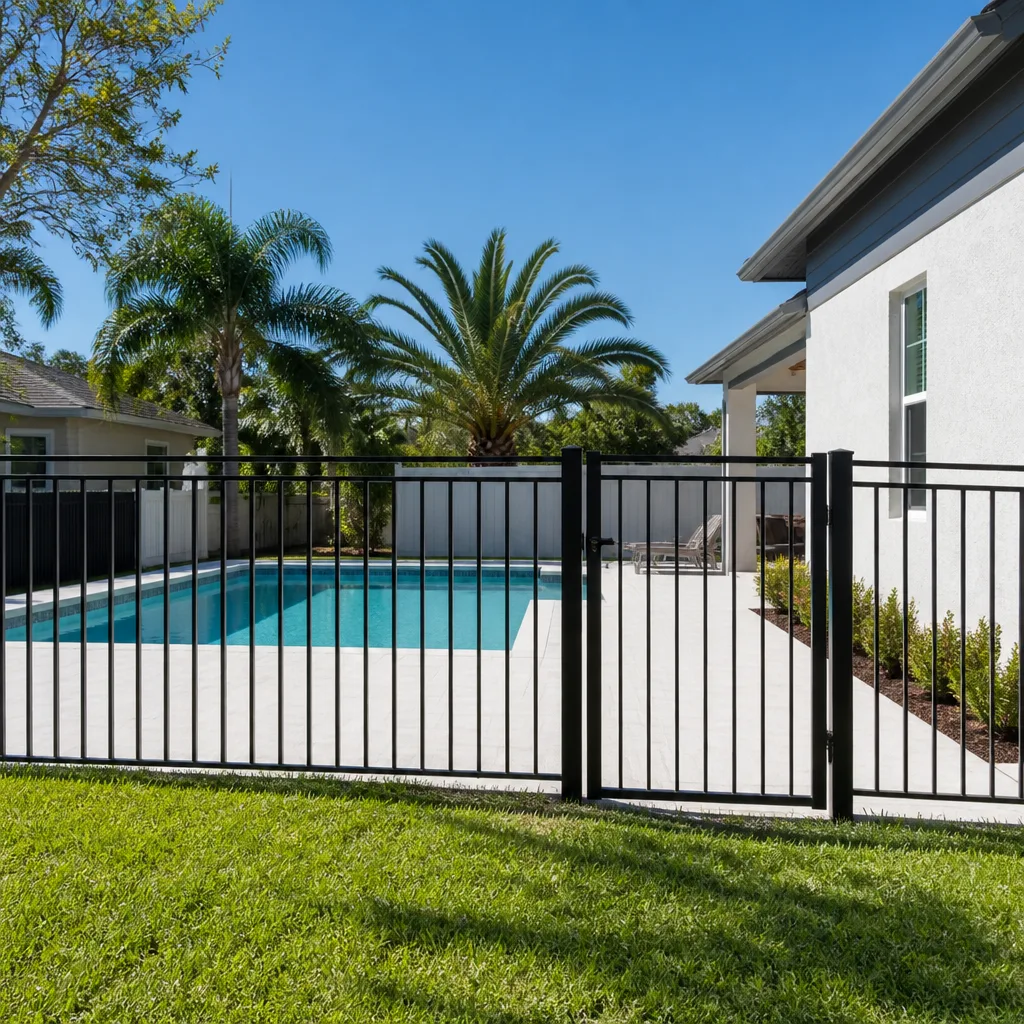
A 6-foot privacy fence in Enterprise typically runs $38 to $65 per linear foot installed for wood, $55 to $80 for vinyl, and $75 to $120 for ornamental steel or aluminum, with CMU block at $90 to $140. The local wind zone adds 15 to 25 percent over national averages because of heavier posts and deeper footers. Call (833) 630-4077 for an exact written quote, free of charge.
Yes, if the fence is over 6 feet tall or includes any masonry component. A standard 6-foot wood or vinyl fence usually doesn’t need a county permit, but your HOA may still require documentation. Confirm both before ordering material, and call us if you want help checking your specific lot.
Fences fail here because wind loads on the panel stress undersized posts and shallow footers. A 4×4 post in a 10-inch hole can snap within two to four years under repeated gusts. The fix is a 6×6 post and a 24-inch footer on a standard 6-foot fence.
A 6×6 post with a 24-inch footer, holding roughly 1.4 cubic feet of concrete per post. Anything smaller is undersized for the Enterprise wind corridor, even if it’s what a national guide recommends.
A typical residential run in Enterprise takes two to four days once material is on site, plus permit and HOA approval time, which can add one to three weeks depending on your community. Post curing time is part of the schedule and can’t be rushed.
No. Every Rowan Construction Group project is quoted with a flat written price before work begins, and no change proceeds until you sign a change order. That’s how we keep projects within a few percent of the agreed number.
The Bottom Line
Fence installation in Enterprise is a post-engineering problem before it’s a style decision. Start with the 100 mph wind requirement, size your posts and footers to match, then choose material and brand. Confirm your HOA rules before you pull a permit, and insist on a written quote with post dimensions and concrete volume spelled out. Do those things in that order and you get a fence that holds up to Southern Nevada wind instead of one you rebuild in two years. If you want the number in writing before anyone picks up a tool, call Rowan Construction Group Enterprise at (833) 630-4077 for a free estimate.
Written by the team at Rowan Construction Group Enterprise.